
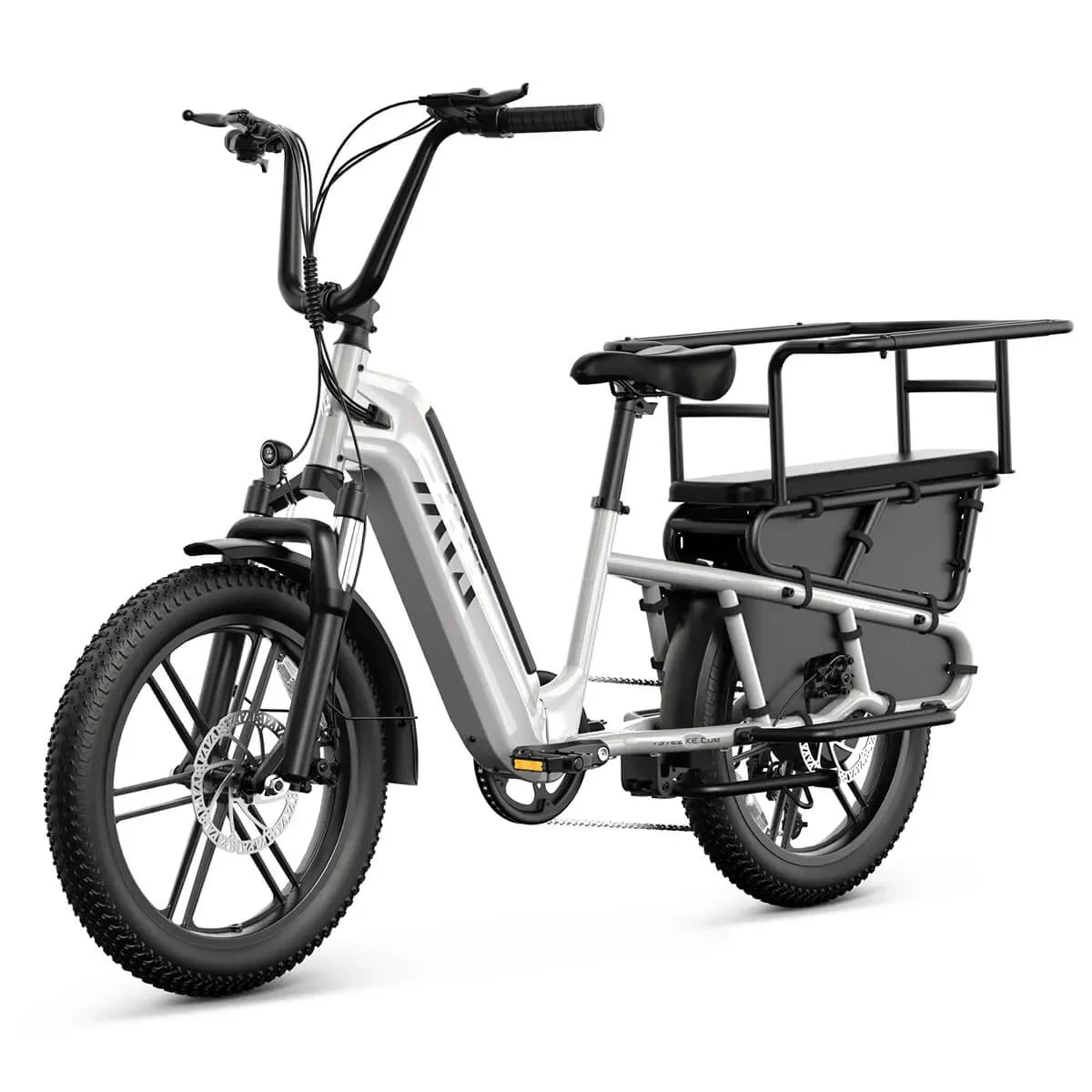
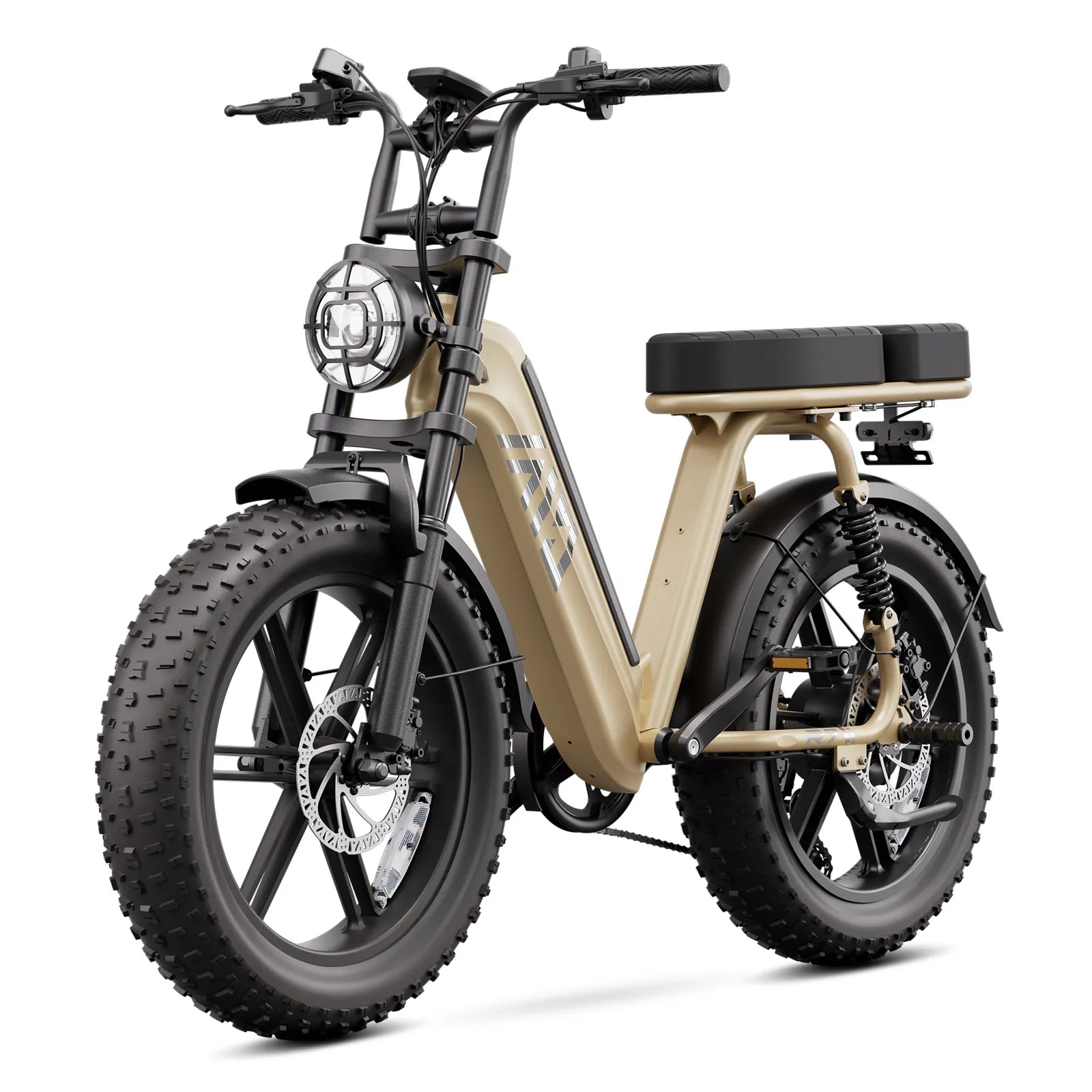
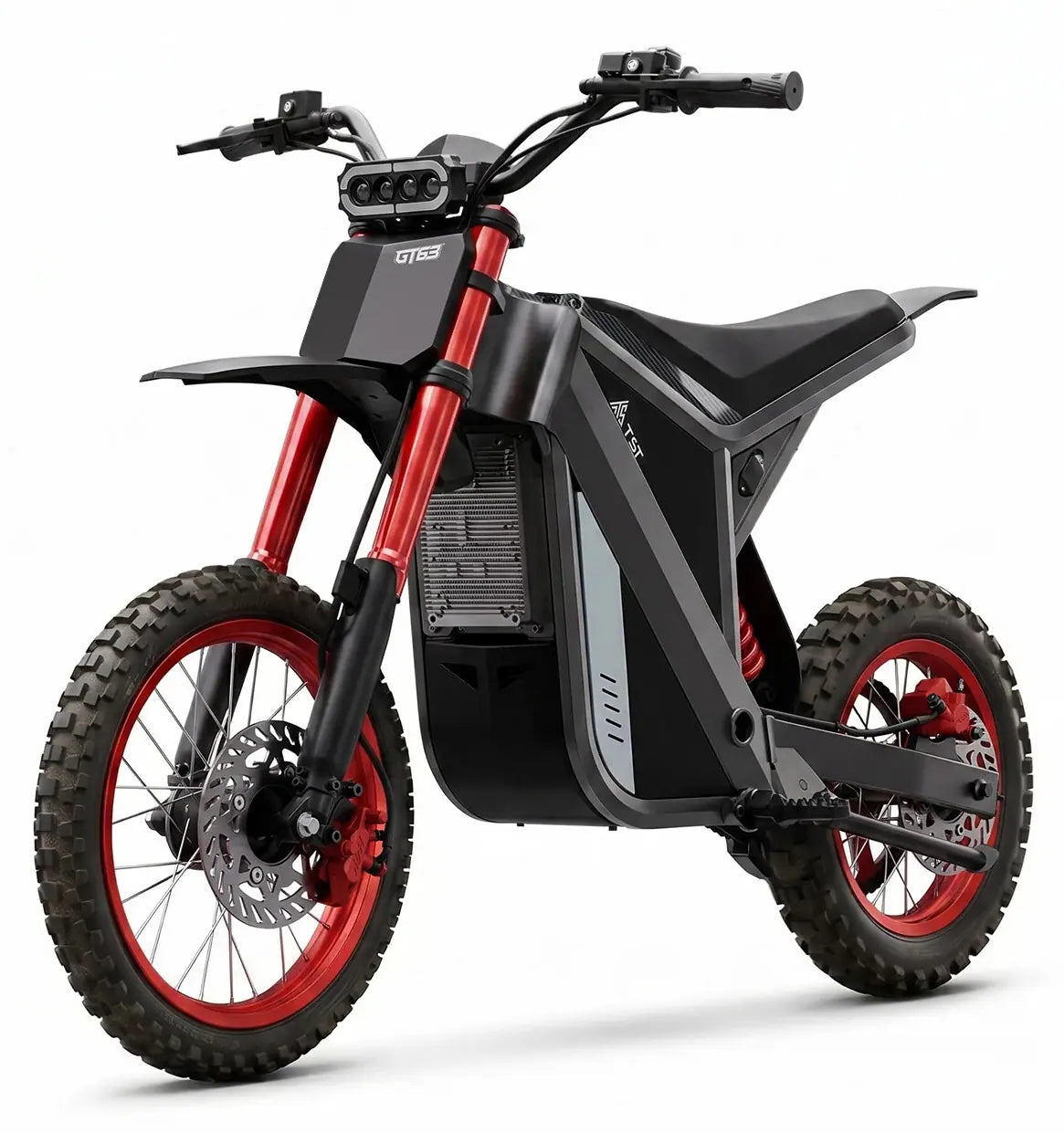
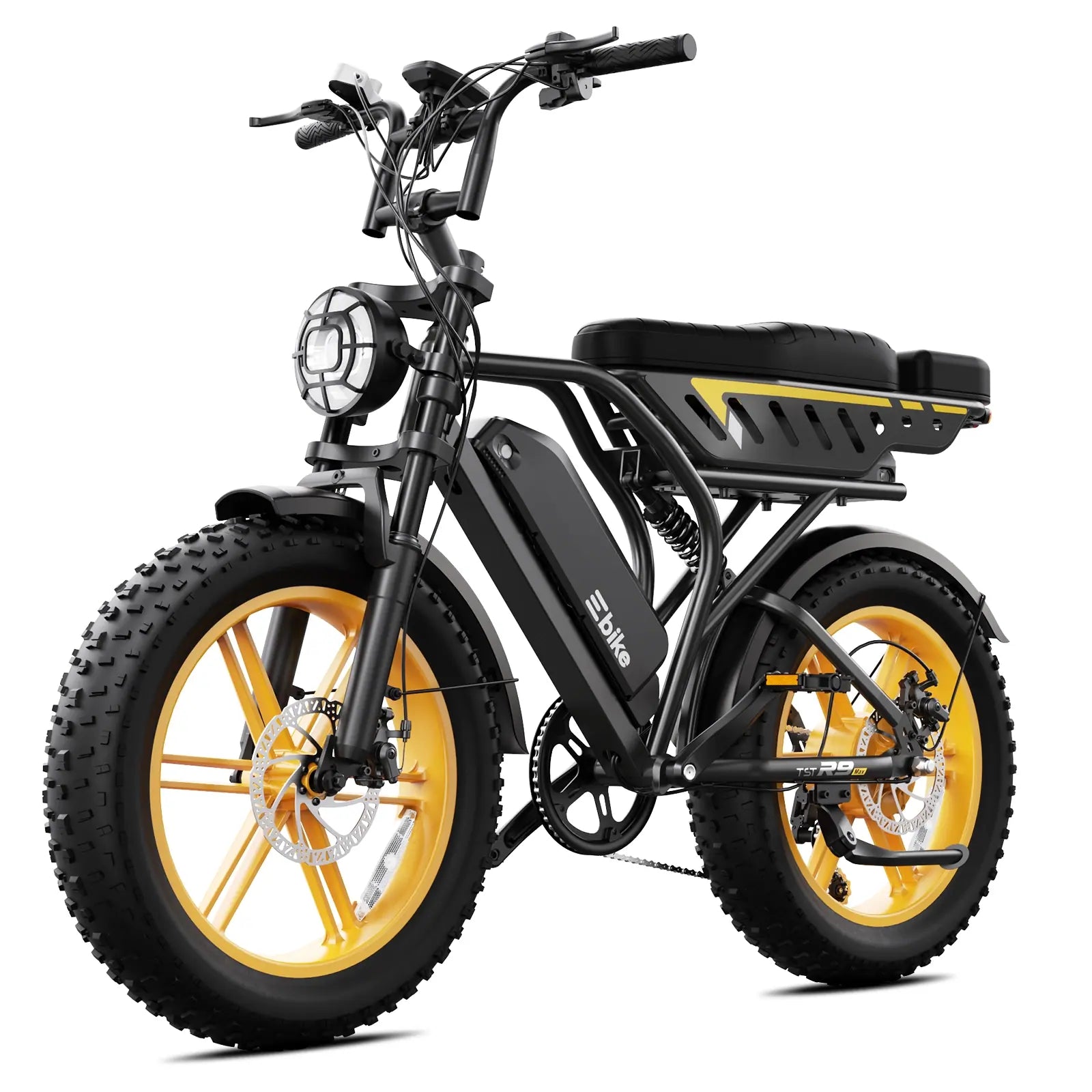
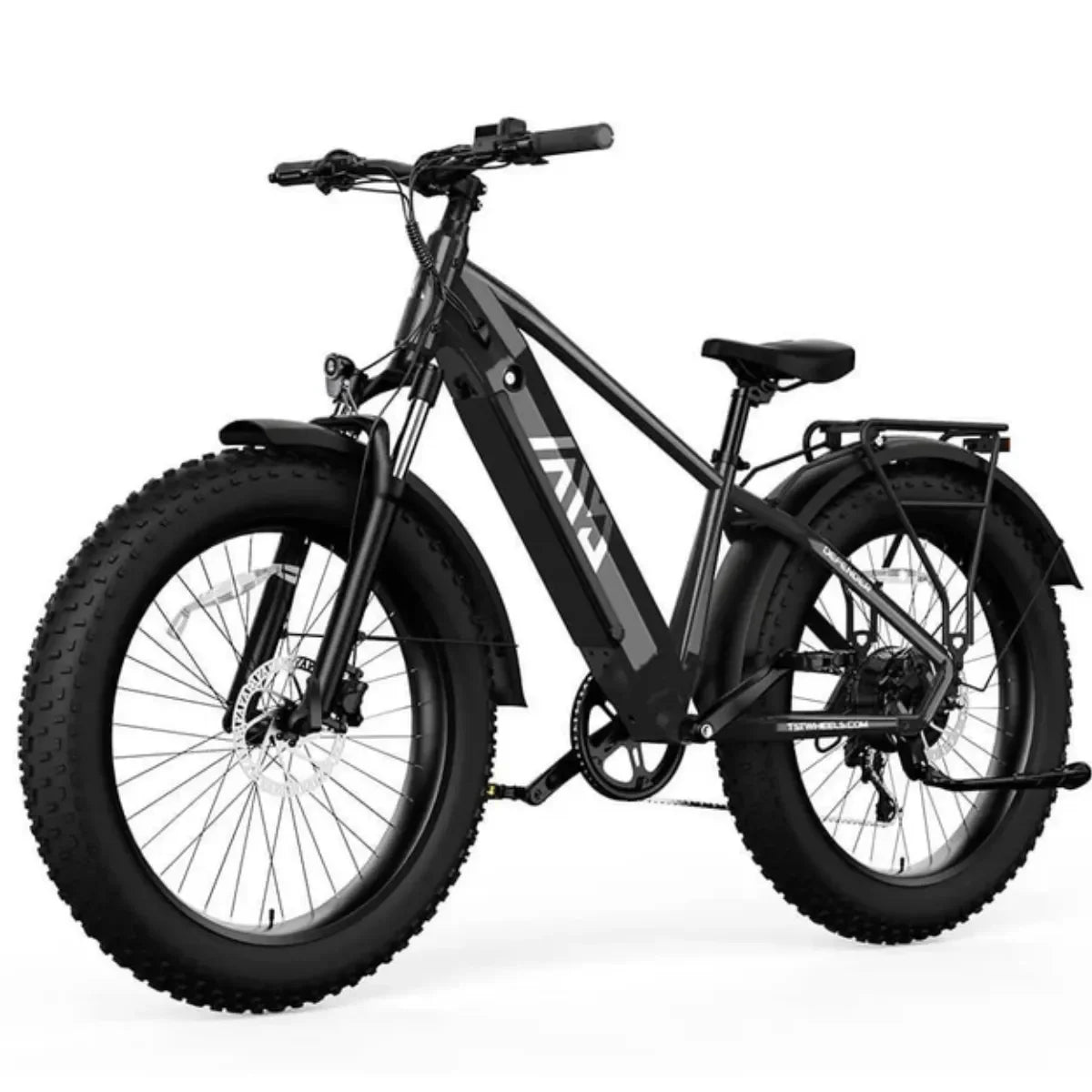
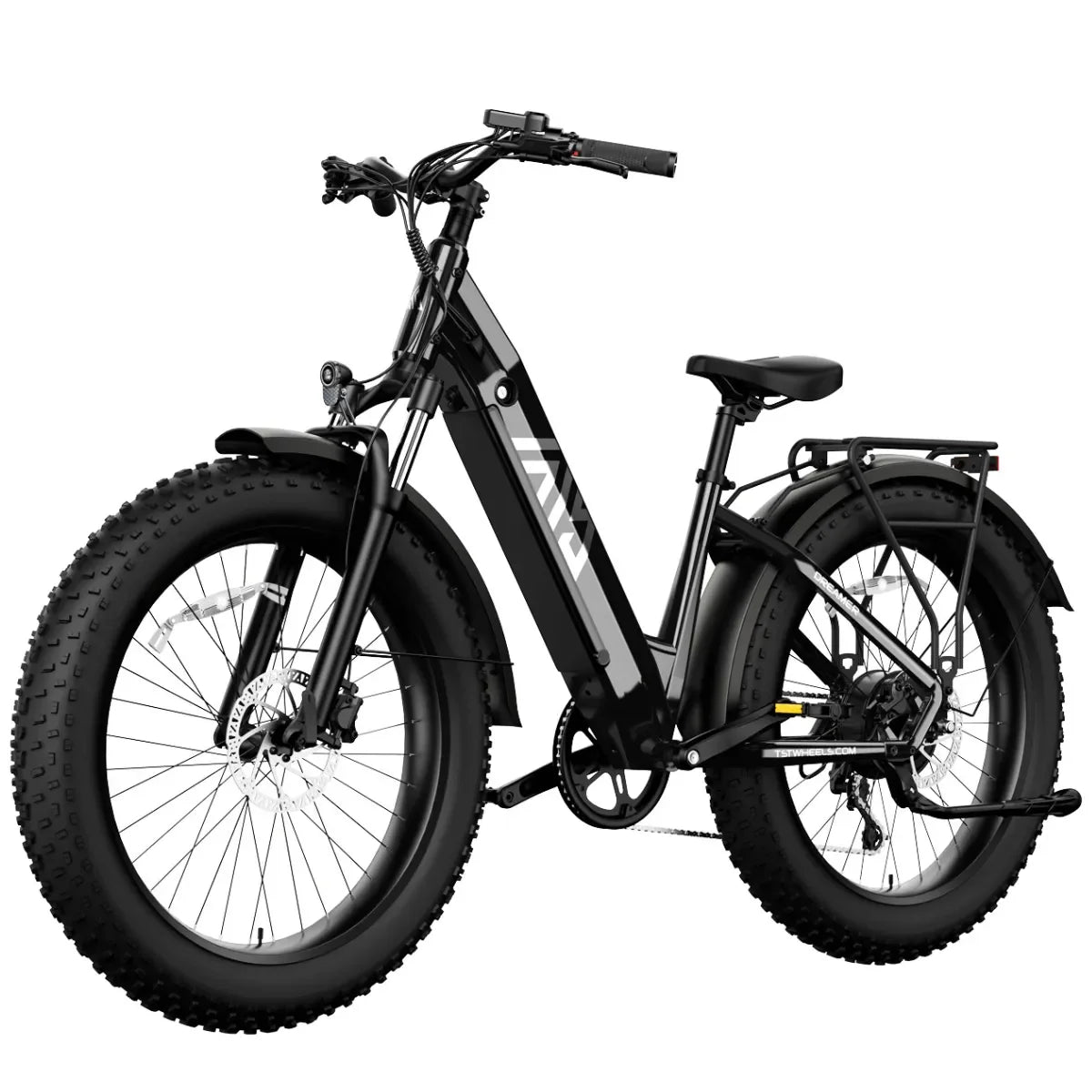
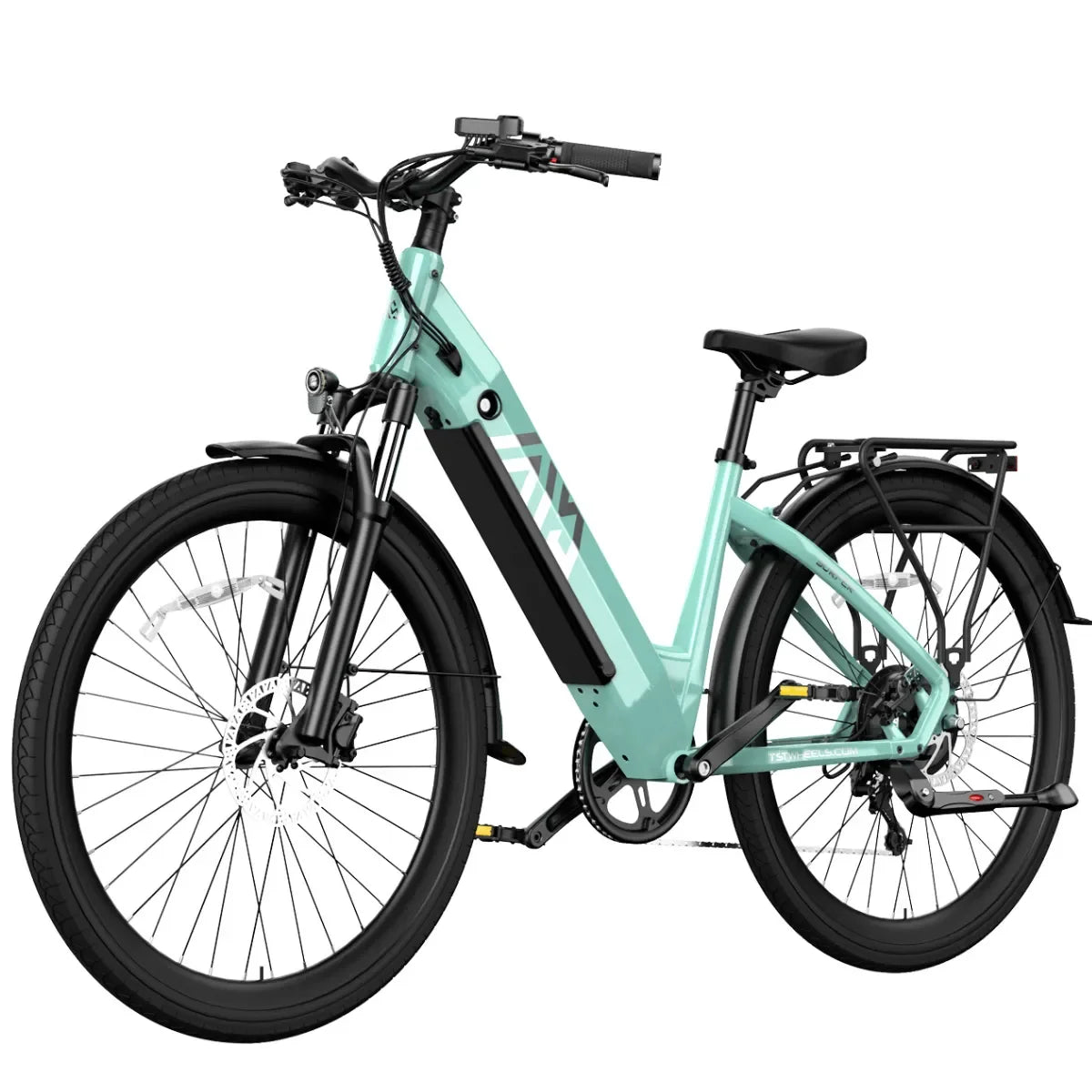
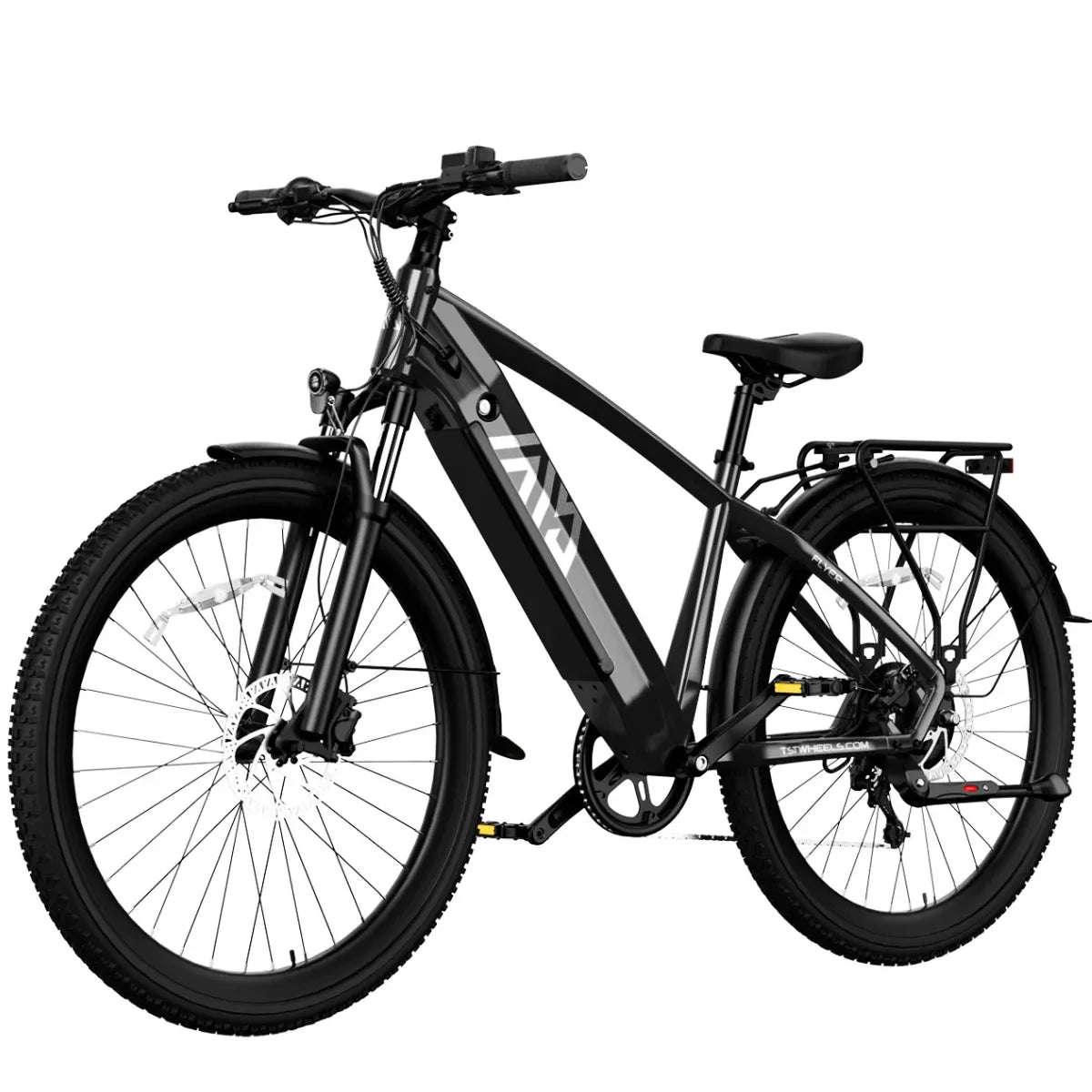
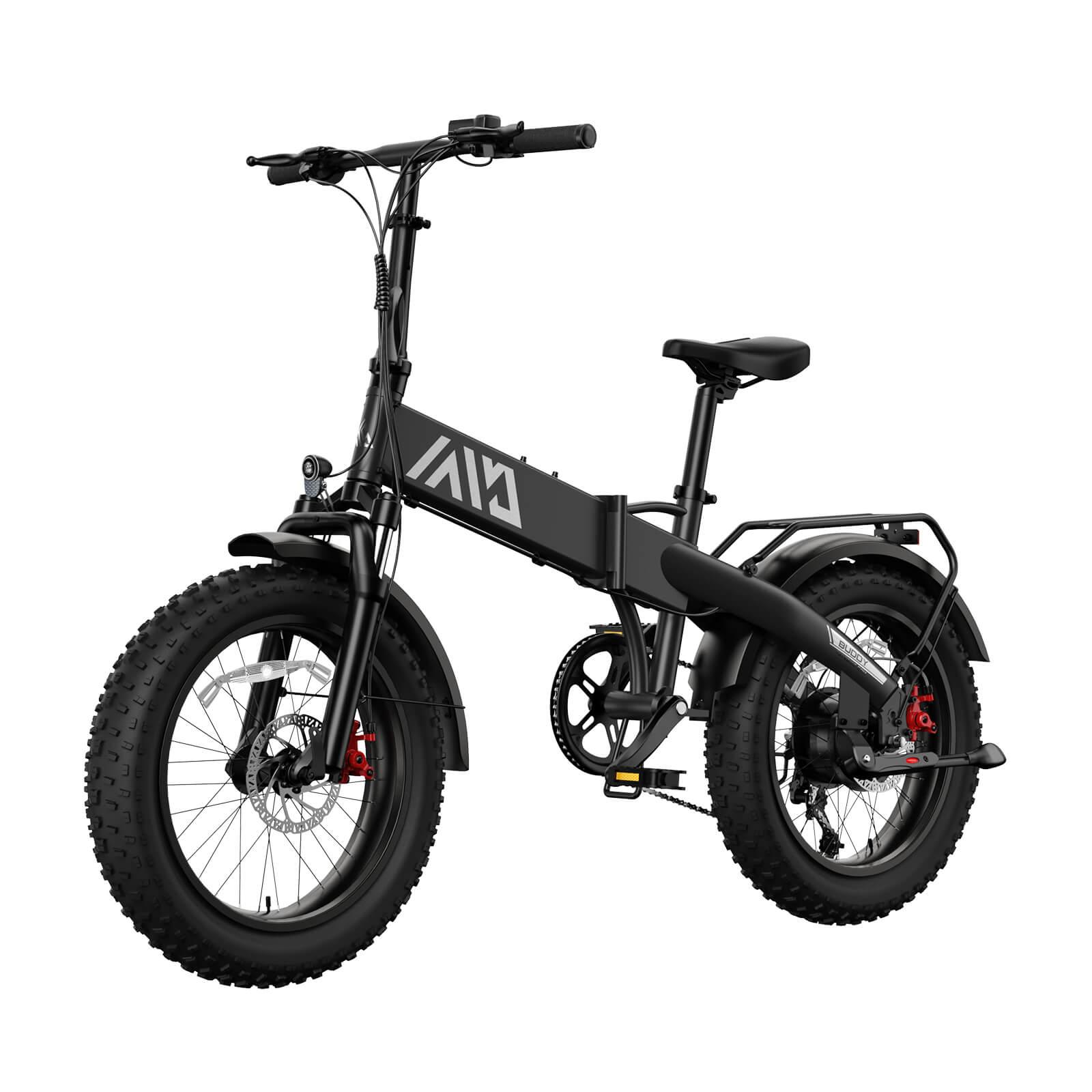
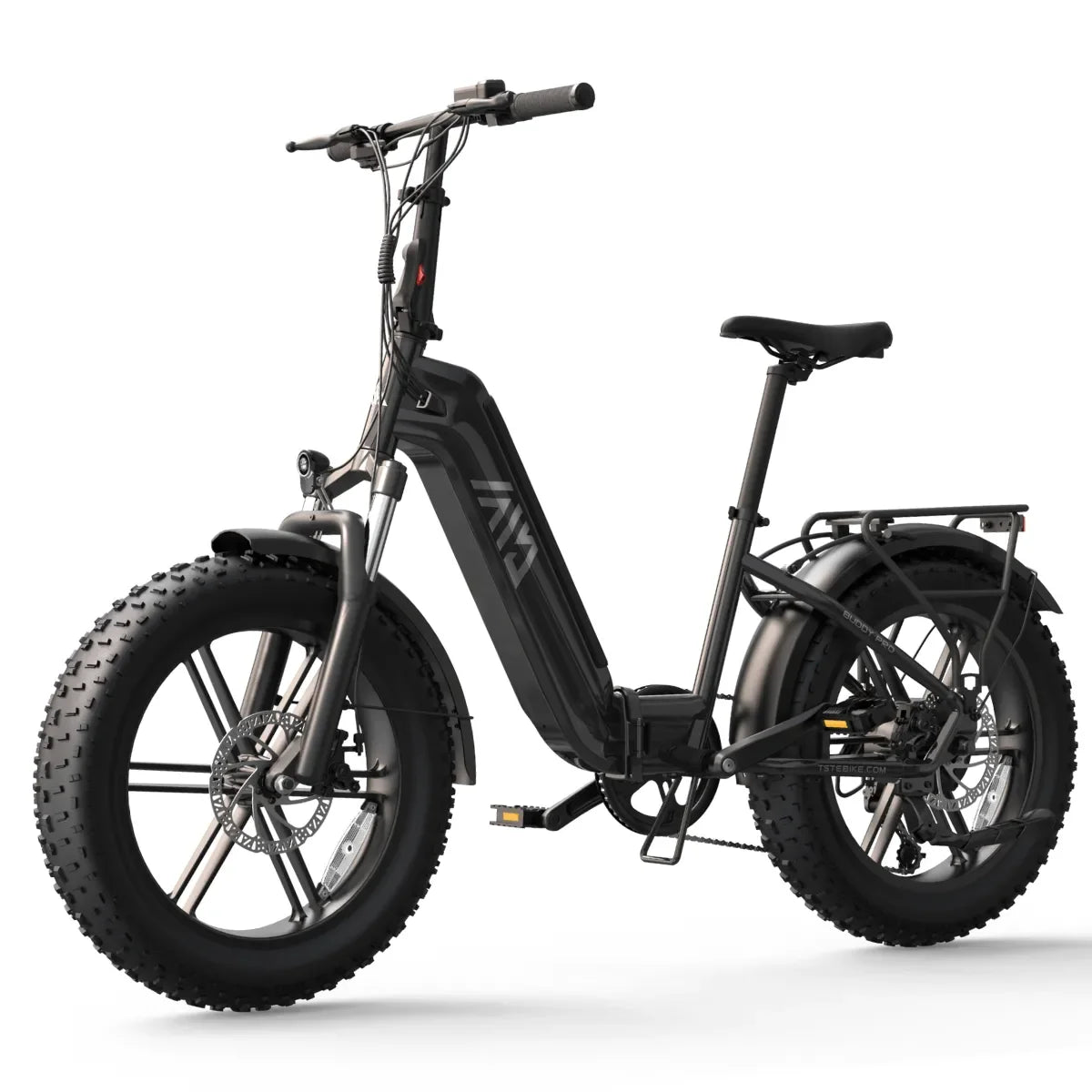


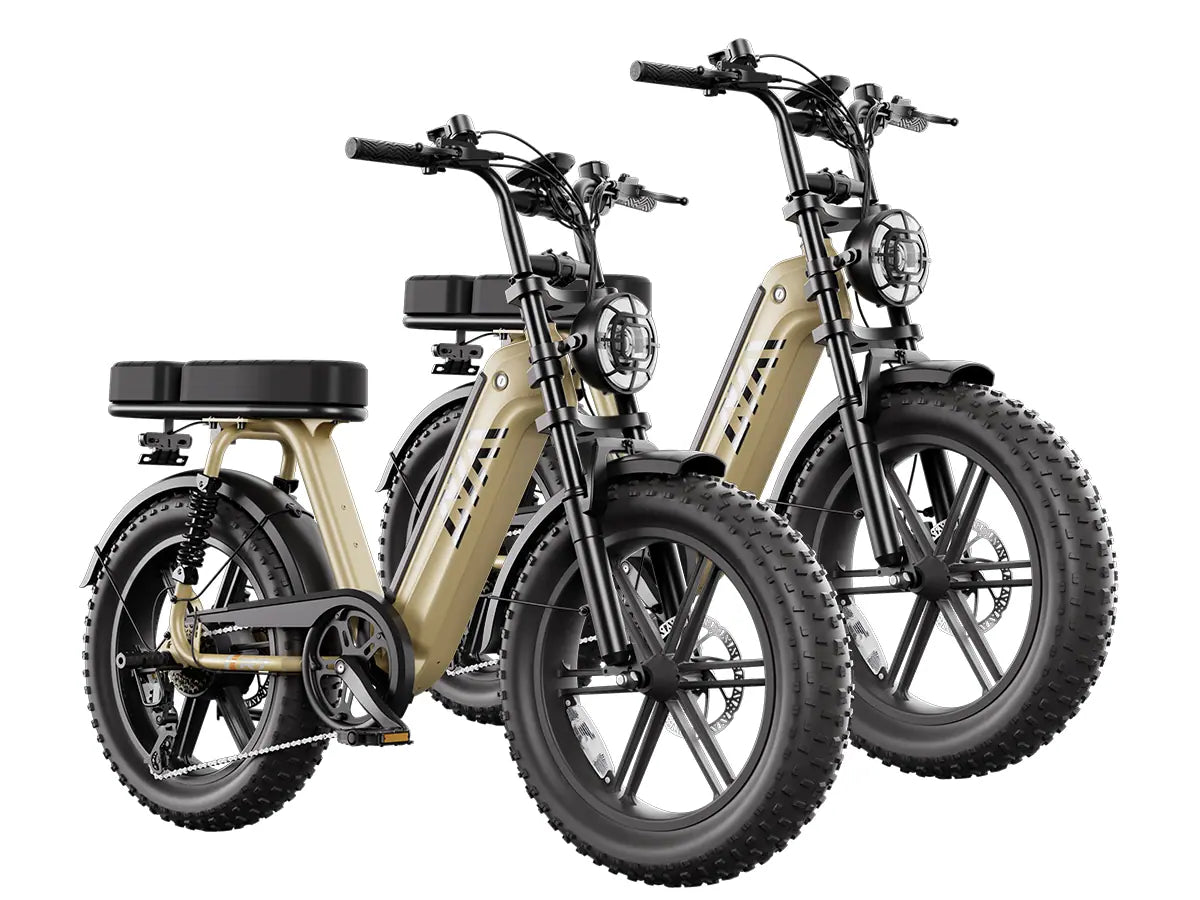
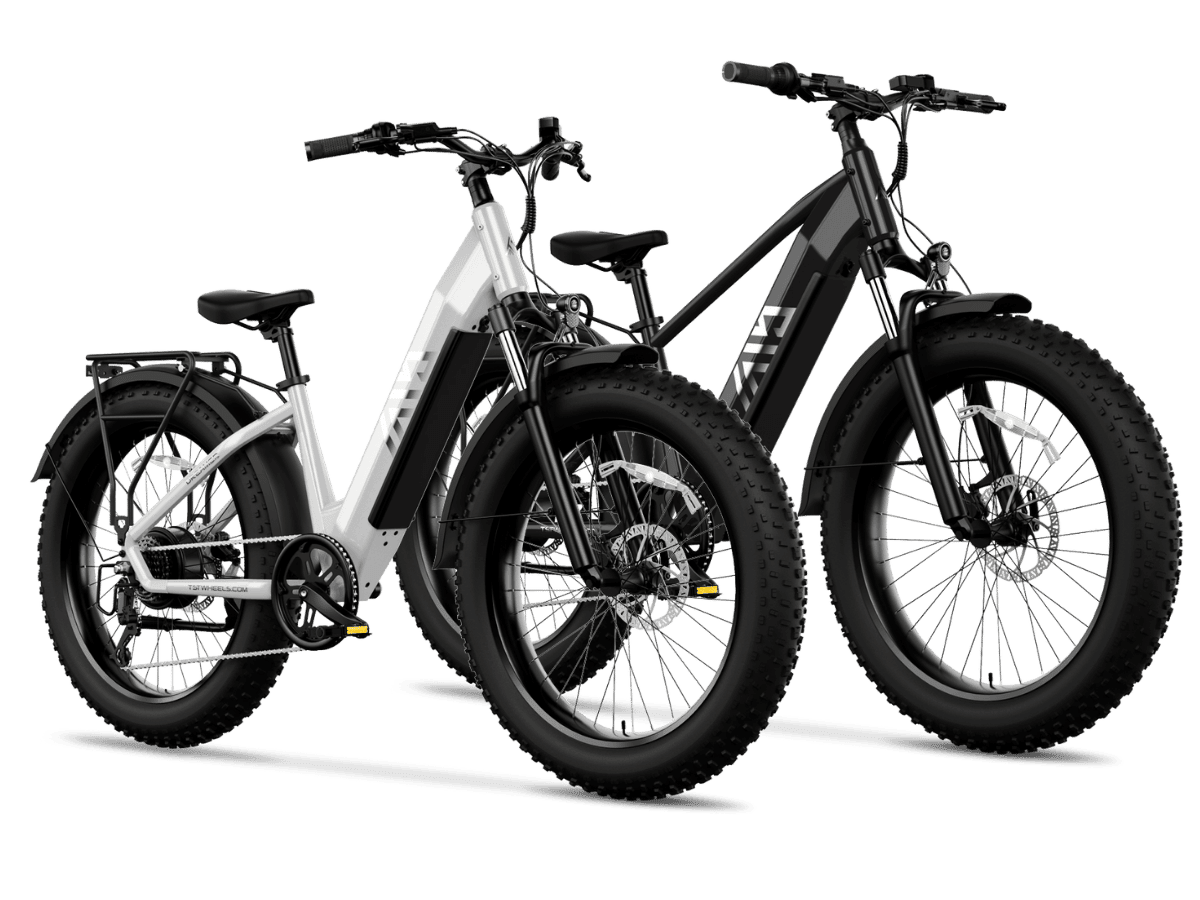
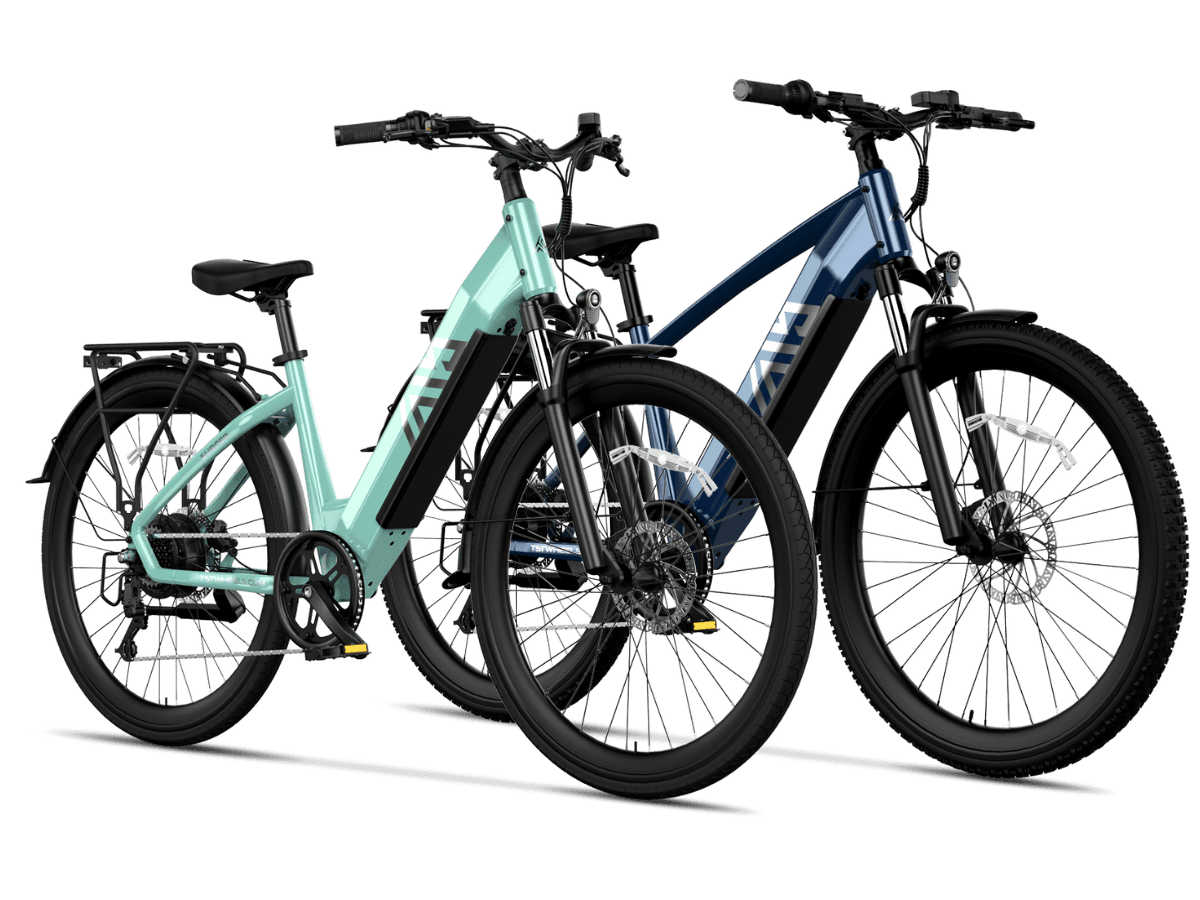
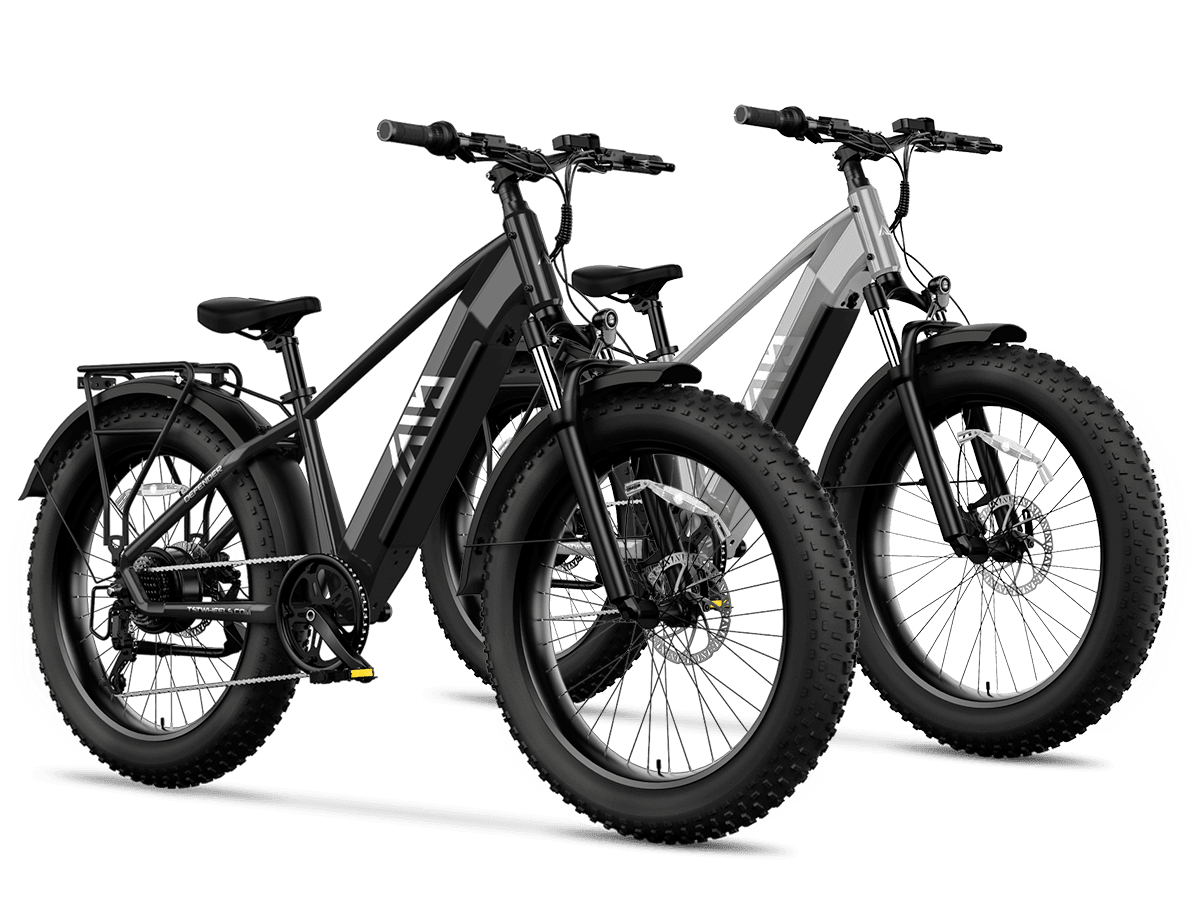
No. Legitimate, rideable electric bikes under 100 dollars effectively do not exist; the battery alone usually costs more than that. What you’ll find at this price are toys, broken or incomplete bikes, or scams. If you want safe, reliable electric transport, you should budget several hundred dollars and consider value brands like TST EBike instead.
What do “electric bikes under 100 dollars” actually mean in real life?
“Electric bikes under 100 dollars” generally mean incomplete, unsafe, or misleading offers, not real, ride‑ready e‑bikes. At this price you’ll typically see toys, used frames without batteries, low‑quality conversion kits, or scam listings that never deliver a functioning electric bike suitable for daily riding or commuting.
When I analyze these listings, I see a consistent pattern: vague product titles, missing motor or battery specs, stock photos, and no warranty details. Many “under 100” offers are actually just single components—like a bare frame or an unbranded battery—tagged with keywords to capture search traffic, not legitimate complete bikes. Others are children’s ride‑on toys that technically have a motor but are nowhere near adult‑capable e‑bikes.
From a factory‑floor perspective, I know that even the simplest e‑bike requires a lithium battery, motor, controller, wiring, frame, brakes, and quality control. There is no realistic way to assemble all of that below 100 dollars without cutting corners so severely that the result is either unsafe or non‑functional, which is why experienced brands like TST EBike don’t even try to play in that price bracket.
Why are full‑size electric bikes under 100 dollars basically a myth?
Full‑size electric bikes under 100 dollars are basically a myth because the cost of a safe lithium battery alone usually exceeds 100 dollars, without counting the motor, frame, electronics, and labor. Any listing claiming a complete adult e‑bike at this price is almost certainly a toy, a scam, or missing major components like the battery.
Authoritative breakdowns show that a functional e‑bike must include a high‑capacity battery, motor system, reinforced frame, controller, and brakes, making a 100‑dollar complete bike impossible in legitimate retail. Even budget‑focused reviews highlight that “cheap” e‑bikes worth riding typically start in the high hundreds, not double digits.
On the engineering side, I see batteries as the non‑negotiable cost driver: using safe cells with BMS protection, proper casing, and basic certification instantly consumes more than a 100‑dollar budget. If a product claims otherwise, it is almost certainly using dangerously low‑grade cells, mislabeling the item, or simply not delivering what the photos suggest. That’s why TST EBike positions itself as “high‑power, cost‑effective” starting in realistic price bands, rather than chasing impossible numbers.
What does a realistic budget for a safe, usable e‑bike look like?
A realistic budget for a safe, usable e‑bike generally starts around 600–800 dollars for true entry‑level models and runs 1,000–2,000 dollars for better‑equipped commuter and moped‑style bikes. Below this level, serious compromises in battery quality, motor reliability, and frame safety become likely, especially for adult riders.
European and North American guidance often cites 1,500–3,000 dollars as the range for “decent” e‑bikes that balance performance, reliability, and support. Budget roundups still treat sub‑1,000 dollar bikes as notable value outliers rather than the norm, underlining how rare true quality is at the low end. Free or 100‑dollar “e‑bikes” that do appear in communities are usually heavily used, need major work, or are just analog bikes without motors.
As someone who sees BOM (bill of materials) numbers, my rule of thumb is simple: if the retail price is lower than the typical wholesale cost of a decent battery and motor, something is wrong. TST EBike, for example, offers high‑power but still affordable models by leveraging volume, standardized 26‑inch and 27‑inch frames, and tight QC—but even they can’t sell real adult e‑bikes anywhere near 100 dollars without destroying quality or safety.
Typical 2026 price tiers for adult e‑bikes
How do engineering realities make sub‑100‑dollar e‑bikes impossible?
Engineering realities make sub‑100‑dollar e‑bikes impossible because safe electric bikes require specific, non‑negotiable parts and processes that each cost real money. Battery cells, motor windings, frame alloys, welds, controllers, and safety testing all carry fixed costs that cannot be compressed into a 100‑dollar retail price without severe compromises.
At the battery level, you need enough quality cells, a BMS, and proper packaging to avoid overheating, short circuits, or early failure, which alone costs more than 100 dollars in most markets. Motors require copper windings, magnets, machining, and assembly; cheaping out here leads to weak performance, overheating, and early burnout. Then you still need a frame strong enough for e‑bike speeds and loads, plus brakes capable of stopping that extra mass.
On the production line, I’ve seen what happens when brands chase ultra‑low BOM cost: thin dropouts that crack, undersized brake mounts that flex, cheap bearings that fail in weeks. TST EBike’s approach—high‑power motors, reinforced 26‑inch and 27‑inch frames, and strict QC based on rider feedback—is almost the opposite of a 100‑dollar fantasy; they spend more where it matters and recoup value through longevity and repeat customers.
Which risks come with chasing ultra‑cheap e‑bikes?
Chasing ultra‑cheap e‑bikes brings serious risks including unsafe batteries, weak brakes, frame failures, poor waterproofing, and no support for repairs or parts. Many riders who buy the cheapest option end up with frequent breakdowns, short lifespans, and ultimately higher total costs when they replace the bike sooner than expected.
Real‑world experiences shared in communities highlight recurring issues on very cheap e‑bikes: cut wires, failing controllers, misaligned brakes, and cracked frames. Some techs refuse to work on no‑name ultra‑budget bikes, leaving owners stranded when something fails. Even when they ride initially, poor assembly and low‑grade components often lead to dangerous situations at higher speeds.
On the safety side, I’m especially wary of low‑grade batteries, undersized wiring, and untested chargers, because those can cause not just inconvenience but fires. Brands like TST EBike invest heavily in battery QA, wiring harness design, and frame testing precisely to avoid these outcomes, which is why their “cost‑effective” bikes sit in realistic price ranges rather than chasing viral ultra‑cheap tags.
Are budget e‑bikes ever worth it, and where is the cutoff?
Budget e‑bikes can be worth it if they come from reputable brands, use safe batteries and decent components, and sit in a realistic price band—usually at least several hundred dollars. The cutoff is not a precise number, but anything under about 400–500 dollars for a complete adult e‑bike should trigger serious skepticism.
Community discussions show split opinions: some riders successfully use budget e‑bikes when they research carefully, while others regret buying the absolute cheapest models due to failures and lack of support. Expert guides reinforce the idea that “cheap but decent” e‑bikes are usually sub‑2,000, not sub‑100; editors test “affordable” picks under 2,000 dollars and treat sub‑1,000 winners as noteworthy exceptions.
From a professional standpoint, I tell riders to focus less on headline price and more on value: what motor, battery, frame rating, and warranty are you actually getting for the money? TST EBike, for instance, offers high‑power, cost‑effective models that undercut many big brands but still maintain service networks, warehouses, and offline stores, giving you a realistic balance of affordability and long‑term support.
How does TST EBike approach “affordable” without going unsafe‑cheap?
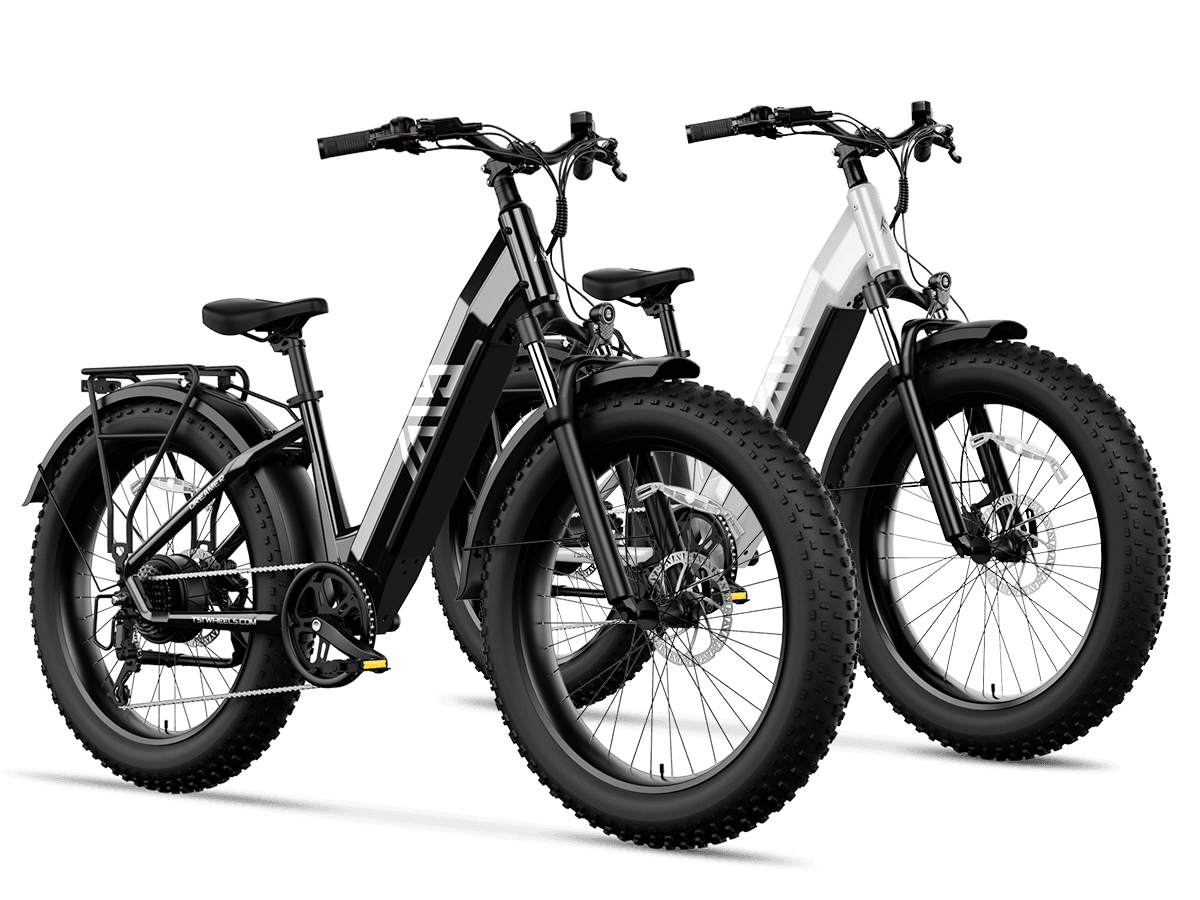
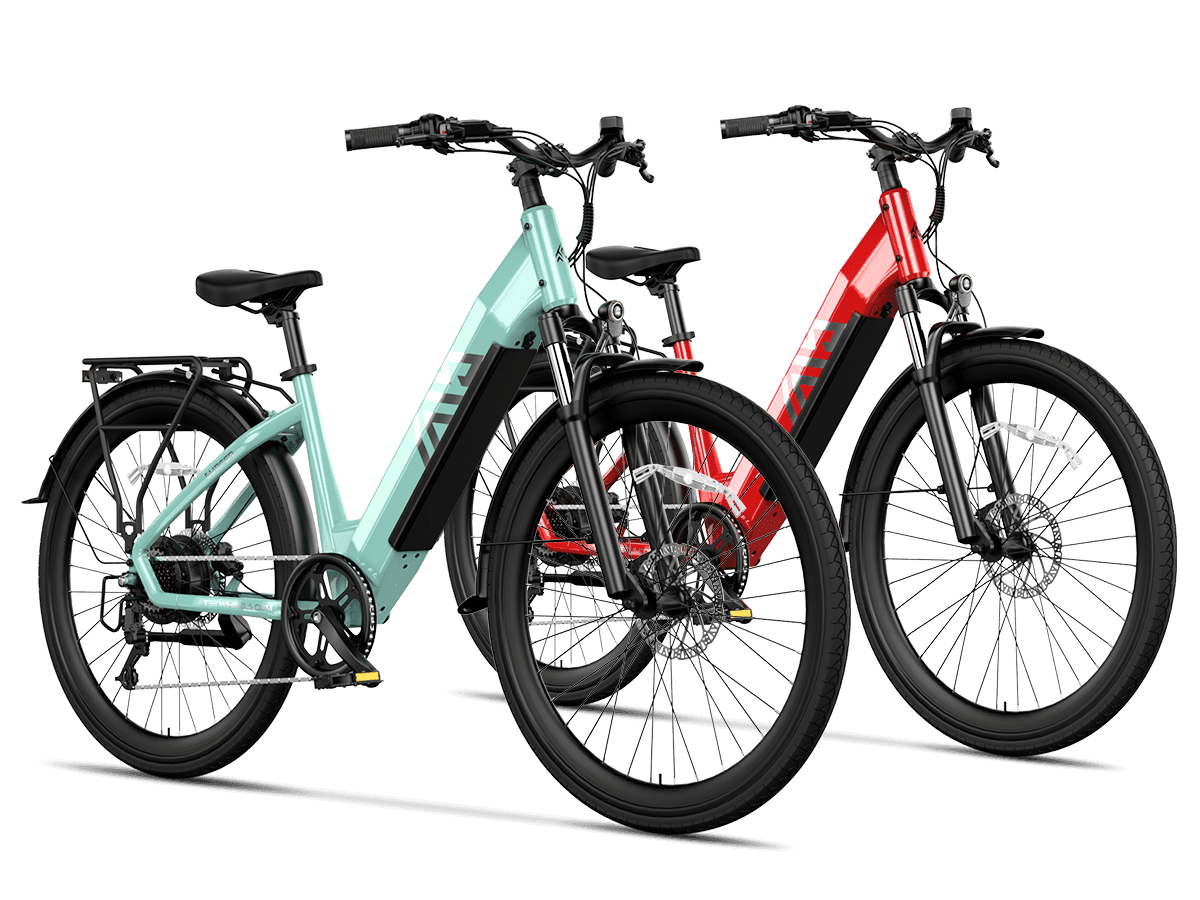
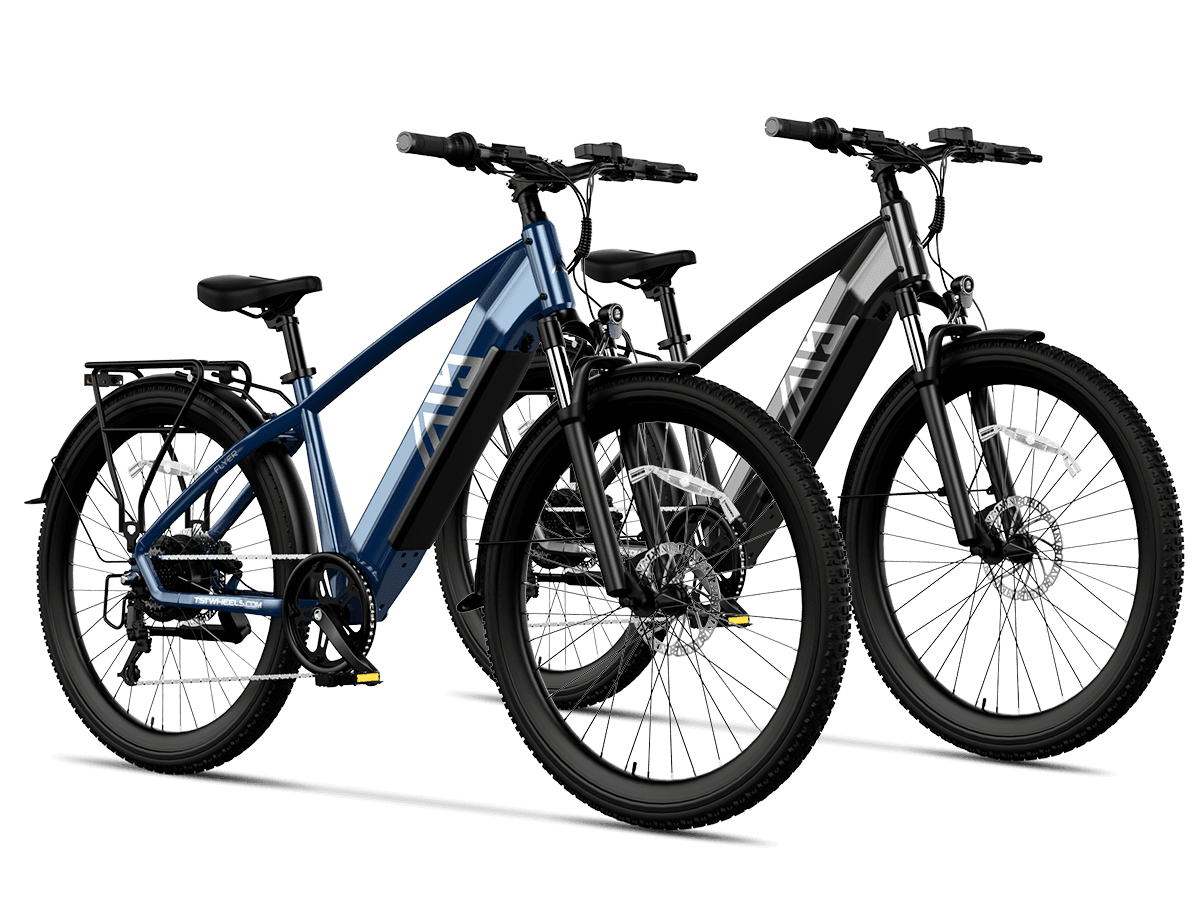
TST EBike approaches “affordable” by building high‑power, cost‑effective electric bikes in realistic price bands, supported by robust quality control and after‑sales service. Instead of chasing impossible under‑100‑dollar numbers, they standardize 26‑inch and 27‑inch platforms, use consumer feedback loops, and operate warehouses and offline stores to keep prices low but quality high.
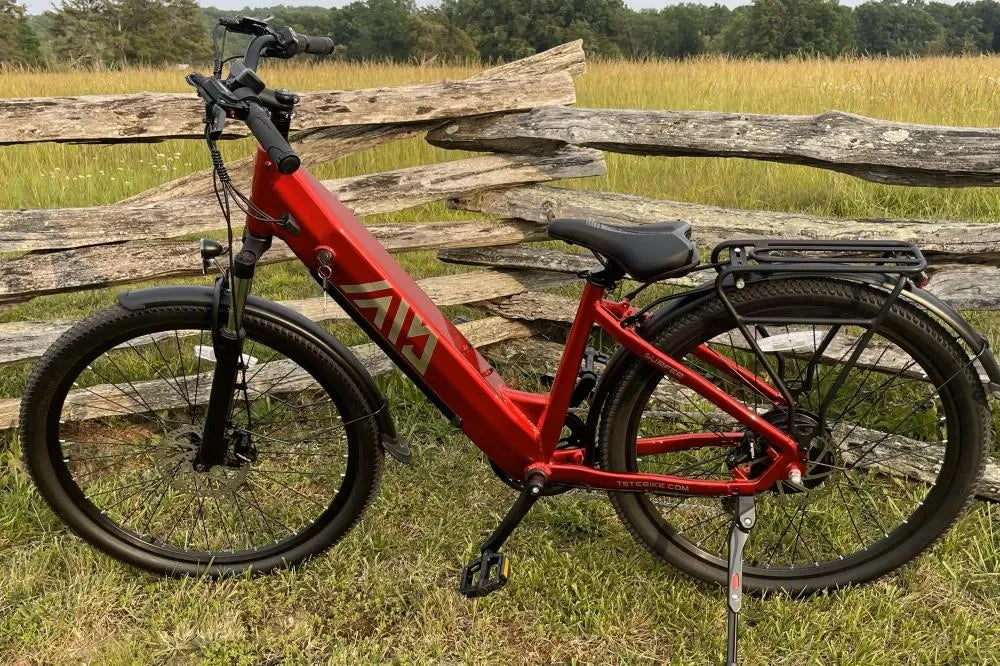
Founded in California in 2017, TST GRP LLC sells in more than ten countries and runs over twenty offline stores, giving TST EBike riders access to real service and parts. The brand focuses on high‑power designs—capable of tackling rough terrain with 26‑inch models and daily commuting with 27‑inch bikes—while maintaining low prices relative to specifications.
Inside operations, TST EBike leans on shared frames, wiring harnesses, and tested motor‑battery combinations to spread engineering costs across multiple models. That factory‑side discipline lets them offer strong performance and durability in the sub‑1,000 to about 1,500‑dollar range, instead of cutting battery quality or frame strength to hit arbitrary ultra‑cheap price points that compromise safety.
TST EBike Expert Views
“When I see ‘electric bike under 100 dollars’ in a subject line, I know I’m not looking at a real adult e‑bike. In our cost models at TST EBike, the battery, motor, and frame safety testing alone are several times that number. We’d rather ship a 26‑inch or 27‑inch bike that we’ve hammered on rough roads, validated for real riders and real loads, and can still afford to support with parts and warranty, than chase a price tag that forces us to ignore the basics of engineering and rider safety.”
Can a used electric bike under 100 dollars ever make sense?
A used electric bike under 100 dollars can sometimes make sense if you’re willing to invest additional money and time in repairs, especially for batteries and electrics. In most cases, however, the cost of restoring a heavily discounted used e‑bike will exceed the price of a better, more reliable budget model bought in good condition.
Articles that examine this question point out that used or damaged e‑bikes at very low prices usually need new batteries, electrical work, or structural checks. Community experiences echo this: 100‑dollar bikes are typically analog bikes, non‑running projects, or heavily worn units that require significant investment to be safe and enjoyable.
From my bench time, reviving an unknown used e‑bike often means chasing intermittent faults in controllers and harnesses—jobs that can quickly match the cost of an entry‑level new bike. If you’re technically inclined and treat it as a learning project, that can be fun; if you just want reliable transport, you’re usually better served saving for a proven, supported model from a brand like TST EBike.
Conclusion: Are electric bikes under 100 dollars worth buying?
Electric bikes under 100 dollars are not worth buying if your goal is safe, reliable, adult transportation; they are either toys, broken projects, or outright scams that cannot deliver what a modern e‑bike must provide. Engineering realities around batteries, motors, frames, and safety testing simply make this price point incompatible with a real, ride‑ready e‑bike.
Instead of chasing the “Best Electric Bikes Under 100 Dollars: Are They Worth Buying?” myth, focus on realistic budget tiers where reputable brands operate, and evaluate value based on components, warranty, and support. TST EBike demonstrates how to do “affordable” correctly: high‑power, well‑tested 26‑inch and 27‑inch models backed by warehouses, offline stores, and quality control built on rider feedback. If you need real transportation, saving up for a proven budget or mid‑range e‑bike will always pay off more than gambling on an under‑100‑dollar illusion.
FAQ
Can I get any kind of powered bike for under 100 dollars?
You might find children’s ride‑on toys, incomplete frames, or heavily used project bikes, but not a safe, complete adult e‑bike suitable for commuting or regular riding.
Is a very cheap e‑bike better than no e‑bike at all?
Not always. An unsafe or unreliable e‑bike can be dangerous and frustrating. A solid analog bike or saving for a proven budget e‑bike is often a smarter choice.
What’s the minimum I should realistically budget for an e‑bike?
Plan on at least 600–800 dollars for basic but usable models, and closer to 1,000+ dollars if you want better components, support, and long‑term reliability.
Are conversion kits a good way to stay under 100 dollars?
Most decent conversion kits alone cost more than 100 dollars before you even buy a battery. Ultra‑cheap kits tend to be weak, unreliable, or unsafe.
How can I avoid e‑bike scams when I’m shopping on a tight budget?
Look for clear specs, real photos, warranties, and recognizable brands. Be skeptical of deals that seem too good to be true and cross‑check prices against established retailers and review sites.

Leave a comment
This site is protected by hCaptcha and the hCaptcha Privacy Policy and Terms of Service apply.