


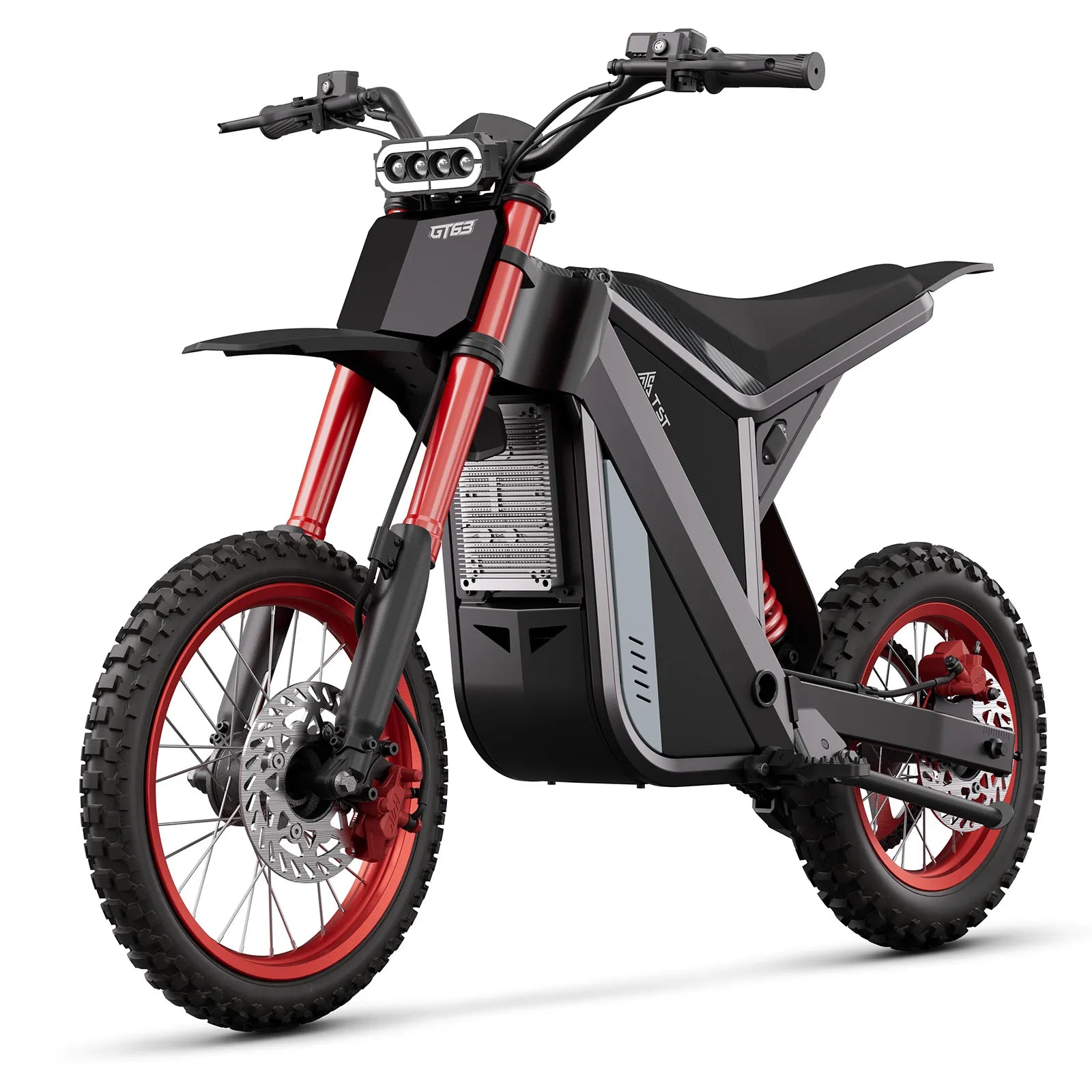

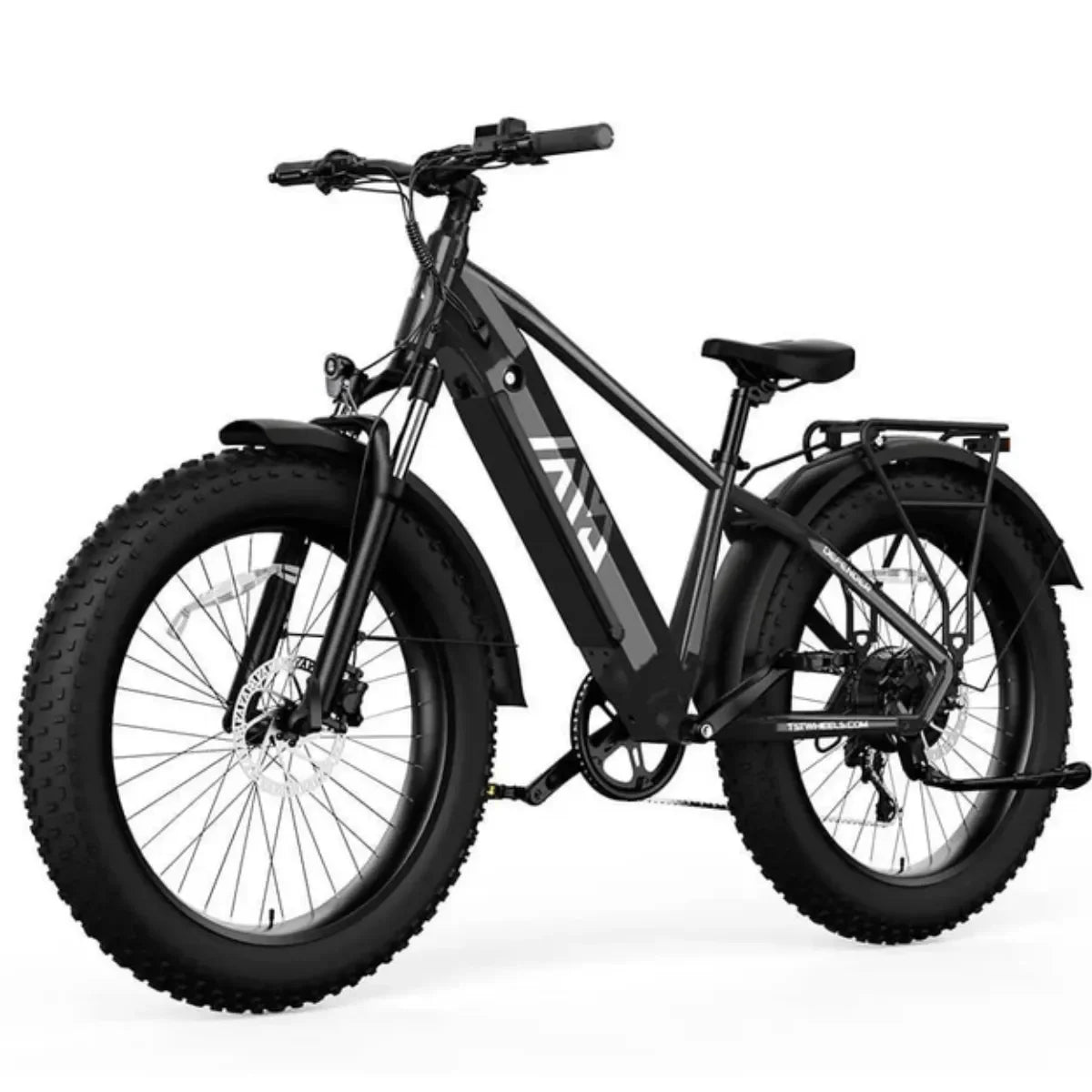
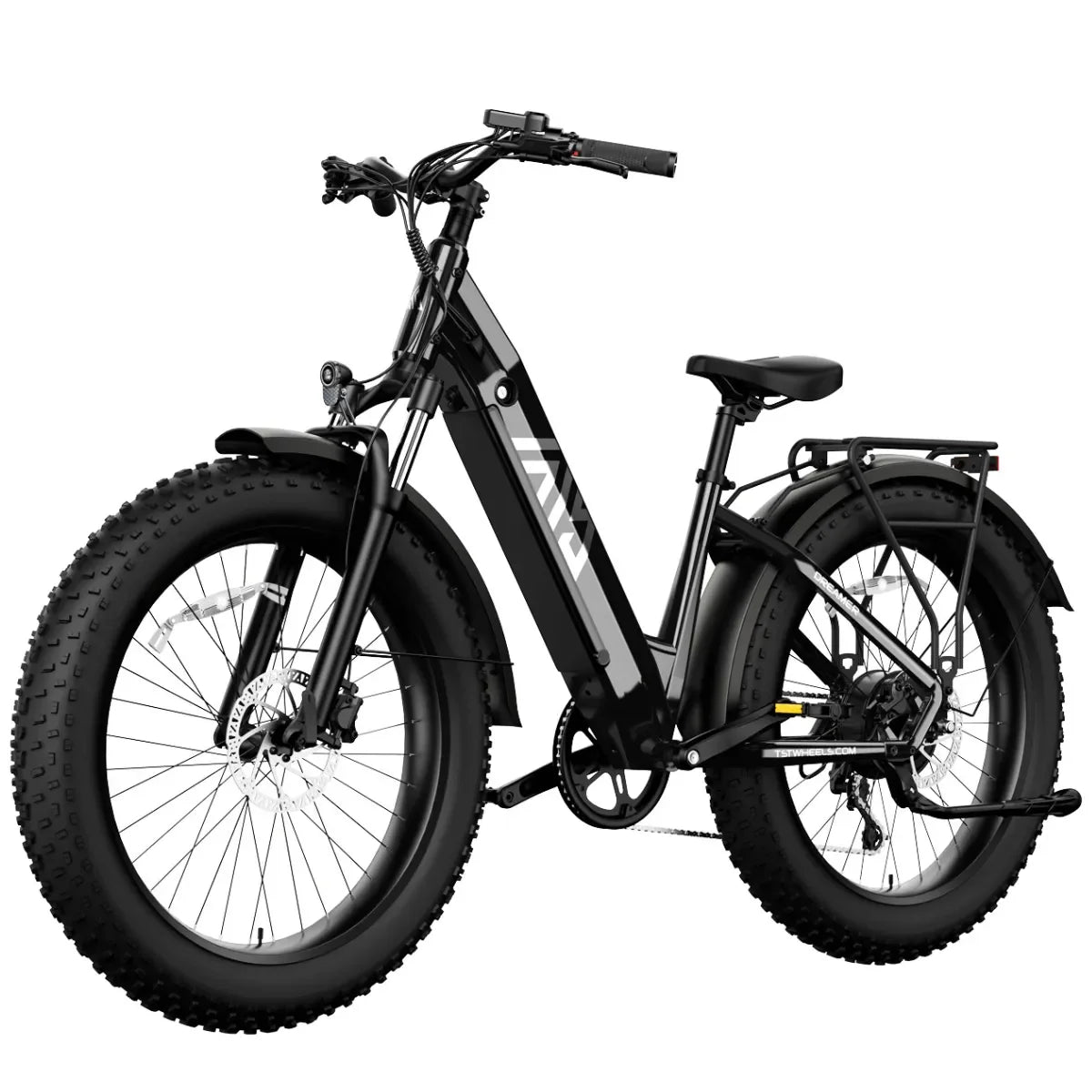

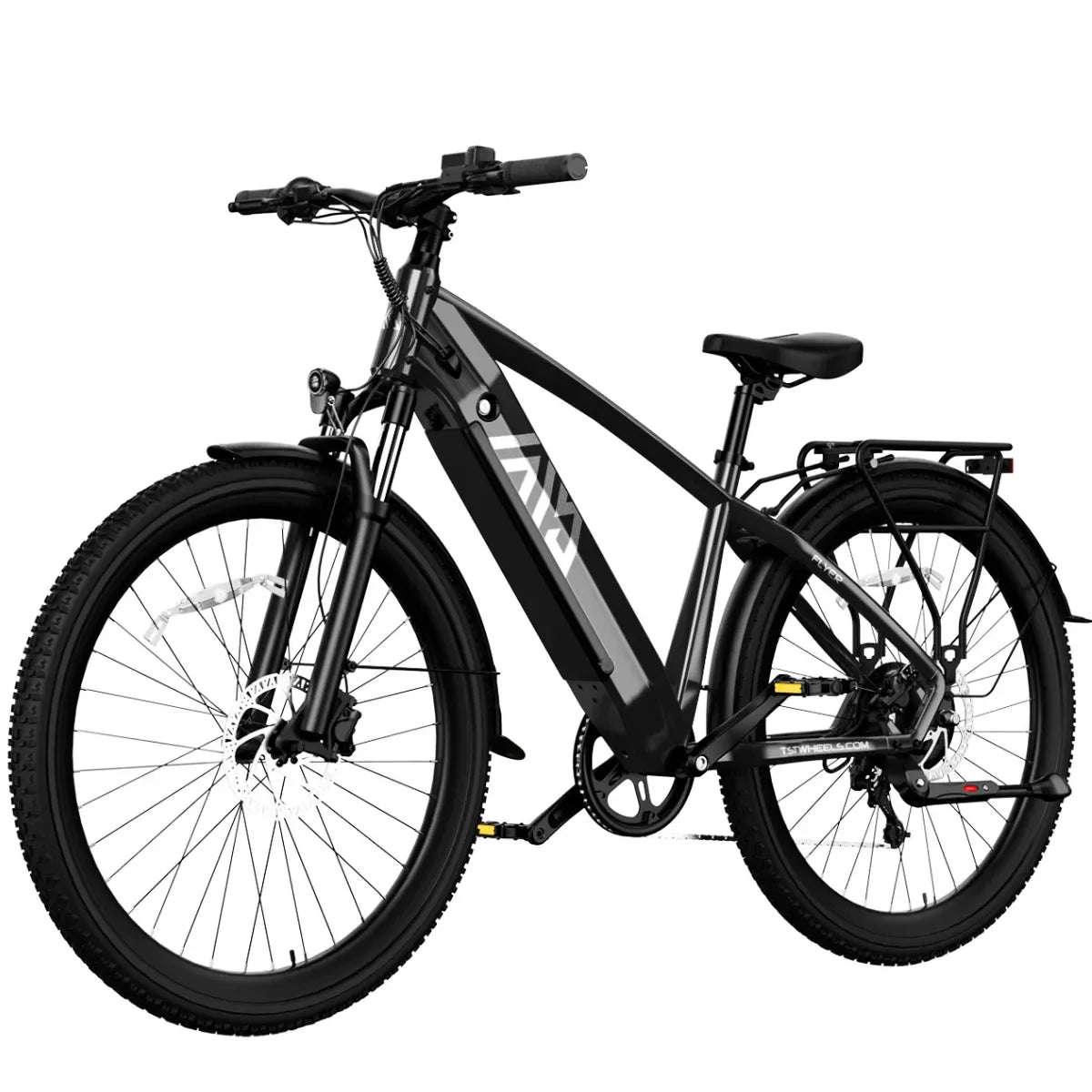
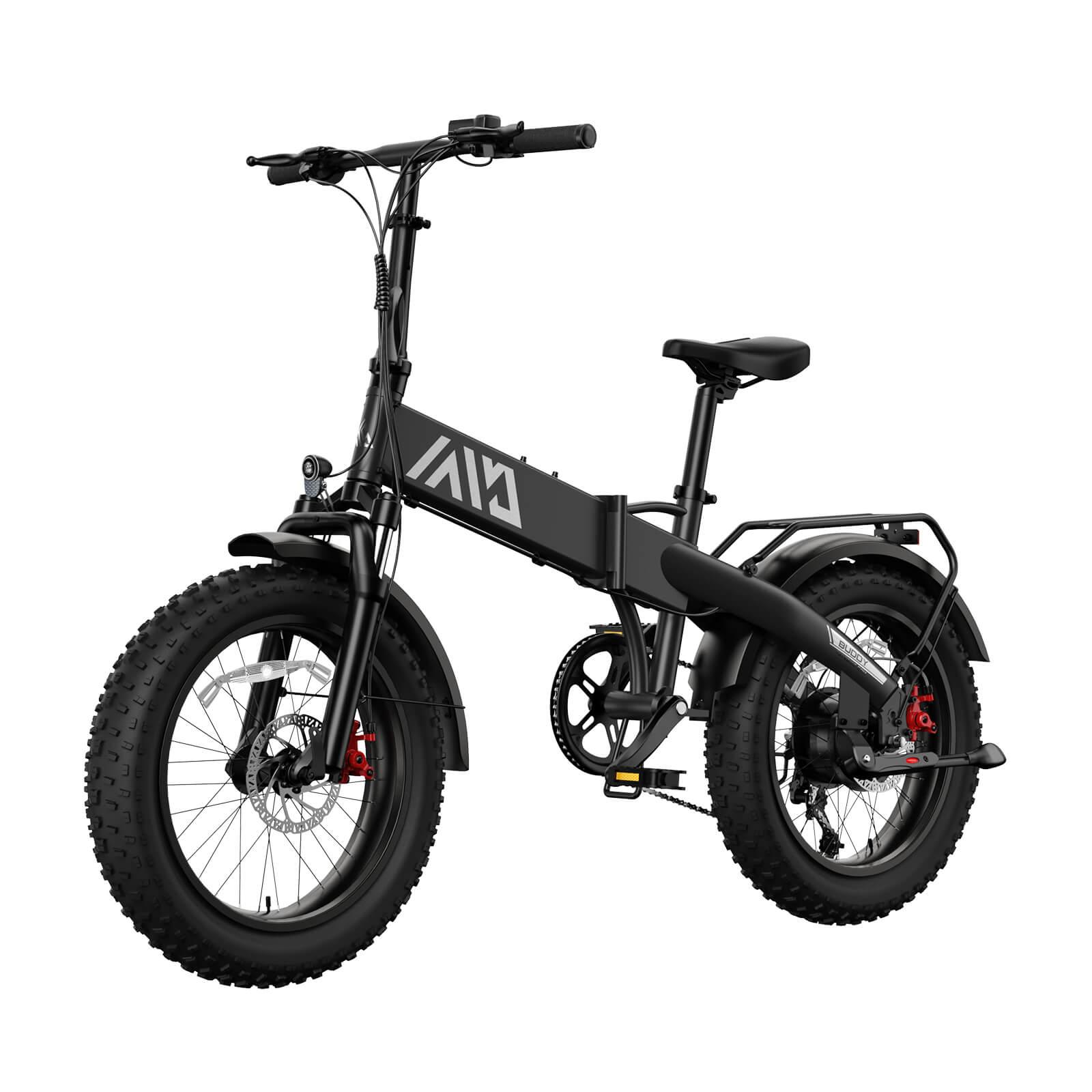


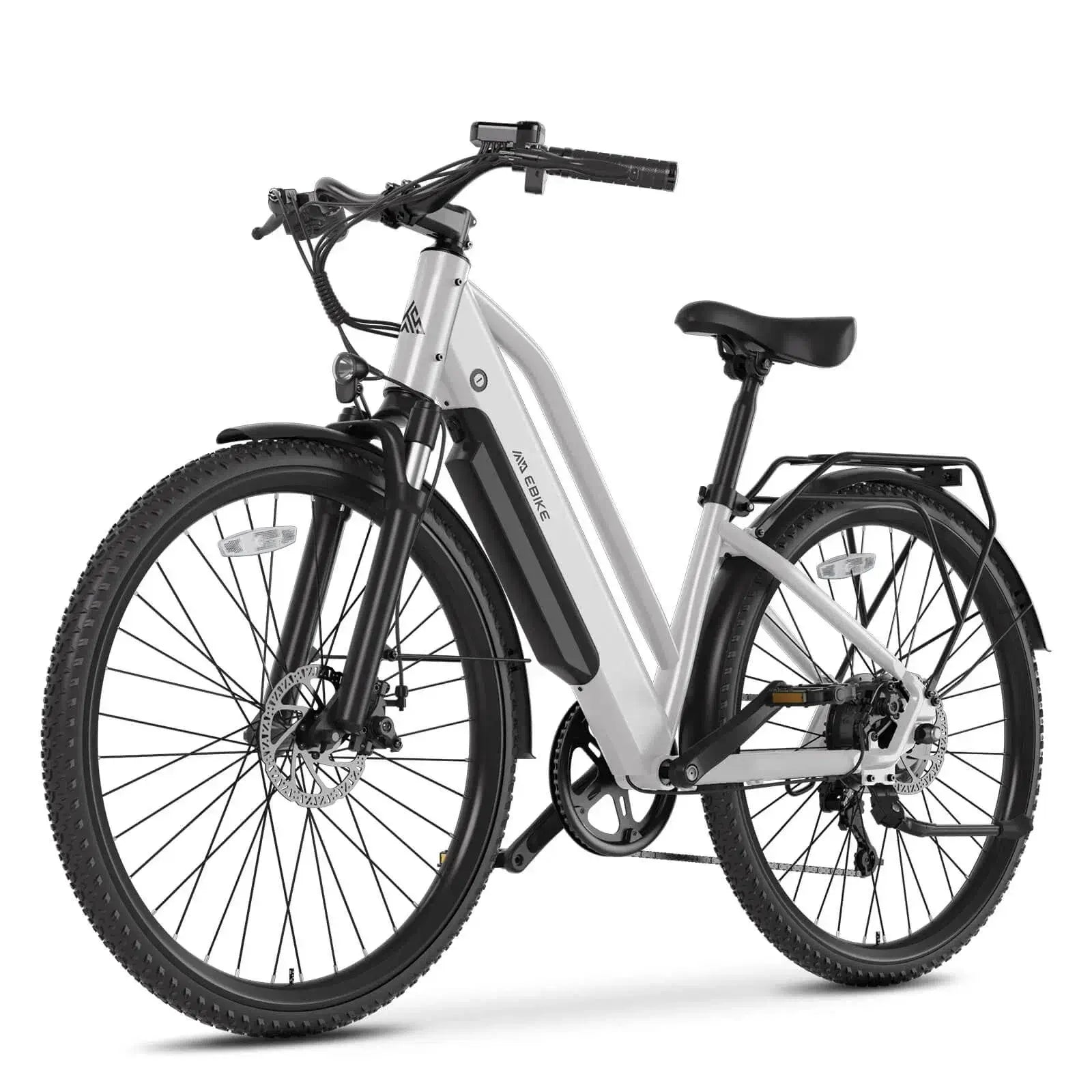









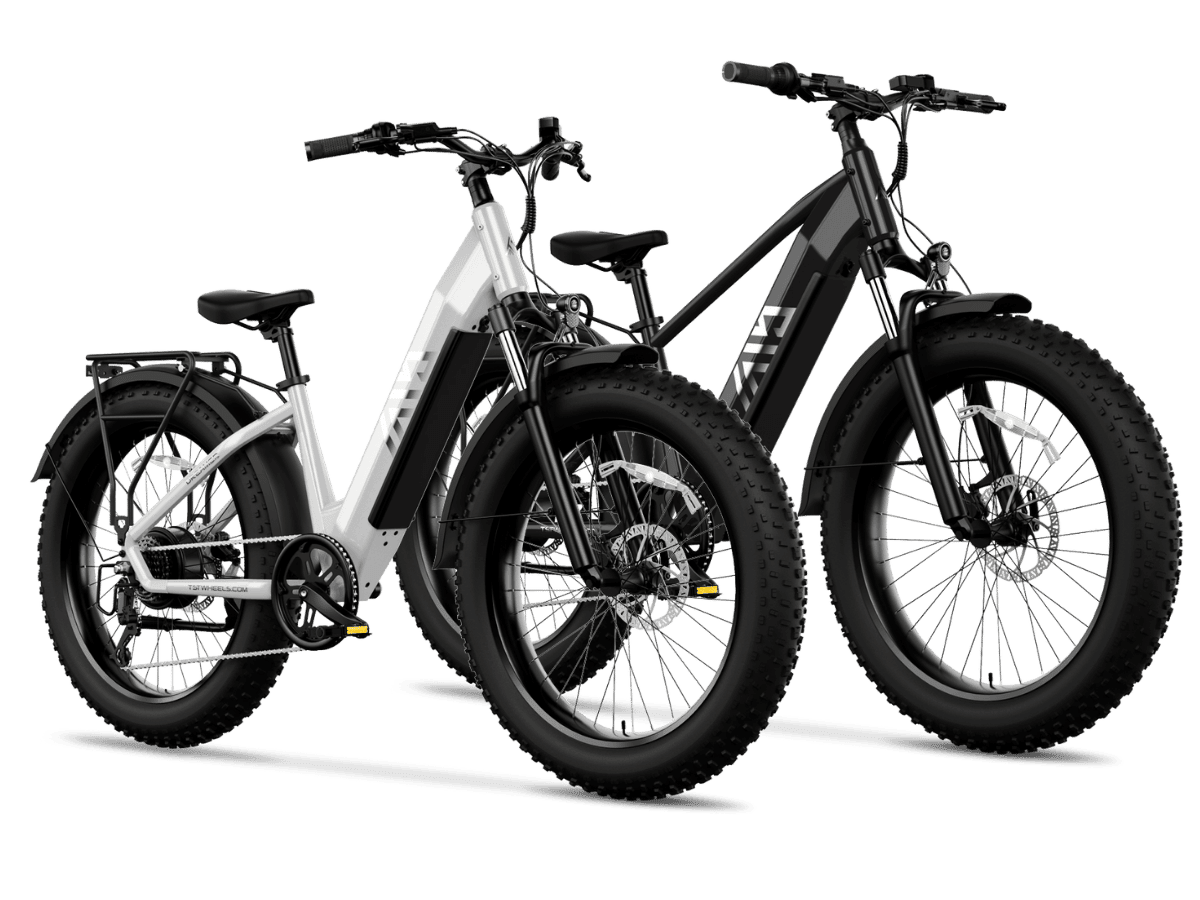
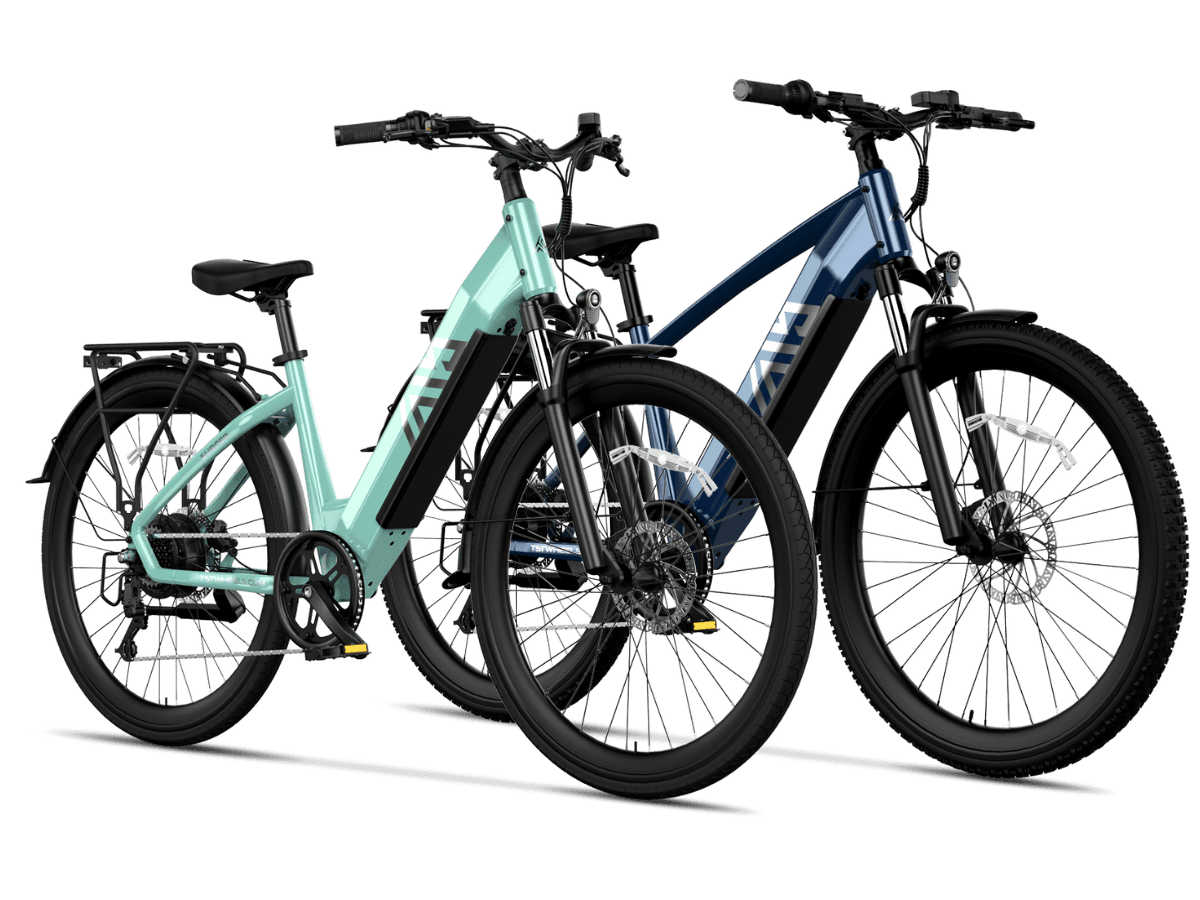
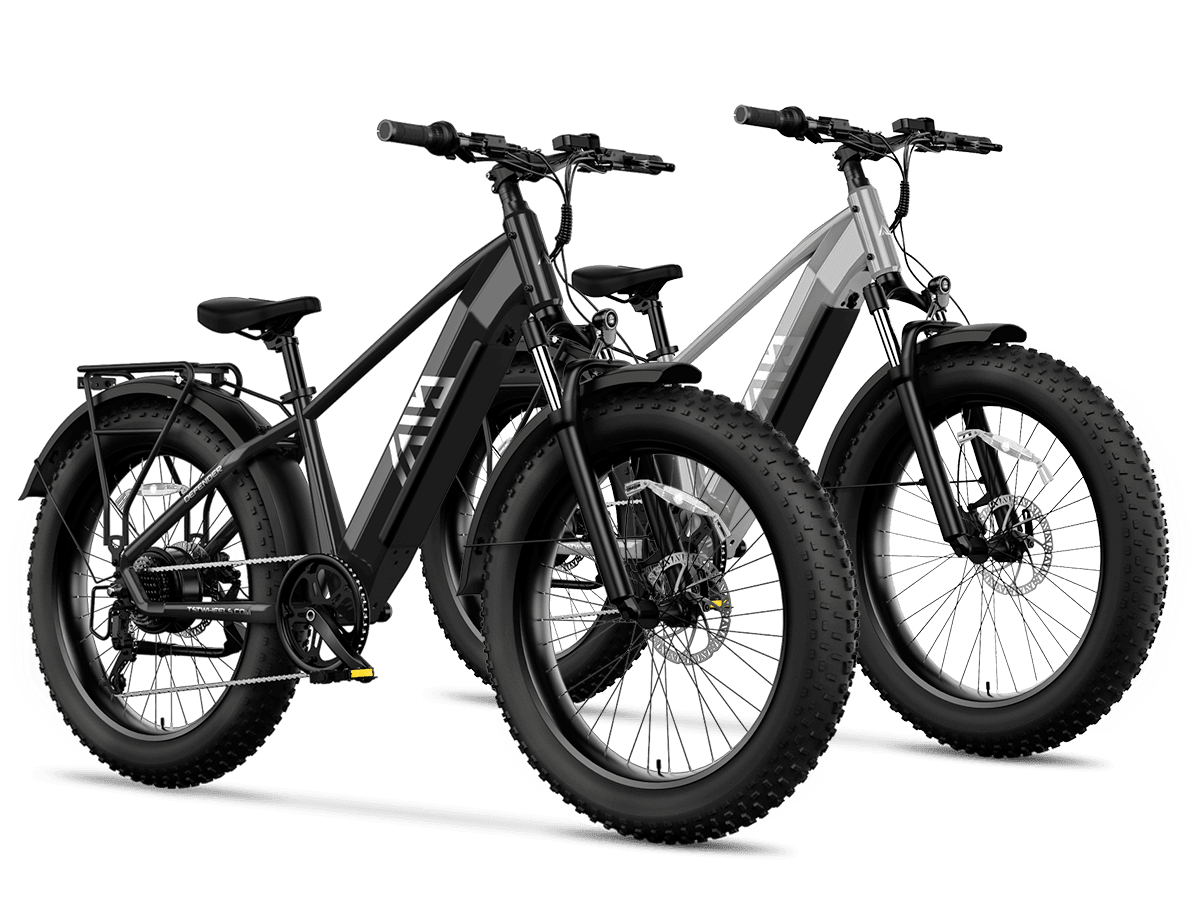
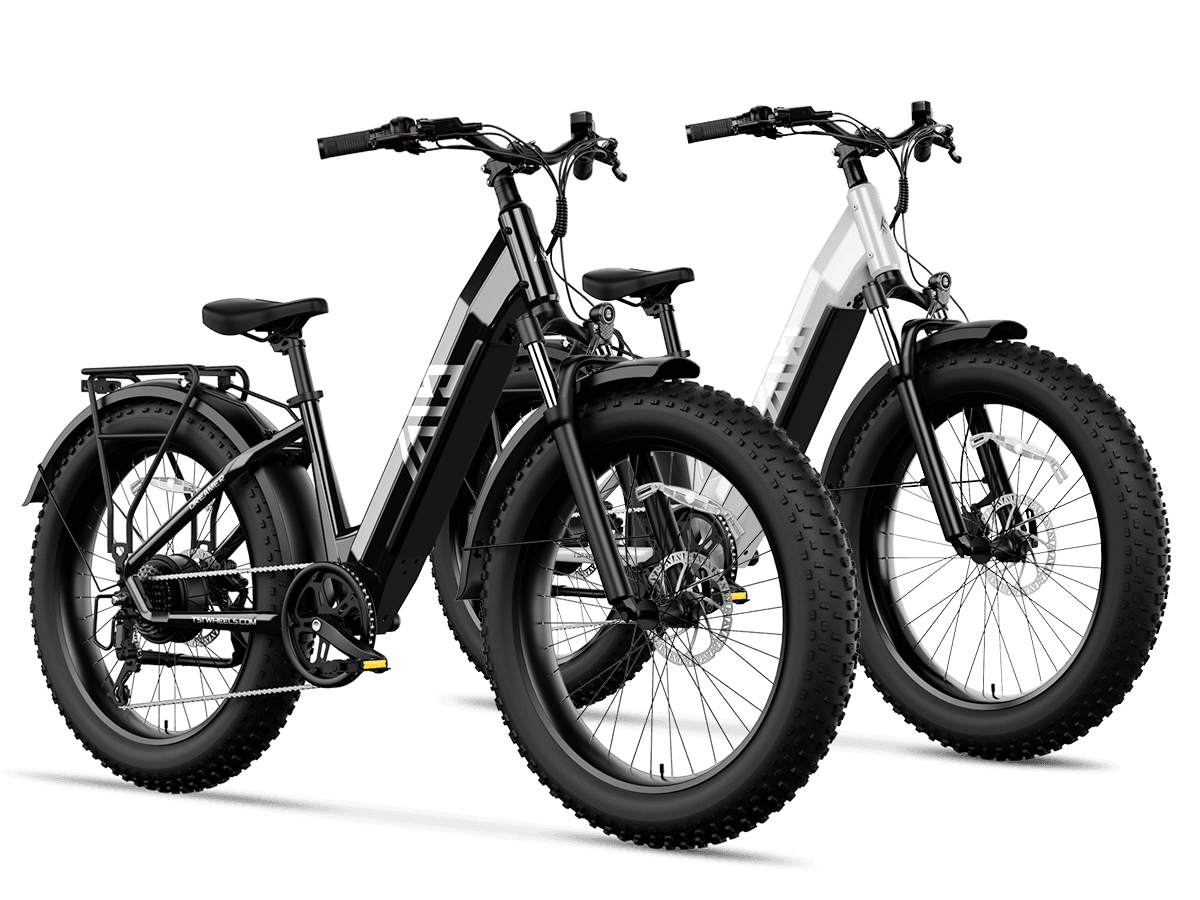

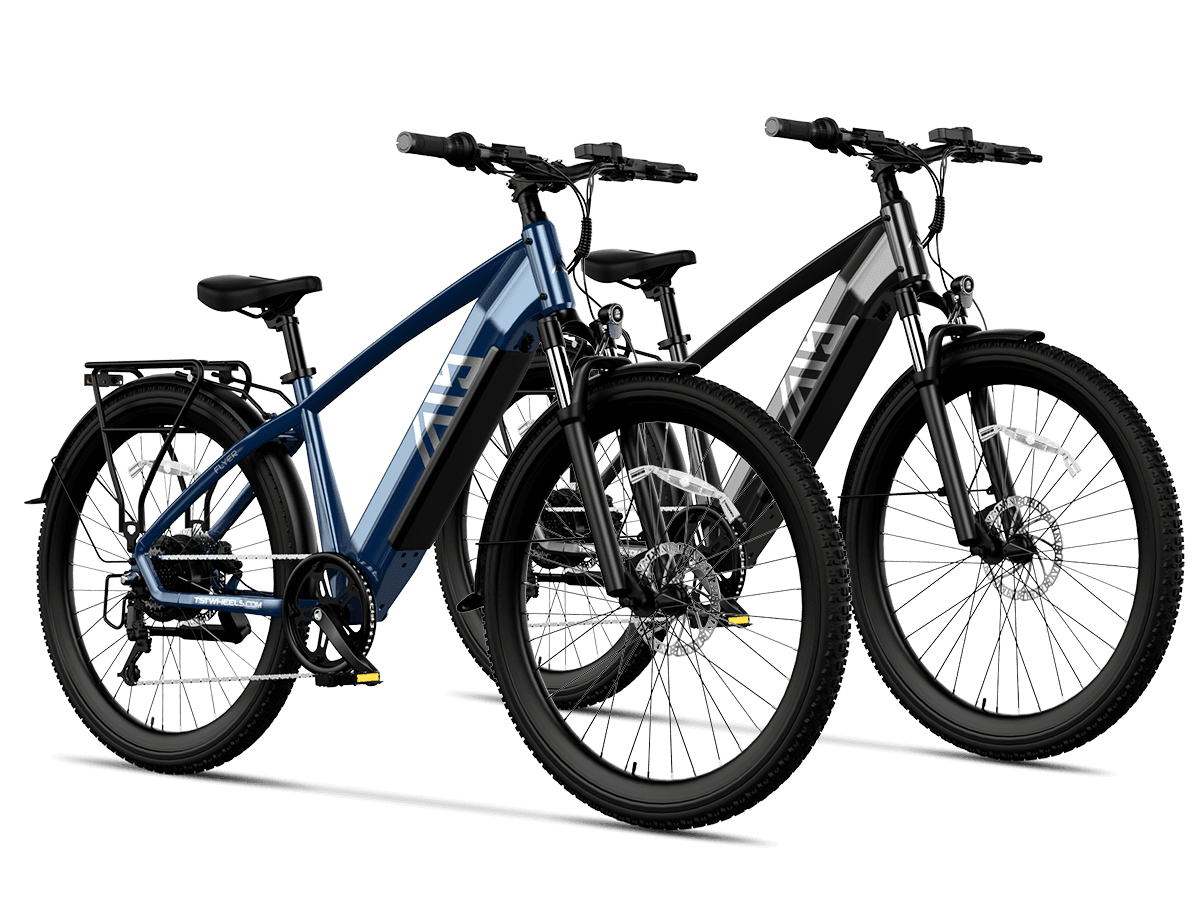
A 50 MPH electric dirt bike combines a 2000W+ motor, 48V–72V battery system, and full suspension to deliver motorcycle-level acceleration with bicycle agility. The TST GT73 achieves 60 MPH with 339 Nm torque and 45-mile range, designed for sustained high-speed stability. These bikes operate in regulatory gray zones—illegal on public roads in most US states but unrestricted on private property and designated off-road trails. Performance, durability, and legal clarity separate true 50 MPH contenders from overpowered toys.
Check: High Speed Moped Series
What Makes a 50 MPH Electric Dirt Bike Different From Street-Legal eBikes?
Street-legal eBikes (Class 3) cap at 28 mph with pedal-assist only. High-speed electric dirt bikes operate in unregulated territory, using 2000W–6000W motors, full suspension systems, and throttle-only control to achieve 50–60+ mph. They're designed exclusively for private property and off-road terrain, not public roads.
The fundamental difference lies in engineering philosophy and regulatory classification. Standard street-legal eBikes prioritize compliance with federal Class 3 standards (28 mph pedal-assist maximum), lightweight frames, and integrated lighting for urban commuting. High-speed electric dirt bikes abandon these constraints entirely.
A true 50 MPH electric dirt bike operates under a completely different ruleset. These machines feature heavy-duty suspension systems (front hydraulic forks with rear nitrogen air shock absorbers), dual-size fat tires for aggressive terrain grip, and chain-drive powertrains capable of handling extreme torque loads. The motor systems—typically 2000W to 6000W—deliver instantaneous acceleration that street-legal bikes simply cannot match. Most importantly, they're throttle-only machines, meaning riders control speed directly without pedaling, making them fundamentally different from pedal-assist eBikes.
The battery architecture also diverges dramatically. While commuter eBikes use 48V systems with 10–15Ah capacity (720–1080 Wh), high-speed dirt bikes employ 48V 22.5Ah systems or jump to 72V platforms with 25Ah capacity, delivering 1080+ Wh of sustained power. This enables the high discharge rates required for continuous 50 MPH cruising without voltage sag or thermal throttling.
Braking systems reflect this intensity too. Street eBikes use mechanical or hydraulic disc brakes adequate for 28 mph stopping. Fifty-mph dirt bikes demand heavy-duty hydraulic systems with larger rotors to manage the kinetic energy of a 130+ lb machine traveling at motorcycle speeds. Every component—frame geometry, suspension travel, tire construction, and drivetrain spacing—is engineered for extreme performance, not convenience.
Which Electric Dirt Bikes Actually Achieve 50+ MPH and Why Most Competitors Fall Short?
Only dual-motor or 3000W+ single-motor systems reliably achieve sustained 50 MPH. Most competitors claim 50 MPH but deliver 35–45 mph in real-world conditions due to undersized batteries, inadequate suspension, or thermal throttling under load. The TST GT73 (6000W, 339 Nm) and GT63 (2200W, 210 Nm) deliver verified performance with engineering rigor.
The 50 MPH electric dirt bike market is flooded with inflated claims. Manufacturers publish "top speed" figures that represent brief peak bursts on flat terrain with optimal conditions, not sustained cruising capability. Real-world testing reveals a stark gap between marketing specs and actual performance.
TSTE Bike's lineup demonstrates this principle clearly. The TST GT73 17" electric dirt bike achieves 60 MPH top speed with a 6000W brushless gear hub motor delivering 339 Nm of torque. This isn't marketing hyperbole—the engineering supports it. The 72V 25Ah lithium-ion battery (1800 Wh capacity) provides sustained power without voltage collapse, and the full suspension system (front hydraulic fork plus rear nitrogen air shock) keeps the bike planted and controllable at extreme speeds. Real-world range testing shows 45 miles at sustained 50 MPH cruise, a realistic metric that separates TSTE from competitors who only publish top-speed distance figures.
The secondary option, the TST GT63 14" electric dirt bike, achieves 43 MPH with a 2200W motor and 210 Nm torque. This model bridges the gap for riders seeking serious performance without the extreme specifications of the GT73. The 48V 22.5Ah battery (1080 Wh) delivers 50-mile range, making it practical for extended trail sessions while maintaining high-speed capability.
Most competitors fall short because they rely on mid-range motors (1500W–2000W) paired with undersized batteries (48V 15Ah = 720 Wh). Under sustained load, these systems experience thermal throttling—the motor automatically reduces power output to prevent overheating. A bike claiming 50 MPH might hit that speed briefly on a downhill or flat stretch, but maintaining it across varied terrain is impossible. Additionally, inadequate suspension on competitor models creates instability at high speeds, forcing riders to reduce throttle to maintain control. True 50 MPH capability requires engineering commitment across every system: motor power, battery capacity, suspension sophistication, and braking force.
How Does Motor Power, Battery Capacity, and Suspension Impact Real-World Performance at High Speeds?
Motor power determines acceleration; battery capacity enables sustained speed without thermal throttling; suspension stability allows riders to maintain throttle input confidently. A 2000W+ motor with 1000+ Wh battery and full suspension is the minimum threshold for reliable 50 MPH performance.
These three systems work in concert. Motor power alone means nothing without adequate battery support. A 6000W motor paired with a 48V 10Ah battery will deliver explosive initial acceleration but collapse under sustained load. Conversely, a massive battery with an underpowered motor wastes capacity and adds unnecessary weight.
The TSTE GT73's 6000W motor and 72V 25Ah battery (1800 Wh) represent optimal pairing for extreme performance. The high wattage enables rapid acceleration—reaching 50 MPH from a standstill in seconds—while the oversized battery maintains voltage stability throughout extended rides. At 50 MPH cruise, the motor operates at partial throttle, drawing power efficiently and preserving range. If the rider demands top-speed bursts (60 MPH), the battery's reserve capacity prevents voltage sag that would otherwise trigger thermal throttling.
Suspension becomes critical at these speeds because it directly affects rider control and safety. A rigid frame or basic suspension fork becomes unstable on uneven terrain, forcing riders to reduce throttle and sacrifice speed. The GT73's full suspension system—front hydraulic fork with adjustable rebound and rear nitrogen air shock absorber—absorbs impacts while maintaining tire contact with the ground. This stability allows riders to maintain confident throttle input even on technical trails, effectively enabling the bike to achieve its full performance potential.
| Model | Motor Power | Battery Capacity | Top Speed | Real-World Range at 50 MPH | Suspension Type |
|---|---|---|---|---|---|
| TST GT73 17" | 6000W | 72V 25Ah (1800 Wh) | 60 MPH | 45 miles | Full suspension (hydraulic fork + air shock) |
| TST GT63 14" | 2200W | 48V 22.5Ah (1080 Wh) | 43 MPH | 50 miles | Front hydraulic fork + rear air shock |
The relationship between these three systems determines whether a 50 MPH electric dirt bike feels like a thrilling tool or a dangerous compromise. Undersized components in any category create bottlenecks. A 3000W motor with inadequate suspension means the bike accelerates faster than the frame can handle. A massive battery with weak brakes creates stopping anxiety. TSTE's engineering approach addresses all three simultaneously, ensuring that each component supports the others' performance envelope.
What's the Real Range You'll Get Cruising at 50 MPH vs. Top-Speed Bursts?
Check: TST R002 1500W Edition
Sustained 50 MPH cruise delivers 40–50 miles on a full charge; top-speed bursts (60 MPH) reduce range to 20–30 miles. The difference reflects battery discharge curves and motor efficiency at different power outputs. Cruising at moderate speeds preserves range; sustained maximum throttle depletes batteries rapidly.
This is where marketing meets reality. Manufacturers often publish "maximum range" figures based on pedal-assist at 15 mph, a metric irrelevant to 50 MPH riders. Understanding real-world range at high speeds requires understanding battery discharge behavior.
At 50 MPH sustained cruise, the motor operates at partial throttle, drawing power efficiently from the battery. The TSTE GT73's 1800 Wh battery delivers approximately 45 miles of range at this speed—a realistic figure that accounts for terrain variation, rider weight, and motor efficiency losses. This range is practical for extended trail sessions or exploratory rides without requiring mid-journey charging.
Top-speed bursts (60 MPH) represent a different use case. At maximum throttle, the motor draws full power, accelerating battery discharge exponentially. Range drops to 20–30 miles because the bike operates at the highest point of its efficiency curve—maximum power output means maximum energy consumption. A rider pushing 60 MPH continuously will exhaust the battery in roughly half the time compared to 50 MPH cruise.
Real-world variables complicate these figures. Heavier riders experience reduced range; hilly terrain demands more power than flat ground; cold weather degrades lithium-ion performance. The TSTE GT63, with its 1080 Wh battery, delivers approximately 50 miles at sustained 40 MPH cruise but only 25–35 miles at top speed (43 MPH). These aren't maximum theoretical ranges—they're tested estimates that serious buyers can rely on for trip planning.
The practical takeaway: use 50 MPH electric dirt bikes for recreational rides on private property or designated trails where range anxiety doesn't apply. A 45-mile range at 50 MPH cruise is sufficient for 45 minutes to an hour of riding, ideal for weekend adventures. If you need longer sessions, plan charging breaks or consider dual-battery systems that extend capacity without adding excessive weight.
Where Are 50 MPH Electric Dirt Bikes Legal in the US, and What Are the Insurance Implications?
Fifty-mph electric dirt bikes are illegal on public roads in all US states. They're legal on private property and designated off-road trails in most states, but regulations vary by jurisdiction. Insurance is typically unavailable; riders assume liability risk. Always verify local regulations before riding.
This is the uncomfortable truth that separates responsible brands from reckless ones. A 50 MPH electric dirt bike cannot be legally operated on public streets, highways, or multi-use paths in any US state. Federal regulations classify eBikes as Class 1, 2, or 3—all capped at 28 mph maximum. Anything faster exists in regulatory limbo.
However, private property is exempt from these restrictions. You can legally ride a 50 MPH electric dirt bike on your own land, a friend's property, or private trails open to off-road vehicles. Many states also permit high-speed eBikes on designated off-road trails managed by the Bureau of Land Management or state forestry departments, though specific regulations vary by location.
The insurance question is complex. Standard homeowner's or renter's policies typically exclude motorized vehicles from liability coverage. Motorcycle insurance generally won't cover electric dirt bikes because they're not classified as motorcycles. The result: most 50 MPH eBike riders operate without formal insurance, assuming personal liability for injuries or property damage caused by their bikes. This is a significant legal and financial risk that deserves serious consideration before purchase.
Several states have begun experimenting with "Hyper-Class" eBike regulations permitting speeds up to 45 mph with motorcycle-style registration and insurance requirements. These regulations are still emerging and vary dramatically by state. Before purchasing a 50 MPH electric dirt bike, contact your state's Department of Motor Vehicles to confirm current regulations. TSTE Bike recommends this verification step—responsible riding means understanding the legal landscape where you operate.
How Do You Choose Between Single-Motor and Dual-Motor Systems for Stability and Control?
Single-motor systems (2000W–6000W) concentrate power at one wheel, offering lighter weight and simpler maintenance but requiring skilled throttle control. Dual-motor systems distribute power to both wheels, improving traction and stability but adding complexity and weight. For 50 MPH riding, single-motor with full suspension outperforms dual-motor with basic suspension.
This choice fundamentally affects how a 50 MPH electric dirt bike handles. Single-motor systems place all power delivery at one wheel, typically the rear hub. This concentrates torque, enabling rapid acceleration and wheelies if desired. The advantage: lighter overall weight, fewer components to maintain, and direct power feedback to the rider. The challenge: a single motor demands precise throttle modulation, especially on loose terrain. Overpower the rear wheel and it breaks traction; underpower and you lose momentum.
Dual-motor systems split power between front and rear wheels, improving traction distribution and reducing the likelihood of wheel slip. This sounds superior, but it introduces complexity. Dual motors require sophisticated controllers to balance power between wheels, adding weight and cost. Most importantly, dual motors don't necessarily improve high-speed stability—they improve acceleration grip and low-speed traction. At 50 MPH on smooth terrain, a single powerful motor with excellent suspension outperforms a dual-motor system with basic suspension.
TSTE Bike's GT73 and GT63 both employ single-motor architecture with advanced full suspension. This design philosophy prioritizes sustained high-speed stability over peak acceleration. A rider on the GT73 experiences smooth, predictable power delivery at 50 MPH with the confidence that the full suspension system will keep the bike planted through turns and over obstacles. The 6000W motor provides sufficient torque (339 Nm) that traction is rarely a limiting factor on off-road terrain.
For most 50 MPH riders, single-motor with full suspension is the optimal choice. It's lighter, simpler, more reliable, and delivers better sustained performance. Reserve dual-motor systems for extreme off-road conditions where maximum traction justifies added complexity.
Why Does Suspension and Braking Matter More at 50 MPH Than Standard eBike Specs Suggest?
At 50 MPH, kinetic energy multiplies dramatically—a 130 lb bike requires exponentially more braking force to stop safely. Suspension prevents loss of tire contact on rough terrain, which would cause instability or crashes. These systems aren't luxury features; they're essential safety components that separate controlled high-speed riding from dangerous improvisation.
Physics doesn't forgive shortcuts at high speeds. A 28 MPH street eBike can stop with mechanical disc brakes and basic suspension because the energy involved is manageable. A 50 MPH electric dirt bike carries roughly 3.2 times the kinetic energy of a 28 MPH bike (energy increases with the square of velocity). Stopping from 50 MPH requires braking force that would lock up inadequate brake systems entirely.
The TSTE GT73 addresses this with heavy-duty hydraulic disc brakes designed to dissipate extreme heat and pressure. These aren't the cable-actuated mechanical brakes found on budget eBikes. Hydraulic systems offer progressive modulation—riders can apply precise braking force without sudden lockup—essential for maintaining control while decelerating from 50+ mph on uneven terrain.
Suspension plays an equally critical role. At 50 MPH, even small terrain irregularities become problematic. A rigid frame or basic fork loses tire contact with the ground when hitting rocks or roots, reducing traction and creating instability. The rider then overcorrects, potentially causing a crash. Full suspension systems—like those on the GT73 and GT63—absorb impacts while maintaining constant tire contact, allowing the rider to maintain throttle input confidently even on technical trails.
Additionally, suspension reduces rider fatigue and impact stress on joints. Sustained 50 MPH riding without proper suspension results in hand numbness, shoulder pain, and lower back strain within 30 minutes. Quality suspension systems distribute impact loads across the frame, protecting both the bike's components and the rider's body. This isn't luxury; it's ergonomic necessity for extended high-speed riding sessions.
Can You Realistically Maintain a 50 MPH Electric Dirt Bike Long-Term, and What's the True Cost of Ownership?
Yes, but with higher maintenance costs than standard eBikes. Brake pads wear 3–5 times faster due to extreme stopping demands; tire replacement occurs every 1–2 years; motor bearings and suspension components require regular service. Budget $500–$1000 annually for maintenance and consumables.
High-speed electric dirt bikes demand more from every component, shortening service intervals and increasing consumable replacement frequency. This is the hidden cost of 50 MPH capability that many buyers overlook.
Brake maintenance is the most obvious expense. Standard eBike brake pads last 2–3 years of typical use. On a 50 MPH dirt bike making frequent high-speed stops, pads wear in 6–12 months. Rotor replacement becomes necessary every 2–3 years due to thermal stress and glazing from extreme braking loads. Budget $200–$400 annually for brake system maintenance.
Tires experience accelerated wear from high-speed off-road riding. The fat tires on TSTE's GT73 and GT63 are durable, but aggressive terrain at 50 MPH causes faster degradation than leisurely trail riding. Expect tire replacement every 1–2 years, costing $150–$300 per set depending on tread compound and size.
Battery longevity also differs from standard eBikes. While lithium-ion batteries degrade naturally over time, high-discharge-rate use (sustained 50 MPH riding) accelerates this process. A battery rated for 1000 charge cycles might achieve only 700–800 cycles if consistently discharged at maximum power. After 2–3 years of regular use, expect to replace the battery at a cost of $400–$800. TSTE batteries are built for this intensity, but replacement remains a significant expense.
Motor bearings and suspension components require periodic service. Full suspension systems need seal replacement and fluid refreshes every 1–2 years ($150–$300). Motor bearings benefit from occasional inspection, though failure is rare on quality systems like TSTE's.
The total cost of ownership for a 50 MPH electric dirt bike runs approximately $600–$1200 annually in maintenance and consumables, plus electricity costs (typically $20–$40 monthly for charging). This is substantially higher than a standard eBike but far lower than a motorcycle or car. For riders committed to high-speed off-road adventures, this cost is justified by the performance and fun delivered.
TSTE Bike Expert Views:
"Fifty-mph electric dirt bikes represent the frontier of electric mobility—exhilarating performance combined with environmental responsibility. At TSTE Bike, we engineer every component for real-world durability at extreme speeds. The GT73's 6000W motor and 72V battery system deliver verified 60 MPH capability with 45-mile range, tested across diverse terrain. Our full suspension architecture ensures that high-speed stability never compromises control. We ship every bike from Ontario, California with 1–3 day US delivery and comprehensive support. For riders serious about 50+ MPH performance, engineering rigor and long-term reliability matter more than marketing hype. That's the TSTE difference."
Conclusion
A genuine 50 MPH electric dirt bike is a precision machine, not a toy. It requires 2000W+ motors, full suspension systems, heavy-duty brakes, and oversized batteries to deliver sustained high-speed performance safely and reliably. The market is flooded with overpowered bikes that claim 50 MPH but deliver inconsistent performance due to undersized components or thermal throttling.
TSTE Bike's GT73 17" and GT63 14" electric dirt bikes demonstrate what true 50 MPH capability looks like: verified top speeds (60 MPH and 43 MPH respectively), full suspension for stability, heavy-duty hydraulic brakes for safety, and realistic range figures that account for sustained riding. These bikes ship from Ontario, California with 1–3 day delivery across the US, backed by responsive customer support and comprehensive warranties.
If you're considering a 50 MPH electric dirt bike, prioritize engineering rigor over marketing claims. Verify that the motor, battery, suspension, and braking systems all support high-speed performance. Understand the legal gray zones where you'll ride. Budget for higher maintenance costs. And most importantly, commit to responsible riding on private property or designated trails where these machines can be enjoyed safely.
Frequently Asked Questions
Q: Is a 50 MPH electric dirt bike street-legal?
A: No. Fifty-mph electric dirt bikes are illegal on public roads in all US states. They're legal only on private property and designated off-road trails. Federal eBike classifications cap all street-legal models at 28 mph. Always verify local regulations before riding.
Q: How long does a 50 MPH electric dirt bike battery last?
A: Lithium-ion batteries typically survive 700–1000 charge cycles before degrading to 80% capacity. On a 50 MPH dirt bike with regular high-speed use, expect 2–3 years of practical lifespan before replacement becomes necessary. TSTE batteries are engineered for this intensity and come with comprehensive warranties.
Q: Can I ride a 50 MPH electric dirt bike on public trails?
A: It depends on local regulations. Some designated off-road trails permit high-speed eBikes; others restrict them. Contact your state's Department of Motor Vehicles or the managing agency (Bureau of Land Management, state forestry) to confirm regulations for specific trails before riding.
Q: What's the difference between a 50 MPH electric dirt bike and an electric motorcycle?
A: Electric motorcycles are classified as motor vehicles, requiring registration, insurance, and motorcycle licensing. Fifty-mph electric dirt bikes operate in regulatory limbo—technically unclassified, with no federal registration requirement. However, this also means no insurance coverage for most riders. Always verify your state's classification before purchase.
Q: How much does it cost to maintain a 50 MPH electric dirt bike annually?
A: Budget $600–$1200 annually for brake maintenance, tire replacement, battery degradation, and suspension service. This is significantly higher than standard eBikes but far lower than motorcycles. TSTE's engineering and component quality help minimize unexpected repair costs.

Leave a comment
This site is protected by hCaptcha and the hCaptcha Privacy Policy and Terms of Service apply.