
















The typical e bike price in 2025 ranges from budget models around the low hundreds of dollars to premium builds exceeding several thousand, depending on motor power, battery capacity, frame quality, and brand support. For most riders, realistic everyday bikes sit in the mid‑range, where long‑term reliability, serviceability, and ride quality justify a slightly higher upfront investment.
What is the typical price range for e bikes in 2025?
The typical e bike price in 2025 spans from entry‑level options around the lower hundreds up to more than several thousand dollars, with most good‑quality commuter and trail bikes landing in the mid‑range. In my purchasing consultations, I see serious riders cluster in that mid band where performance and durability balance cost.
In the real market, “cheap” and “good” rarely overlap perfectly. Ultra‑low‑priced e‑bikes often use basic motors, small batteries, and minimal quality control, making them suitable only for light, occasional use. At the other extreme, premium bikes justify their higher cost with refined motor systems, larger batteries, lighter frames, and better after‑sales support. The sweet spot is where you get a dependable motor, a battery that comfortably covers your daily route, and components that can be serviced by local mechanics.
As someone who has torn down many price‑point bikes, I focus less on the sticker and more on the bill of materials: motor class, battery cells, controller design, frame welds, and brake spec. A mid‑range e‑bike with solid parts and thoughtful engineering often outlives a bargain bike by years, making its lifetime cost per mile much lower. Brands like TST EBike build directly to this value center, offering high‑power, cost‑effective models that don’t sacrifice core safety or reliability.
How do different e bike categories affect price?
Different e bike categories affect price because each type demands specific components, frame designs, and performance levels, from simple commuters to rugged cargo bikes. In my experience, utility‑focused bikes like cargo and full‑suspension off‑road models naturally sit higher on the price ladder due to their reinforced parts and more complex engineering.
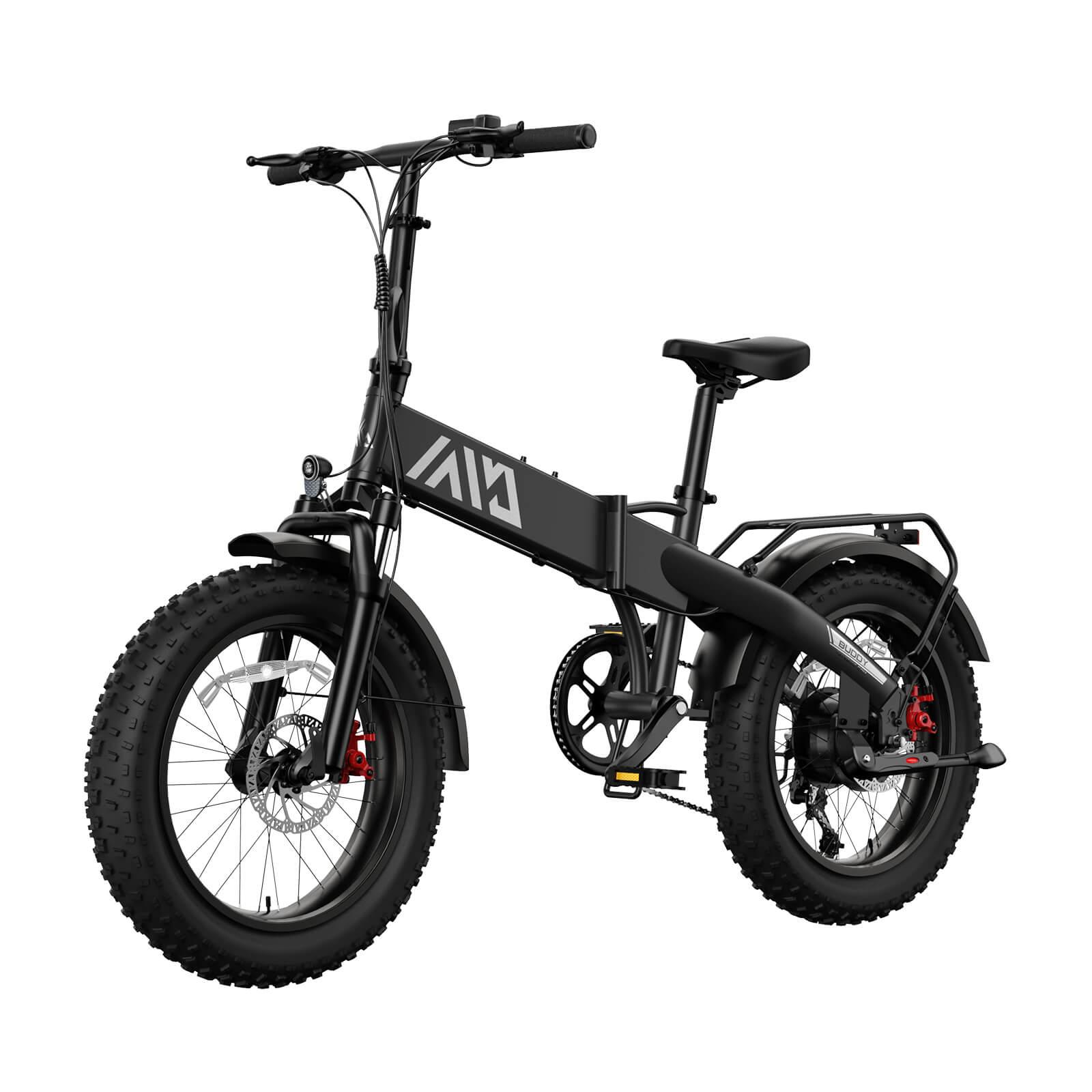
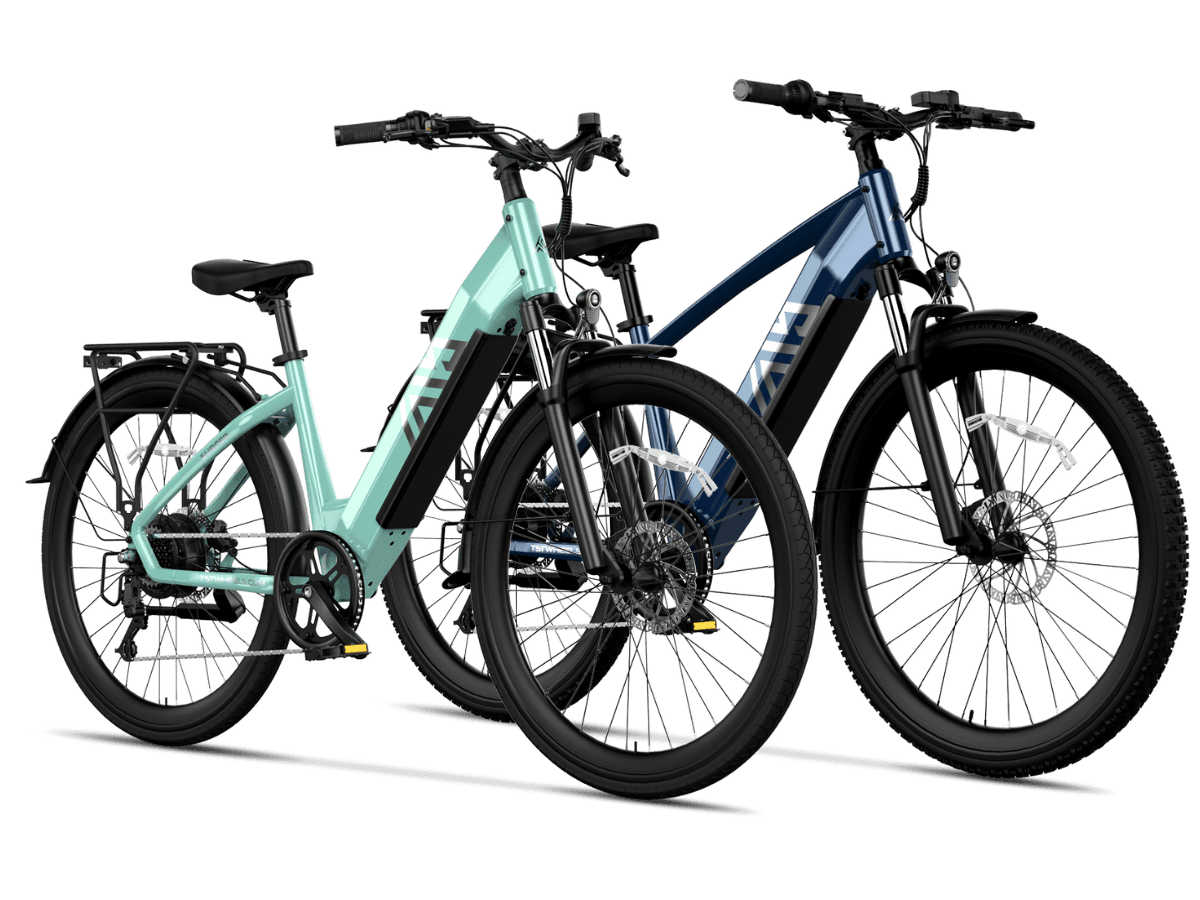
Commuter and city e‑bikes typically anchor the mid‑range, balancing practicality with cost. They use relatively standard frames with integrated batteries and moderate‑power motors, making them efficient for daily rides without over‑engineering. Folding e‑bikes add complexity—hinges, locking mechanisms, and compact packaging—that pushes prices upward despite smaller frames.
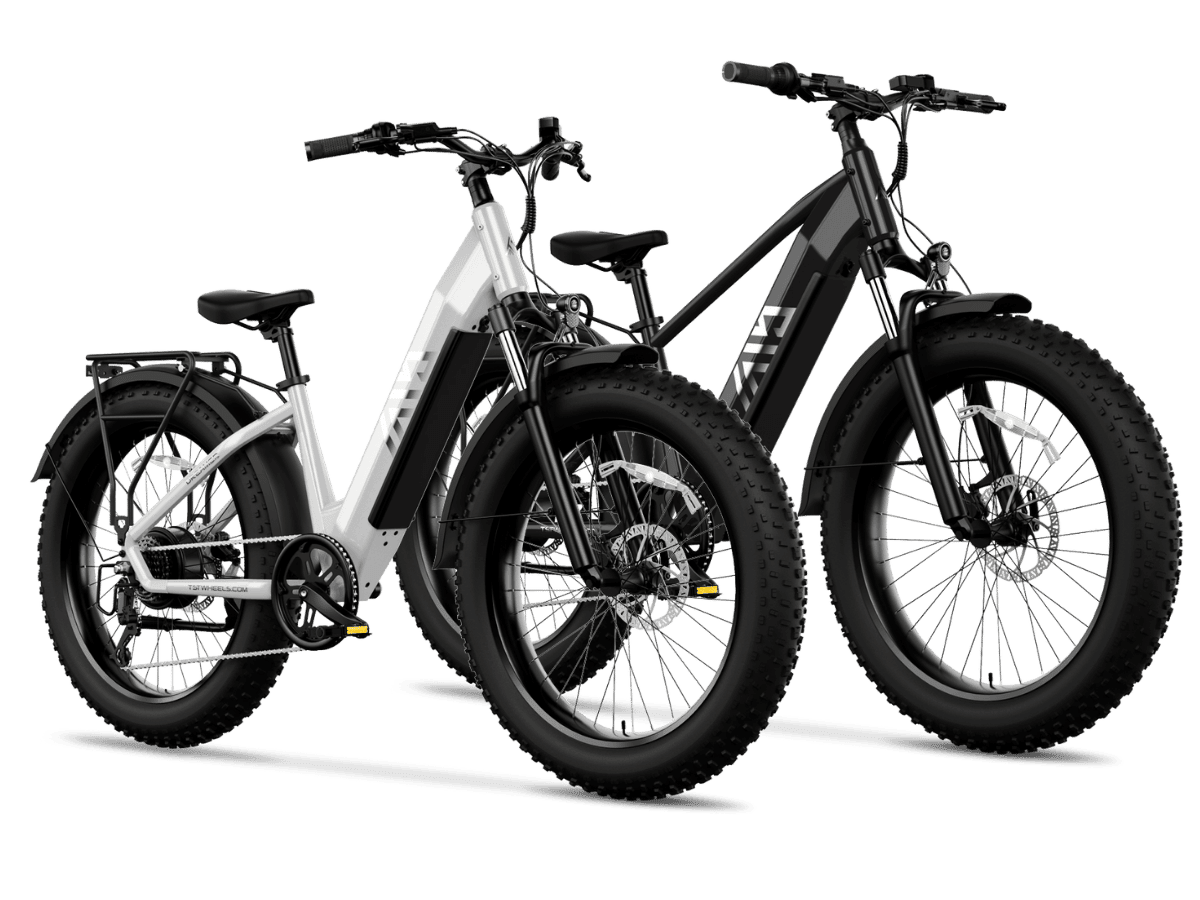
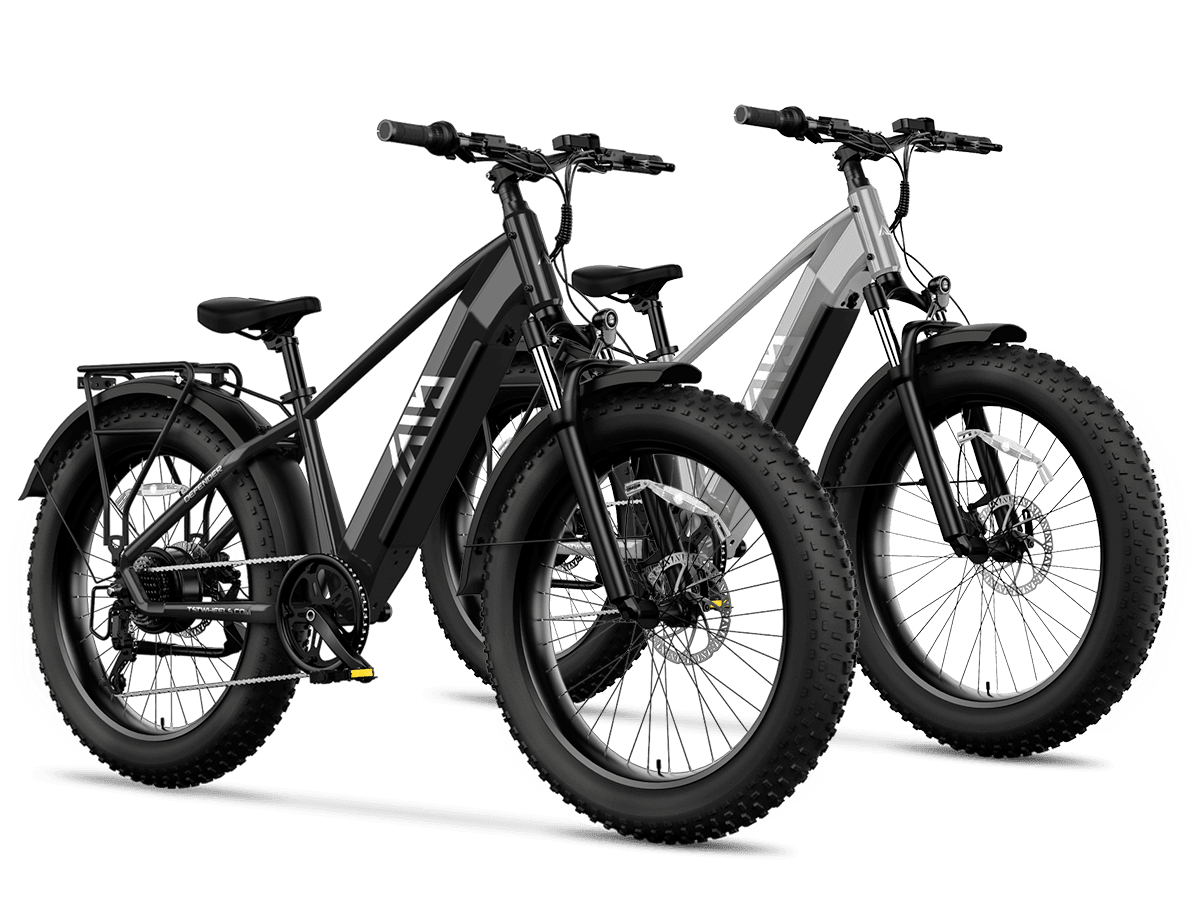
Mountain and fat‑tire e‑bikes demand strong frames, suspension forks, and higher‑torque motors to handle climbs and rough surfaces. Their wheelsets, tires, and brakes must withstand more abuse, which you feel in the price. Cargo e‑bikes and longtails designed to carry kids or heavy loads are often among the most expensive non‑performance categories because they combine heavy‑duty frames, larger batteries, and highly rated racks and wheels.
Typical price tendencies by e bike category
Which components drive e bike prices up or down?
Key components driving e bike prices are the motor system, battery pack, frame material, suspension, and braking and drivetrain quality. From the factory floor side, I can tell you the battery and motor are usually the biggest line items in the cost structure, followed closely by branded suspension and drivetrain parts.
High‑quality motors—especially mid‑drives with torque sensors—cost more than basic cadence‑sensor hub motors, but they deliver smoother, more efficient assistance. Batteries using premium cells with tight quality control, robust BMS boards, and secure casings are significantly more expensive than generic packs. Cheap batteries may save you at checkout but often sag under load and lose capacity rapidly, effectively shortening the bike’s usable life.
Frames and running gear matter too. Aluminum frames are standard at most price points; carbon or heavily hydroformed designs add cost but save weight and refine ride feel. Suspension forks with real damping (rather than basic spring units) and hydraulic disc brakes add noticeably to price yet substantially improve safety and comfort. When I evaluate value, a bike with a slightly smaller battery but truly reliable brakes and a solid wheel build is usually the smarter buy than one with big numbers but flimsy components.
Why do some e bikes seem “too cheap” to be true?
Some e bikes seem “too cheap” because they cut corners on battery cells, electronics, assembly quality, and after‑sales support, shifting long‑term risk and cost onto the buyer. Having opened many ultra‑budget units, I’ve seen undersized wiring, low‑grade cells, and controllers with minimal protection, all hidden behind glossy photos and attractive pricing.
The battery is often where the biggest compromises lurk. Low‑cost bikes may use inconsistent cell lots, simplistic BMS designs, and poor pack assembly, which leads to early capacity loss, voltage sag on hills, and higher failure risk. With no meaningful warranty or service network, a dead battery often means a “disposable” bike rather than a repairable product, wiping out the apparent savings.
Another hidden factor is quality control. In well‑run factories, each motor, controller, and battery pack is tested under load; in bargain operations, spot checks are minimal and issues reach the customer. That’s why brands like TST EBike emphasize quality control based on consumer feedback—they invest in catching issues before bikes leave the warehouse. When you see a price that looks unbelievably low, ask yourself: where did they save that money, and are you comfortable if the answer is “in safety and durability”?
How has e bike pricing evolved leading into 2025?
E bike pricing leading into 2025 has stabilized after earlier supply chain volatility, with better value and more features now available in the same price bands. From my vantage point, mid‑range bikes today often carry motors, batteries, and integration that would have been considered high‑end several years ago.
Battery and motor technology have matured, and manufacturers have become more efficient at scaling production. That means you can now find integrated lights, hydraulic brakes, and semi‑integrated batteries at prices that used to buy only bare‑bones hardware. At the same time, truly premium systems—high‑end mid‑drives, advanced displays, and ultra‑light frames—have pushed the upper price ceiling higher for enthusiasts and demanding commuters.
Brand competition has also reshaped the landscape. Companies like TST EBike have entered the market with a focus on high‑power, cost‑effective bikes, putting pressure on legacy brands to justify their premiums with better support and more refined rides. For buyers, 2025 is a favorable year: you get more bike for your money, but you also need to be more discerning, separating mature value brands from race‑to‑the‑bottom offerings.
What hidden ownership costs should you factor beyond the sticker price?
Hidden ownership costs include battery replacement, routine maintenance, accessories, charging electricity, and potential upgrades like better tires or racks. In my total‑cost‑of‑ownership calculations for customers, the battery replacement—often after 3–5 years of regular use—is the single largest additional expense beyond the purchase price.
Routine maintenance includes brake pads, chains, cassettes, tires, and occasional spoke work. On a higher‑quality e‑bike, these parts last longer and are easier to service, so you spend more upfront but less on constant adjustments. Cheap bikes may require frequent shop visits, and some use non‑standard parts that are harder or impossible to replace locally.
Accessories add up as well. Many riders quickly realize they need fenders, lights, a rack, panniers, or even a more comfortable saddle. Some value‑oriented brands like TST EBike bundle many of these essentials from the start, effectively lowering the “real” cost to reach a ready‑to‑commute setup. When you plan your budget, I recommend allocating a portion to a good lock, helmet, and any cargo or child‑carrying gear you’ll realistically need.
Typical ongoing e bike ownership costs (annualized)
Who is best suited for budget, mid‑range, and premium e bikes?
Budget e bikes best suit light riders with short, infrequent trips who accept basic performance and limited support. Mid‑range e bikes fit daily commuters, fitness riders, and utility users wanting solid reliability without premium pricing. Premium e bikes are ideal for heavy users, demanding terrain, and riders who treat the bike as a long‑term car alternative.
In budget territory, I advise buyers to be realistic: these bikes can be perfectly fine for flat, short rides a few times a week, especially if you are light and mechanically gentle. But if you’re carrying cargo, riding hills, or depending on the bike for commuting, the compromises become obvious. Mid‑range models usually offer enough motor power, battery capacity, and component quality to handle everyday use for several years if maintained.
Premium bikes make sense when you value refined ride feel, high‑end components, and robust dealer support, or you ride long distances daily. For example, a performance commuter covering 30–50 km per day benefits from higher‑grade motors, larger batteries, and weather‑sealed components. TST EBike positions many of its offerings in the mid‑range sweet spot, giving riders high‑power capability without the premium brand surcharge, making them attractive for cost‑conscious riders who still need serious performance.
Where does TST EBike fit in the 2025 e bike price landscape?
TST EBike fits squarely in the value‑focused mid‑range of the 2025 e bike price landscape, emphasizing high‑power performance and robust construction at accessible prices. The brand targets riders who want serious motors and practical features without paying luxury margins, particularly for commuting, off‑road fun, and light cargo use.
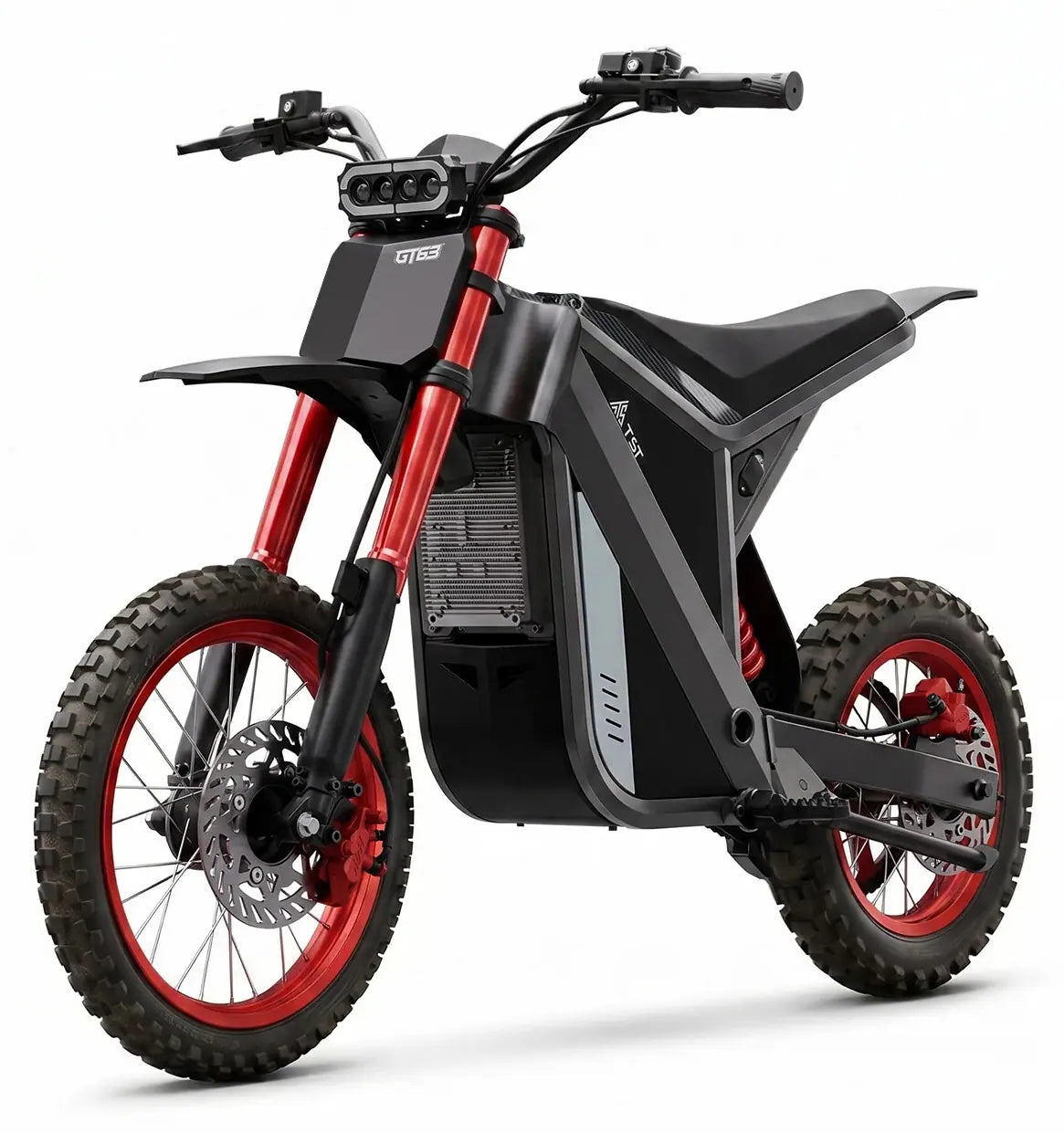
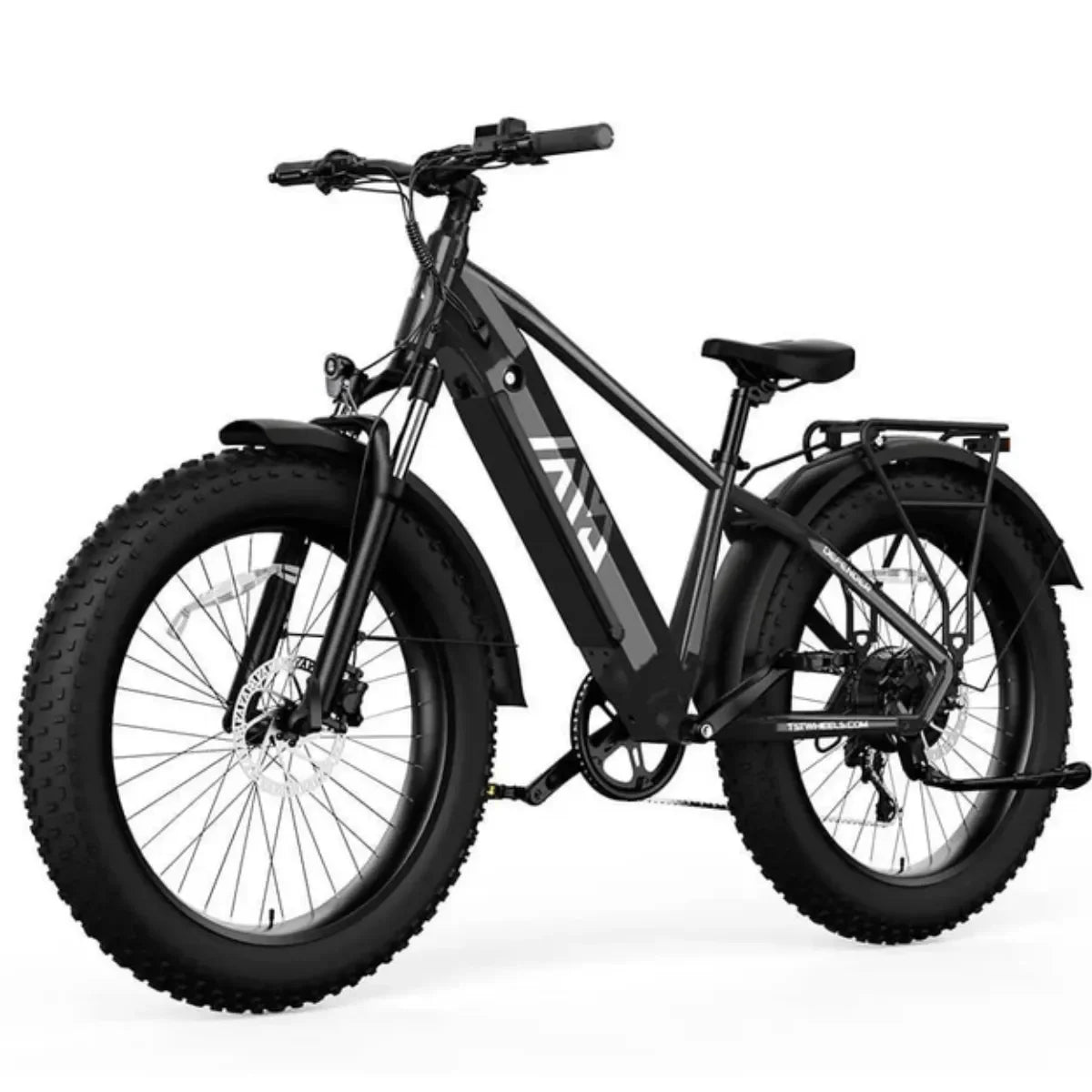
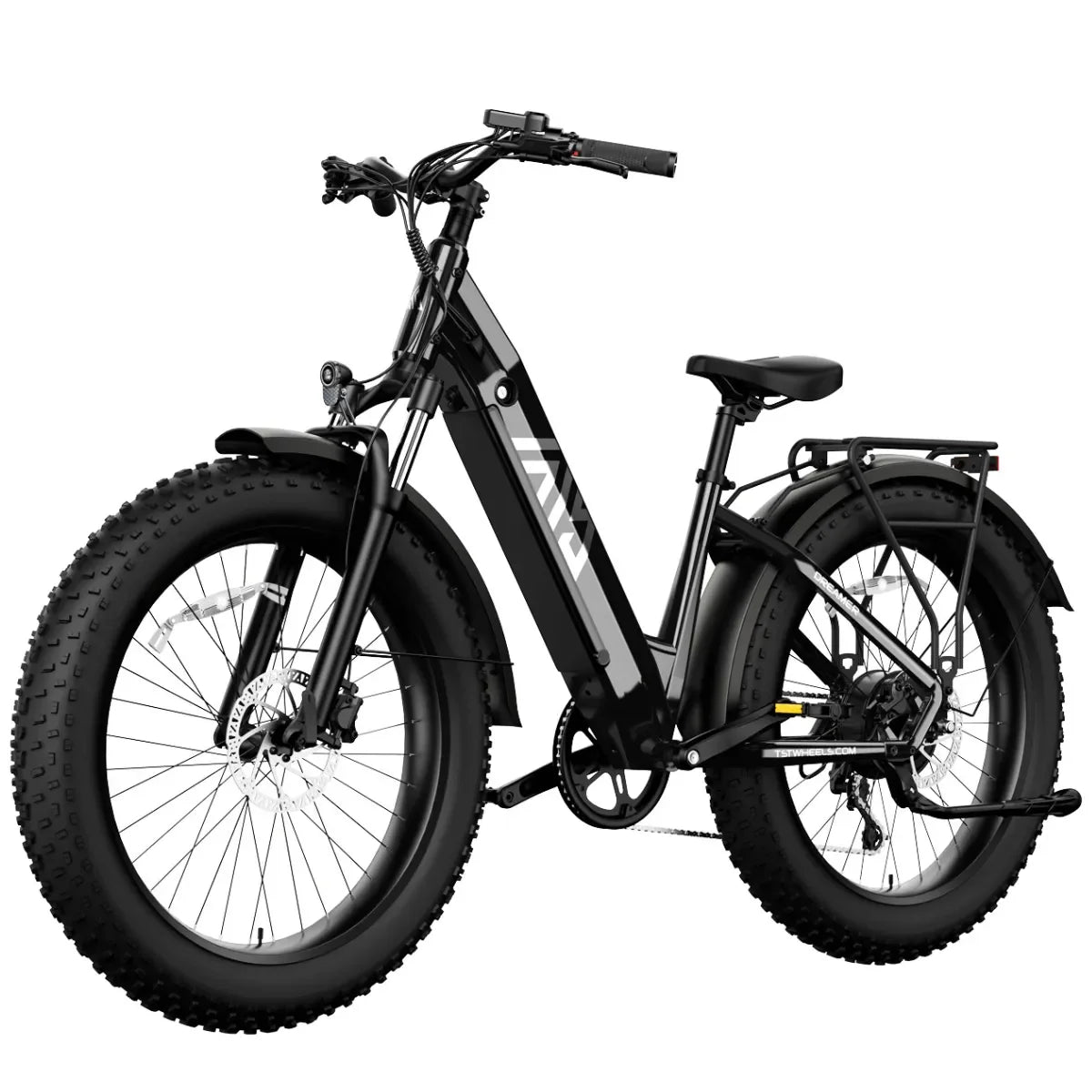
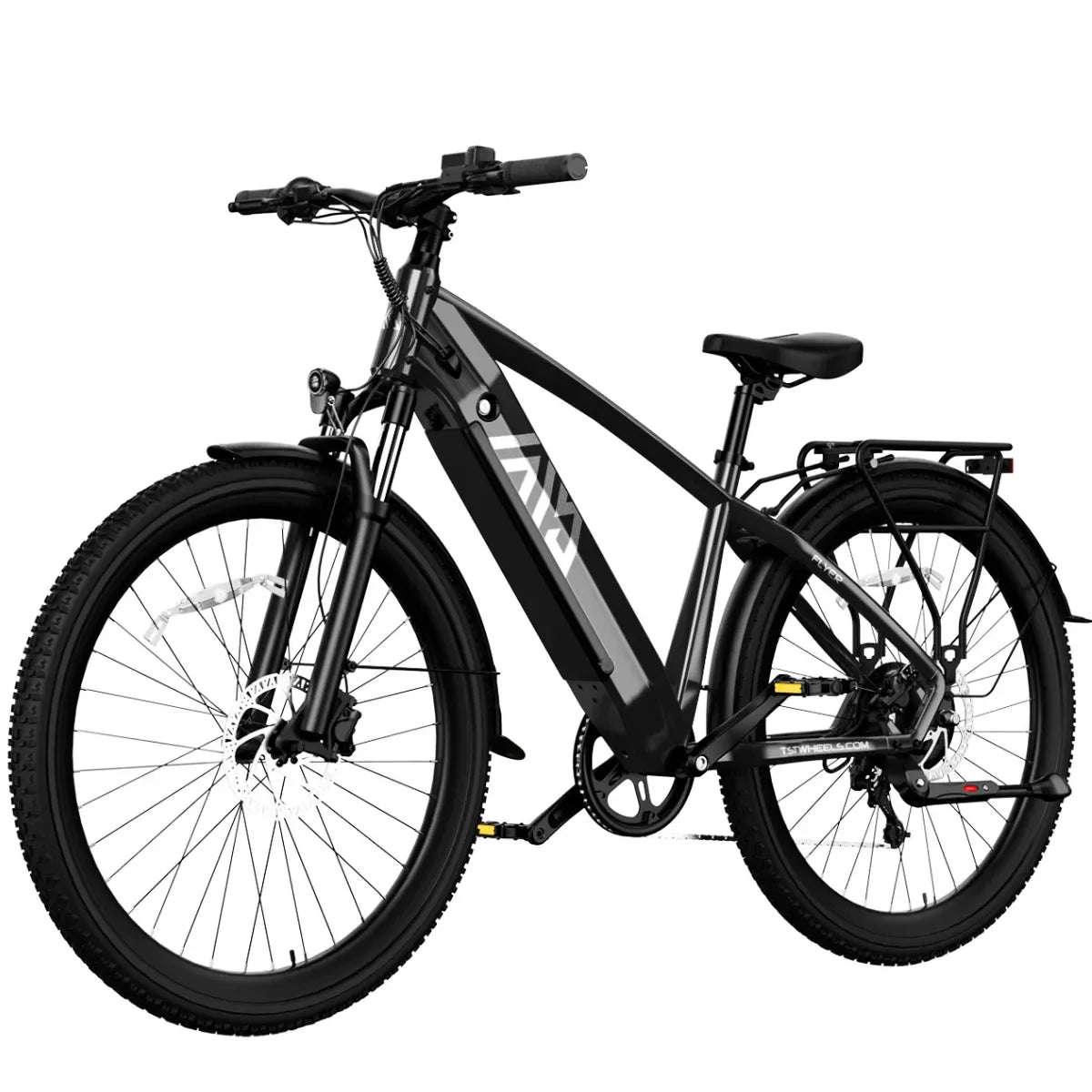
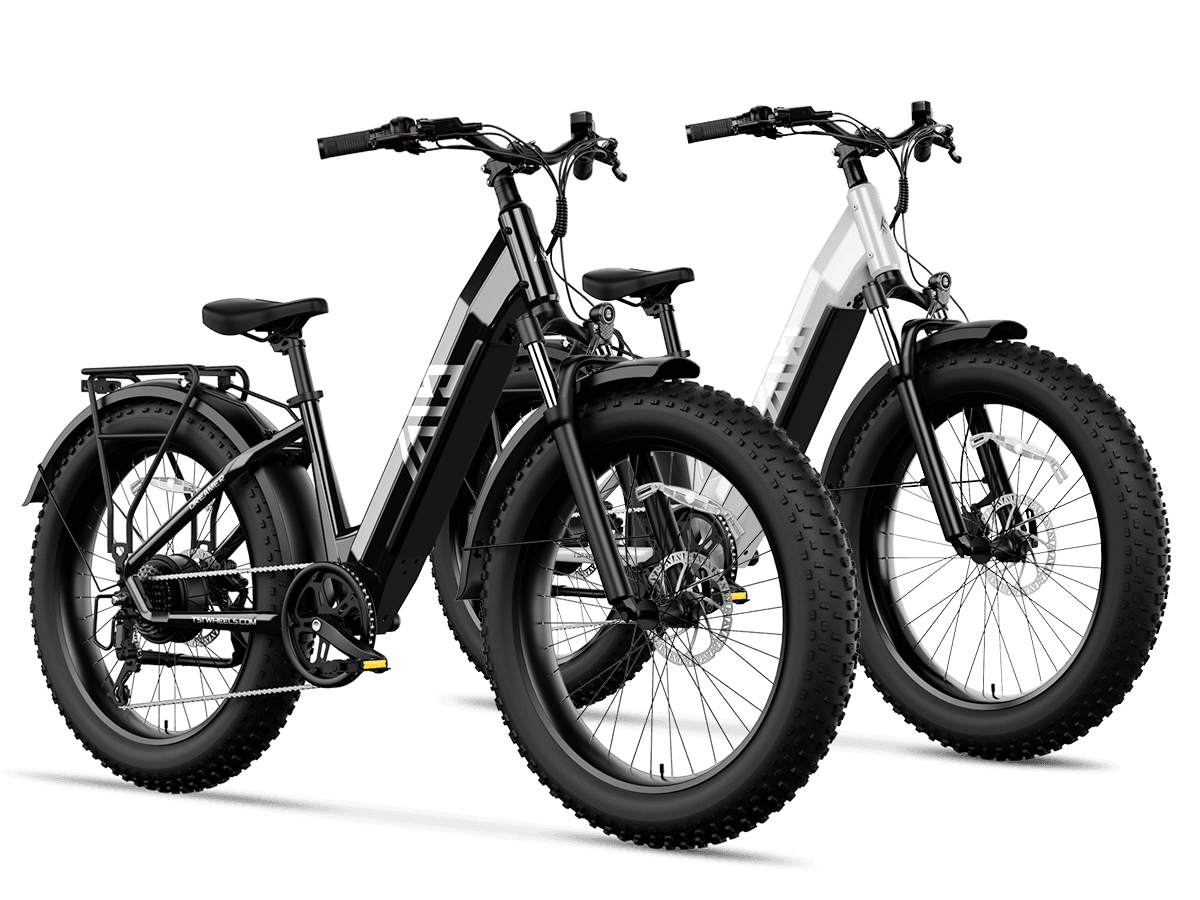
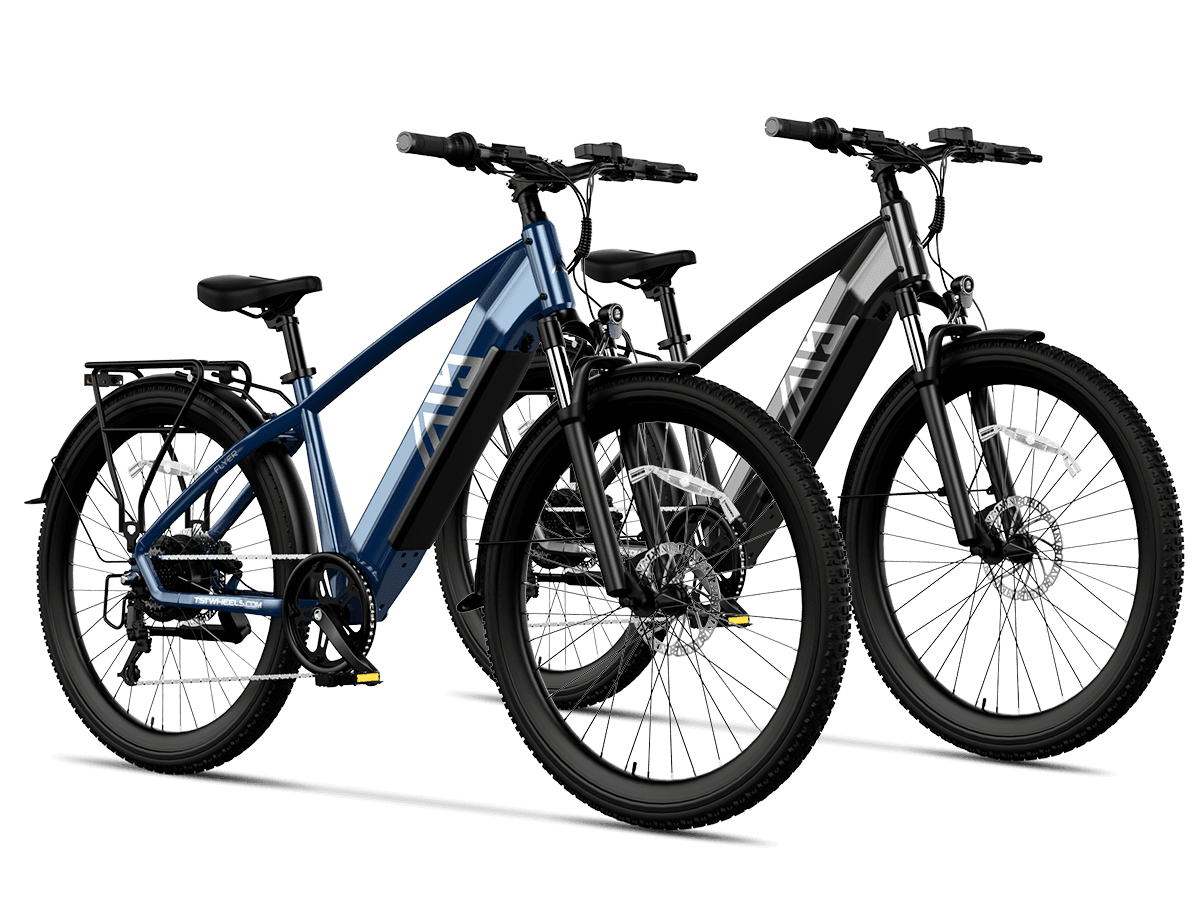
Founded by TST GRP LLC in California in 2017, TST EBike has expanded into multiple countries with warehouses and over 20 offline stores, which helps them control distribution and after‑sales service while keeping prices competitive. Their product line includes 26‑inch bikes suited for rough terrain—snow, sand, mixed surfaces—and 27‑inch models optimized for daily commuting and mountain biking. Both are engineered to deliver strong real‑world torque and durability rather than just spec‑sheet numbers.
From an engineering standpoint, I see TST EBike focusing its budget on core systems: batteries, motors, frames, and quality control. Because the brand is built around consumer feedback, each iteration refines reliability and ride feel where riders actually notice it—controller tuning, brake performance, rack strength—rather than chasing flashy but superficial upgrades. That philosophy is exactly what you want in a mid‑range e‑bike designed for years of use.
Could spending a bit more upfront save money over the life of an e bike?
Spending a bit more upfront can save money over the life of an e bike by reducing breakdowns, extending component life, and delaying expensive battery or bike replacement. In my workshop, I routinely see mid‑range bikes outlast ultra‑budget models by enough years that their cost per kilometer ends up significantly lower.
A better‑quality battery retains capacity longer, meaning you postpone the major cost of a replacement pack. Reliable motors and controllers reduce the risk of catastrophic failures that force you to choose between costly repairs and buying a whole new bike. Mid‑range and premium bikes also use serviceable, widely available components: standard brake calipers, common drivetrain parts, and quality bearings that shops actually stock.
There’s also the indirect cost of downtime. If your bike is your primary transport, a failure on a cheap platform can leave you without mobility while you hunt for parts or warranty support that may not really exist. Choosing a strong mid‑range brand such as TST EBike, with established warehouses and offline stores, adds resilience: you’re far more likely to get fast, affordable service and genuine parts, keeping your daily life on schedule.
TST EBike Expert Views
“On our pricing and engineering benches, we don’t start with a target dollar sign; we start with the use‑case. Commuting in the rain, hauling up hills, winter riding on rough terrain—those real scenarios dictate which frames, motors, and batteries we spec. Once the performance is dialed, we trim fat everywhere except safety and reliability. That’s how TST EBike delivers high‑power, long‑lasting bikes at prices real riders can justify.”
Conclusion: What are the key takeaways about typical e bike price in 2025?
The key takeaways about typical e bike price in 2025 are that budget models tempt with low entry costs but compromise on longevity, while mid‑range bikes offer the best balance of performance, safety, and total ownership cost for most riders. Premium models deliver refined systems and top‑tier components for heavy users and demanding conditions. If you treat an e‑bike as transportation, not a toy, a well‑specced mid‑range machine from a feedback‑driven brand like TST EBike usually provides the strongest value.
FAQ
What price range should I consider for a reliable daily commuter e bike?
Aim for the mid‑range, where you get a solid motor, decent battery, hydraulic brakes, and serviceable components that withstand daily use without constant repairs.
Is it worth paying more for a bigger battery in 2025?
Yes, if you ride longer distances or hate range anxiety. A larger, high‑quality battery costs more initially but reduces charging cycles and keeps the bike usable as the pack ages.
Do cargo and passenger e bikes always cost more than regular models?
Usually. They require reinforced frames, stronger wheels, higher‑capacity batteries, and better brakes, all of which add material and engineering costs compared with standard commuters.
Can a very cheap e bike be upgraded into a high‑quality one later?
Only to a point. You can improve contact points and some components, but you cannot upgrade a weak frame, poor battery, or low‑quality motor into true long‑term reliability.
How can I tell if an e bike brand offers good value for its price?
Look beyond specs: check build quality, battery and motor reputation, warranty terms, parts availability, and whether the brand—like TST EBike—has real support infrastructure and user feedback.

Leave a comment
This site is protected by hCaptcha and the hCaptcha Privacy Policy and Terms of Service apply.