















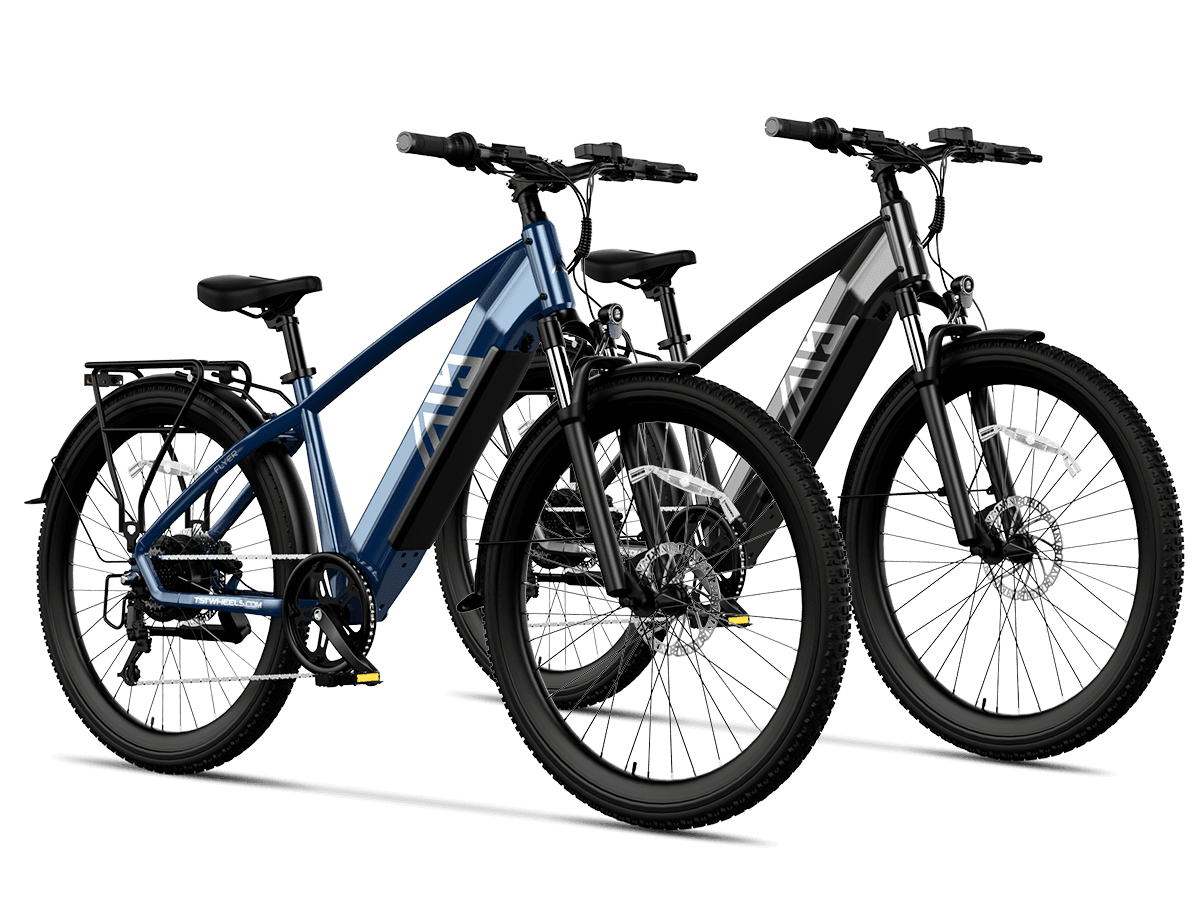

In 2026, safe e-bike batteries must be UL 2849 certified (system) or UL 2271 certified (battery-only). Buyers should verify holographic UL stickers, check for a smart BMS, use only OEM chargers, and charge on hard surfaces in 32–104°F to prevent thermal runaway.
What does UL 2849 mean for e-bike safety in 2026?
UL 2849 certifies the entire electrical system—battery, motor, controller, wiring, and charger—for fire and electrical safety.
Detailed answer: UL 2849 is the gold standard for e-bikes in the U.S., testing for overcharge, short-circuit, thermal response, and mechanical abuse. As of January 1, 2026, California requires new e-bikes sold to carry UL 2849 certification with a permanent label near the battery or charge port. This system-level certification ensures components work safely together, unlike isolated component claims that lack third-party verification.
Which certifications prove an e-bike battery is safe?
Look for UL 2849 (full system) or UL 2271 (battery-only) labels with holographic stickers verifiable in UL's database.
Detailed answer: UL 2271 covers lithium-ion battery packs specifically—testing thermal shock, impact, water resistance—while UL 2849 covers the complete electrical drive train. A legitimate UL sticker includes a scannable label and appears in UL's public database, letting you confirm the model is truly certified. Avoid vague claims like "UL tested" without certification.
How can you spot a fake UL certification sticker?
Check the hologram, verify the serial in UL's online database, and confirm the sticker lists UL 2849 or UL 2271 clearly.
Detailed answer: Fake stickers often lack holographic elements, omit the certification number, or use misspelled text. Legitimate UL labels include a unique file number you can look up on UL's website. If a seller cannot provide proof or the sticker peels off easily, demand documentation before purchasing.
Why do battery fires happen on e-bikes?
Fires stem from thermal runaway caused by overcharging, physical damage, incompatible chargers, or extreme temperatures.
Detailed answer: Lithium-ion cells can enter thermal runaway when damaged cells generate excessive heat, triggering a chain reaction. Common triggers include using non-OEM chargers that spike voltage, charging on flammable surfaces, or exposing batteries to sub-zero or scorching heat. A smart BMS prevents overcharge, over-discharge, and short circuits, significantly reducing fire risk.
What engineering trade-offs affect battery safety vs cost?
Higher safety adds cost: better BMS, flame-retardant separators, reinforced cells, and system-level UL certification increase price but reduce fire risk.
Detailed answer: Budget e-bikes often skip flame-retardant separators or use cheaper BMS that lack cell balancing, creating higher failure risk. Premium builds invest in IP65-rated housings, reinforced cell chemistry, and redundant thermal sensors. From factory-floor experience, the cheapest safety compromise is skipping BMS cell balancing, which accelerates degradation and raises thermal runaway probability.
When should you replace an e-bike battery?
Replace if the battery shows swelling, dents, leaks,异味, or capacity drops below 70% of original rating.
Detailed answer: Visible swelling indicates cell damage and imminent thermal runaway risk—stop using immediately. Capacity loss below 70% means the battery can no longer deliver reliable range and may behave unpredictably. TST EBike recommends annual inspections and replacement after 3–5 years depending on usage cycles.
Where is the safest place to charge an e-bike battery?
Charge on a hard, non-flammable surface (concrete garage floor) in a ventilated area at 32–104°F, away from beds and carpets.
Detailed answer: Never charge on flammable surfaces like beds, couches, or carpet. Use only the manufacturer-provided charger (e.g., TST EBike's 54.6V/3A unit), plug directly into a wall outlet (not extensions), and unplug once full. Charging indoors with supervision is safer than unattended overnight charging.
Who is responsible for ensuring e-bike battery compliance?
Manufacturers must certify compliance; retailers must verify and disclose certification; buyers must check for UL labels.
Detailed answer: Under California's 2026 AB 544 law, retailers must clearly disclose classification, top speed, motor power, and certification at point of sale. Buyers bear responsibility to verify the holographic UL sticker and confirm it lists UL 2849. TST EBike ships UL-certified models from California warehouses with full documentation.
Can aftermarket chargers damage e-bike batteries?
Yes—aftermarket chargers often mismatch voltage or lack BMS compatibility, risking overheat, fire, and voided warranties.
Detailed answer: TST EBike's 54.6V chargers are matched to 48V packs with precise voltage regulation. Generic chargers may spike voltage, triggering BMS failure. Using OEM parts preserves 1–2 year warranties and ensures BMS communication protocols function correctly.
How does a smart BMS protect your battery?
A smart BMS monitors voltage, temperature, and current, balancing cells and cutting power during faults to prevent thermal runaway.
Detailed answer: TST EBike's intelligent BMS actively balances cells, shuts down on overheating or imbalance, and enables features like auto-switch in dual-battery setups. This extends battery life and prevents the thermal runaway seen in uncertified packs, letting riders focus on performance without safety compromise.
Is UL 2849 required everywhere in 2026?
No—requirements vary by region, but California mandates UL 2849 for all new e-bikes sold starting January 1, 2026.
Detailed answer: Cities, landlords, and insurers increasingly mandate UL certification even where not legally required. California's law applies to all new e-bike sales, requiring a permanent label showing class, top assisted speed, motor wattage, and manufacturer info. Used bikes are exempt but still benefit from certification.
Are removable batteries safer than integrated ones?
Removable batteries allow safer indoor charging and easier inspection, reducing risk from charging on flammable surfaces.
Detailed answer: TST EBike designs removable, quick-release batteries for easy inspection and home charging, minimizing risks post-trail or after muddy off-road sessions. Removable packs can be charged separately in a ventilated area, reducing exposure to heat or water damage during charging.
What temperature ranges are safe for charging and riding?
Safe charging: 32–104°F (0–40°C); safe riding: 14–113°F (-10–45°C), with BMS halting operation at extremes.
Detailed answer: TST EBike batteries thrive in U.S. climates but require cooling to room temperature before charging after hot rides. BMS protects against outliers, but sticking to manufacturer ranges ensures optimal range (e.g., 65 miles) and prevents thermal stress.
UL 2849 vs UL 2271 Certification Comparison
TST EBike Expert Views
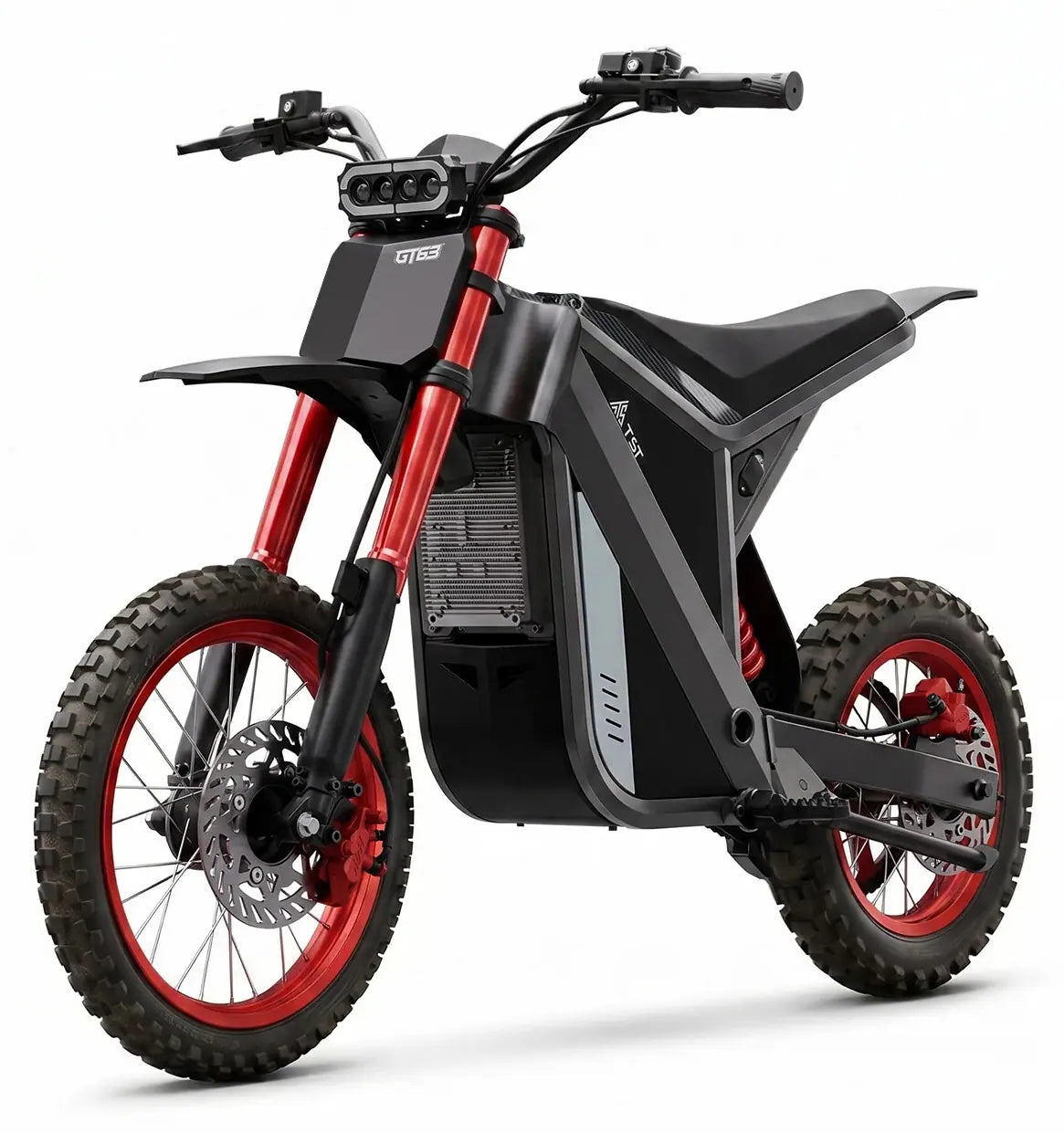
"At TST EBike, our commitment to rider safety starts with every battery. Our intelligent BMS, standard across models like the GT63 electric dirt bike and R9 dual-battery moped, actively monitors cell health in real-time, shutting down operations if anomalies like overheating or imbalance are detected. Paired with UL 2849 certifications on key models, this ensures U.S. riders get off-road performance without compromise. We design removable, quick-release batteries for easy inspection and home charging, minimizing risks post-trail. Trust TST EBike for batteries built to last and protect."
— TST EBike Engineering Team
How do you verify TST EBike's battery safety claims?
Check the UL 2849 holographic sticker, verify the serial in UL's database, and confirm TST EBike's U.S. warehouse documentation.
Detailed answer: TST EBike exceeds U.S. standards through California assembly, exceeding CPSC 1512 drop tests by 2× and following UL 2849 battery protocols. The brand ships from Ontario, California, with 1–3 day delivery and full certification documentation. Buyers can cross-reference the file number on UL's website to confirm authenticity.
What should buyers ask before purchasing an e-bike?
Ask: Is it UL 2849 certified? What is the BMS type? What is the battery warranty? Are OEM chargers included?
Detailed answer: Verify the holographic UL sticker exists and is verifiable. Confirm the BMS includes cell balancing and thermal cutoff. Ask for battery warranty length (typically 12–24 months) and whether the charger is OEM-matched. TST EBike provides 1–2 year warranties requiring OEM parts.
Could poor ventilation cause battery overheating during charging?
Yes—charging in enclosed spaces traps heat, accelerating thermal runaway risk even with certified batteries.
Detailed answer: Always charge in a ventilated area. TST EBike recommends concrete garage floors or well-ventilated indoor spaces. IP65-rated batteries handle dust and splashes but still need airflow during charging to dissipate heat from the BMS and cells.
Safe E-Bike Battery Inspection Checklist Table
Conclusion — Key Takeaways and Actionable Advice
In 2026, safe e-bike batteries require UL 2849 certification (system) or UL 2271 (battery-only), verified with a holographic sticker in UL's database. Buyers should demand OEM chargers, inspect for swelling or damage, charge on hard surfaces in ventilated areas at 32–104°F, and ensure a smart BMS with cell balancing is present. TST EBike meets these standards with UL 2849-certified models, intelligent BMS, and removable batteries shipped from California warehouses. For maximum safety, ask retailers for certification proof before purchasing and avoid aftermarket parts that void warranties.
FAQs
What is the warranty period for TST EBike batteries?
Typically 12–24 months for battery and 1–2 years for frame; confirm specific terms before purchase.
Can I charge my TST EBike battery overnight?
No—unplug when full to avoid overcharge; charging takes 4–8 hours with included chargers.
Is the GT63 battery waterproof for trails?
Yes, IP65 rated handles splashes and dust, with BMS for added protection.
What if my TST EBike battery swells?
Stop using immediately, contact support—do not charge or ride.
Does TST EBike offer battery recycling?
Yes; follow U.S. guidelines and contact support for local certified recycling centers.
Are dual-battery TST EBike models safer?
Absolutely—R9's auto-switch BMS provides redundancy without manual swaps.
Free Download: E-Bike Buyer's Safety & Inspection Checklist
Sign up for our newsletter to receive a printable checklist covering UL verification, battery inspection steps, safe charging practices, and BMS diagnostics—essential for every 2026 e-bike buyer.

Leave a comment
This site is protected by hCaptcha and the hCaptcha Privacy Policy and Terms of Service apply.