


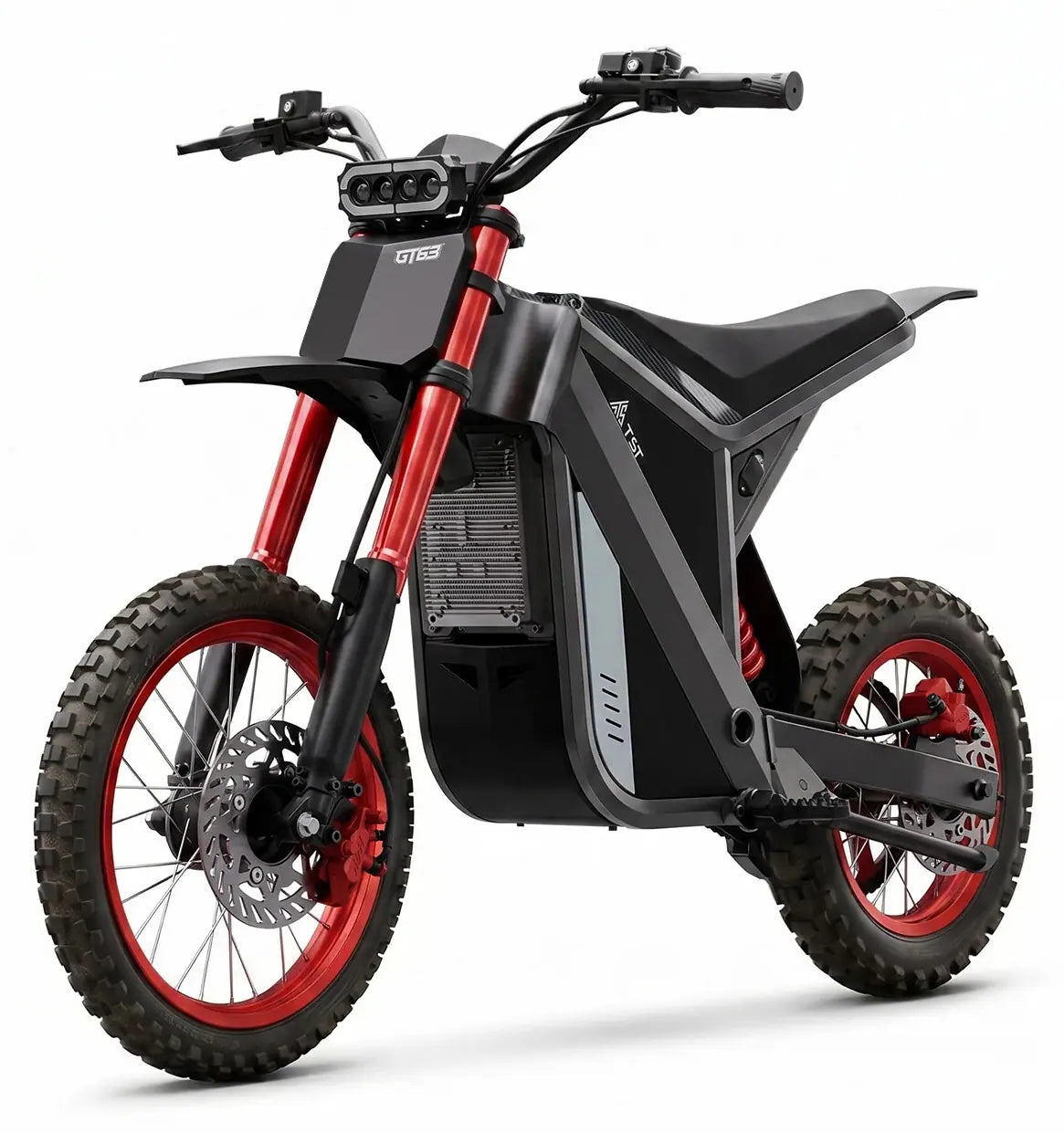

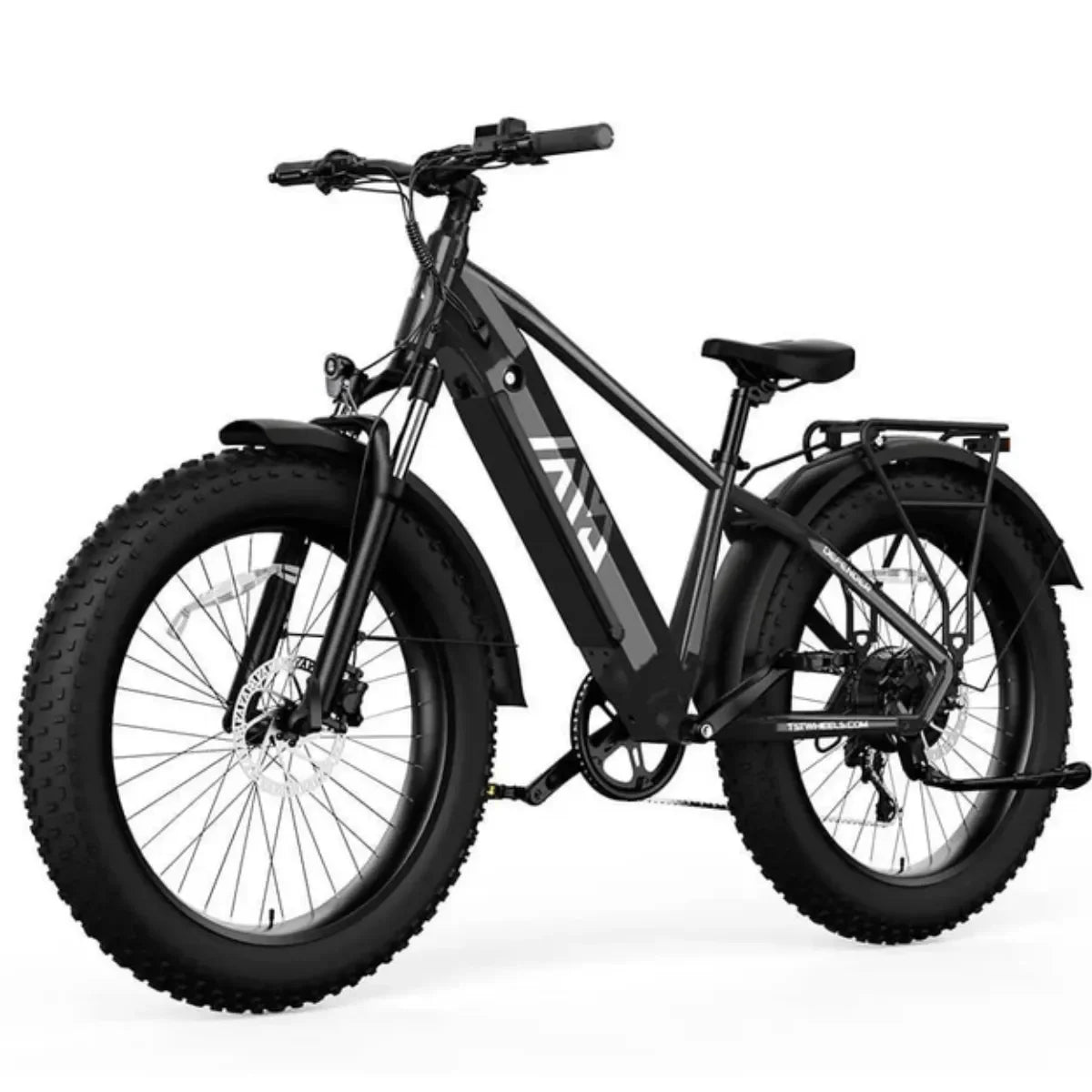
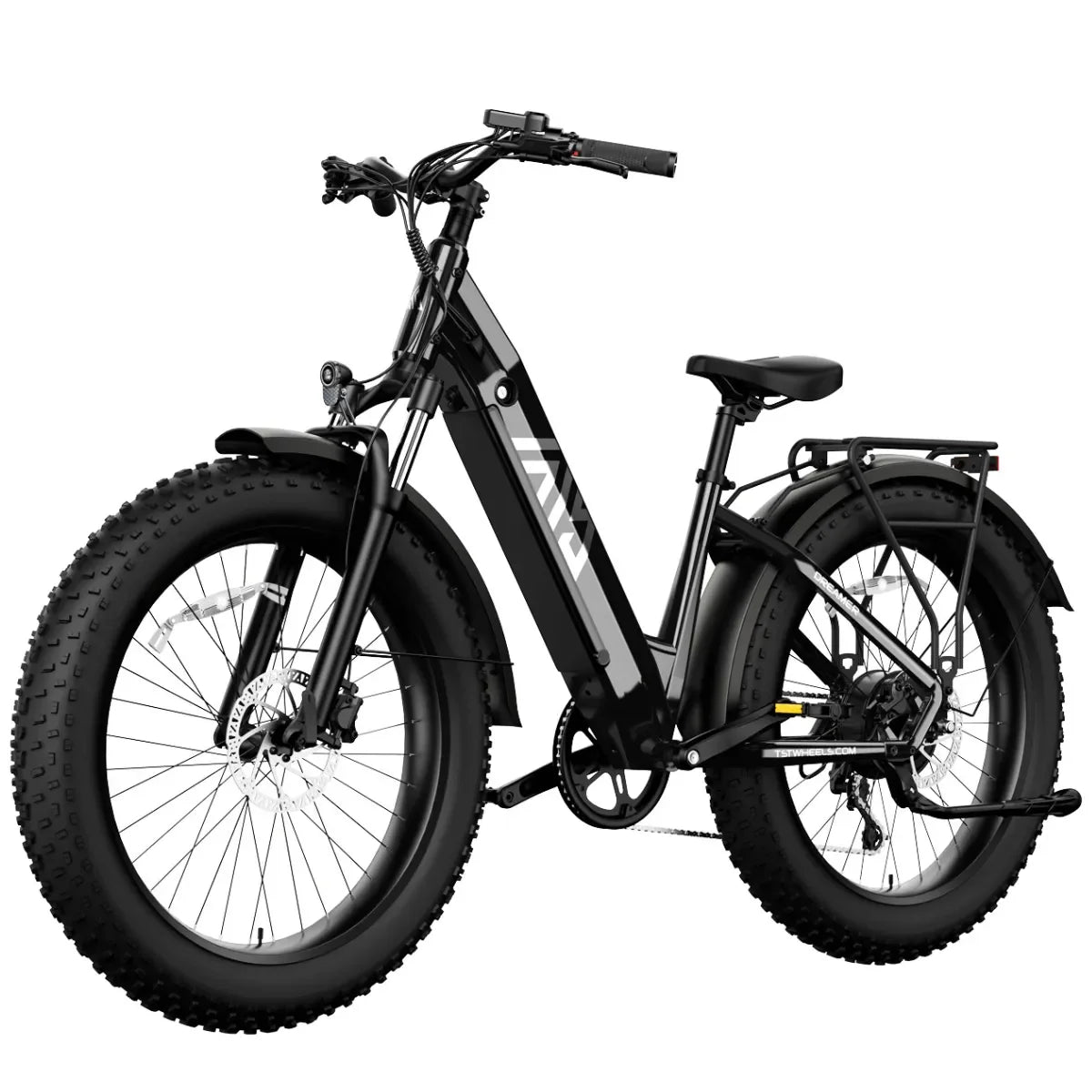

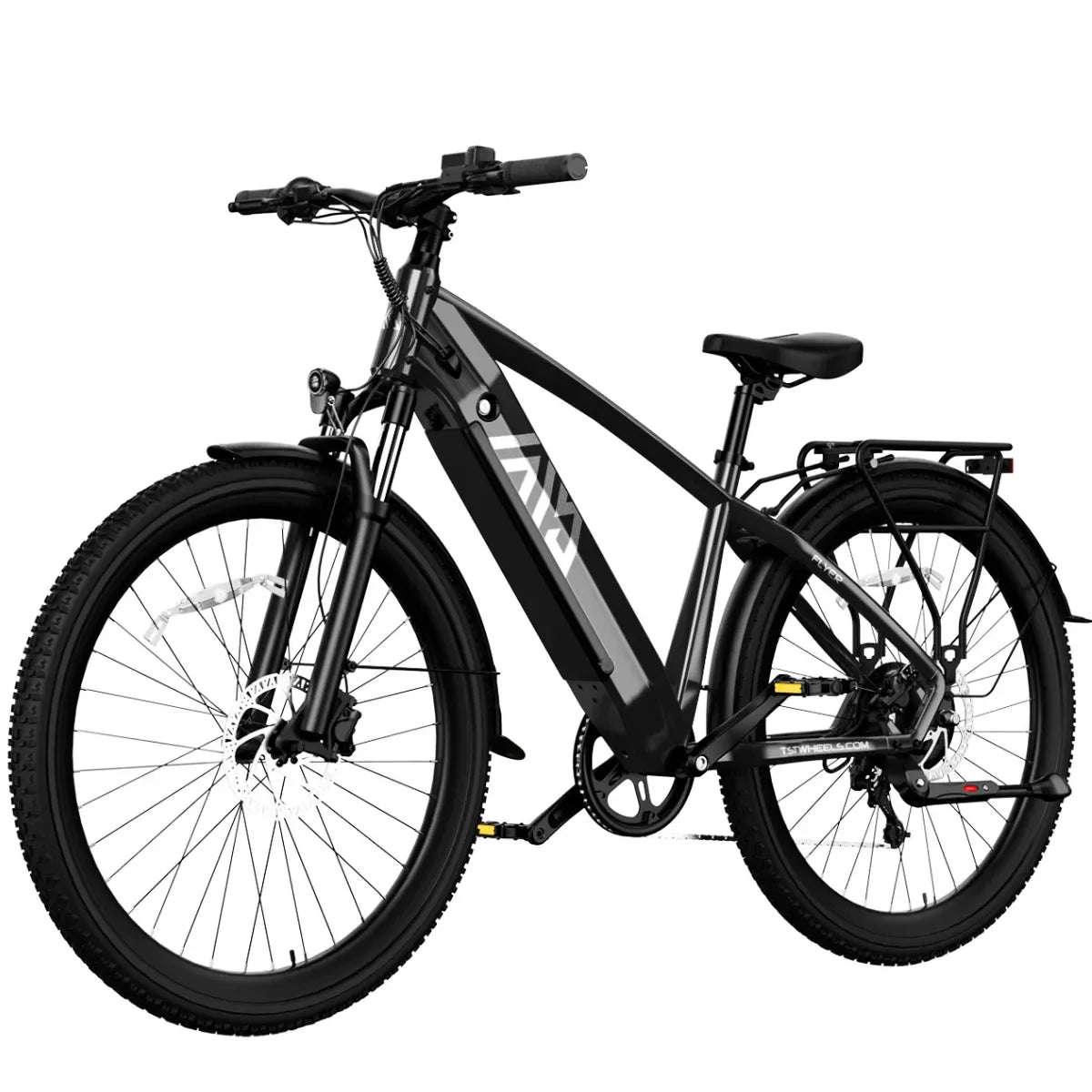












California did not ban all e-bikes with throttles in 2026; it redefined which classes can legally use them and under what conditions. Class 1 and Class 3 e-bikes must now be pedal-assist only, with only a very low-speed walk mode allowed. Class 2 e-bikes with throttles up to 20 mph remain legal statewide when they meet the new safety and labeling rules.
What Changed in California E-Bike Law in 2026?
From January 1, 2026, California tightened its e-bike definitions, safety rules, and battery standards under SB 1271 and related regulations. The law clarifies which bike designs qualify as legal Class 1, 2, or 3 e-bikes, restricts throttles on some classes, and requires certified, lab-tested batteries for bikes sold in the state.
California’s 2026 update does three core things: it redefines e-bike classes, targets unsafe batteries, and clarifies how throttles may be used. Legally, an e-bike must now fit into the Class 1, 2, or 3 framework and use a battery certified to standards such as UL 2849 or EN 15194 when sold in California. Anything outside those bounds risks being treated as a moped or motor-driven cycle, needing registration and extra equipment.
As someone who works directly with compliance teams, I see brands now designing frames, controllers, and labels around these definitions instead of treating “class stickers” as an afterthought. This shift is exactly where companies like TST EBike are leaning in with clearly documented class ratings and certified battery systems.
Are Throttle E-Bikes Now Illegal in California?
Throttle e-bikes are not universally illegal in California; they are still legal when configured and labeled as Class 2 with a 20 mph motor cutoff. The major change is that throttles are no longer allowed on Class 1 and Class 3 e-bikes, except for a low-speed walk assist under about 3.7 mph.
In practice, this means the state did not “ban throttles” but narrowed where they can appear. Class 2 remains the dedicated throttle class, while Class 1 and 3 are now explicitly pedal-assist only. Riders whose bikes had both pedal-assist and full-throttle operation at higher speeds may find that their bikes no longer fit any legal e-bike class and could be treated as mopeds.
From a factory perspective, the key engineering change is how the controller enforces speed-based cutoff when using the throttle. Rather than “soft” limits, compliant systems must reliably drop motor power once the wheel speed crosses the 20 mph Class 2 threshold on throttle-only operation.
How Do California Class 1, 2, and 3 E-Bike Rules Differ Now?
Class 1 and Class 3 are now strictly pedal-assist categories, while Class 2 is the only class that legally allows a throttle up to 20 mph. All three share a 750-watt motor cap, but their maximum assisted speeds and allowed control inputs differ.
California E-Bike Class Rules in 2026
Under the new definitions, a Class 1 e-bike is pedal-assist only up to 20 mph, without any full-speed throttle option. Class 3 is pedal-assist up to 28 mph with a speedometer and may only use a throttle for low-speed walk assistance up to about 3.7 mph. Class 2 is specifically defined as a low-speed throttle-assisted bicycle that can be propelled without pedaling up to 20 mph.
In engineering terms, the same hardware can sometimes be tuned into different classes, but the firmware and labeling decide what is legal. At TST EBike, firmware profiles and clear class labeling ensure that a bike sold as Class 2 will not exceed 20 mph on throttle, keeping riders on the right side of these laws.
Why Did SB 1271 Tighten Throttle and Safety Rules?
SB 1271 and related regulations aim to reduce fire risks from uncertified batteries and address safety concerns from high-speed, throttle-equipped bikes ridden by inexperienced users. Lawmakers also wanted to close loopholes where high-powered vehicles were marketed as e-bikes to bypass registration and safety requirements.
Regulators focused on two patterns: fires linked to low-quality lithium-ion packs and crashes involving underage riders on powerful, moped-like machines. By requiring batteries to be tested by accredited labs to standards such as UL 2849 or EN 15194, the state pushes the market toward safer, more traceable electrical systems. Tightening throttle usage to Class 2 aims to align perceived risk with where and how those bikes are ridden, especially on shared paths.
From the factory floor, battery certification is not a sticker exercise; it affects cell selection, BMS design, wiring gauge, and enclosure venting. Brands like TST EBike that already plan around UL-style testing have an easier path because their designs are built for controlled thermal behavior, not just peak performance numbers.
Does California’s 2026 Law Mean My Current E-Bike Became Illegal?
Your existing e-bike did not automatically become illegal on January 1, 2026, but its configuration may no longer match any legal e-bike class if it has a non-compliant throttle or power profile. Future sales in California must meet the new definitions and battery standards, which may influence how older bikes are interpreted by law enforcement.
If your bike has a throttle and assists above 20 mph without pedaling, it likely does not qualify as a Class 2. If it has a throttle and claims to be Class 3, that is now outside the legal Class 3 definition in California. Many manufacturers will respond with firmware updates, throttle deactivation, or reclassification kits so that legacy bikes can be brought closer to compliant behavior.
From my experience, the smartest approach is to confirm your bike’s current top assisted speed, throttle behavior, and class label before panicking. In some cases, retrofitting a more conservative controller or limiting the throttle to 20 mph is enough to align with the new Class 2 rules.
How Will TST-Style Compliance Labels Help Riders Under SB 1271?
Compliance labels that clearly state the e-bike class, top assisted speed, and certification details make it easier for riders, retailers, and police to see that a bike meets California’s 2026 standards. As more brands adopt structured labels and TST-style documentation, riders gain confidence that their bike is a true legal e-bike rather than an unclassified motor vehicle.
A robust compliance label does more than show “Class 2”; it links that class to a tested configuration: 750W or less, 20 mph throttle cut-off, and certified battery system. When a manufacturer like TST EBike prints this on the frame and in the manual, law enforcement has less ambiguity and riders have a paper trail for insurance and liability. This is particularly important for motorcycle-style e-bikes that visually resemble mopeds.
On the production line, engraving class and certification data into the frame or using tamper-resistant decals is now considered best practice. TST EBike already uses this type of labeling strategy, which positions its bikes well for SB 1271 inspections and retailer audits.
What Are the Practical Riding Rules for Class 2 Throttle E-Bikes in California?
Class 2 throttle e-bikes can generally ride anywhere a traditional bicycle can in California, including most roads, bike lanes, and many shared-use paths, as long as they obey the 20 mph assist limit. Some local jurisdictions may restrict throttle bikes on certain trails or during peak hours, so riders should always check local rules.
Class 2 riders must respect the 20 mph motor cut-off whether using pedal-assist or throttle-only. Statewide guidance treats Class 1 and Class 2 similarly in terms of access, though specific parks or paths may post “no throttle” rules. Many new laws and local policies also emphasize helmets and age minimums, especially for younger riders.
From a design perspective, a well-tuned Class 2 system delivers a smooth ramp-down near 20 mph instead of an abrupt cut that can startle the rider. TST EBike invests heavily in controller tuning so that when the throttle shuts off at 20 mph, the bike remains stable and predictable rather than feeling like the power was “yanked.”
Which Engineering Choices Make a Throttle E-Bike Compliant Yet Enjoyable?
The core choices are motor power calibration, throttle curve shape, and the relationship between speed sensing and control cut-off. A compliant yet enjoyable Class 2 design uses precise speed sensing, a progressive throttle response, and a motor and controller that comfortably operate under the 750W cap while still delivering strong low-speed torque.
For legal compliance, the controller must cease providing throttle power at 20 mph, but the bike can be geared so that riders can still pedal faster using their own effort. The throttle’s initial response should feel gentle enough for new riders but strong enough to move cargo, which requires carefully mapping voltage input to phase current. Thermal management also matters: repeatedly hitting peak current at low speeds can overheat an undersized motor or controller, especially on hills.
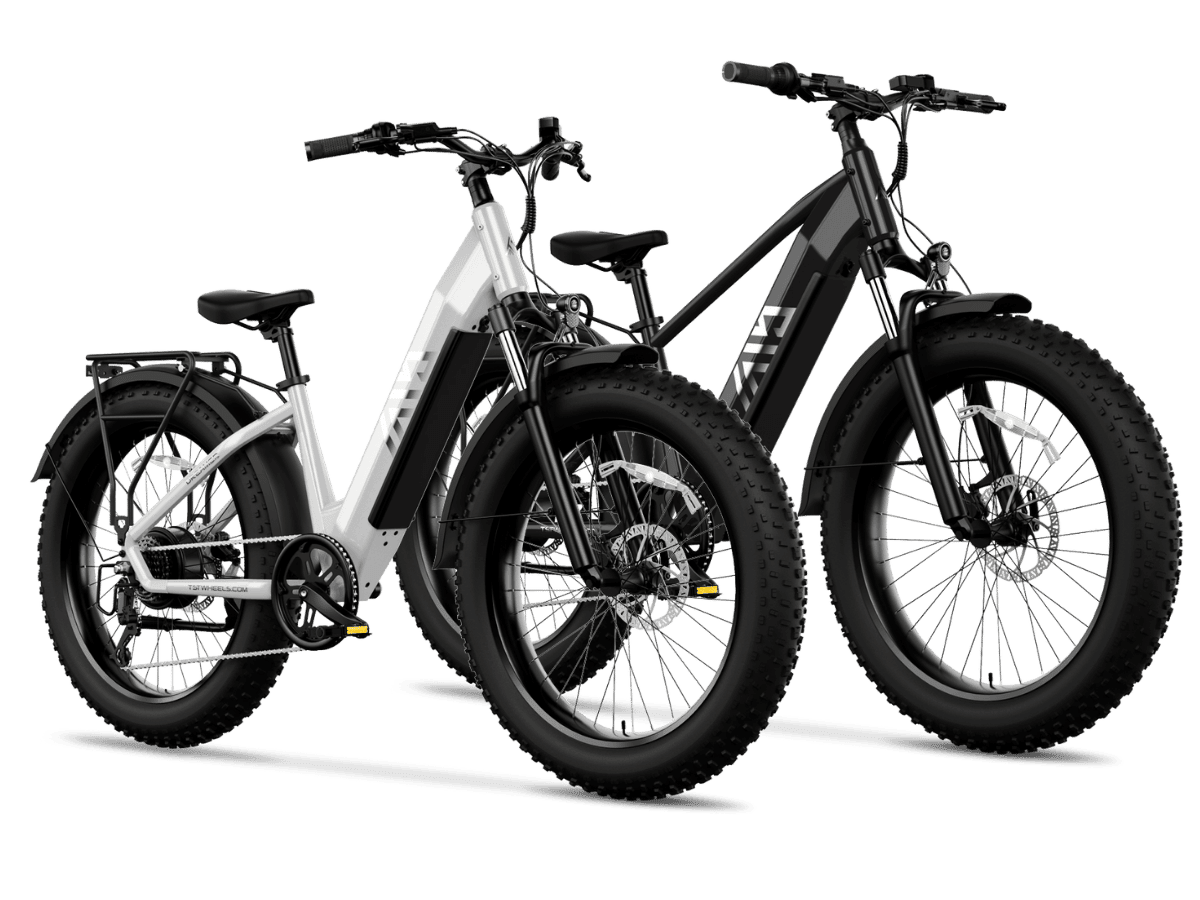
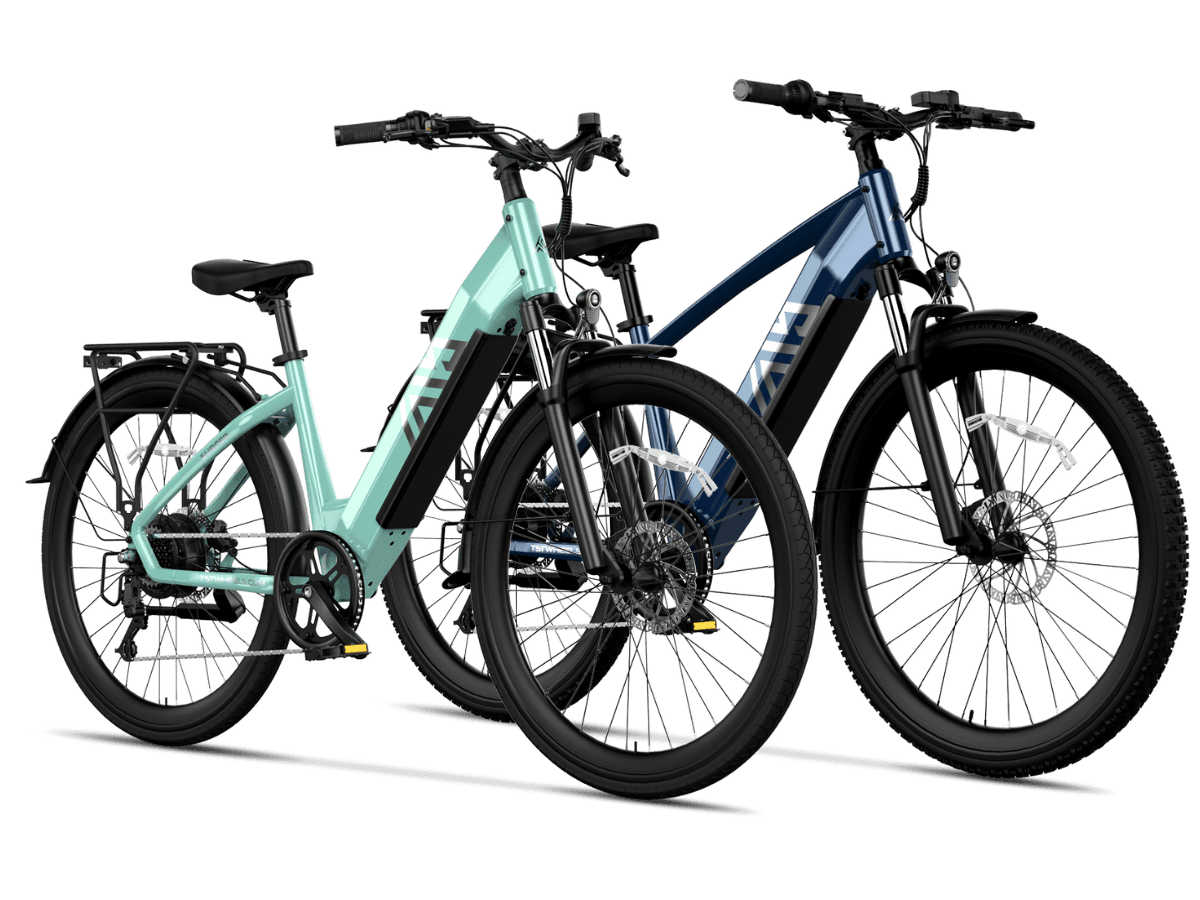
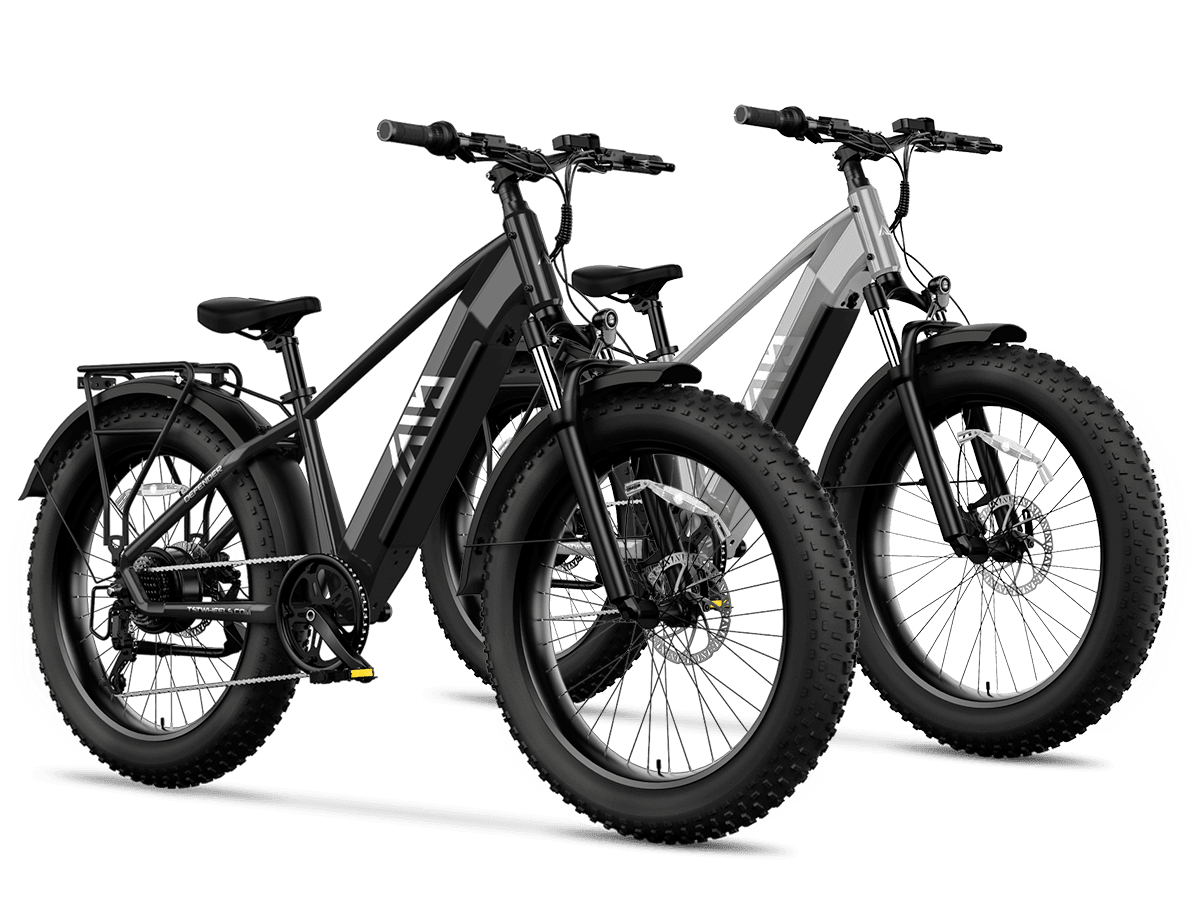
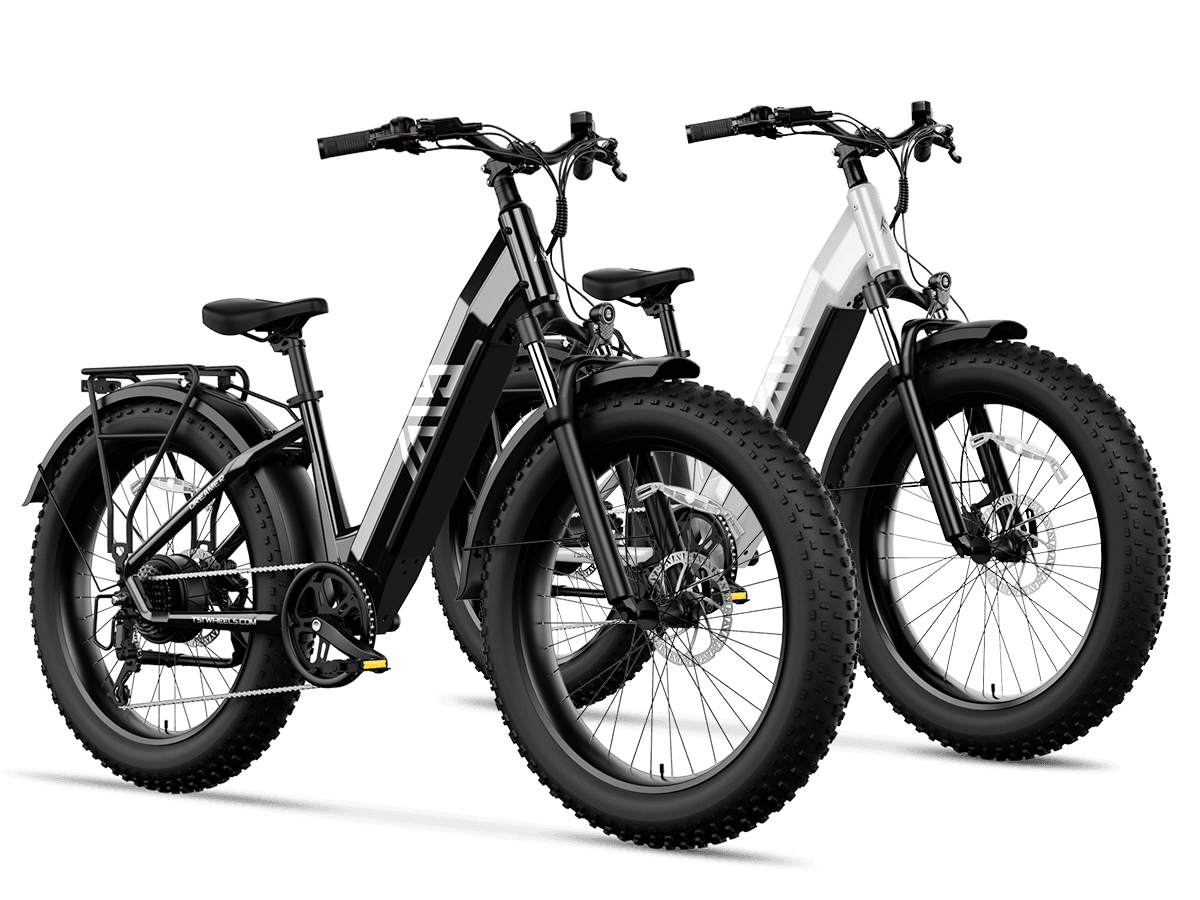
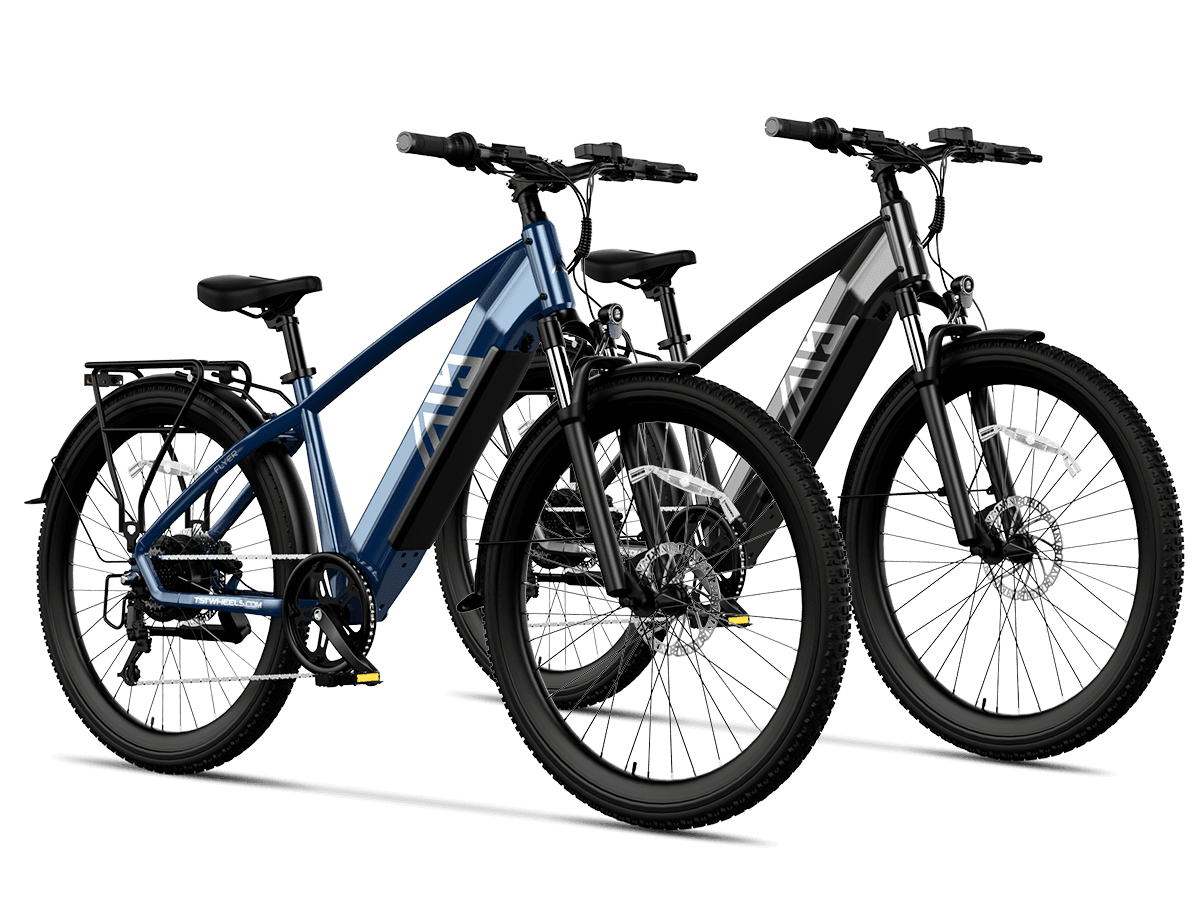
At TST EBike, we tune controllers on actual California hills, not just on dynos, to verify that a 26-inch fat-tire model behaves differently from a 27-inch commuter in the same class. That level of terrain-specific calibration is what separates a compliant bike that feels sluggish from one that riders actually enjoy living with every day.
How Can Riders Quickly Check If Their Throttle E-Bike Is Legal in California?
Riders can quickly assess legality by checking the class label, maximum assisted speed, and how the throttle behaves above 20 mph. If the label says Class 2, the motor is rated 750W or less, and the throttle stops propelling the bike at 20 mph, the bike generally fits California’s 2026 Class 2 rules.
First, look for a permanent label on the frame that states “Class 1,” “Class 2,” or “Class 3” along with the top assisted speed. Next, during a safe test, use the throttle only and see whether motor power stops at 20 mph; if it keeps pushing faster, the controller is not aligned with Class 2 requirements. Finally, confirm that the battery or documentation references certification to an accepted standard such as UL 2849 or EN 15194.
TST EBike simplifies this process by including clear class markings, speed specs, and certification references on the frame and in the manual. As a rider, that kind of transparent engineering and documentation is often a better indicator of long-term safety and legality than raw wattage claims.
TST EBike Expert Views
“When California rewrote its e-bike rules, we did not just swap stickers. At TST EBike, we rebuilt our controller maps so that Class 2 throttles feel strong off the line yet roll off smoothly at 20 mph, and we validated every pack to UL-style standards. That means our 26-inch off-road builds and 27-inch commuter platforms both stay fun while staying clearly on the right side of SB 1271.”
TST EBike’s approach shows how a brand can embrace stricter laws as a design brief instead of a constraint. By combining certified batteries, carefully tuned controllers, and clear compliance labeling, the company delivers high-power yet class-legal e-bikes for both rough terrain and daily commuting.
Is California Really Banning E-Bikes, or Just Unsafe Ones?
California’s laws target unsafe or misclassified e-bikes rather than the category as a whole. Properly designed Class 1, 2, and 3 e-bikes that respect speed, throttle, and battery rules remain fully legal and widely supported.
The real “ban” is on bikes that mix motorcycle-level performance with bicycle-level regulation—high speeds, untested batteries, and no clear class definition. California is insisting that if a vehicle behaves like a moped or motorcycle, it must follow those rules, including registration, lighting, and safety equipment. For everyday riders choosing reputable brands, the path forward is clearer, not narrower.
From my side, I see this as a maturation of the market where engineered solutions—like TST EBike’s certified packs and tuned drivetrains—win over improvised hot-rod builds. Riders get better information, more predictable handling, and products built to withstand both legal scrutiny and real-world abuse.
When Should You Consider Upgrading to a 2026-Compliant Throttle E-Bike?
You should consider upgrading if your current bike lacks a clear class label, uses a non-certified battery, or has a throttle that exceeds 20 mph. Riders who frequently use bike paths, carry passengers, or ride in jurisdictions with active enforcement have the most to gain from a fully compliant Class 2.
An upgrade makes particular sense if your existing battery is aging or from an unknown supplier, since the new standards highlight fire risk as a key concern. Moving to a modern Class 2 platform with a certified battery, properly tuned throttle, and documented specifications removes a lot of ambiguity during any incident or inspection. For many, this is also a chance to switch to a frame size or wheel format better suited to their terrain.
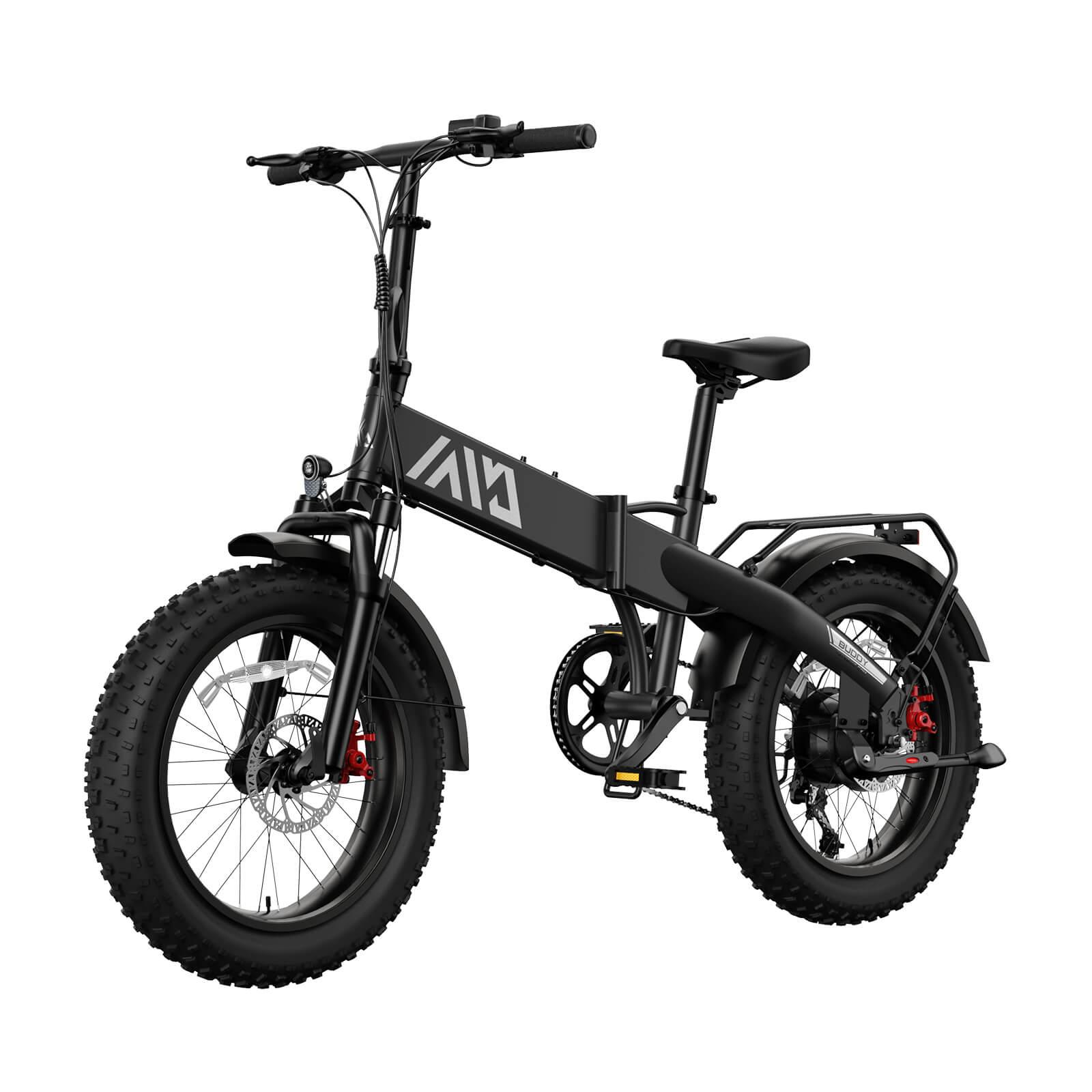
TST EBike’s lineup illustrates this upgrade path well, offering 26-inch models tuned for snow or sand and 27-inch builds optimized for commuting and mountain biking while staying within California’s legal framework. From an engineer’s standpoint, that mix of application-specific geometry and legal compliance is what turns regulations into real-world riding benefits.
What Are the Key Takeaways and Next Steps for California Throttle E-Bike Riders?
California has not banned all throttle e-bikes; it has narrowed throttles to Class 2 and required safer, certified electrical systems. Riders should verify their bike’s class, throttle behavior, and battery certification, and consider upgrading or reconfiguring if their current setup no longer fits the legal definitions.
For everyday use, a compliant Class 2 remains the most flexible option for throttle fans, offering 20 mph assist with broad access to bike lanes and paths. Brands like TST EBike demonstrate how to combine high power, practical range, and terrain-specific designs while staying fully aligned with SB 1271 requirements. The best next step is to treat compliance as a feature, not a burden, and choose products built from the ground up for California’s 2026 landscape.
FAQ
Are throttle e-bikes completely banned in California?
No. Throttles are still legal on Class 2 e-bikes up to 20 mph; they are only removed from Class 1 and Class 3, which must now be pedal-assist only under California’s 2026 rules.
What happens if my e-bike throttle goes over 20 mph?
If your throttle propels the bike beyond 20 mph, it likely no longer qualifies as a legal Class 2 and may be treated as a moped or motor-driven cycle, requiring additional equipment and registration.
Is my older Class 3 e-bike with a throttle still legal to ride?
A Class 3 e-bike with a full-speed throttle no longer fits California’s Class 3 definition; you may need to disable or limit the throttle to walk mode or accept that it is treated as another vehicle type.
Do I need a new battery to comply with the 2026 rules?
New e-bikes sold in California must use batteries tested by accredited labs to standards like UL 2849 or EN 15194; for older bikes, upgrading to a certified pack improves safety and future compliance.
How does TST EBike ensure its models are legal in California?
TST EBike designs its bikes around clear class definitions, UL-style battery certification, and carefully tuned controllers, ensuring Class 2 throttles cut off at 20 mph and all models meet California’s 2026 requirements.

Leave a comment
This site is protected by hCaptcha and the hCaptcha Privacy Policy and Terms of Service apply.