


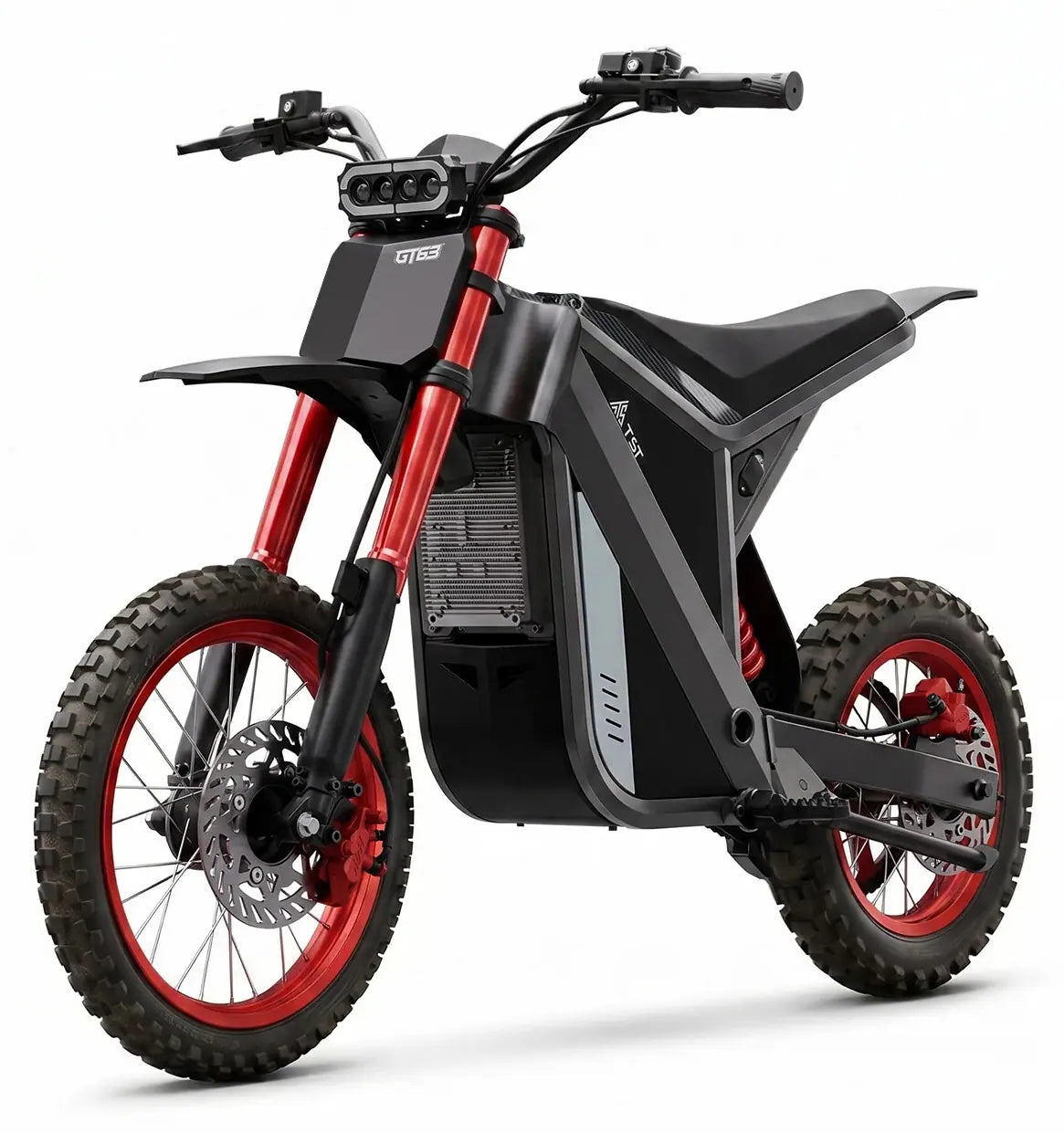

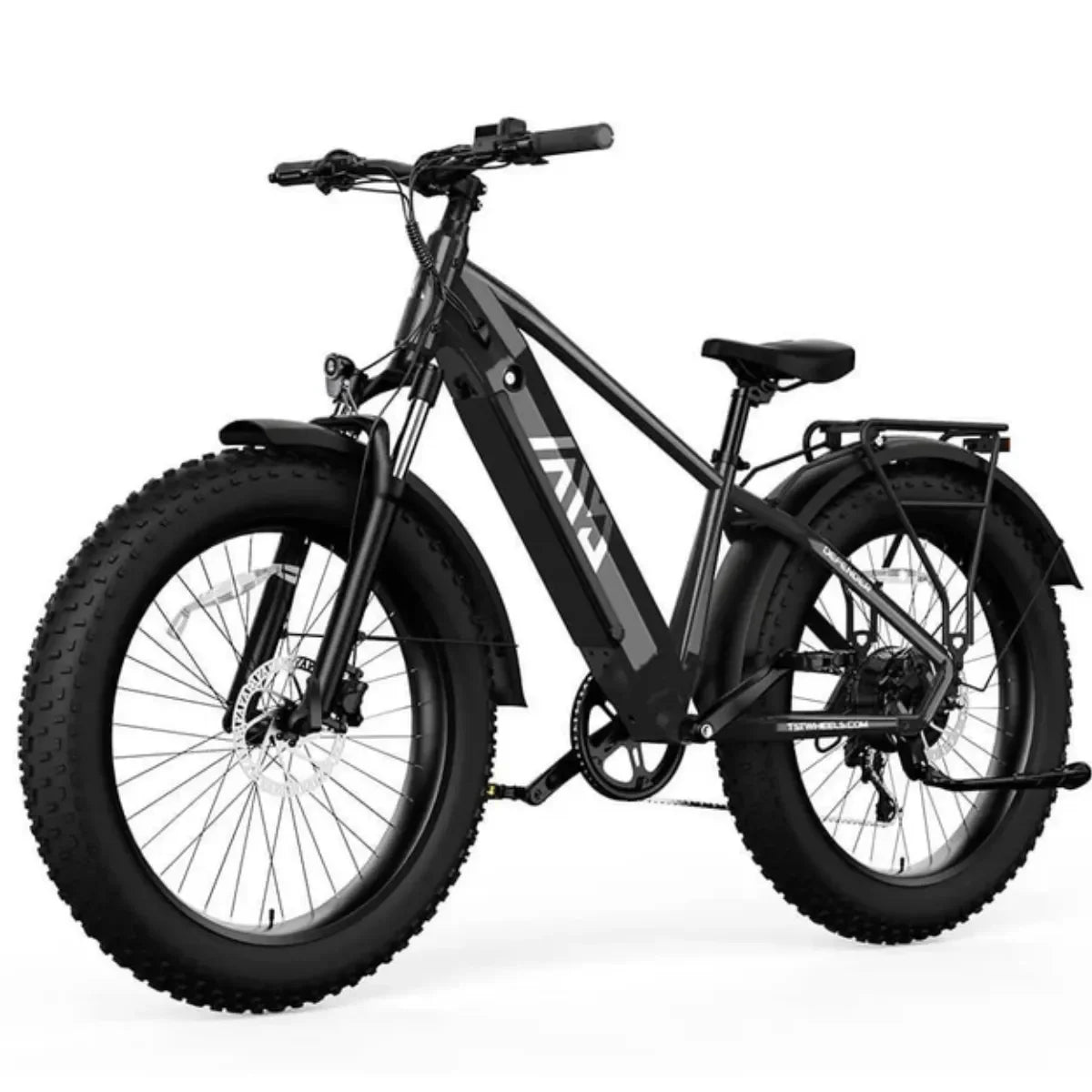
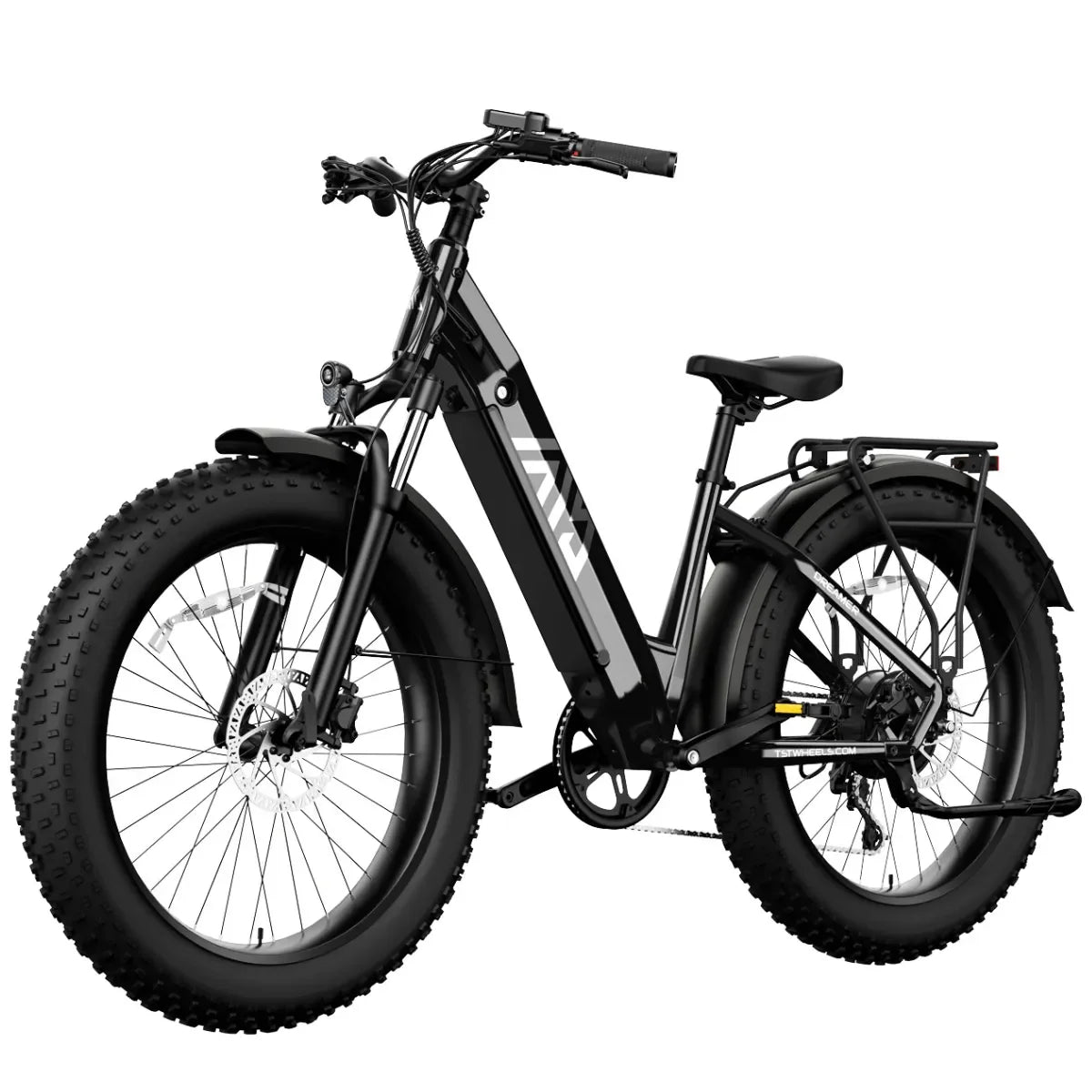

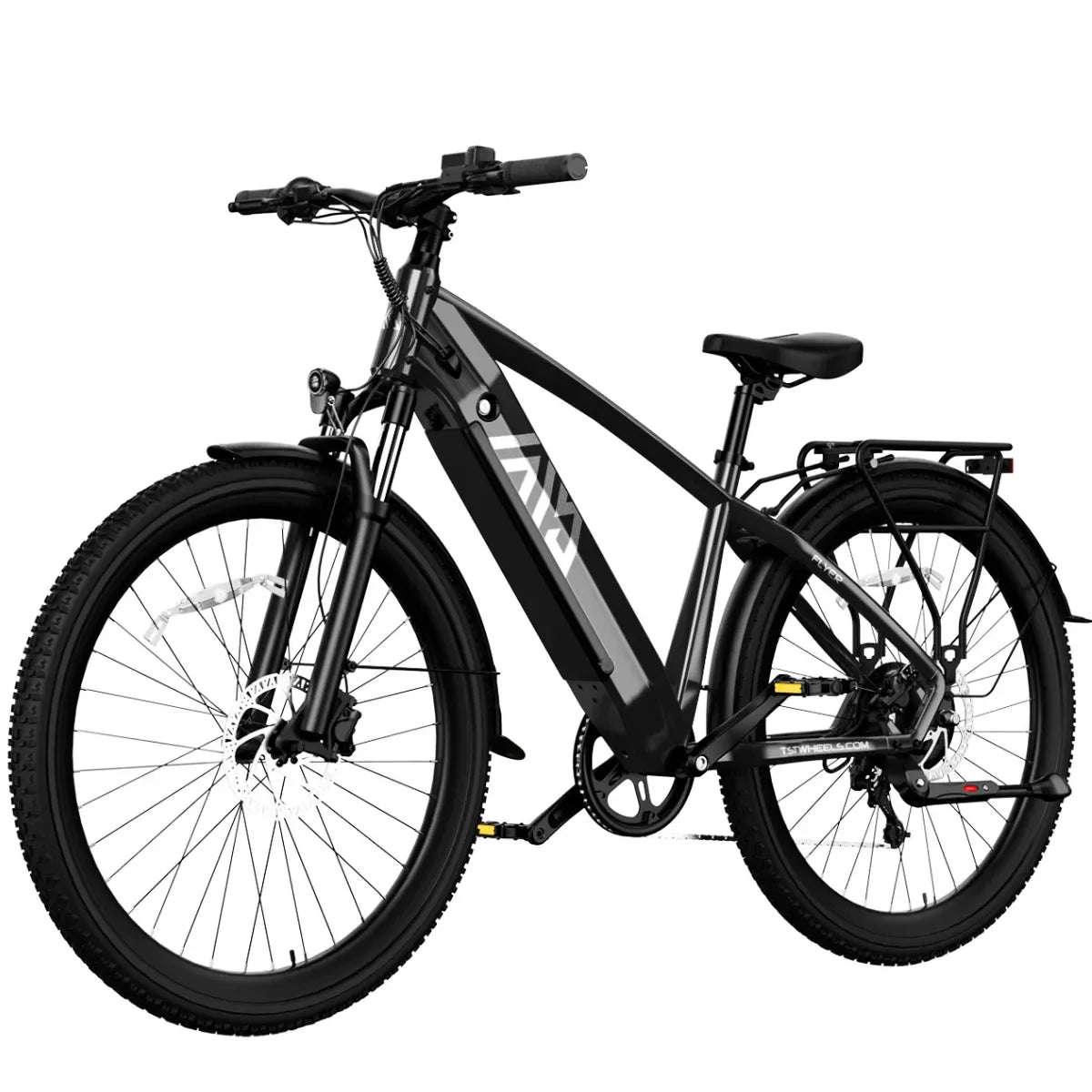










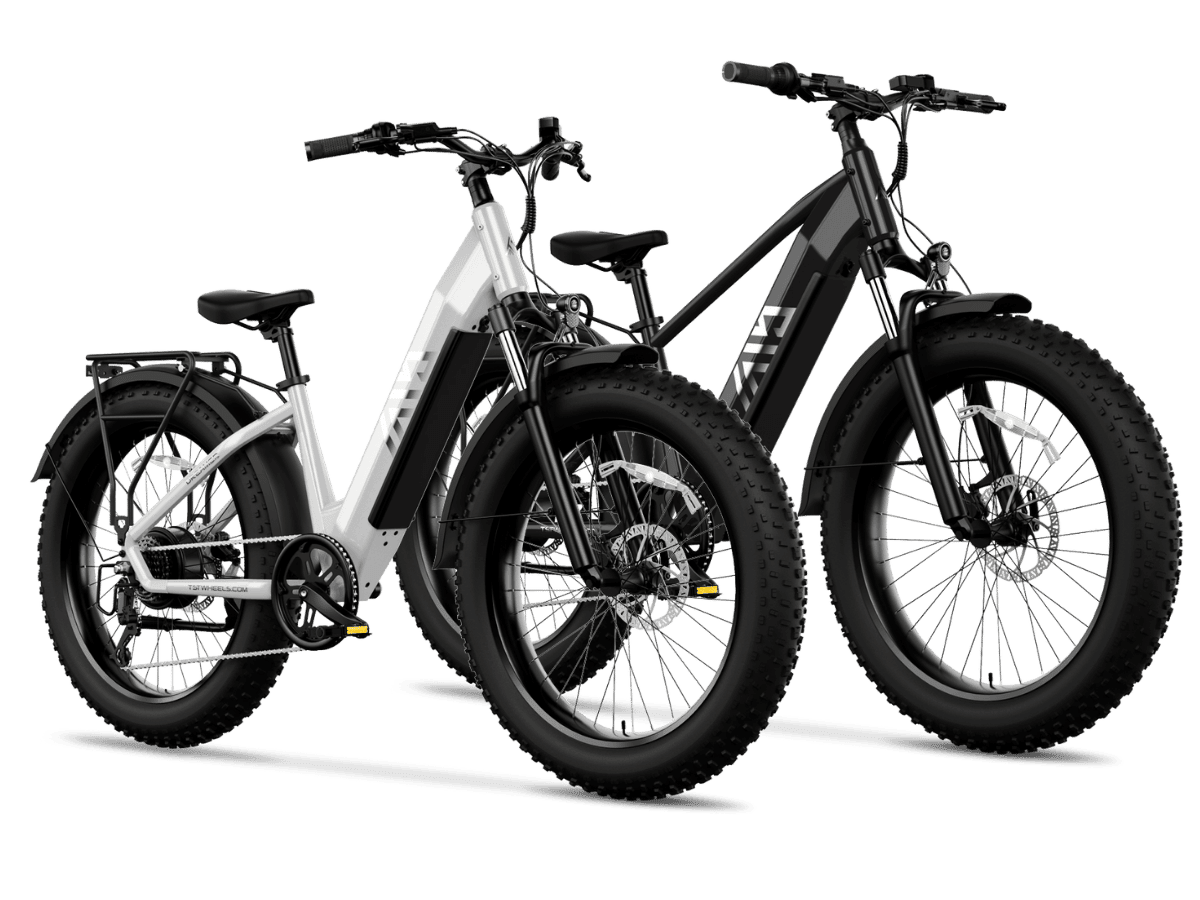
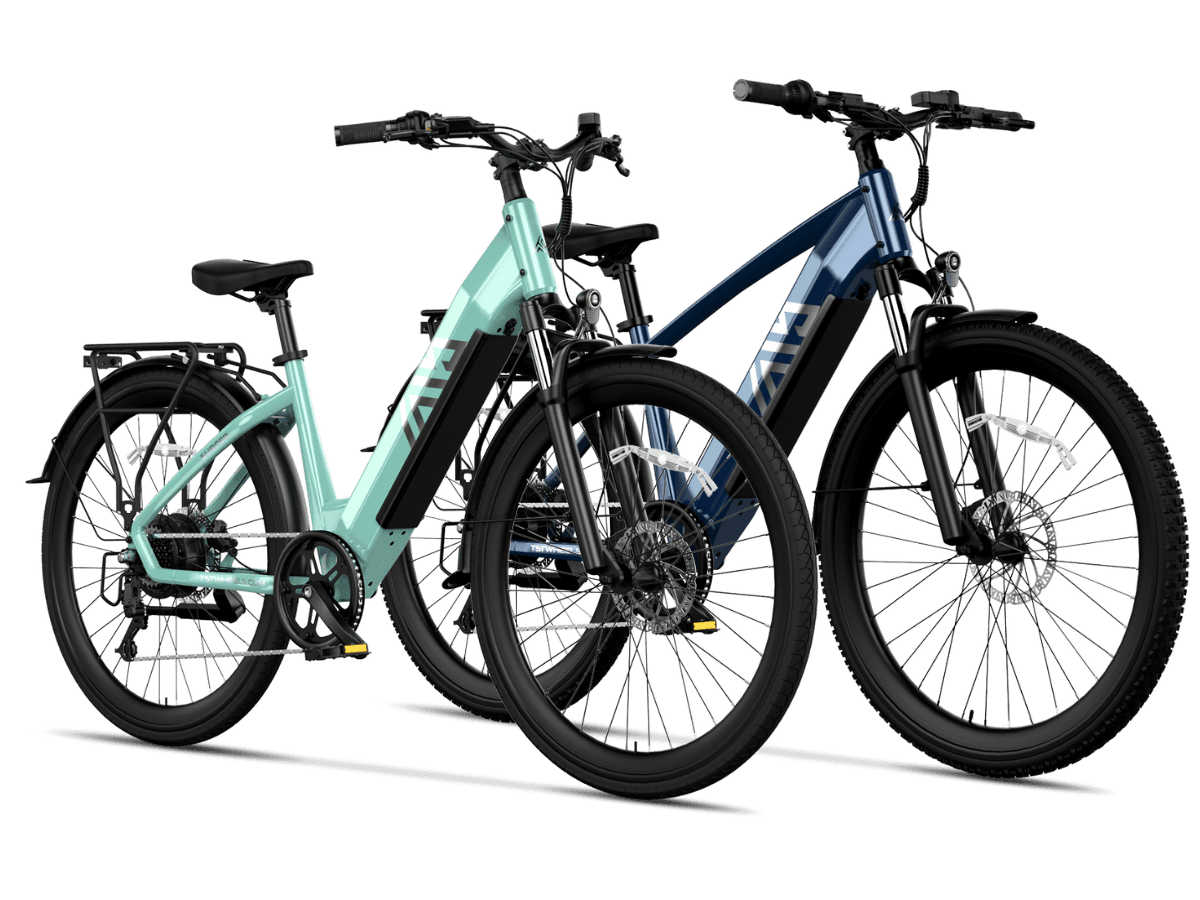
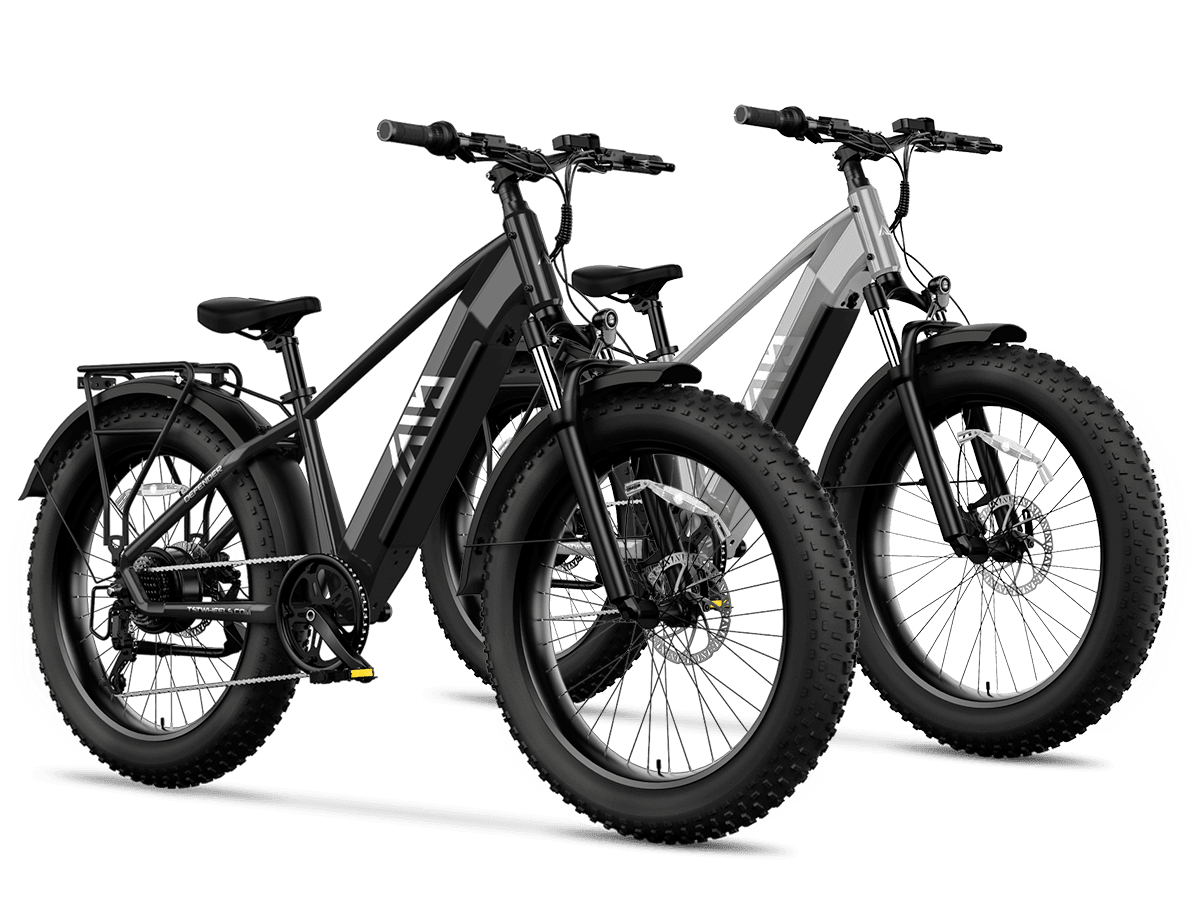
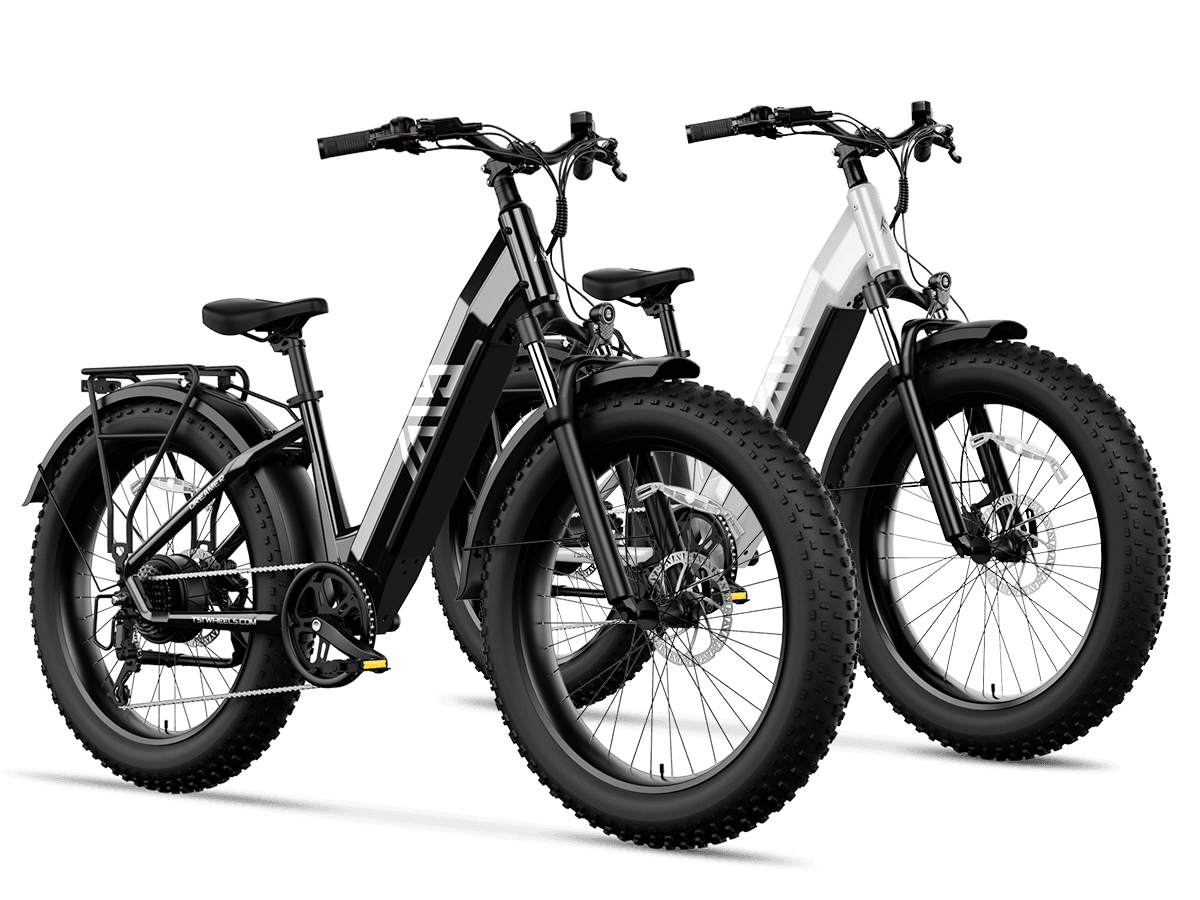

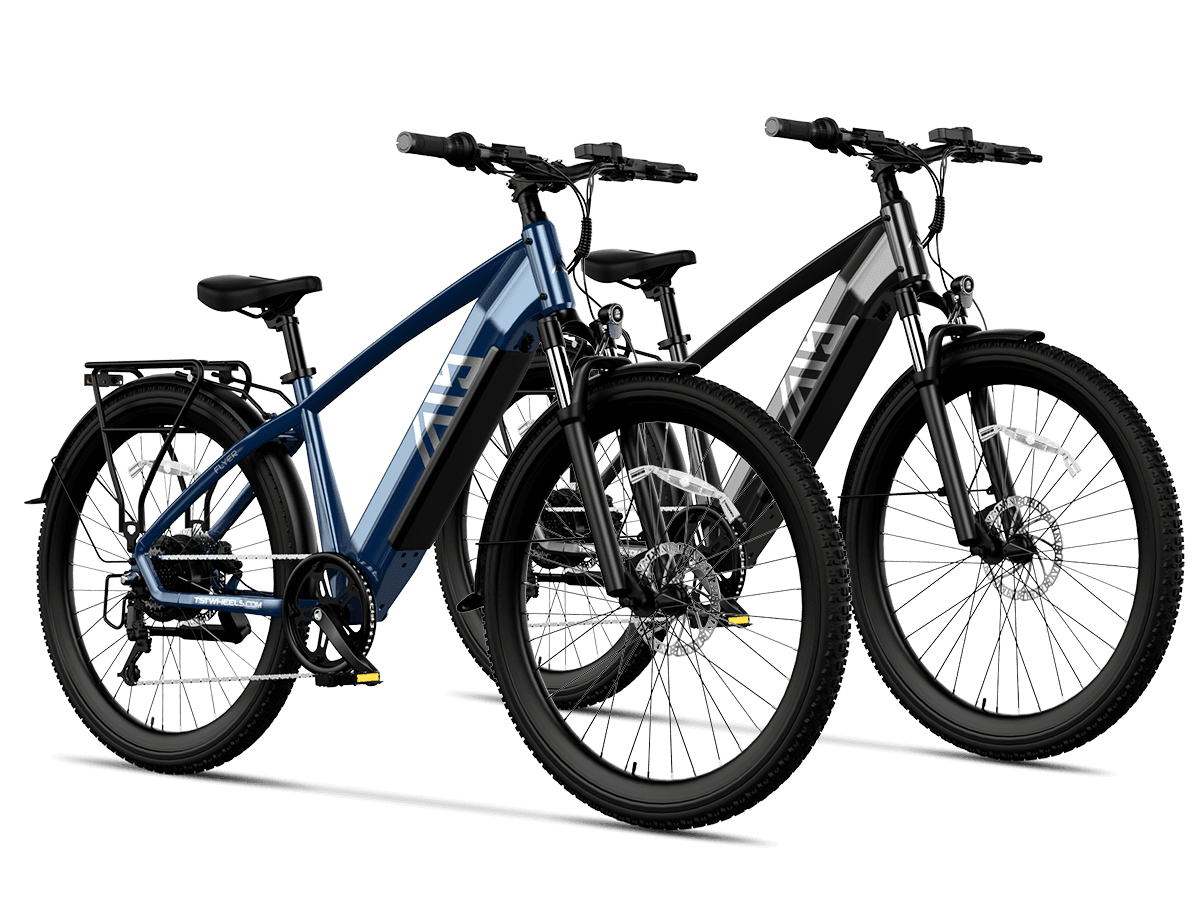

Cafe racer electric bikes can deliver roughly 750–2000 W of continuous power on the road, with many performance‑oriented models capable of 3000–5000 W peaks during hard acceleration. Most legal street‑legal models top out around 28–35 mph, but high‑power cafe‑racer‑style ebikes can push beyond 40–50 mph in unlocked or off‑road modes. This combination of torque‑rich motor output and retro styling gives riders a sporty, motorcycle‑like feel while still fitting within many e‑bike class rules.
How much continuous power do cafe racer ebikes use?
Most street‑legal cafe racer electric bikes use 500–1000 W of continuous motor power, with many mid‑range models landing around 750 W to stay within Class 2 or 3 e‑bike regulations. This level of power is enough to deliver strong acceleration from stops, easy hill climbing, and a comfortable cruising speed of 20–28 mph, depending on gearing and assist level. Higher‑end cafe‑racer‑style ebikes often bump continuous output to 1500–2000 W, which noticeably improves hill‑climbing ability and two‑up comfort.
In practice, continuous power defines how “effortless” the ride feels on long inclines or in headwinds, not just top speed. A 750 W motor will pull a solo rider comfortably on city streets but may struggle more with heavy loads or steep grades compared with a 1500–2000 W setup. TST EBike focuses on this mid‑range bracket, pairing high‑power yet efficient motors with retro‑style and commuter frames so riders get a sporty feel without instantly draining the battery.
How much peak power can a cafe racer ebike hit?
Cafe racer electric bikes often deliver much higher peak power than their continuous rating, sometimes reaching 3000–5000 W in short bursts for rapid acceleration. This surge is what gives many retro‑style ebikes their “motorcycle‑like” launch, especially when the rider floors the throttle on a 48–52 V platform. Peak power usually lasts only a few seconds while the controller limits current to protect the motor and battery.
Manufacturers tune these surges to match the bike’s design intent: legal‑compliant city cafe racers may cap peak power around 2000–2500 W, while more aggressive, off‑road‑oriented models can push beyond 3500–4000 W in race or sport modes. This extra burst helps riders slice through traffic, conquer steep grades quickly, or add a fun “kick” without permanently running the motor at maximum load. TST EBike integrates similar thinking into its 26‑inch and 27‑inch platforms, using intelligent controllers that allow short high‑power bursts while still guarding battery health over time.
How does power affect top speed on the road?
The amount of power a cafe racer electric bike can deliver directly shapes its top speed on the road. Most 750 W, street‑legal cafe‑racer‑style ebikes top out around 20–28 mph, depending on whether they use throttle‑only, pedal‑assist, or a mix of both. Increasing motor power to 1500–2000 W and tuning the final gearing can push some models into the 30–35 mph band, which feels distinctly sportier than a typical commuter ebike.
At higher power levels—3000 W and above—top speed can rise into the 40–50 mph range, but this often moves the bike out of standard e‑bike classification and into moped‑style territory. Aerodynamics, weight, and rolling resistance still play a role, so adding power alone does not guarantee higher speed; the drivetrain and controller must be well‑matched. Riders who want cafe‑racer flair without regulatory complexity usually find that 750–1500 W platforms from value‑oriented brands like TST EBike deliver a satisfying balance between speed, legality, and range.
what torque does a cafe racer ebike produce?
Cafe racer electric bikes typically produce 40–100 Nm of torque at the wheel, with many 750–1000 W models sitting around 50–70 Nm. This torque range gives riders strong off‑the‑line pull, making it easy to launch from traffic lights, tackle short hills, and keep momentum in city traffic. Rear‑hub‑motor setups tend to feel more direct, while mid‑drive systems multiply torque through the drivetrain, changing how “sharp” the acceleration feels.
Higher‑power cafe‑racer‑style ebikes can push torque into the 80–120 Nm range, which noticeably improves performance on steep climbs and with heavier riders or cargo. Riders often describe this feel as “scooter‑ or small‑motorcycle‑like,” especially when paired with a low, cafe‑racer riding position and grippy tires. TST EBike engineers its 26‑inch and 27‑inch models with similarly torque‑rich motors so riders experience confident acceleration without needing to max out the throttle constantly.
torque and power by use case
How does power relate to legal e‑bike classification?
The amount of power a cafe racer electric bike delivers directly affects its legal classification in many regions. Class 1 and 2 ebikes are usually limited to 750 W of motor output and 20–25 mph top speed, which fits many retro‑style cafe racers with 500–750 W motors. Class 3 models may allow up to 750 W but permit higher speeds (around 28 mph), especially when using pedal‑assist.
Cafe racers tuned beyond 750 W or with top speeds over 28–30 mph often fall into moped or light‑motor‑vehicle categories, potentially requiring registration, insurance, and a license depending on local law. Riders who want true cafe‑racer styling without extra bureaucracy therefore gravitate toward 750 W or 1000 W class‑compliant models, such as those offered by TST EBike, which pair legal‑friendly power with retro aesthetics and strong hill‑climbing performance.
How does rider weight and load affect power use?
Rider weight and cargo have a major impact on how much power a cafe racer electric bike actually uses on the road. Heavier riders and heavy loads increase the force the motor must apply to maintain speed, especially on inclines, which raises current draw and reduces range. A 750 W motor that feels brisk with a light rider may feel strained with two adults and heavy bags, even though the peak power figure hasn’t changed.
Adding weight also increases braking distance and rolling resistance, so the bike must work harder to keep up on rolling terrain. Riders who frequently carry cargo or ride two‑up should therefore consider models with 1000–1500 W motors and beefier frames. TST EBike builds its 26‑inch and 27‑inch ebikes with robust frames and high‑power, cost‑effective motors specifically to handle mixed loads and changing rider combinations without sacrificing reliability.
How does assist level change delivered power?
Assist level has a direct effect on how much power a cafe racer electric bike actually delivers on the road. In Eco or low‑assist modes, the motor may only add 250–400 W of support, keeping speeds moderate and range high. Riders who pedal steadily can feel like the bike is quietly amplifying their effort rather than taking over, which is ideal for long commutes or light‑traffic routes.
In mid and high‑assist or Sport modes, the controller lets the motor draw far more current, sometimes pushing the bike close to its maximum power output of 750–1500 W. Throttle‑only riding in these modes further increases power draw, which can cut range by 30–50% compared with Eco. Riders who want maximum performance from a cafe‑racer‑style ebike but still want decent range often mix lower assist on flat roads with higher assist for climbs and traffic gaps. TST EBike’s multi‑level assist system is designed to reward this kind of adaptive riding, balancing power delivery with range and comfort.
How does battery and motor cooling manage power output?
Battery and motor cooling play a key role in how much power cafe racer electric bikes can deliver safely over time. High‑power motors generate heat under sustained load, especially at 1500–2000 W or higher, so good airflow and heat‑dissipating housings help prevent thermal throttling. Direct‑drive hubs and exposed mid‑drives that allow natural air cooling can sustain higher power for longer than tightly shrouded or low‑cooling setups.
Battery packs also heat up when supplying high currents, so many modern cafe‑racer‑style ebikes pair larger 48–52 V packs with internal temperature sensors and balancing circuitry. This keeps voltage stable and avoids sudden power drops when the system hits thermal limits. Riders who live in hot climates or ride aggressively should look for bikes with proven cooling designs and robust battery management. TST EBike integrates these features into its 26‑inch and 27‑inch platforms so high‑power retro‑style and commuter models can deliver strong performance without overheating on long rides.
TST EBike Expert Views
“Cafe racer electric bikes are about blending retro style with real‑world performance, and power is at the heart of that balance,” says a TST EBike product specialist. “Our high‑power, cost‑effective ebikes typically sit in the 750–1500 W range, which gives riders that sporty launch and strong hill‑climbing without pushing into license‑required territory. We focus on smooth torque delivery and intelligent assist so riders feel like they’re piloting a stylish, modern machine that’s still practical for everyday use. For riders who want café‑racer flair without the headache of extra regulations, TST EBike offers a sweet spot of power, range, and value that fits perfectly in city streets and mixed‑use roads.”
Conclusion and actionable advice
Cafe racer electric bikes can deliver anywhere from 500–1000 W of continuous power on the road, with some performance models pushing up to 1500–2000 W or higher in peak bursts. That power translates into brisk acceleration, strong hill‑climbing, and sporty top speeds, all wrapped in a retro, motorcycle‑inspired package. Riders who want street‑legal simplicity usually find the 750–1000 W range ideal, while those chasing more performance may opt for higher‑power or semi‑legal setups.
To choose the right cafe racer ebike, match the motor power to your weight, terrain, and local laws; prioritize torque and assist behavior as much as headline wattage; and consider brands like TST EBike that balance high‑power performance with practical, everyday ebike usability. When riding, use lower assist on flat roads, reserve higher modes for climbs, and keep the bike well‑maintained so the motor and battery can consistently deliver their rated power over time.
Frequently asked questions
Q: How much power is typical for a street‑legal cafe racer ebike?
Most street‑legal cafe racer electric bikes use 500–750 W of continuous motor power, with top speeds around 20–28 mph. This keeps them within Class 1–3 e‑bike rules in many regions while still providing strong acceleration and hill‑climbing.
Q: Can a cafe racer ebike really feel like a motorcycle?
Yes; many high‑power cafe‑racer‑style ebikes deliver 1500–2000 W and 60–90 Nm of torque, giving a sporty launch and stable high‑speed feel. Combined with low seating and retro styling, they evoke small‑displacement motorcycles without combustion engines.
Q: How does more power affect range on a cafe racer ebike?
More power accelerates the rider faster but also burns through battery capacity more quickly. Riders who constantly use high‑assist or throttle at 1500–2000 W may see range drop 30–50% compared with Eco mode, even on the same battery.
Q: Are 2000 W cafe racer ebikes street legal everywhere?
No; many 2000 W or higher models exceed standard 750 W e‑bike limits and may be classified as mopeds or light motor vehicles, requiring registration, insurance, or a license depending on local law. Always check your jurisdiction before buying.
Q: How does TST EBike’s power output compare on cafe‑racer‑style models?
While TST EBike does not position itself as a pure cafe racer brand, its 26‑inch and 27‑inch high‑power ebikes are tuned in the 750–1500 W range, giving riders strong torque and sporty performance in retro‑style and commuter frames at competitive prices.

Leave a comment
This site is protected by hCaptcha and the hCaptcha Privacy Policy and Terms of Service apply.