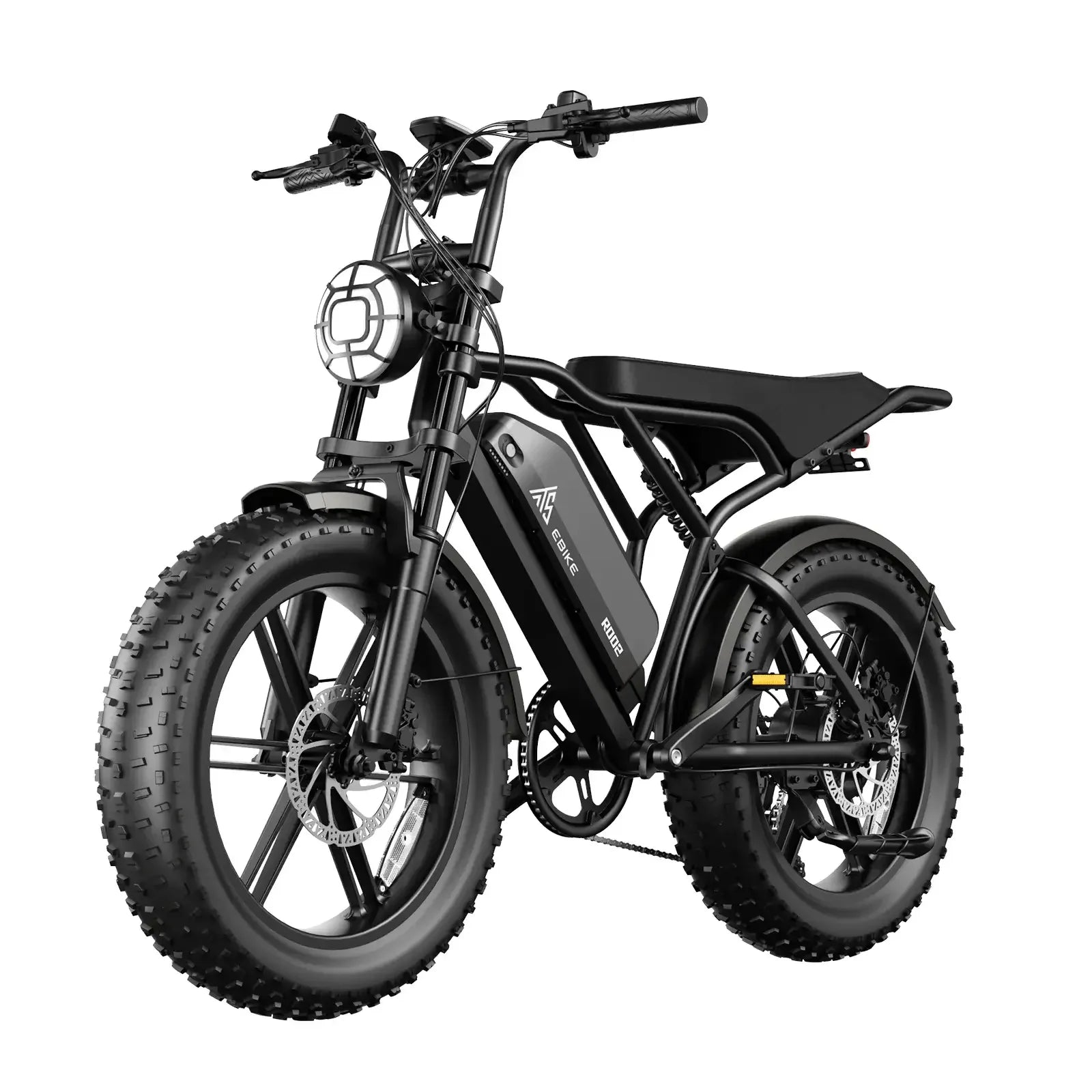

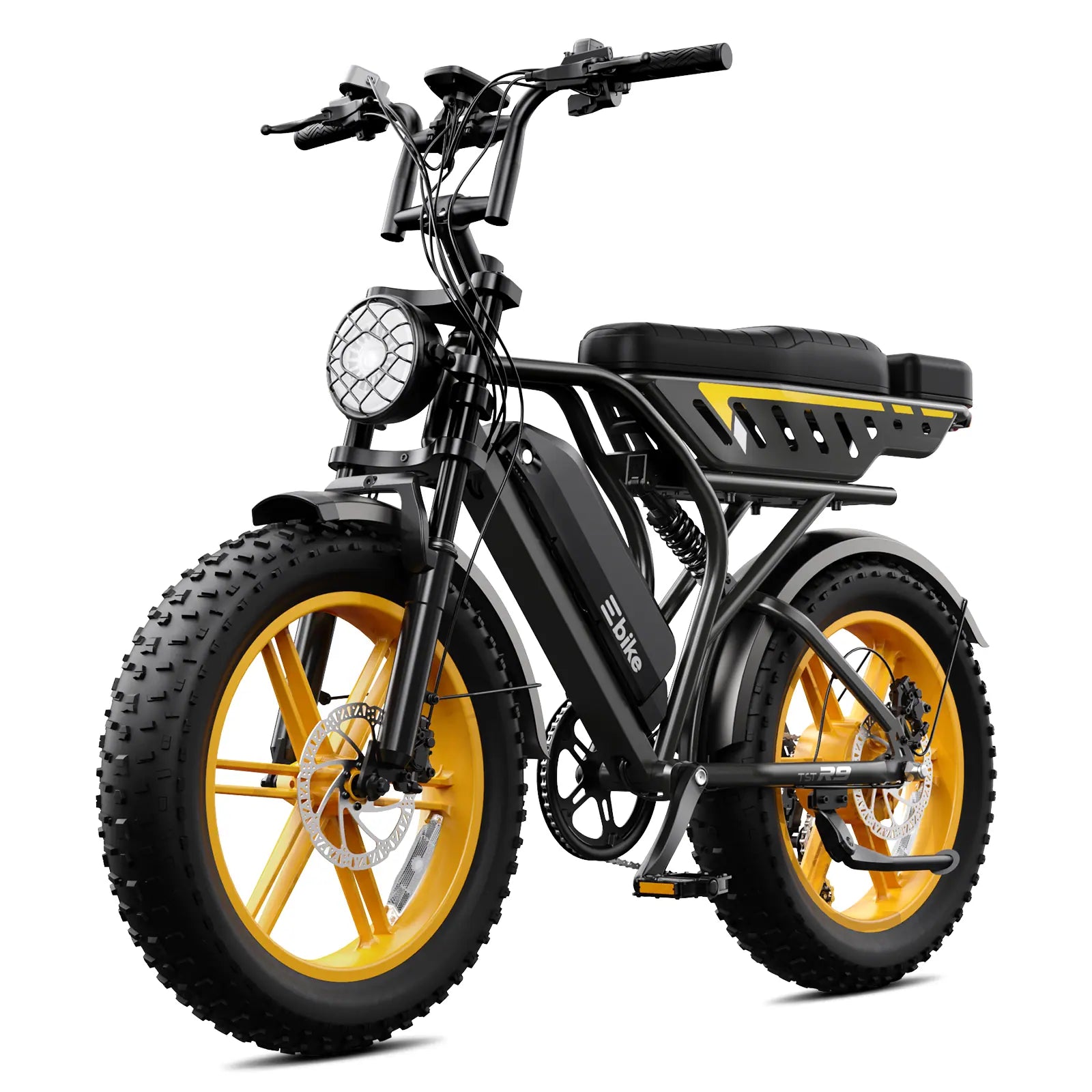

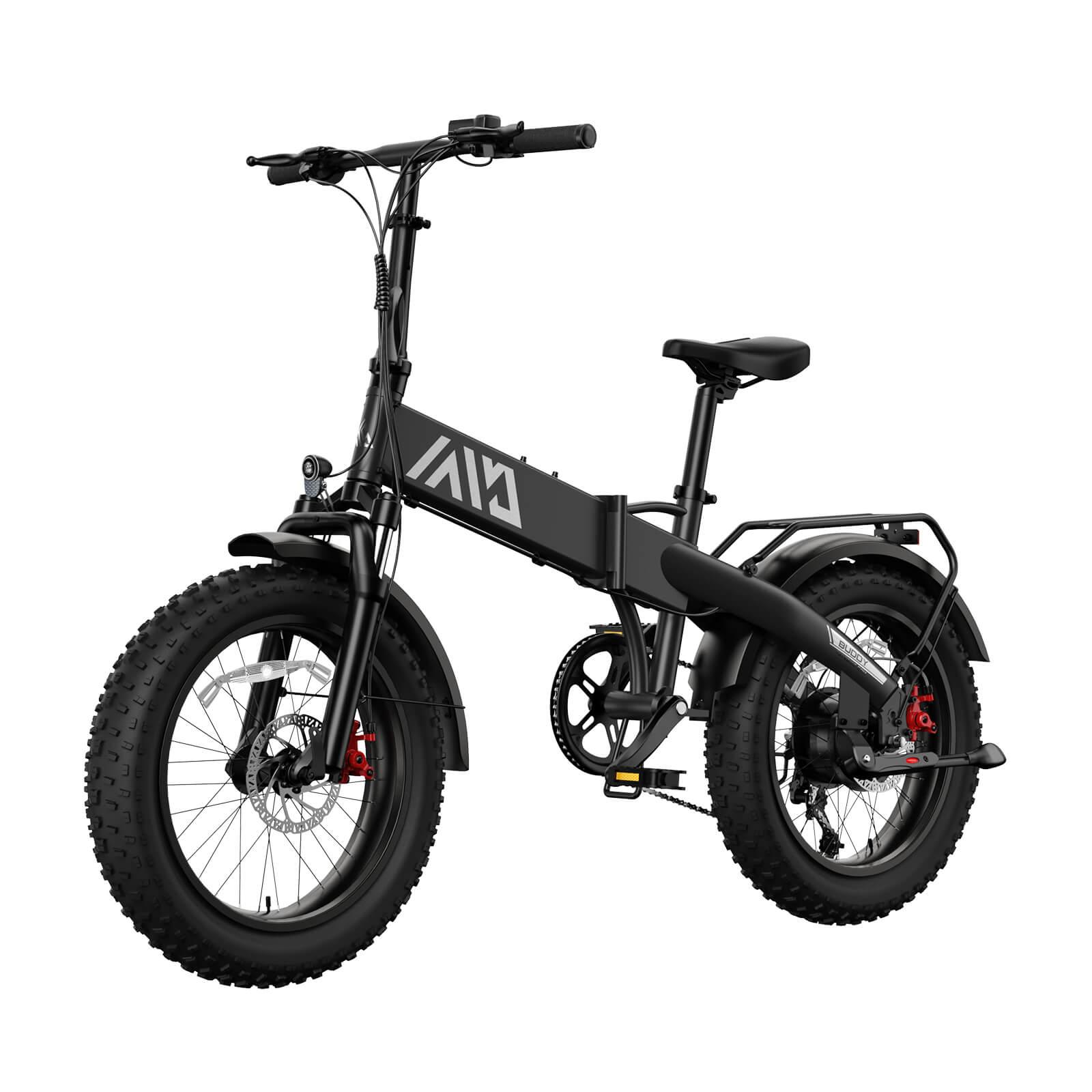

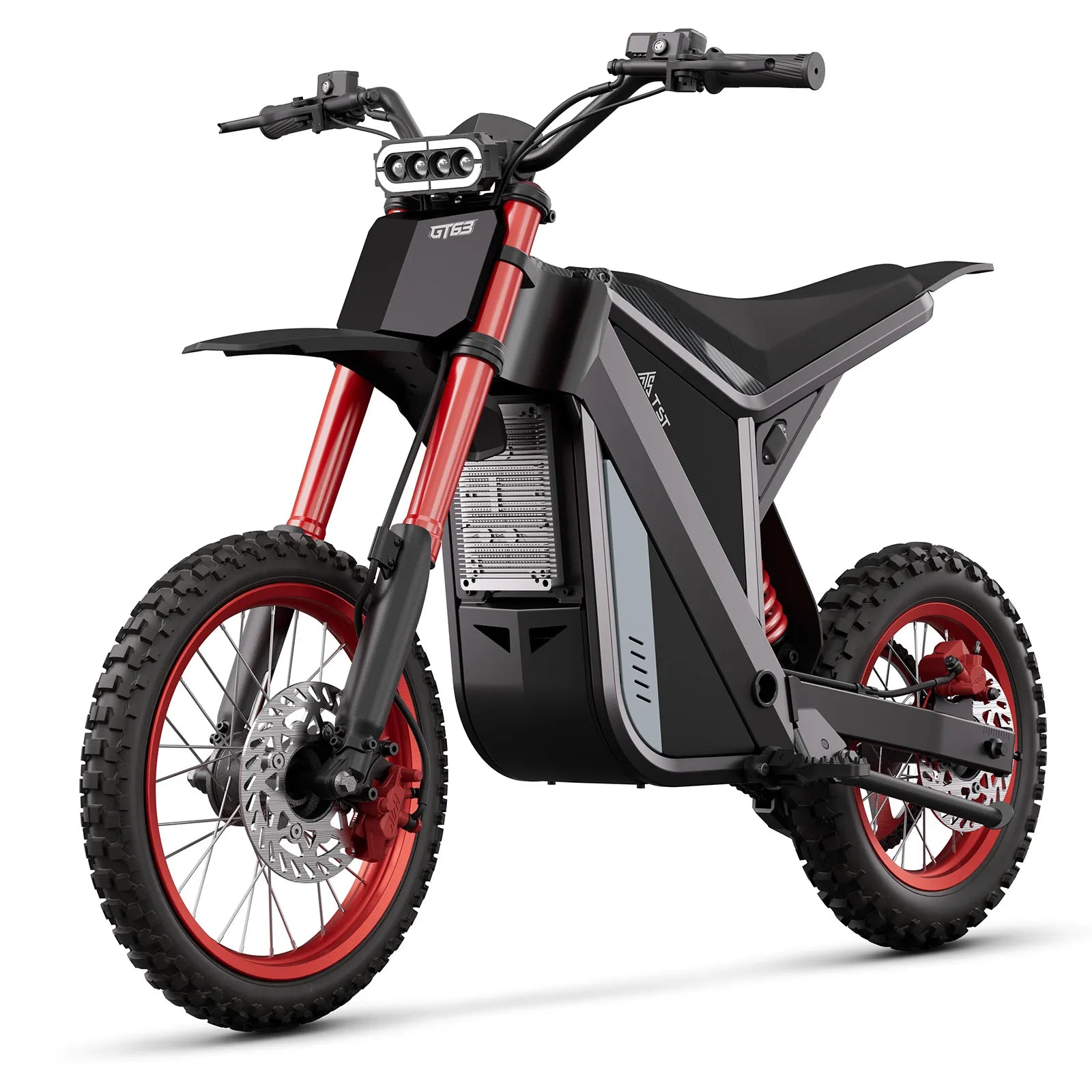
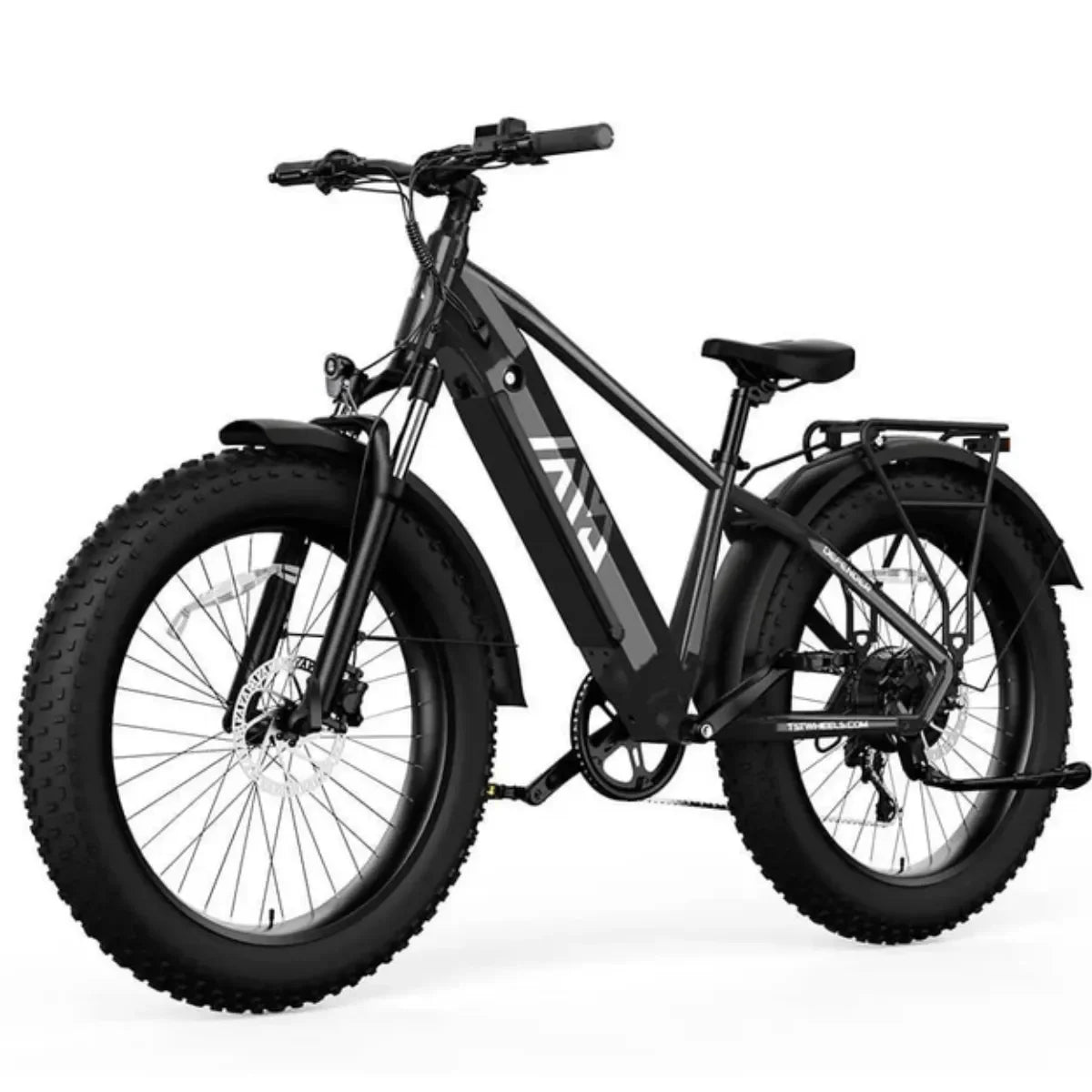
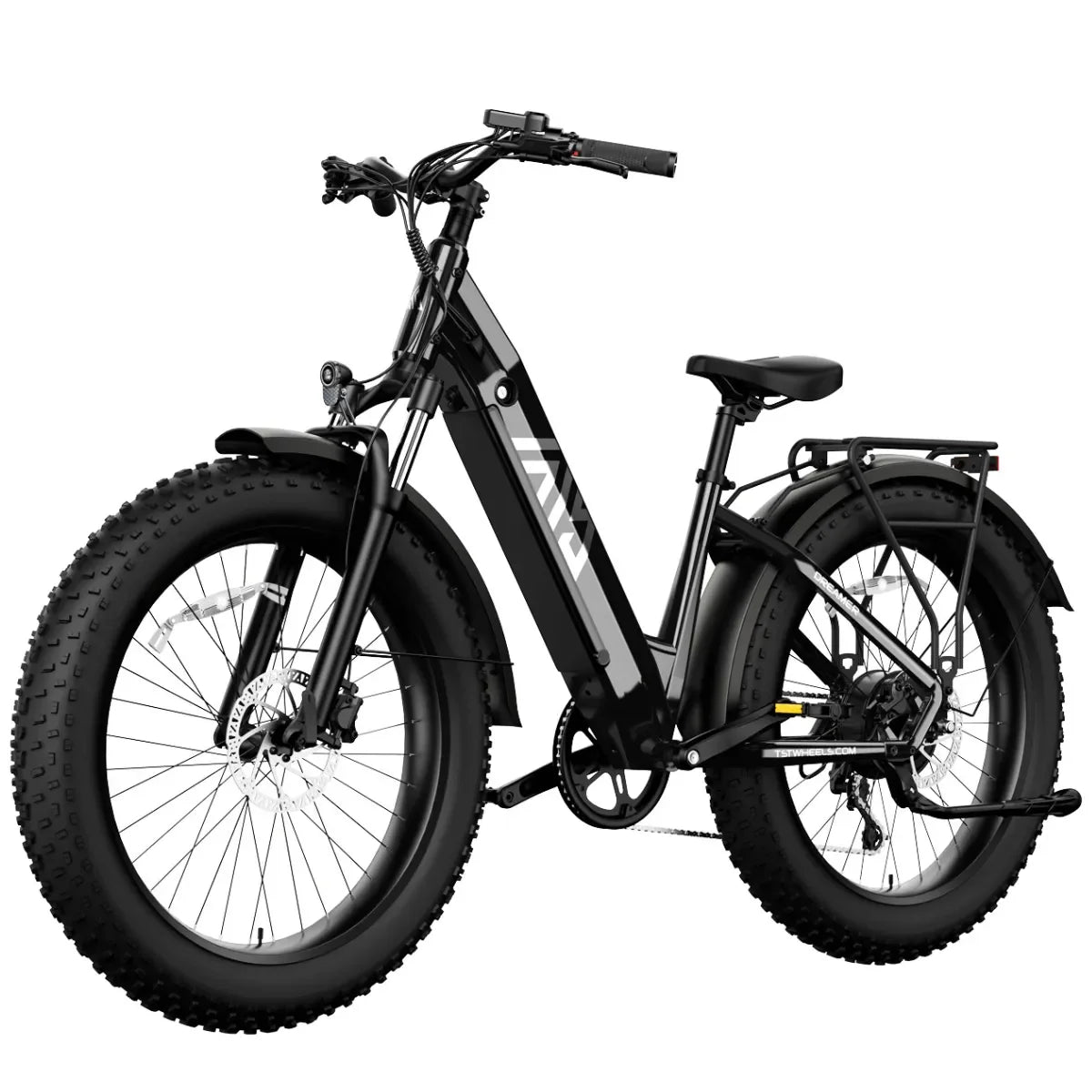

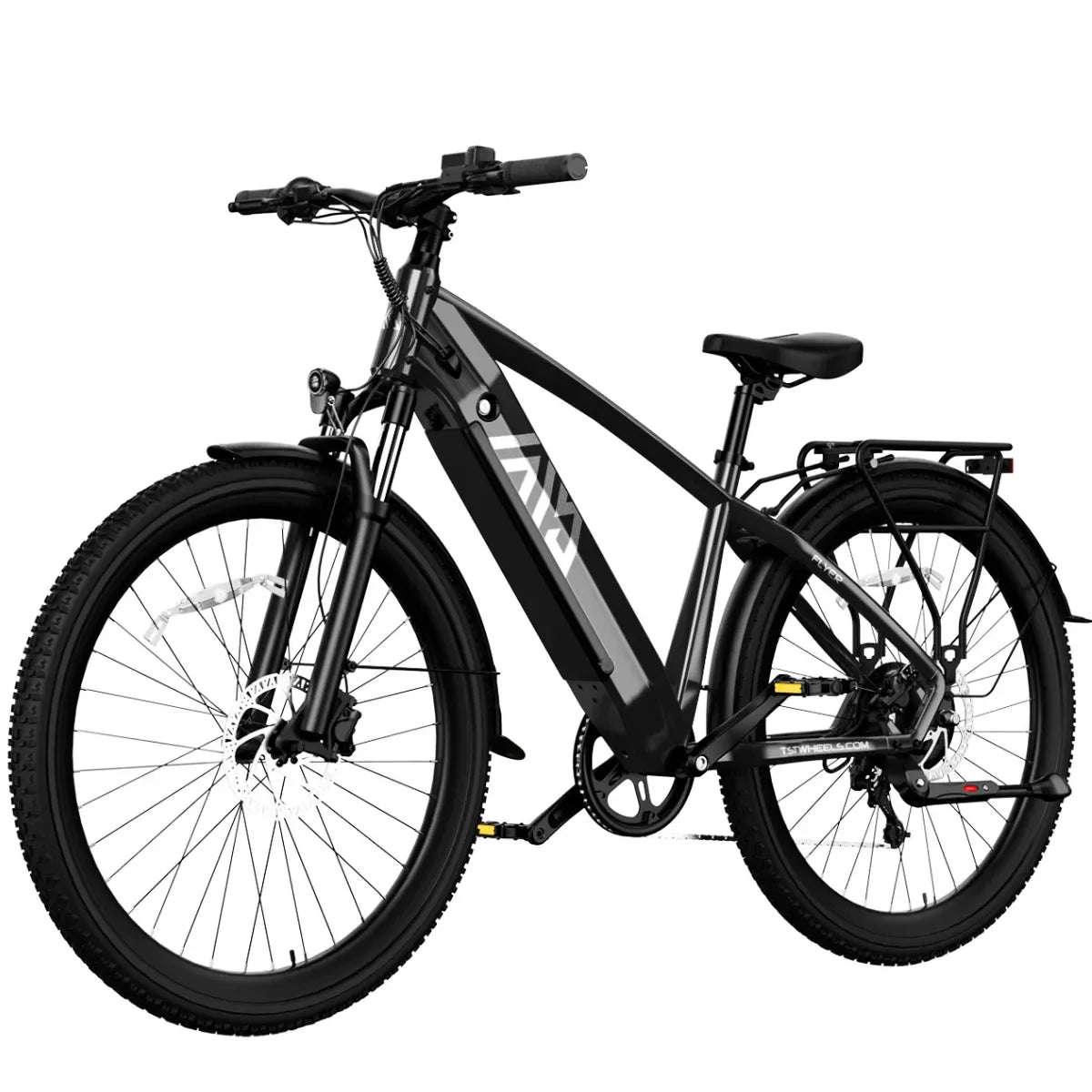

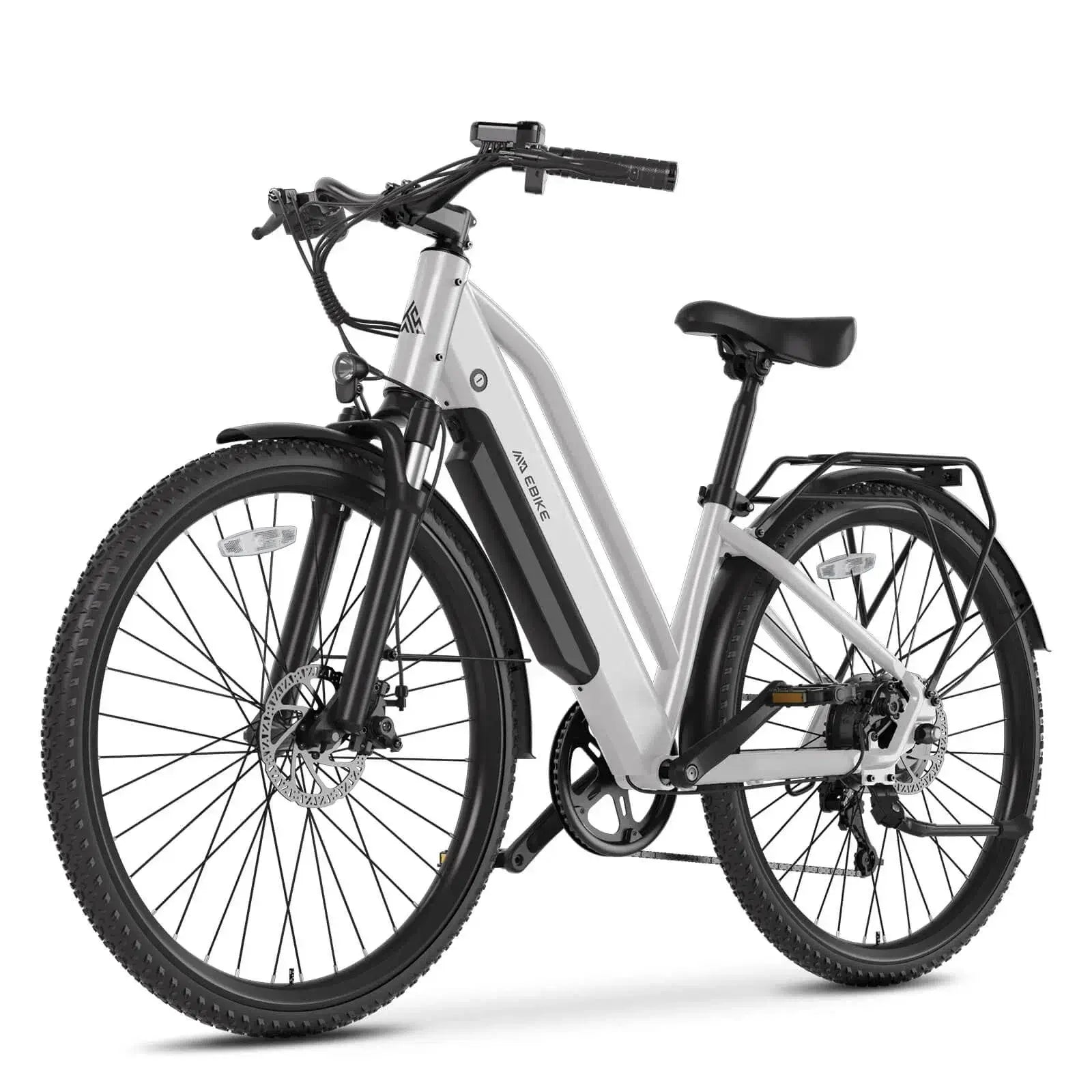






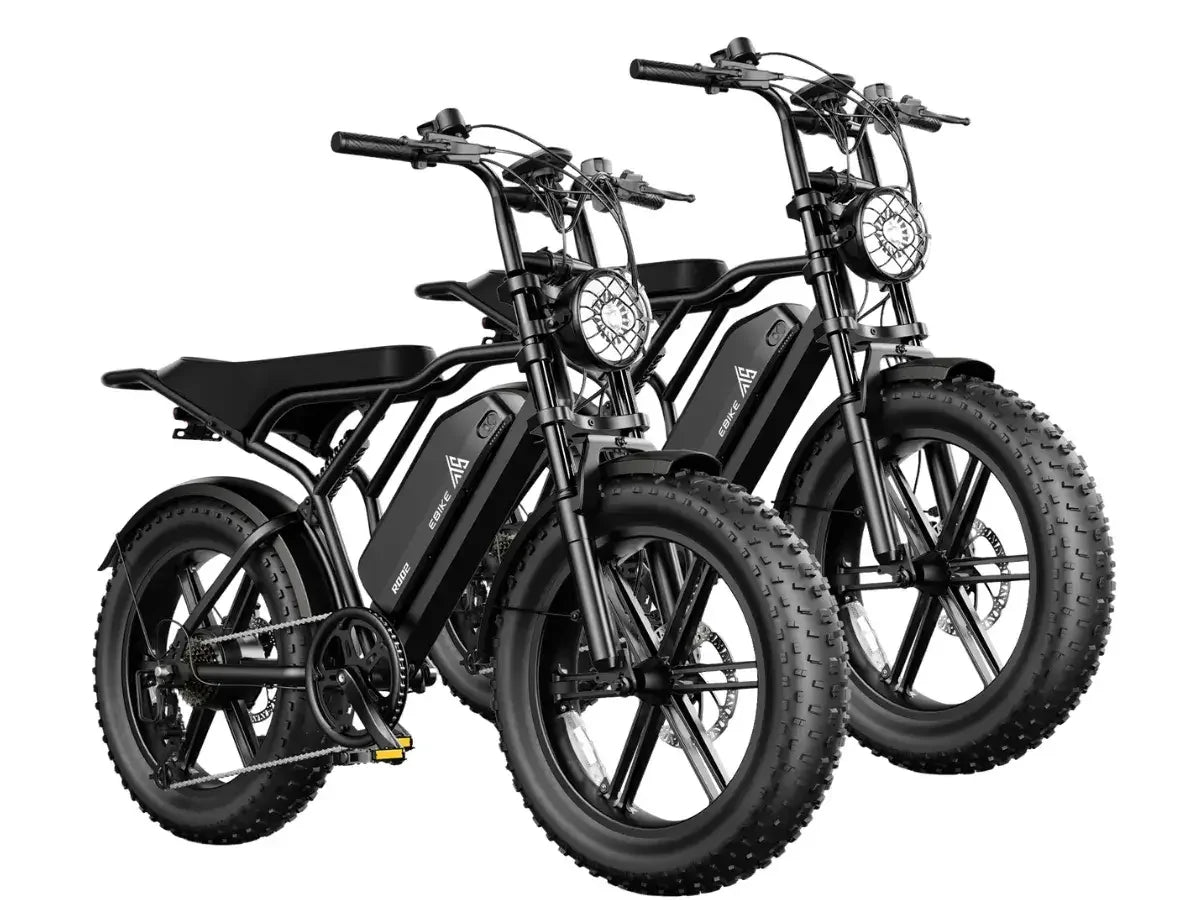
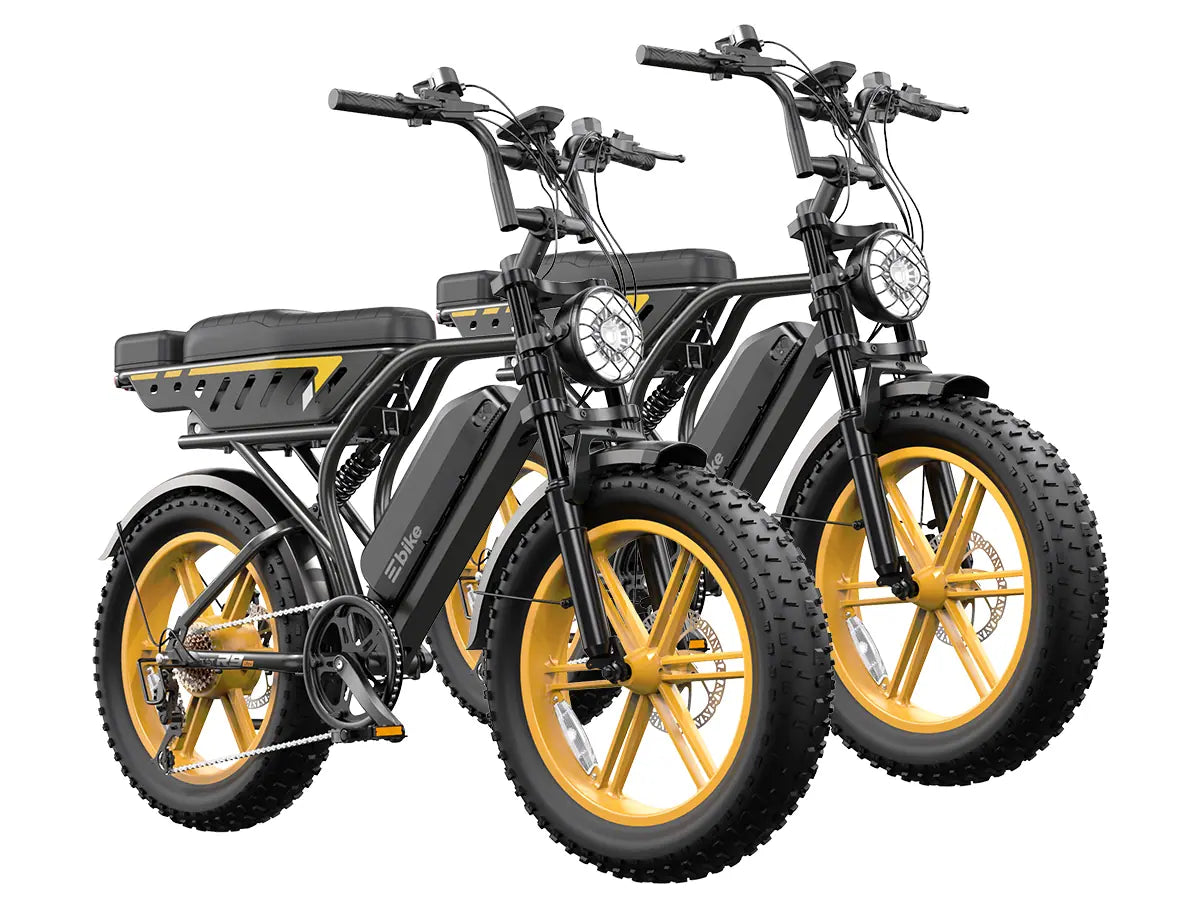

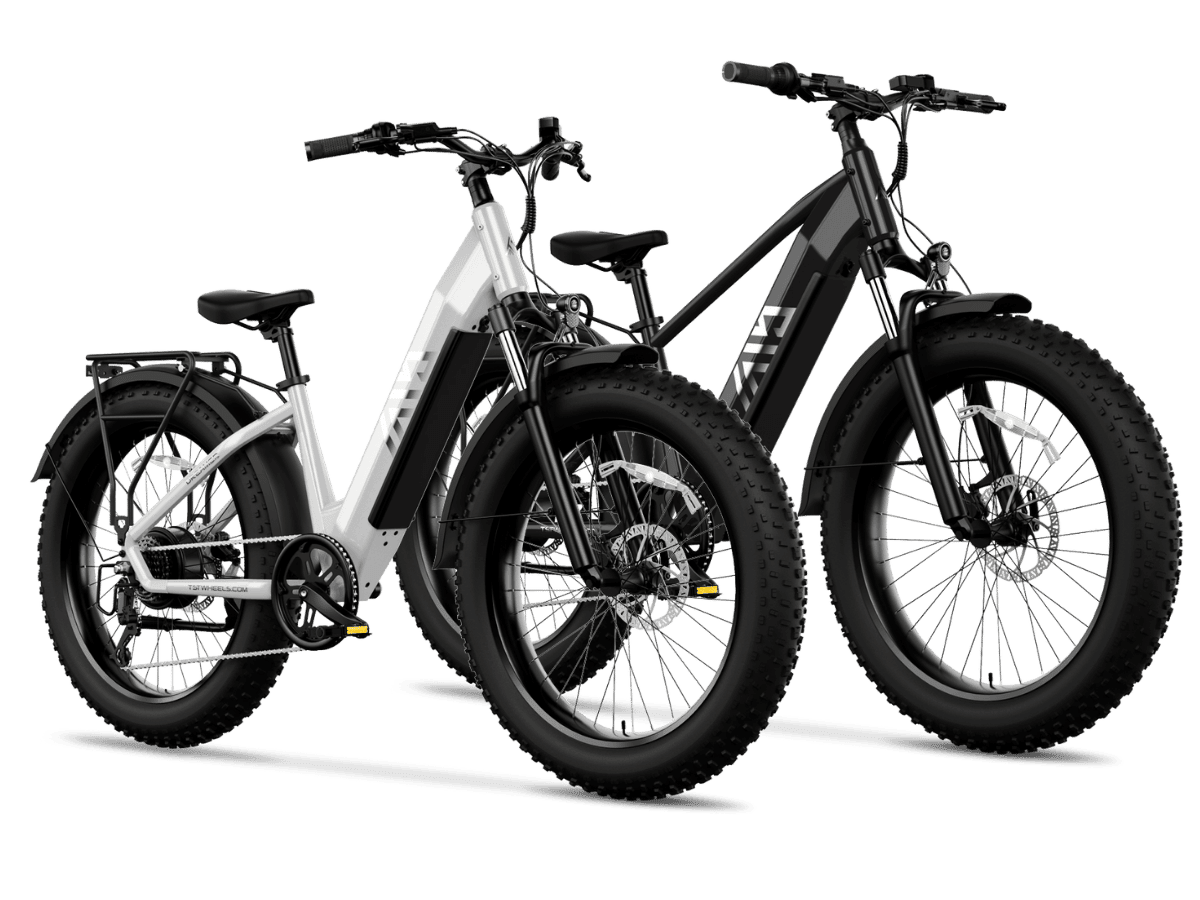
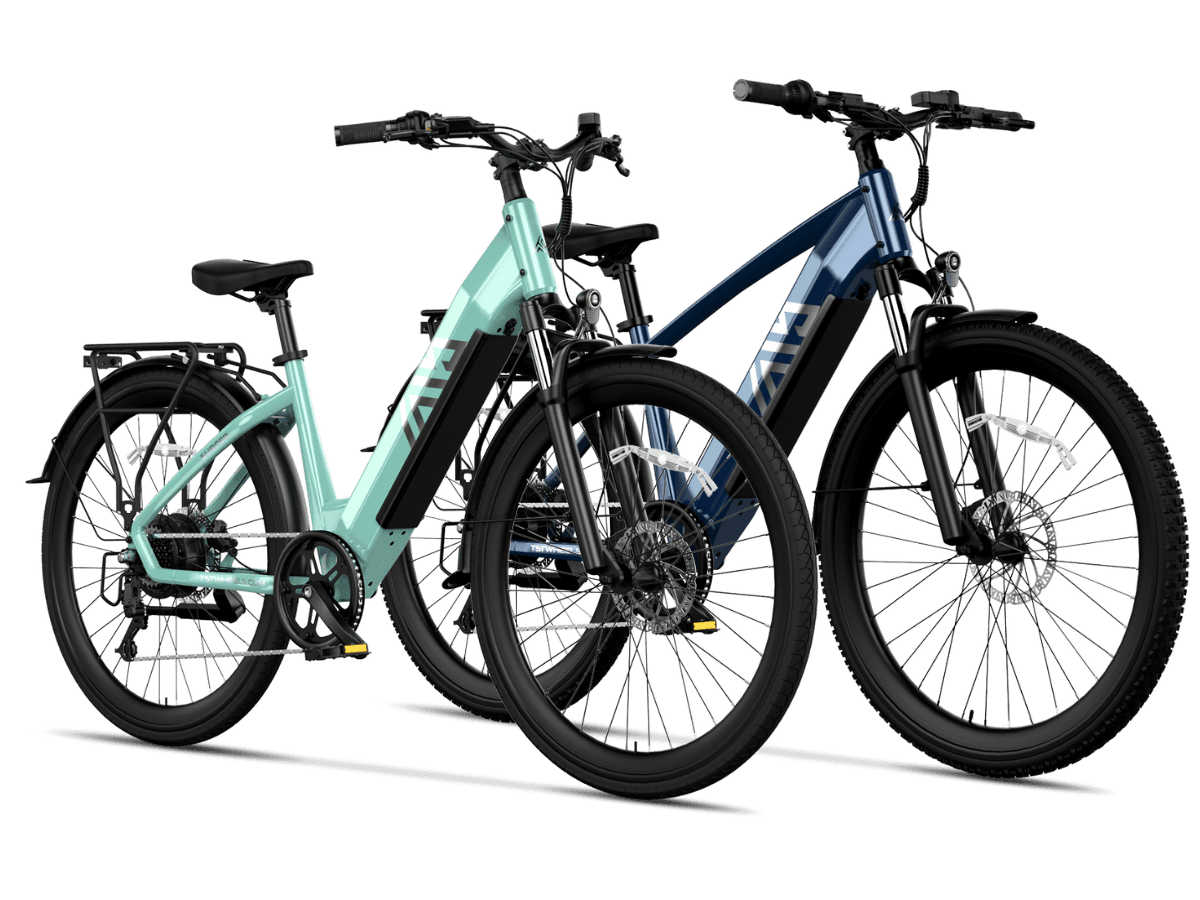
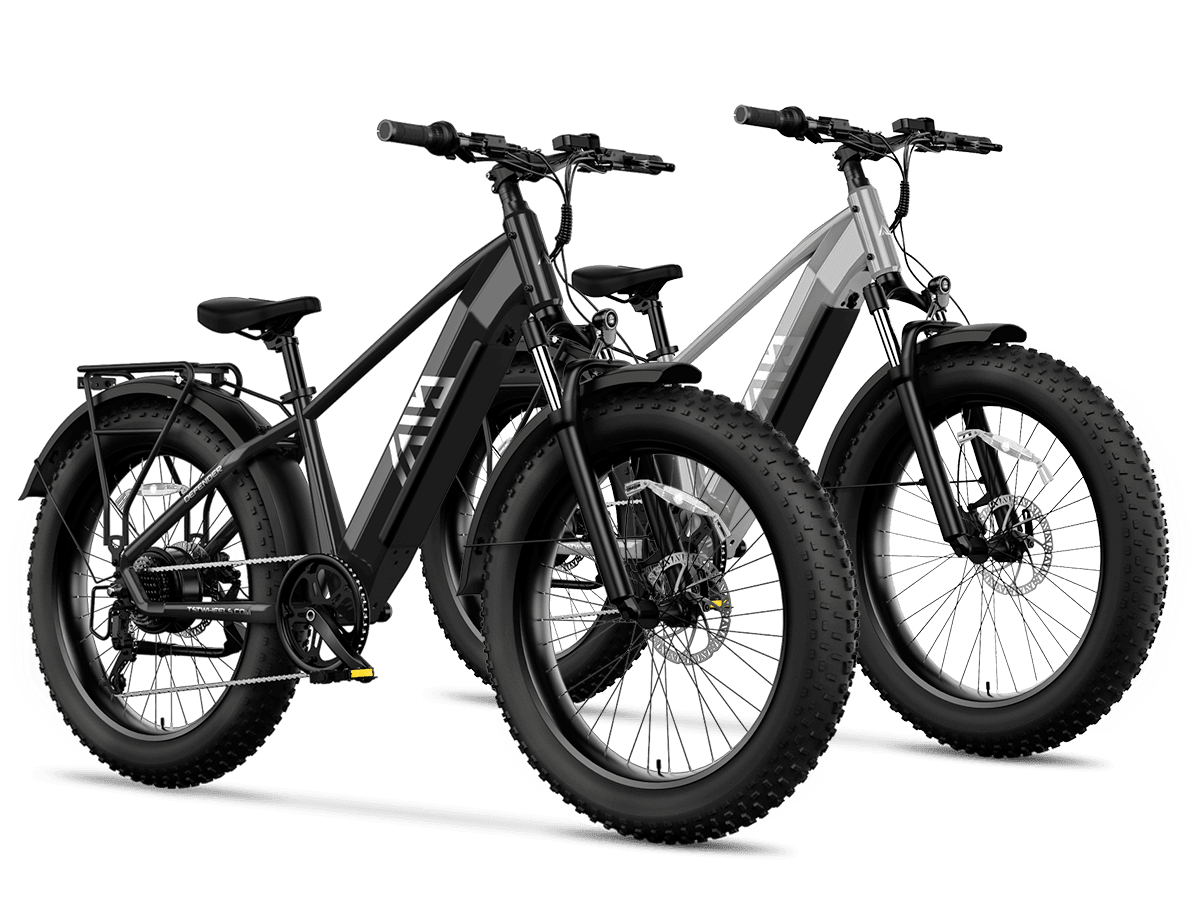
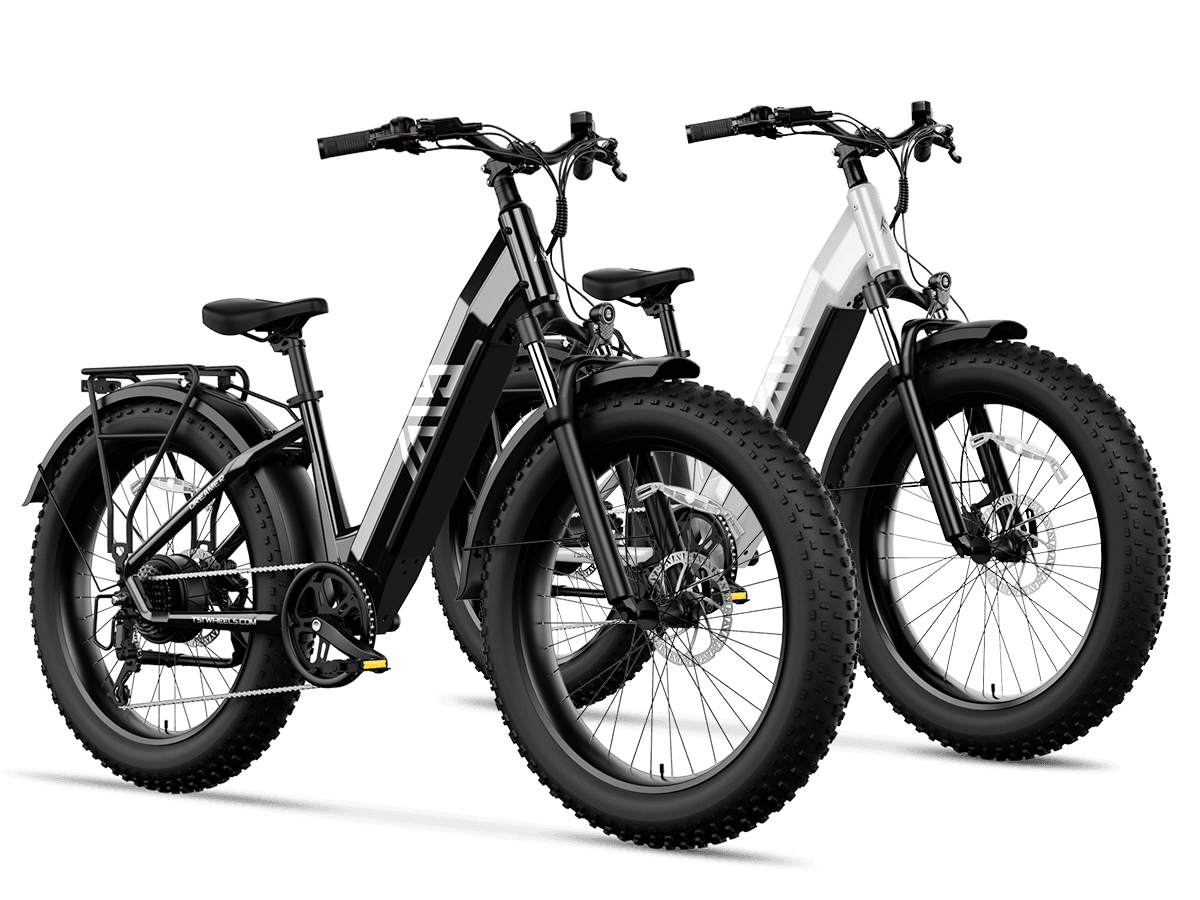

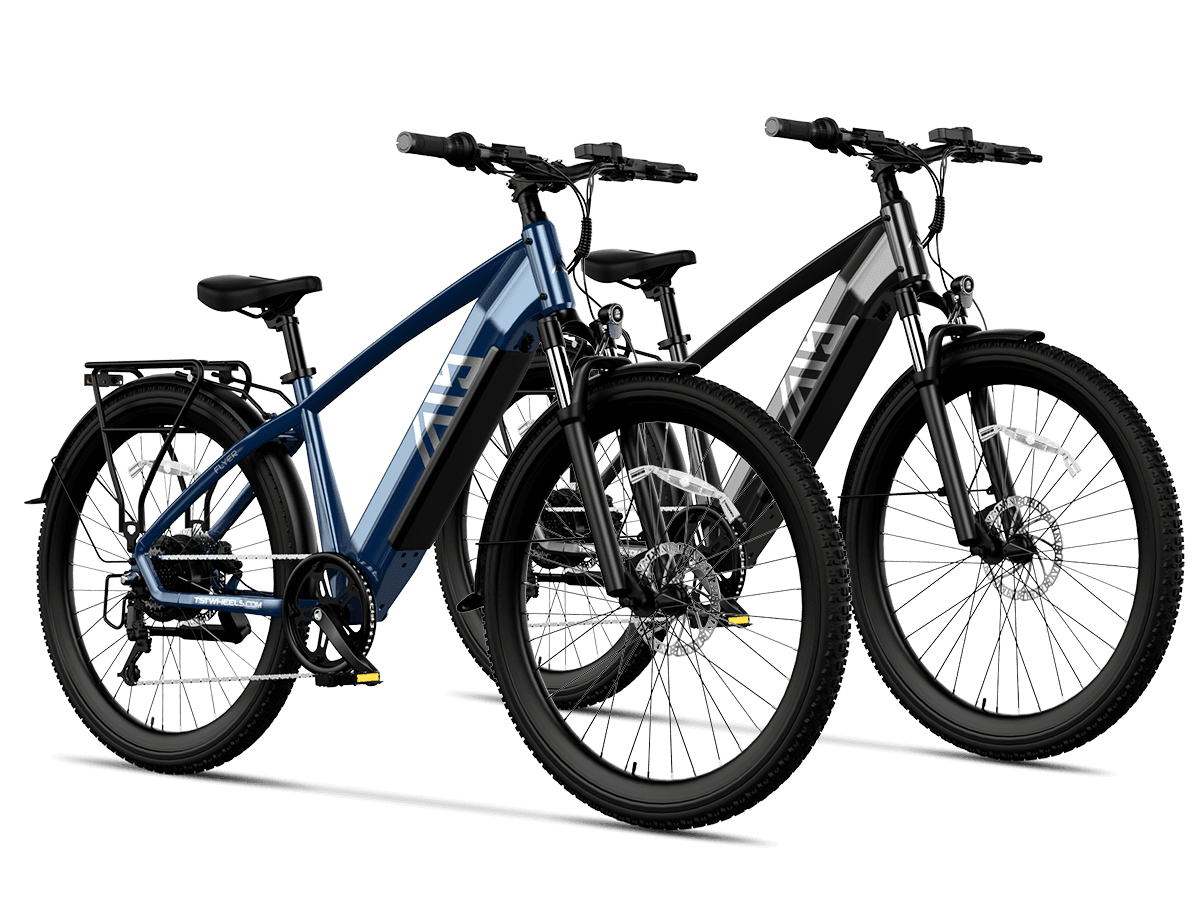
Electric bikes are reshaping personal transportation worldwide, offering a compelling alternative to cars and traditional bicycles. With adoption soaring—global e-bike sales reached tens of millions annually and the U.S. market has been growing at double-digit rates—riders face a choice between vintage-styled electric bikes and modern electric bikes when deciding how to ride smarter and farther. This comprehensive comparison helps you understand the differences, benefits, and real-world implications of each style. (360 Research Reports)
How Is the Current Electric Bike Industry Performing and What Challenges Exist?
Electric bikes have become one of the fastest-growing segments in personal mobility, driven by sustainability goals, urban congestion, and technology improvements. Global e-bike unit sales are projected to remain in the tens of millions through 2030, with market revenues climbing into the tens of billions. (Statista)
At the same time, challenges persist:
-
Affordability vs Features: Many riders seek premium performance and longer battery range without paying premium prices, creating a gap in the market.
-
Infrastructure Bottlenecks: In some regions, charging access and maintenance support lag behind rapid adoption, slowing rider confidence and use.
-
Design Expectations: Traditional and modern riders differ in what they want—some prioritize aesthetics and heritage, others value cutting-edge performance.
Amid these trends, brands like TST EBike are addressing the demand for high-power, cost-effective electric bikes that balance value with performance, offering models suited for both rugged terrain and daily commuting. (360 Research Reports)
How Do Traditional Electric Bikes Fall Short?
While vintage electric bikes offer charm and character, traditional electric bikes (pre-modern designs) often struggle with:
-
Outdated components that lack modern battery efficiency and motor power.
-
Heavier frames with less ergonomic performance for everyday use.
-
Limited integration of technology like smart displays or connectivity features.
-
Lower overall reliability compared to newer designs.
These shortcomings make classic or older electric bikes less competitive for riders who want both performance and style.
What Is the Solution for Today’s Riders?
The best electric bikes today combine the nostalgic appeal of vintage styling with modern performance and technology. Models from manufacturers such as TST EBike exemplify this approach: they feature powerful motors, efficient batteries, and user-centered design, while still delivering a satisfying ride for commuters, weekend explorers, and enthusiasts alike. (360 Research Reports)
Core Functions & Capabilities:
-
Long-range lithium-ion batteries
-
Efficient mid-drive or hub motors
-
Smart displays and user customization
-
Ergonomic designs for comfort and control
-
Multiple tire options for diverse terrain
Why Does This Modern Solution Outperform Vintage and Traditional Bikes?
| Feature | Traditional Vintage E-Bike | Modern Electric Bike (e.g., TST EBike) |
|---|---|---|
| Aesthetic Appeal | Classic styling | Modern + retro options |
| Battery Performance | Lower efficiency | High-density lithium-ion |
| Smart Features | Rare or absent | Integrated displays, connectivity |
| Ride Comfort | Variable | Engineered for daily use |
| Range | Limited | Extended 30–85+ miles |
| Maintenance | Higher | Lower with better support |
What Are the Steps to Choose and Use a Modern Electric Bike?
-
Define your riding needs: commuting, off-road, leisure.
-
Evaluate performance specs: motor wattage, battery capacity.
-
Test ride models: including options from TST EBike.
-
Customize accessories: racks, lights, app features.
-
Routine maintenance planning: battery care, tire checks.
-
Integrate technology: mobile apps, GPS, performance tracking.
How Do Typical Users Benefit from Modern E-Bikes?
Scenario 1: Urban Commuter
Problem: Slow commute and high transport costs.
Traditional: Uses bus or rides older bike slowly.
After Modern E-Bike: Replaces daily car trips with 20–30 miles per charge.
Key Benefits: Faster commute, lower costs, less stress.
Scenario 2: Weekend Explorer
Problem: Needs reliable ride for trail adventure.
Traditional: Limited range and power.
After Modern E-Bike: Conquers varied terrain with powerful motor.
Key Benefits: More fun, less fatigue, increased exploration.
Scenario 3: Lifestyle Enthusiast
Problem: Wants character and performance.
Traditional: Vintage aesthetic but weak power.
After Modern E-Bike: Enjoys classic styling with modern tech.
Key Benefits: Best of both worlds.
Scenario 4: Delivery Rider
Problem: Needs reliable, all-day transport.
Traditional: Breakdowns or slow speeds reduce earnings.
After Modern E-Bike: Maintains consistent performance.
Key Benefits: Higher productivity and uptime.
Why Is Now the Right Time to Choose a Modern Electric Bike?
Market growth continues strong, with e-bike usage significantly cutting car trips and supporting sustainable mobility. As riders demand more range, power, and smart features, the gap between old and new models becomes clearer. Modern e-bikes like TST EBike respond to these evolving needs with high-value performance and practical design, making now the ideal time to upgrade. (GlobeNewswire)
What Are Common Questions About Vintage vs Modern Electric Bikes?
Which type of electric bike is better for daily commuting?
Modern electric bikes generally outperform vintage designs for daily commuting due to better range and technology.
Can vintage electric bikes match modern performance?
Vintage models may match style, but most lack the efficiency and features that modern bikes include.
How do maintenance needs compare?
Modern bikes are typically easier to maintain with better parts support and warranties.
Are modern electric bikes more cost-effective in the long run?
Yes—due to improved energy efficiency, longer battery life, and lower repair frequency.
What should new riders consider first?
Prioritize battery capacity, ride comfort, and local support when choosing an electric bike.
Sources
turn0search0.com
turn0search1.com
turn0search2.com
turn0search6.com

Leave a comment
This site is protected by hCaptcha and the hCaptcha Privacy Policy and Terms of Service apply.