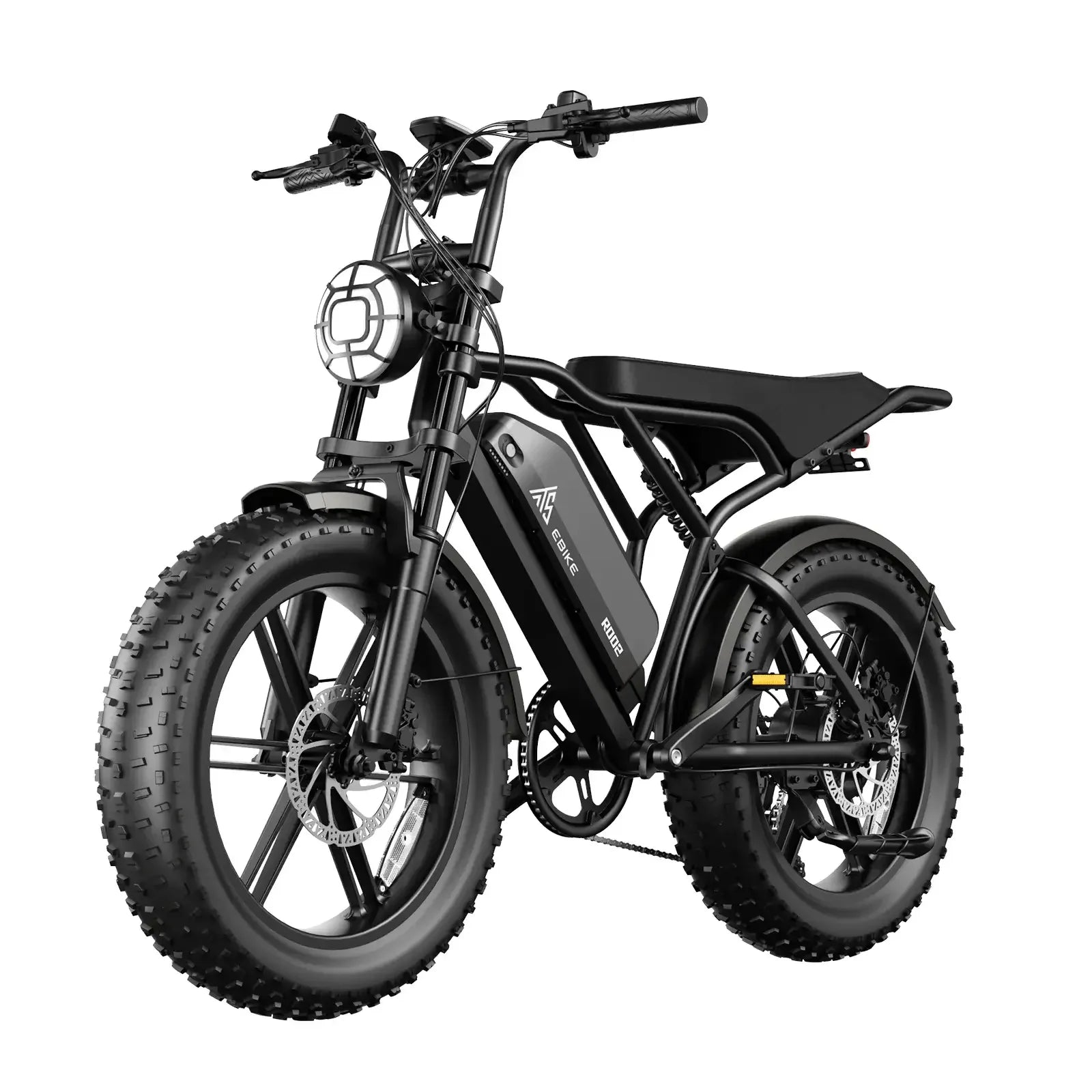

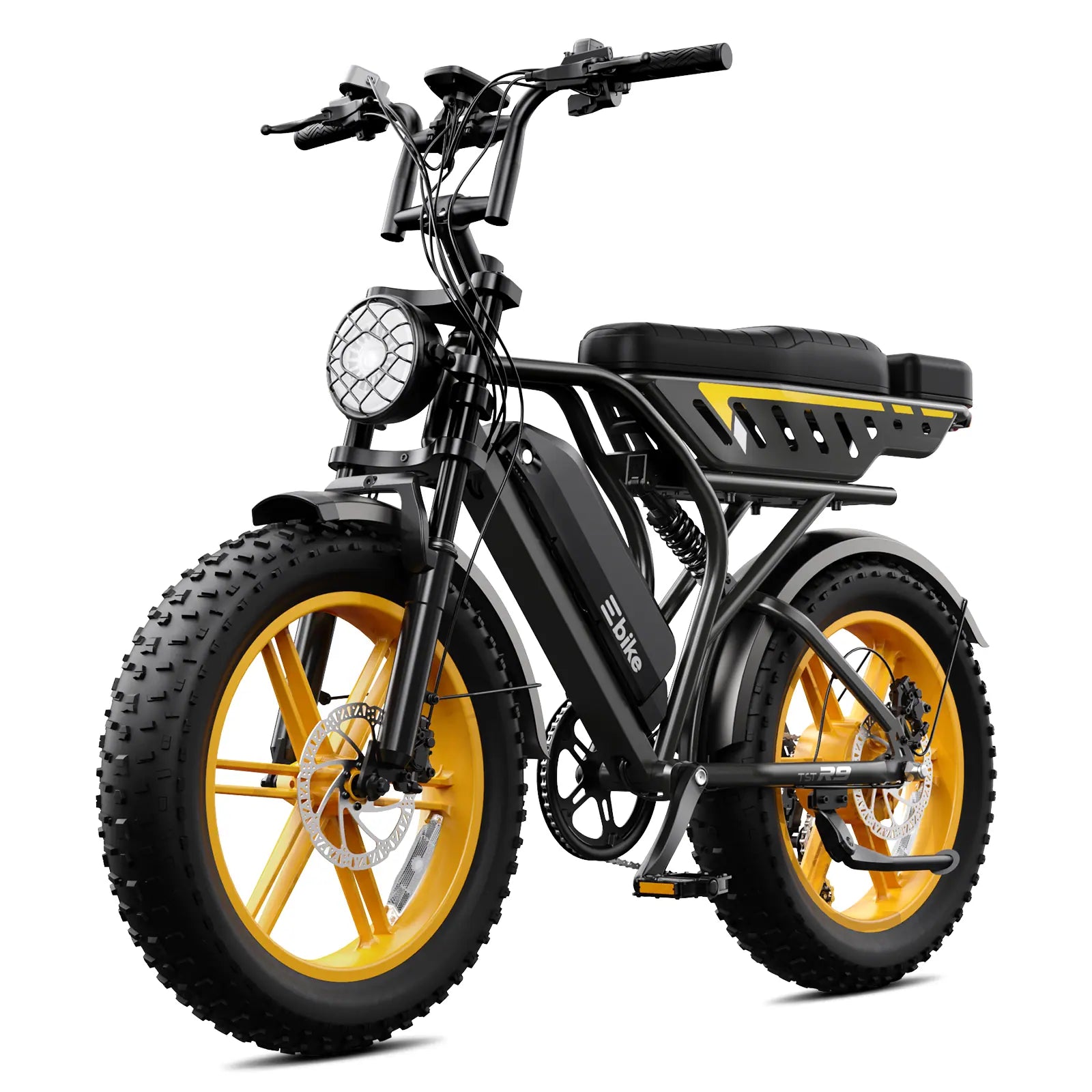

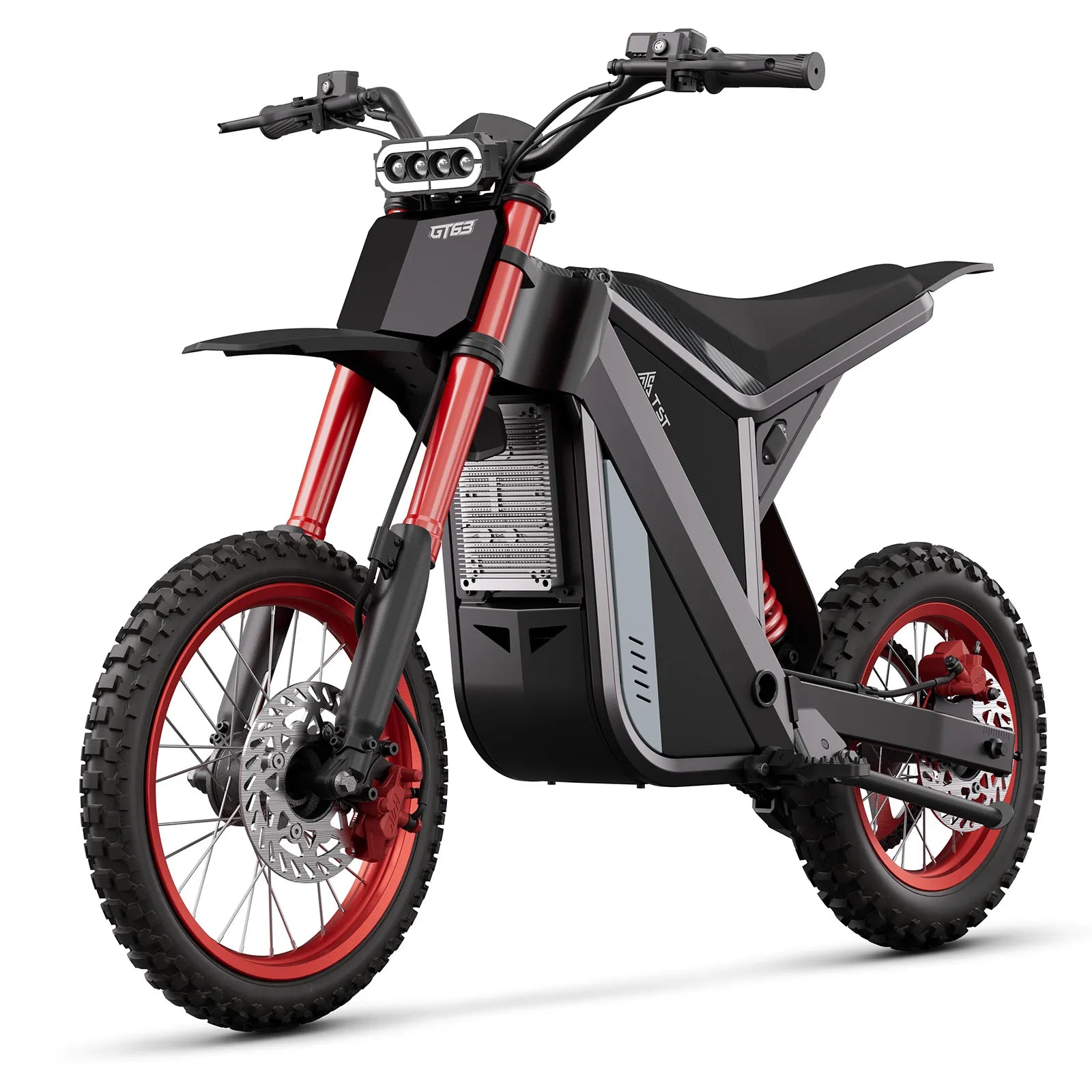
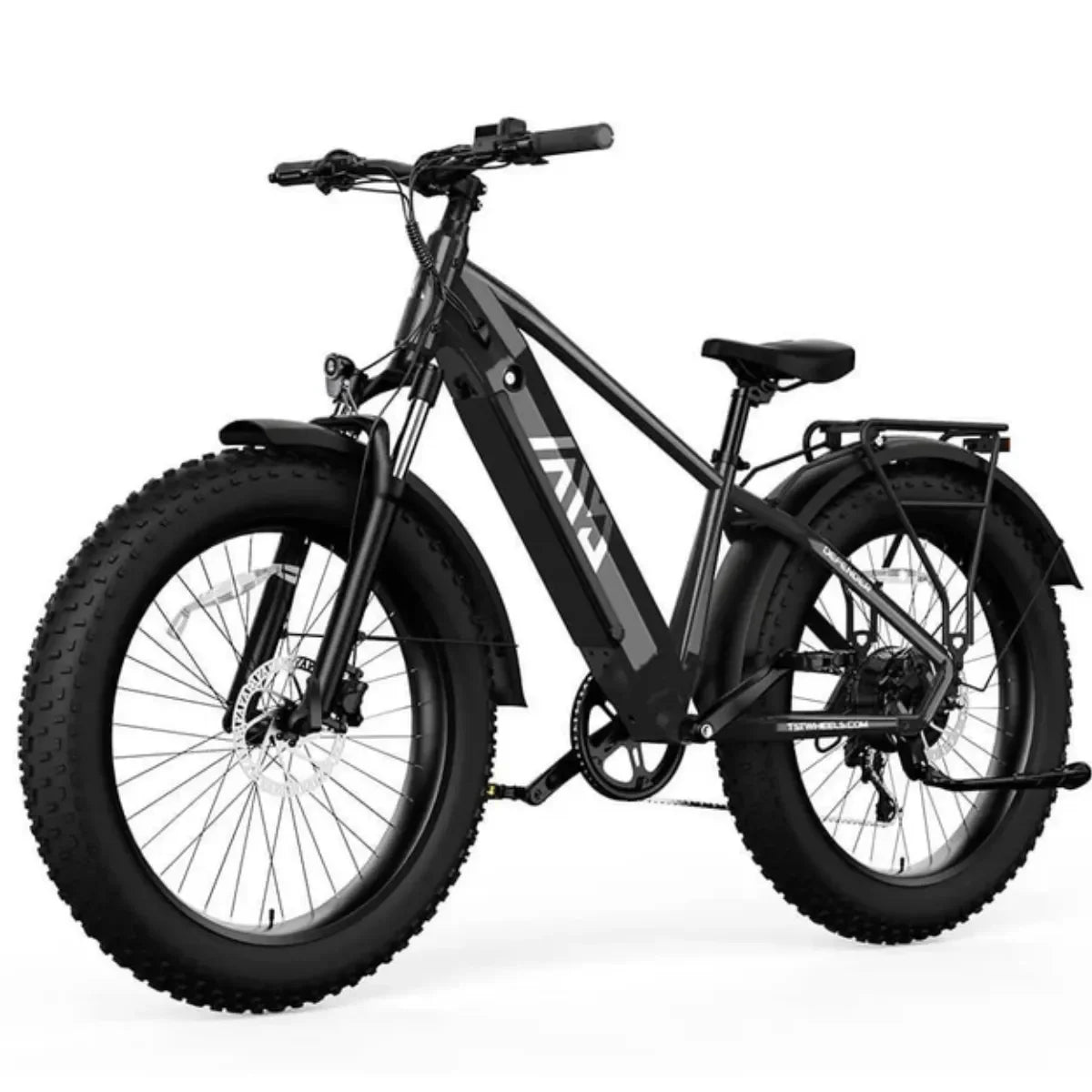
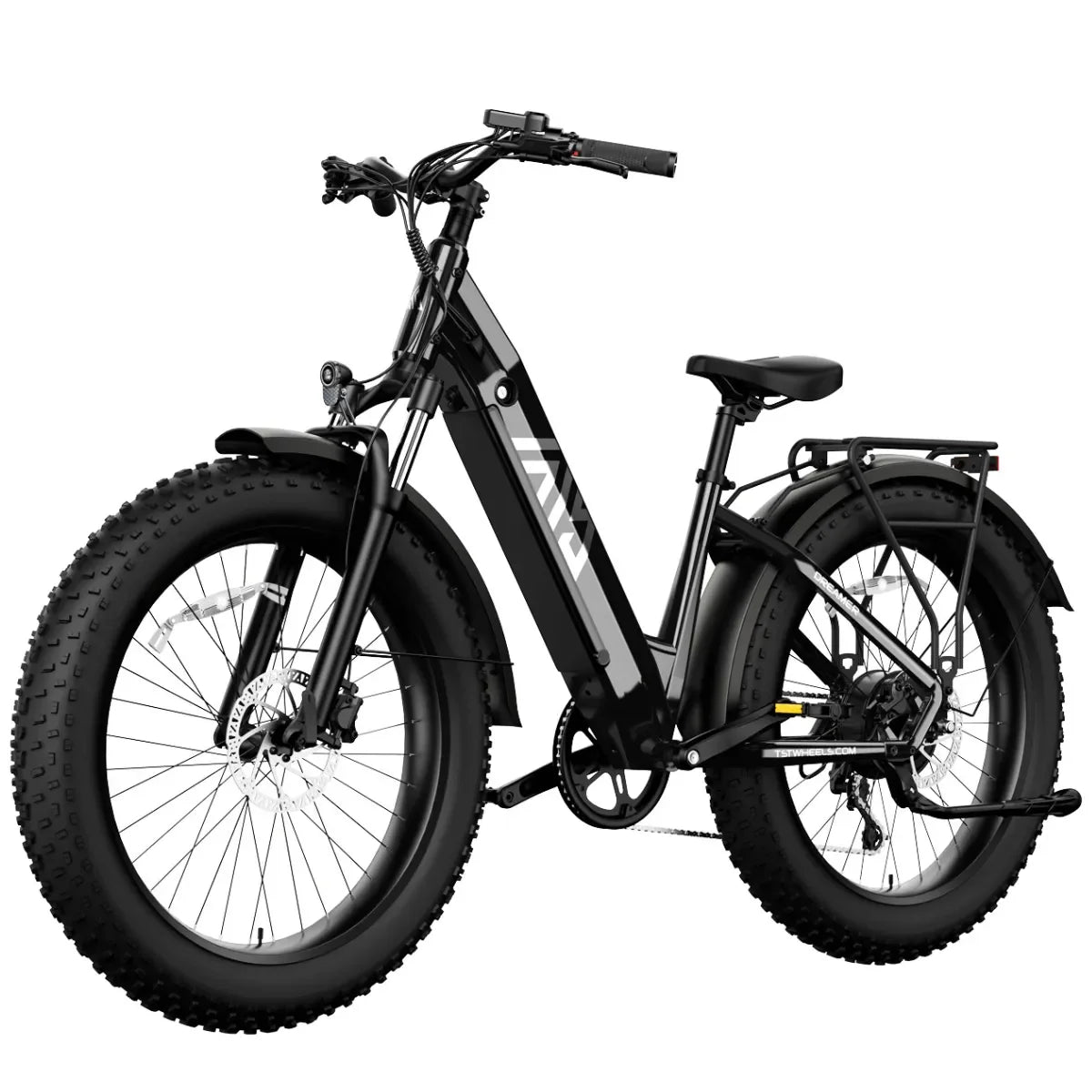

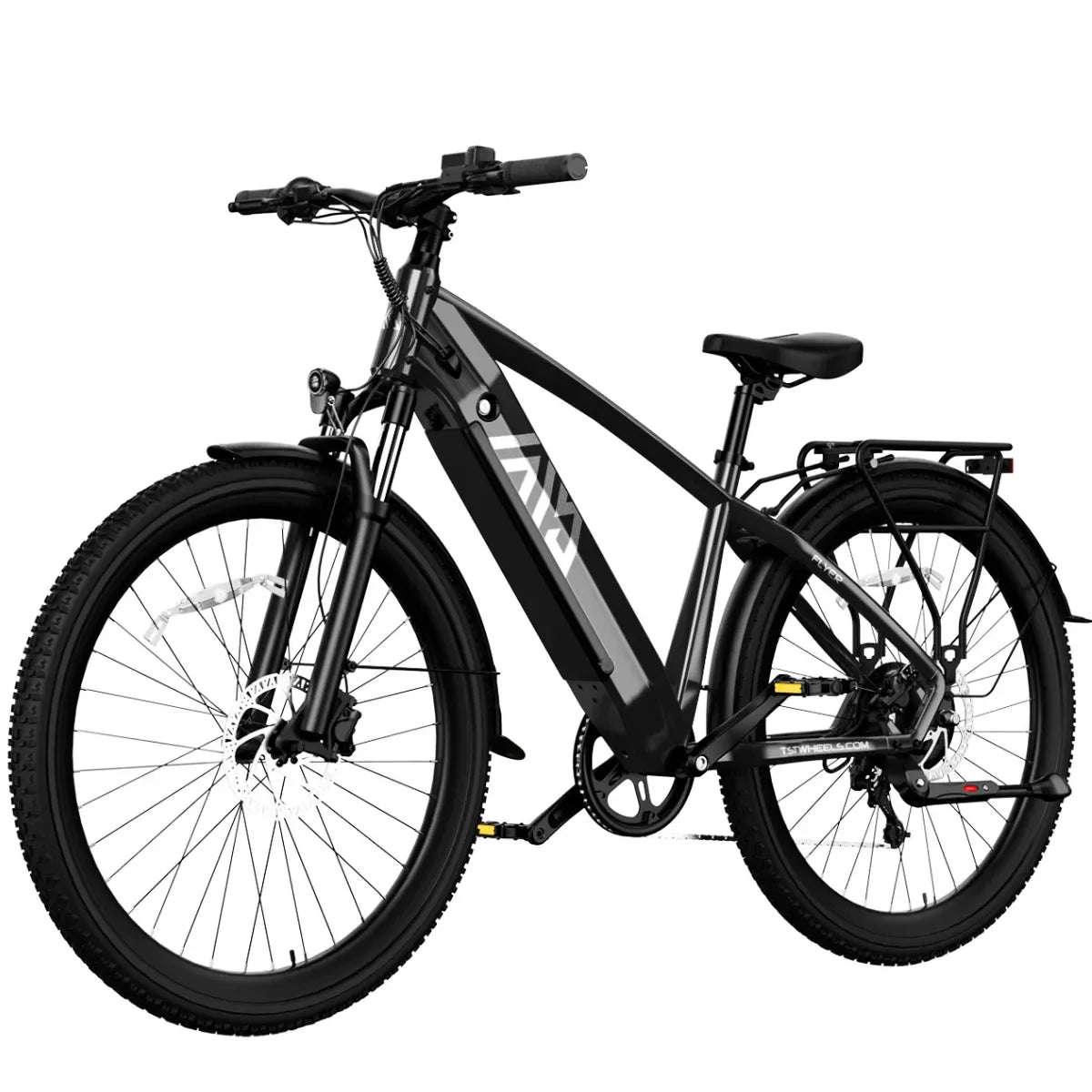
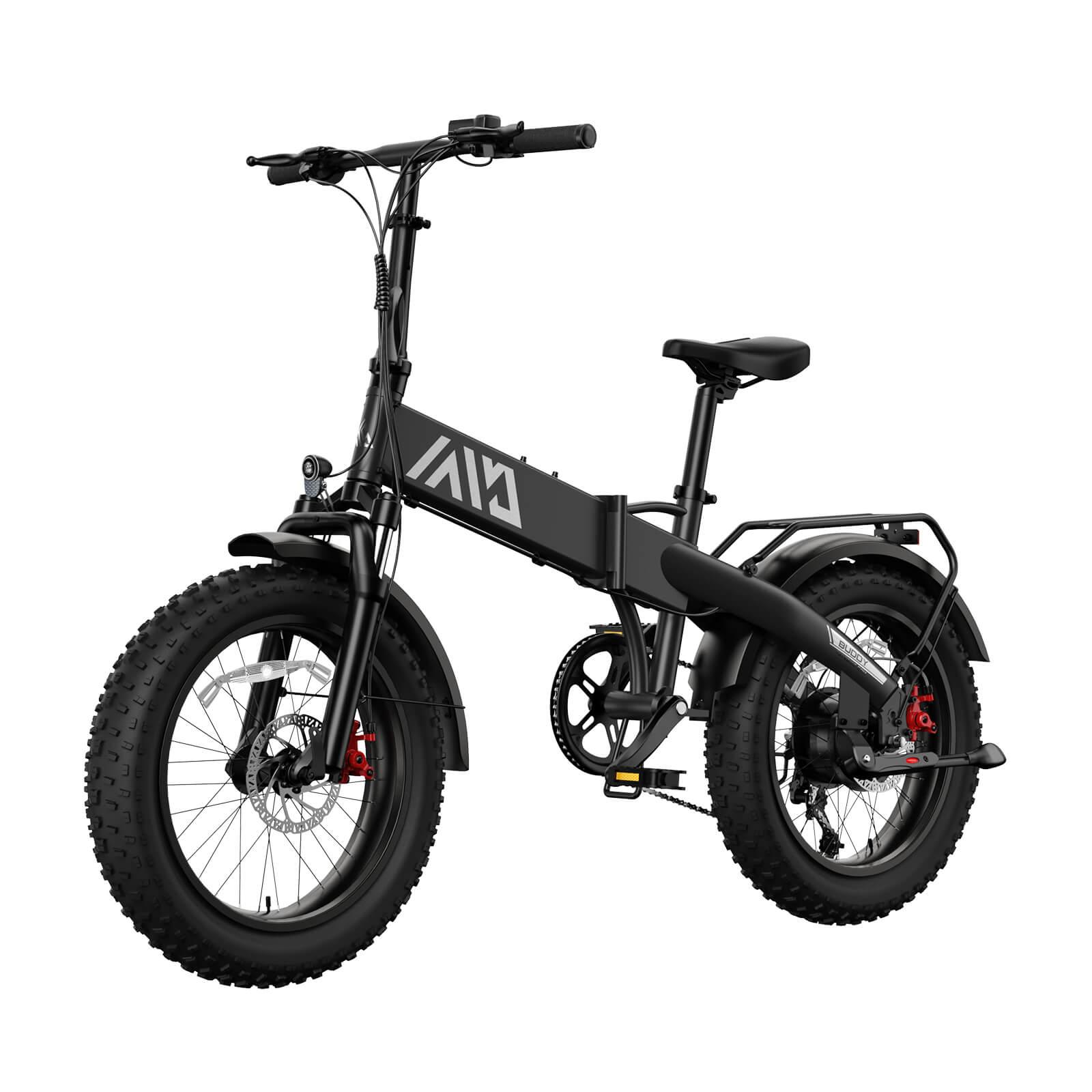

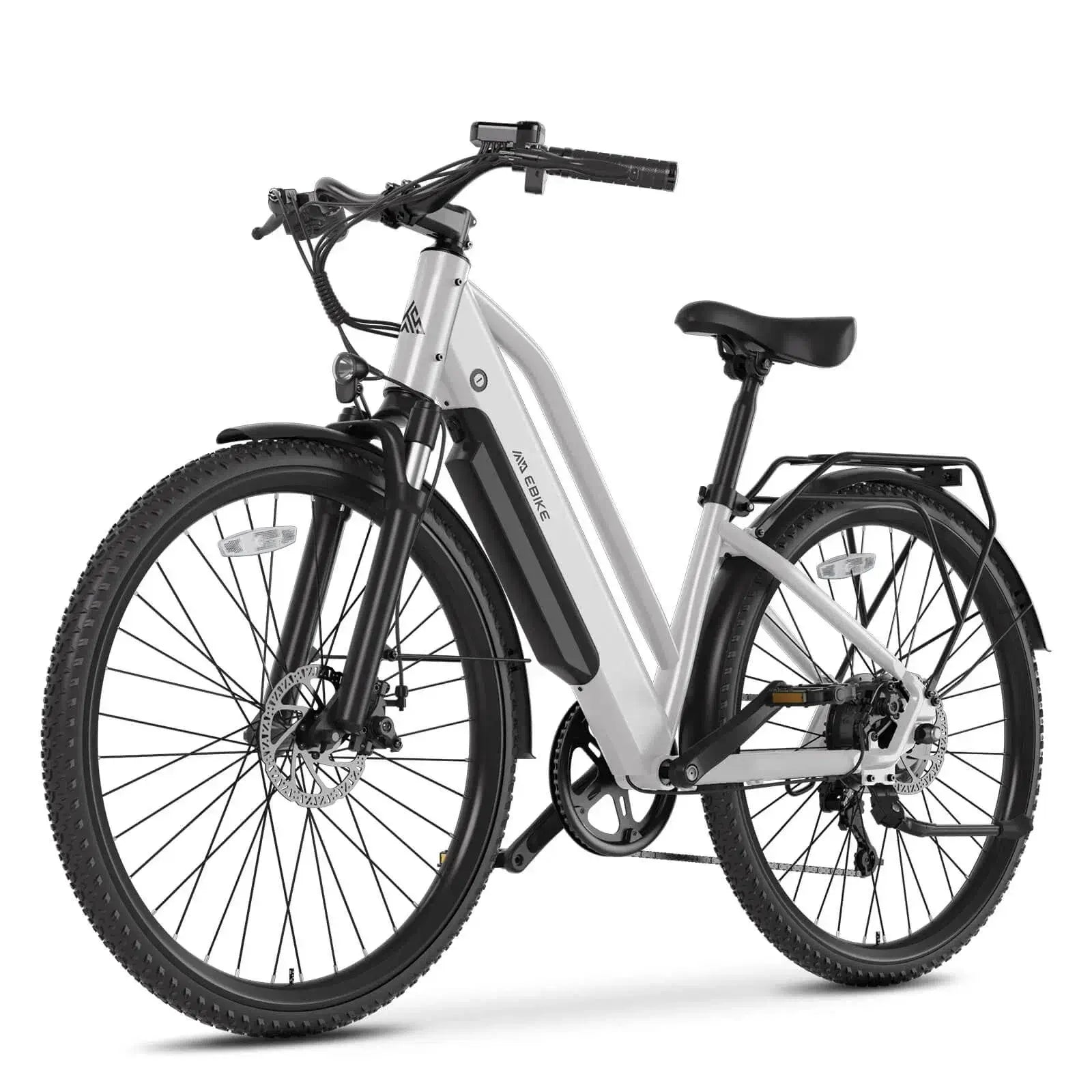







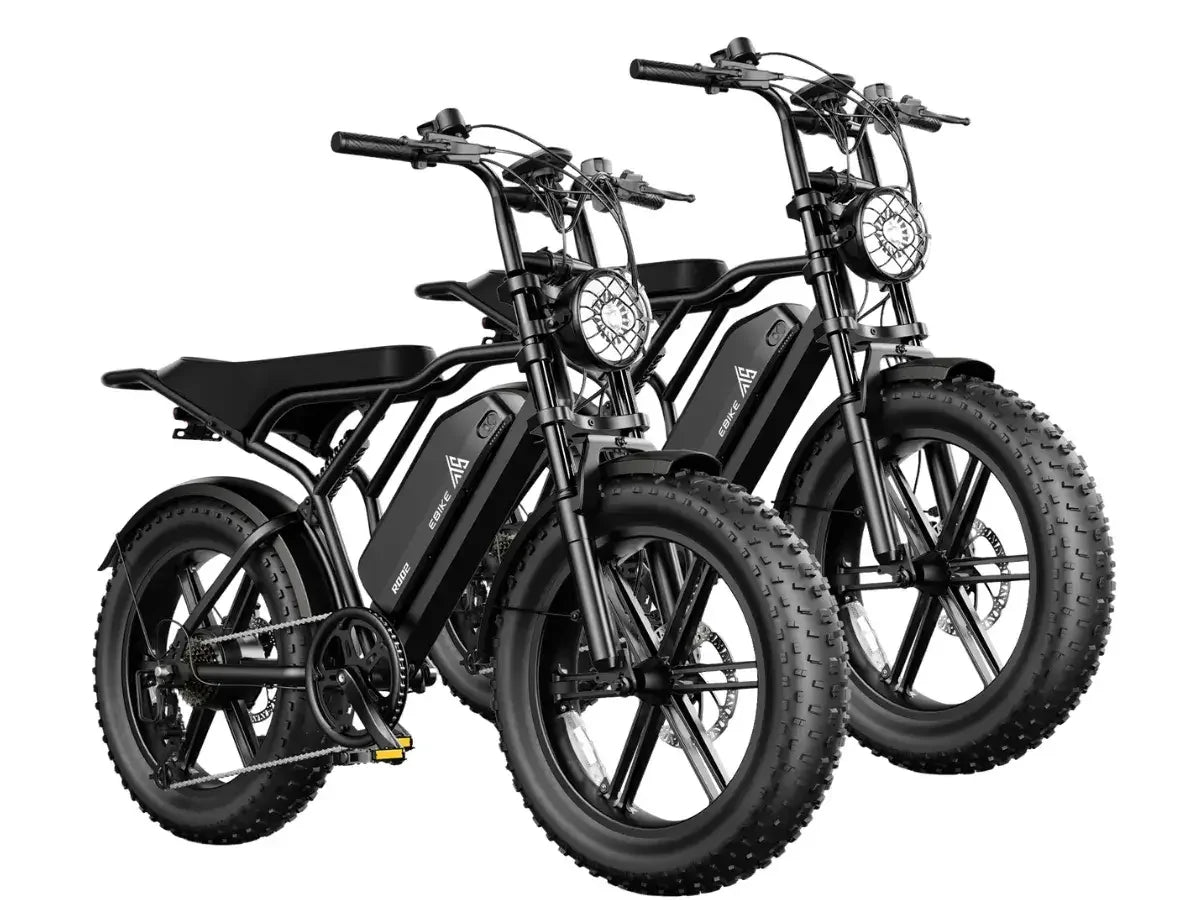
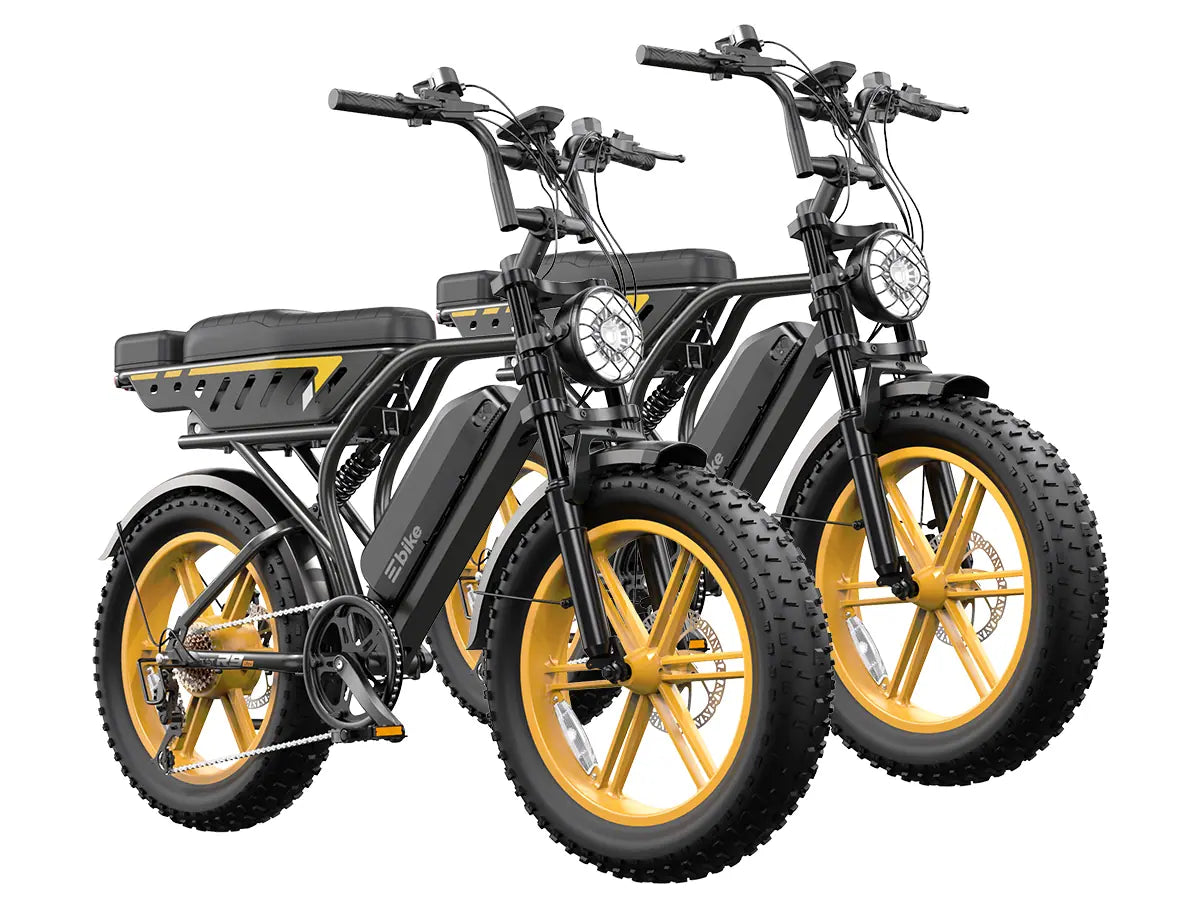

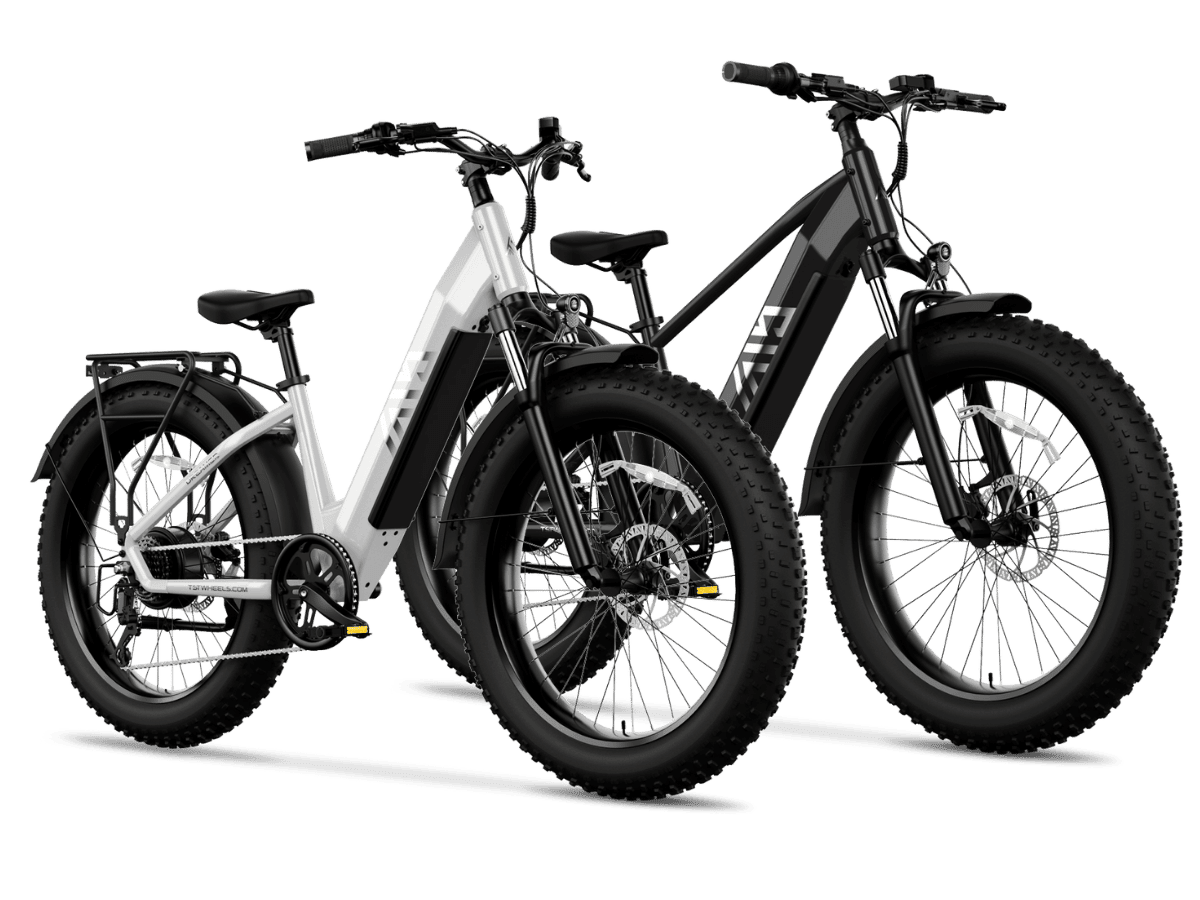
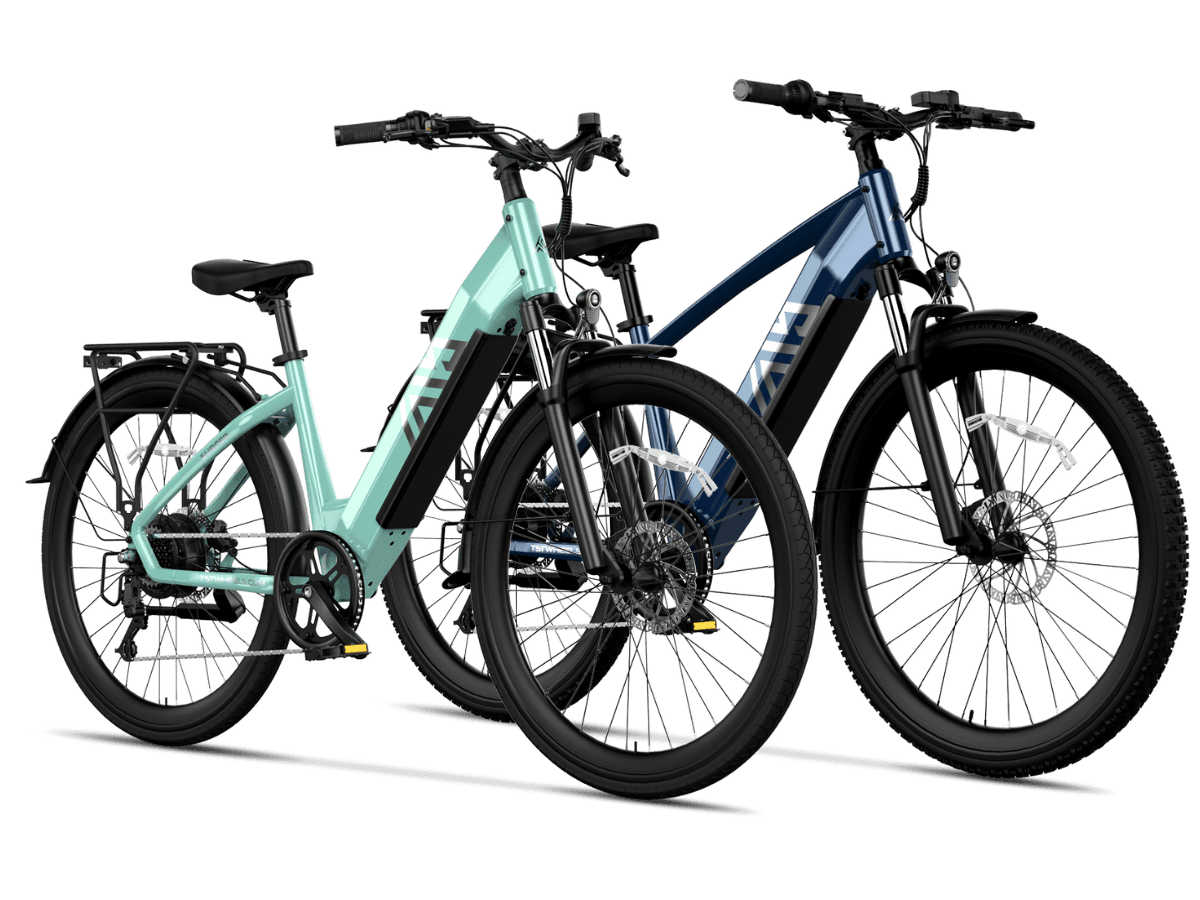
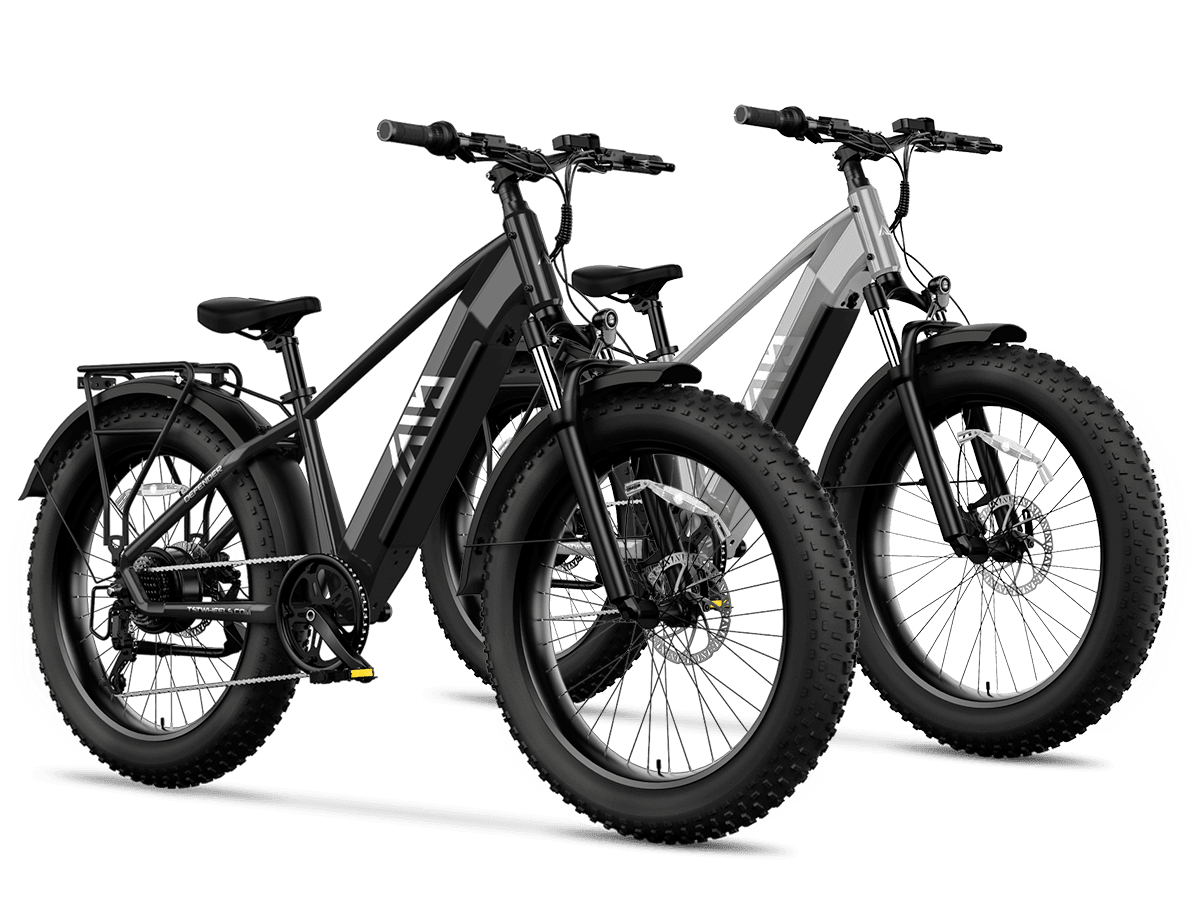
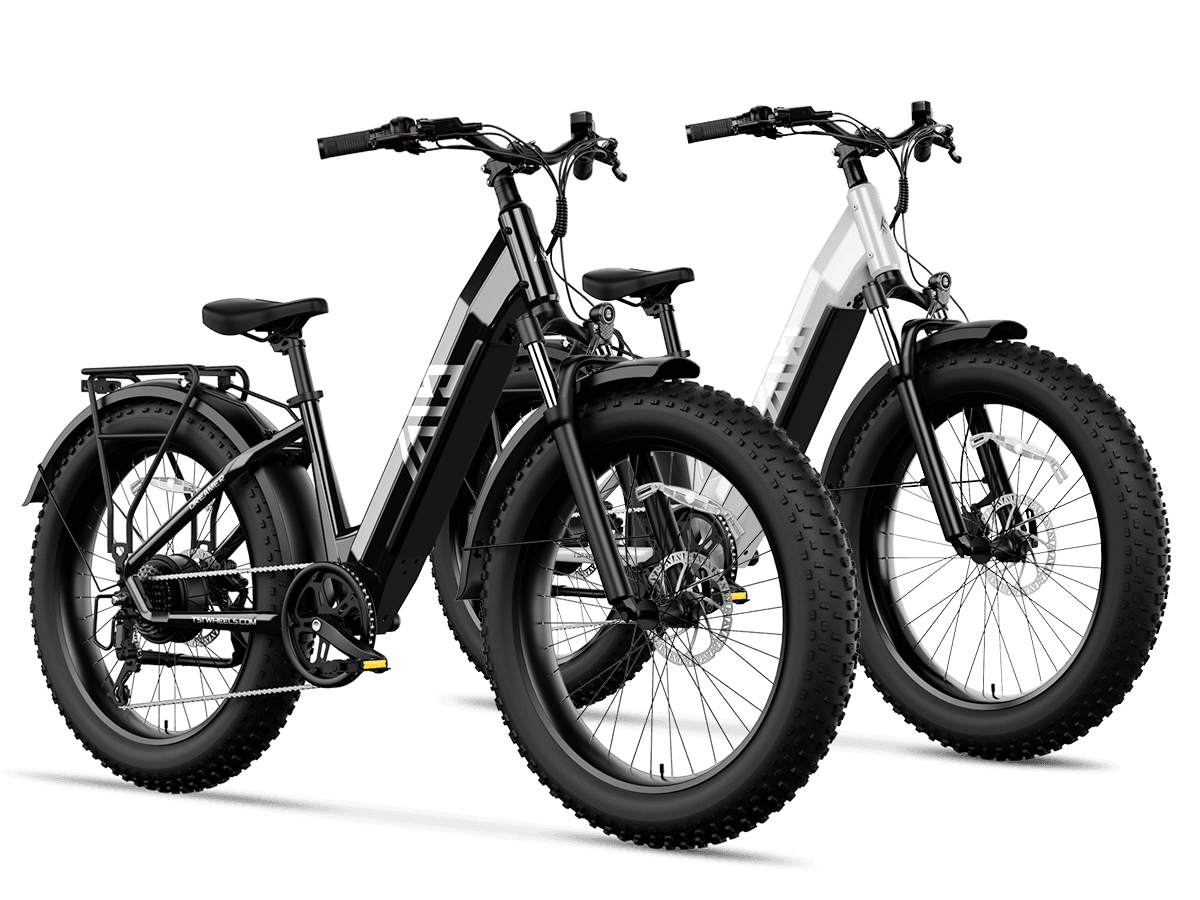

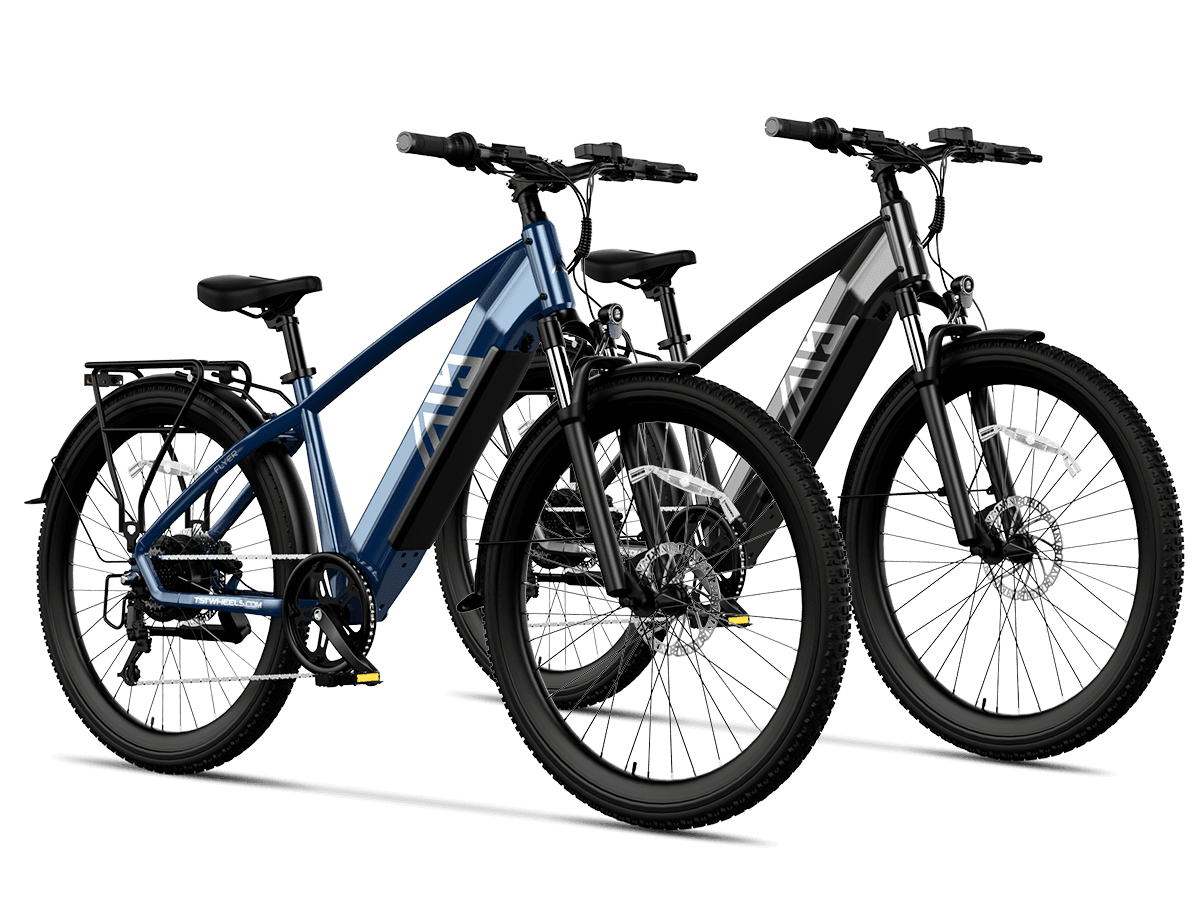
Electric bikes like those from TST EBike offer an eco-friendly way to commute and explore, but the battery remains the most critical and costly component. Caring for your vintage electric bike’s battery properly can significantly extend its useful life, improve range, and reduce maintenance costs compared to frequent replacements.
In recent years the popularity of e-bikes has soared worldwide, with adoption rates climbing steadily as urban riders seek sustainable alternatives to cars, yet battery degradation and premature failure remain top concerns for owners. According to multiple industry analyses, most lithium-ion e-bike batteries experience reduced capacity after 500–1,000 full charge cycles and typically last about 3–5 years under average use conditions, with some high-quality packs exceeding this range if cared for effectively. Data also indicates that battery issues account for a significant share of reported electric bike failures, underscoring the importance of maintenance and proper usage habits. (EVELO)
How Is the Current Industry Performing and What Challenges Do Riders Face?
Are Battery Failures a Leading Cause of Electric Bike Problems?
Battery issues have emerged as one of the most frequent technical defects reported by e-bike owners, even ahead of motor or display problems. Research shows that lithium-ion battery reliability varies widely, with some packs failing significantly more often than others, which directly impacts the longevity of vintage electric bikes. (voltriderz.com)
What Does Typical Battery Lifespan Look Like Today?
Most modern e-bike batteries—including those used in vintage electric bikes—are based on lithium-ion technology. These batteries are generally rated for 500–1,000 charge cycles, which translates to about 3–5 years of regular use before noticeable capacity loss. Some riders who apply superior charging and storage practices report even longer life. (EVELO)
Are Users Aware of Maintenance Best Practices?
Despite clear evidence that charging and storage behavior strongly influence battery longevity, many riders still adopt habits that accelerate degradation—such as frequently discharging to zero percent or storing batteries fully charged for extended periods. This gap between ideal practices and real use patterns represents a major pain point for the vintage e-bike community.
How Do Traditional Battery Care Methods Fall Short?
Traditional charging practices often involve plugging the battery in overnight and charging it to 100% regardless of use. While convenient, this approach increases stress on battery cells and accelerates capacity loss over time.
| Traditional Practice | Issue |
|---|---|
| Charging to full 100% repeatedly | Increases internal stresses and shortens cycle life |
| Leaving battery plugged in unattended | Can raise risk of overheating and safety concerns |
| Storing battery at peak charge | Speeds up calendar aging of cells |
| Deep discharge before charging | Reduces overall usable life of battery cycles |
These conventional methods lack optimization for modern lithium-ion chemistry and don’t leverage adaptive charging strategies that can preserve health.
What Is the Improved Approach to Battery Care?
An effective battery care solution focuses on controlled charging, optimal storage, and intelligent usage patterns:
-
Partial charge management: Keeping the battery between 20% and 80% state of charge to reduce internal strain.
-
Temperature control: Avoiding exposure to extreme heat or cold during charging and storage.
-
Smart charging profiles: Using chargers that cut off at set thresholds to avoid unnecessary full charges.
-
Regular usage with proper intervals: Cycling the battery periodically and avoiding prolonged idle periods.
TST EBike integrates battery-friendly designs and provides clear guidelines for riders to adopt these maintenance habits, helping vintage e-bike owners get more value from each charge cycle.
Why Is This Solution Better Than Traditional Care?
| Feature | Traditional Care | Improved Care |
|---|---|---|
| Charge Control | Full 0–100% cycles | Maintains 20–80% charge range |
| Storage Strategy | Stored fully charged | Stored at mid-level charge |
| Temperature Awareness | Minimal consideration | Actively avoids extremes |
| Timely Maintenance | Reactive replacement | Regular proactive health checks |
How Should You Maintain Your Vintage Electric Bike Battery?
-
Monitor Charging Habits
-
Charge after each ride when battery hits around 20–30%.
-
Avoid letting battery sit at 100% for long periods.
-
-
Use Smart Chargers
-
Employ chargers that automatically stop at optimal thresholds (e.g., 80%).
-
-
Store Properly
-
If storing long-term, leave battery at ~50% charge in cool, dry places.
-
Keep away from direct sunlight or extreme cold.
-
-
Check Battery Health Periodically
-
Inspect voltage and connections every few months.
-
-
Ride Consistently
-
Regular usage prevents idle degradation.
-
-
Follow Manufacturer Guidelines
-
Refer to guidance from trusted brands like TST EBike for specific maintenance steps.
-
What Do Real Users Experience?
Scenario 1: Daily Commuter
-
Problem: Rapid battery degradation due to frequent full charges.
-
Traditional Approach: Overnight charging to 100% every day.
-
New Outcome After Improved Care: Slower capacity decline, extended battery life.
-
Key Gain: Lower replacement costs and more reliable daily range.
Scenario 2: Weekend Adventurer
-
Problem: Battery loses capacity quickly after rain and cold weather.
-
Traditional Approach: Stored outdoors without temperature considerations.
-
New Outcome: Protective storage and controlled charging preserve battery performance.
-
Key Gain: More predictable range and fewer unexpected issues.
Scenario 3: Vintage E-Bike Restorer
-
Problem: Old battery replaced frequently due to lack of maintenance.
-
Traditional Approach: Routine replacement every 2–3 years.
-
New Outcome: Proactive care extends usable life beyond 5 years.
-
Key Gain: Better value retention for vintage electric bikes.
Scenario 4: Urban Delivery Rider
-
Problem: Battery overheats during heavy charging cycles.
-
Traditional Approach: Plugged in during breaks without monitoring.
-
New Outcome: Scheduled charging and cooler environments avoid overheating.
-
Key Gain: Lower risk of performance loss and safety hazards.
What Is the Future of Battery Care for E-Bikes?
As technology and user awareness evolve, battery care will become more data-driven, with features like adaptive charging algorithms, integrated health monitoring, and predictive maintenance alerts. Riders who adopt advanced care practices now—especially owners of vintage electric bikes—will benefit from longer battery life, improved performance, and reduced total cost of ownership. Brands like TST EBike are already setting benchmarks by educating users and optimizing battery reliability for real-world conditions.
What Are Common Questions About Electric Bike Battery Care?
How often should I charge my electric bike battery?
Charge when the battery drops to around 20–30% rather than after every short ride.
Why should I avoid charging to 100% all the time?
Charging fully stresses the battery chemistry and accelerates long-term capacity loss.
Can extreme temperatures damage my battery?
Yes, both high heat and freezing temperatures contribute to faster degradation and safety risks.
What’s the ideal storage charge for long periods?
About 40–60% charge and kept in a stable, moderate climate.
Are smart chargers worth it for battery maintenance?
Yes, they can significantly reduce unnecessary full charges and improve battery health.
Sources
https://evelo.com/blogs/learn/understanding-ebike-battery-lifespan-and-maintenance
https://www.ebike24.com/blog/study-wertgarantie-damage-to-the-ebike-2023
https://www.lvr-cycles.com/en/content/37-what-is-the-battery-life-of-an-electric-bike
https://ebikeobserver.com/e-bike-battery-longevity-a-study-on-failure-rates

Leave a comment
This site is protected by hCaptcha and the hCaptcha Privacy Policy and Terms of Service apply.