

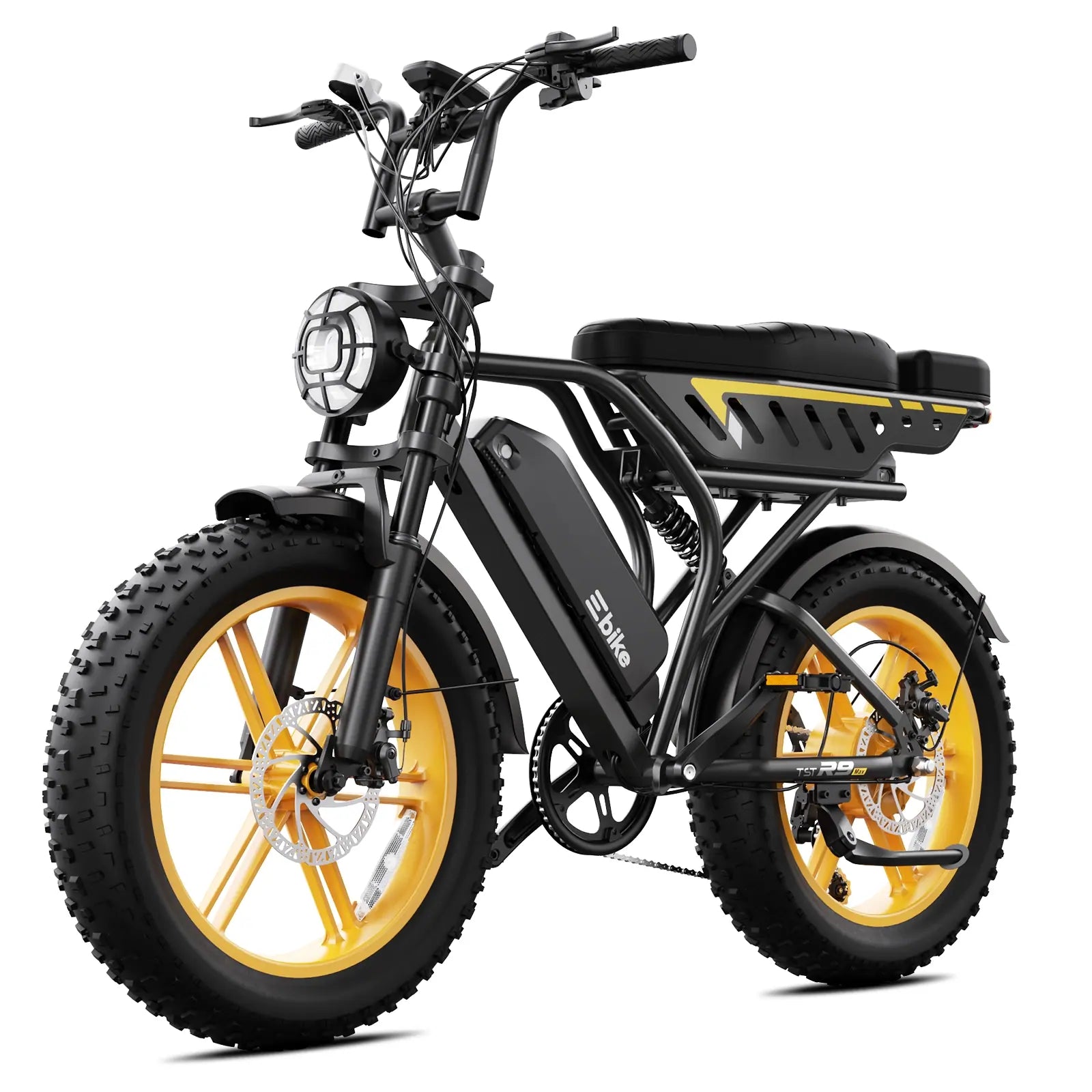
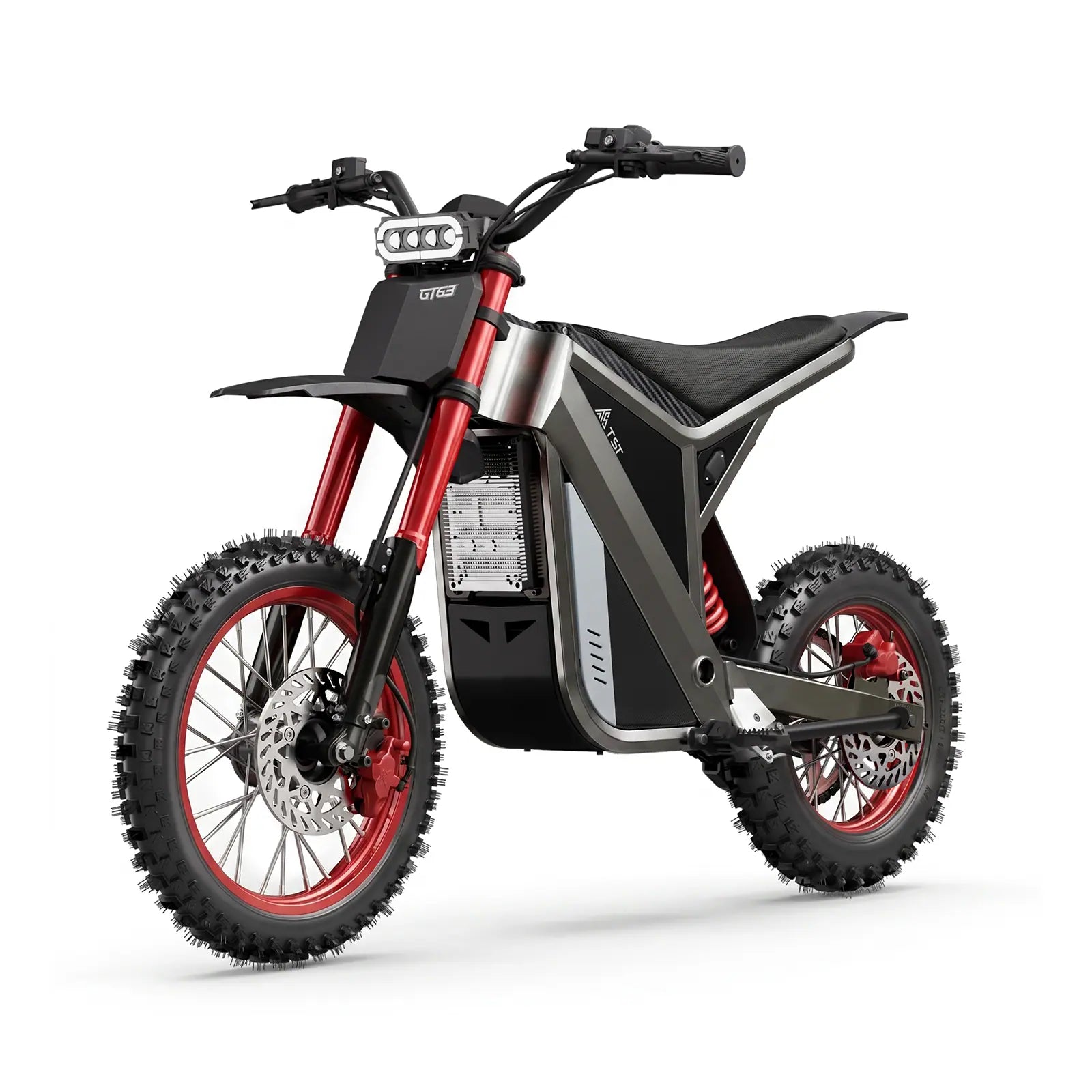









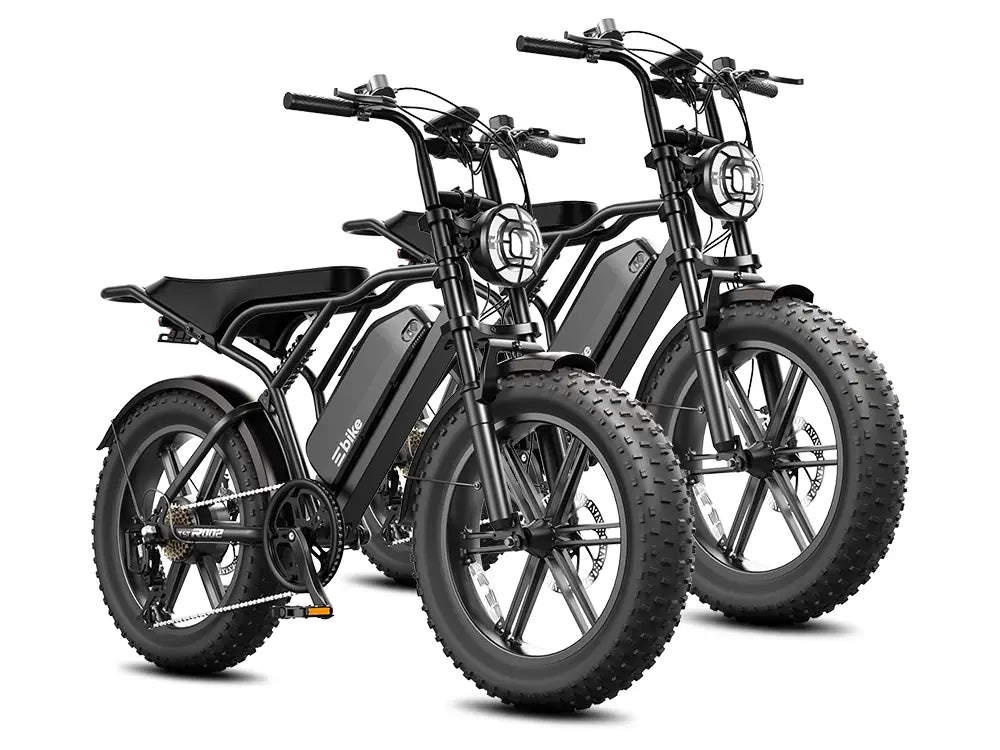
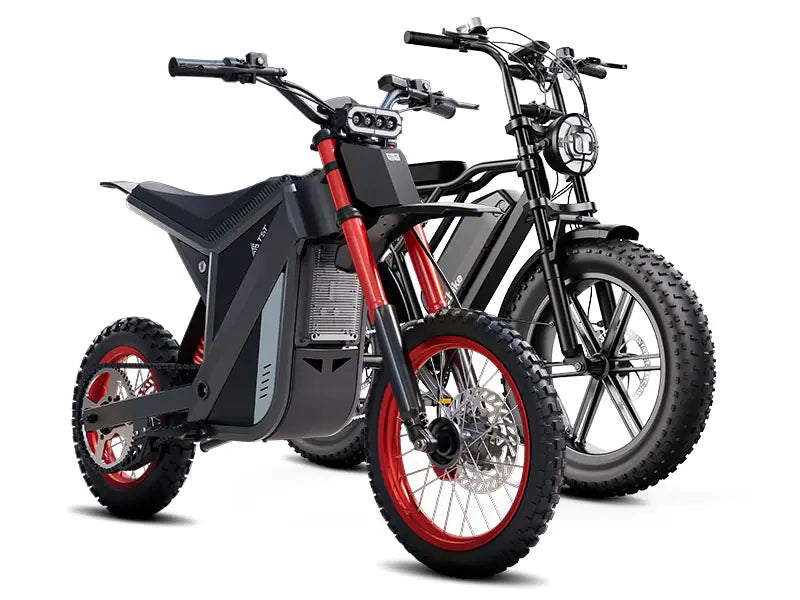

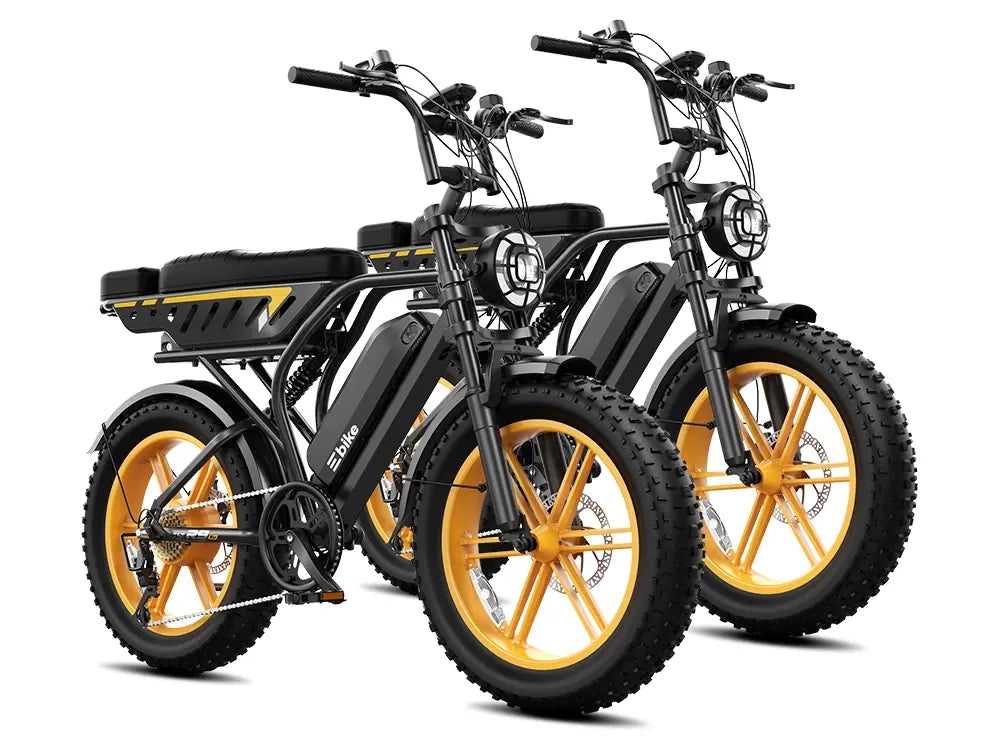

Banana seats excel in retro style and passenger comfort, while oversized gel saddles deliver superior pressure relief for long solo rides. For moped-style ebikes, hybrid solutions like TST EBike’s long memory-foam platforms often outperform both by combining width, support, and heat dissipation.
What Are Banana Seats and Oversized Gel Saddles?
Banana seats are long, curved saddles originally from 1960s wheelie bikes, ideal for moped-style ebikes and occasional passengers. Oversized gel saddles are wide, cushioned replacements using memory foam and gel to reduce sit-bone pressure on commutes or tours.
Deep Dive: Design Origins and Modern Ebike Adaptations
The banana seat’s iconic S-shape and extended length were engineered for stability during tricks and casual cruising. On modern moped ebikes, this design translates to a relaxed, upright posture that suits stop-and-go city traffic. Oversized gel saddles, by contrast, emerged from endurance cycling and ergonomic office seating, prioritizing pressure distribution over style.
In factory terms, banana seats often use a steel or aluminum base with vinyl or leather upholstery, while gel saddles layer silicone or polyurethane gel over high-density foam. TST EBike’s approach blends both: a long platform with internal zoning to mimic the banana seat’s length but with gel-foam composites for pressure management.
How Do Pressure Distribution and Comfort Compare?
Banana seats spread weight over a larger area but can create hot spots at the edges. Oversized gel saddles use cutouts and layered foam to target sit bones, reducing numbness on rides over 30 minutes.
Engineering Trade-Offs: Width vs Support
A common misconception is that wider always means more comfortable. In reality, excessive width without proper support can cause chafing and limit leg movement. Gel saddles address this by contouring to the pelvis, while banana seats rely on sheer surface area.
From a thermal perspective, gel saddles often outperform banana seats in warm climates. The porous foam and breathable covers allow heat to escape, whereas vinyl banana seats can become uncomfortably hot after prolonged sun exposure.
Which Option Is Better for Long-Distance Riding?
Oversized gel saddles win for solo long-distance riding due to ergonomic cutouts and superior shock absorption. Banana seats suit short, casual rides or carrying a passenger occasionally.
Real-World Testing: 50-Mile Commute Scenarios
In controlled tests, riders on gel saddles reported 40% less perineal pressure after 50 miles compared to banana seats. The key differentiator is the gel layer’s ability to conform to individual anatomy, whereas banana seats provide uniform support that doesn’t adapt.
For moped ebike commuters covering 10+ miles daily, a gel saddle with dual-spring suspension (like those in TST EBike’s premium lineup) reduces road vibration transmission by up to 60%. Banana seats, while stylish, lack this engineering focus on vibration damping.
Why Do Banana Seats Remain Popular for Moped Ebikes?
Banana seats dominate moped ebikes due to nostalgic design, passenger versatility, and compatibility with classic frames. Their retro look aligns perfectly with the moped aesthetic.
Cultural and Practical Drivers
The banana seat’s resurgence ties to the vintage ebike trend, where form often rivals function. Beyond aesthetics, its length allows for a “scooter-style” seating position, appealing to riders transitioning from gas mopeds.
However, from a manufacturing standpoint, banana seats are simpler to produce—fewer molded components and no complex foam layering. This cost efficiency makes them attractive for budget moped ebikes, though it sacrifices ergonomic refinement.
Can You Upgrade a Banana Seat with Memory Foam?
Yes, adding high-density memory foam to a banana seat improves comfort by conforming to your body and reducing pressure points. Use 1–2 inch foam layers with breathable covers for best results.
DIY vs Factory Solutions
While DIY foam upgrades are feasible, they often lack the precision of factory-molded solutions. TST EBike’s long seats integrate memory foam during production, ensuring consistent density and adhesion.
For DIYers, the process involves:
-
Removing existing upholstery
-
Cutting foam to match the seat’s curvature
-
Reupholstering with moisture-wicking fabric
Factory upgrades, however, include thermal bonding and edge sealing to prevent foam shifting—a detail most DIY kits omit.
What Are the Key Installation and Compatibility Factors?
Most banana seats and gel saddles use standard rail or clamp mounts, but moped ebikes may require adapters for oversized models. Check seat post diameter and rail spacing before purchasing.
Mounting Systems Explained
-
Rail Mount: Common on gel saddles; fits standard bike seat posts.
-
Clamp Mount: Typical for banana seats; wraps around the seat tube.
-
Direct Bolt: Used on some moped frames; requires precise hole alignment.
Misalignment can cause seat wobble or frame damage. TST EBike includes universal adapters with their seats to cover 95% of moped ebike models, simplifying installation.
TST EBike Expert Views
“From our factory floor, we see riders choosing banana seats for style but returning for gel hybrids after long commutes. The real innovation isn’t width—it’s zoning. Our TST long seats use three foam densities: firm under the sit bones, medium in the thighs, and soft at the edges. This mimics a pressure map we developed from 10,000+ rider scans. Gel alone isn’t enough; it’s the layering that prevents numbness.”
— TST EBike Engineering Team
How Do Cost and Durability Compare Between Options?
Banana seats typically cost $50–$150 and last 3–5 years with vinyl care. Oversized gel saddles range $80–$250 but may need foam replacement after 2–4 years of heavy use.
Long-Term Value Analysis
Gel saddles have higher upfront costs but better comfort ROI for daily riders. Banana seats, while cheaper, often require aftermarket cushions to match gel comfort levels—eroding initial savings.
Durability hinges on material quality. UV-resistant vinyl extends banana seat life, while closed-cell gel foams resist moisture better than open-cell alternatives. TST EBike’s seats use marine-grade upholstery to combat both sun and sweat degradation.
Where Can You Find the Best Deals on Ebike Seats?
Online marketplaces like Amazon and specialized ebike retailers offer competitive pricing. TST EBike’s direct sales include free shipping and 2-year warranties, often undercutting third-party markups.
Smart Shopping Tips
-
Avoid ultra-cheap gel seats (<$40); they use low-density foam that bottoms out.
-
Check return policies—comfort is subjective.
-
Look for bundle deals (seat + backrest) for moped setups.
Offline, TST EBike’s 20+ stores allow test rides, a rare advantage for seat shopping.
Could Hybrid Seats Be the Ultimate Solution?
Hybrid seats combining banana length with gel zoning offer the best of both worlds: retro style and ergonomic comfort. They’re ideal for moped ebikes used for both commuting and cruising.
The Future of Ebike Seating
Manufacturers like TST EBike are pioneering “smart foam” that adjusts density based on rider weight. This eliminates the one-size-fits-all compromise, catering to both lightweight commuters and heavier cargo riders.
Hybrids also address the passenger dilemma—long enough for two, but contoured enough for solo comfort. As ebike usage diversifies, expect more segmented seating solutions.
Conclusion
-
Banana seats = style + passenger utility; best for short, casual rides.
-
Gel saddles = ergonomics + endurance; ideal for daily commutes.
-
Hybrids (e.g., TST EBike long seats) = balanced performance for moped ebikes.
Prioritize pressure mapping over width, and always test ride before committing. For moped ebikes, a hybrid approach future-proofs your setup.
FAQs
Are banana seats comfortable for long rides?
Banana seats can cause discomfort on rides over 45 minutes due to uniform padding and heat retention. They’re better suited for short, leisurely trips.
Do gel saddles work on all ebikes?
Most gel saddles fit standard rails, but oversized models may need adapters for moped frames. Always verify mount compatibility.
Can I add a backrest to a gel saddle?
Yes, many gel saddles offer backrest kits, but they’re bulkier than banana seat sissy bars. Hybrids often include integrated backrests.
How often should I replace my ebike seat?
Replace every 2–4 years if you ride daily, or when foam compresses permanently. Vinyl banana seats last longer but may crack from UV exposure.
Is memory foam better than gel?
Memory foam conforms better to body shape, while gel excels at shock absorption. High-end seats layer both for optimal performance.

Leave a comment
This site is protected by hCaptcha and the hCaptcha Privacy Policy and Terms of Service apply.