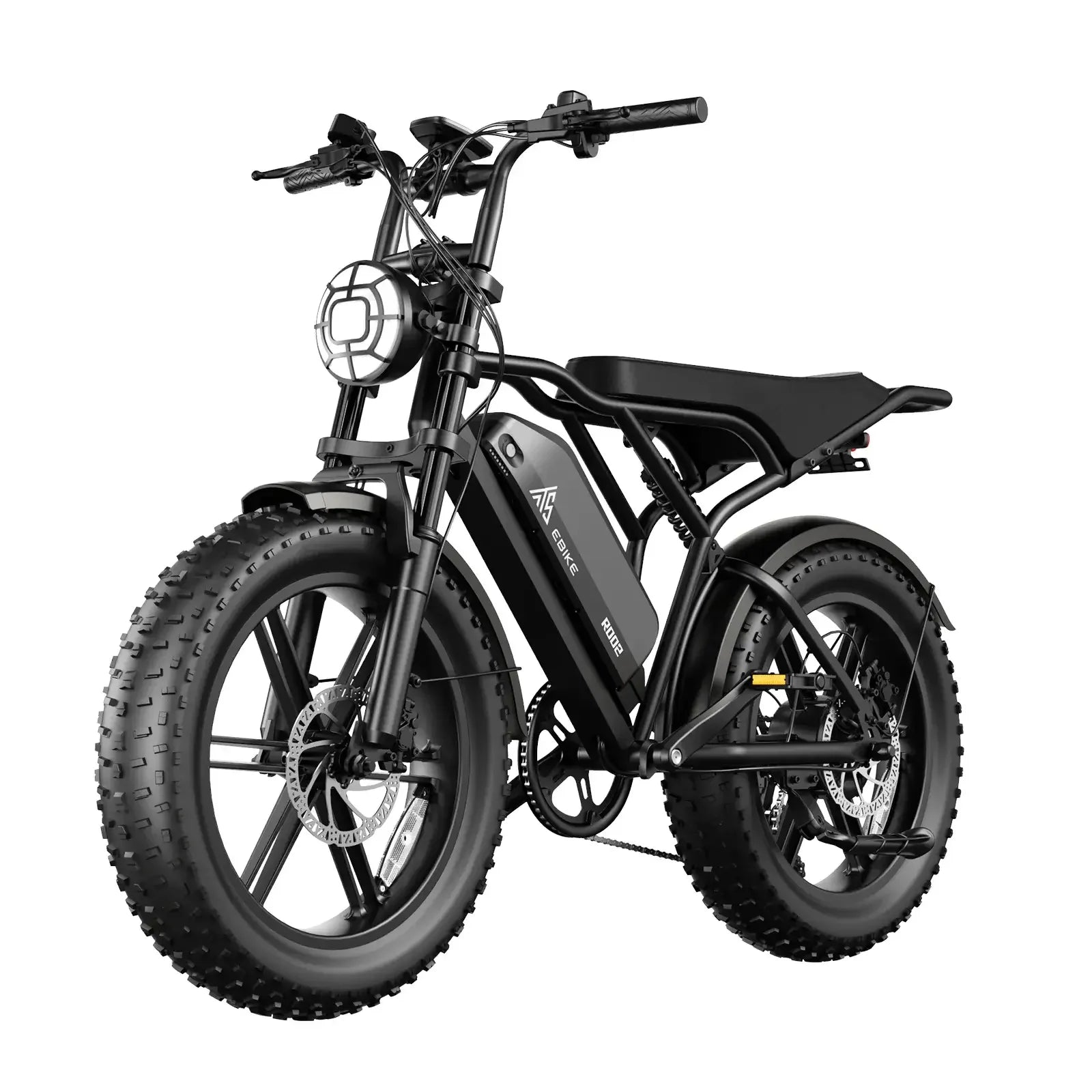

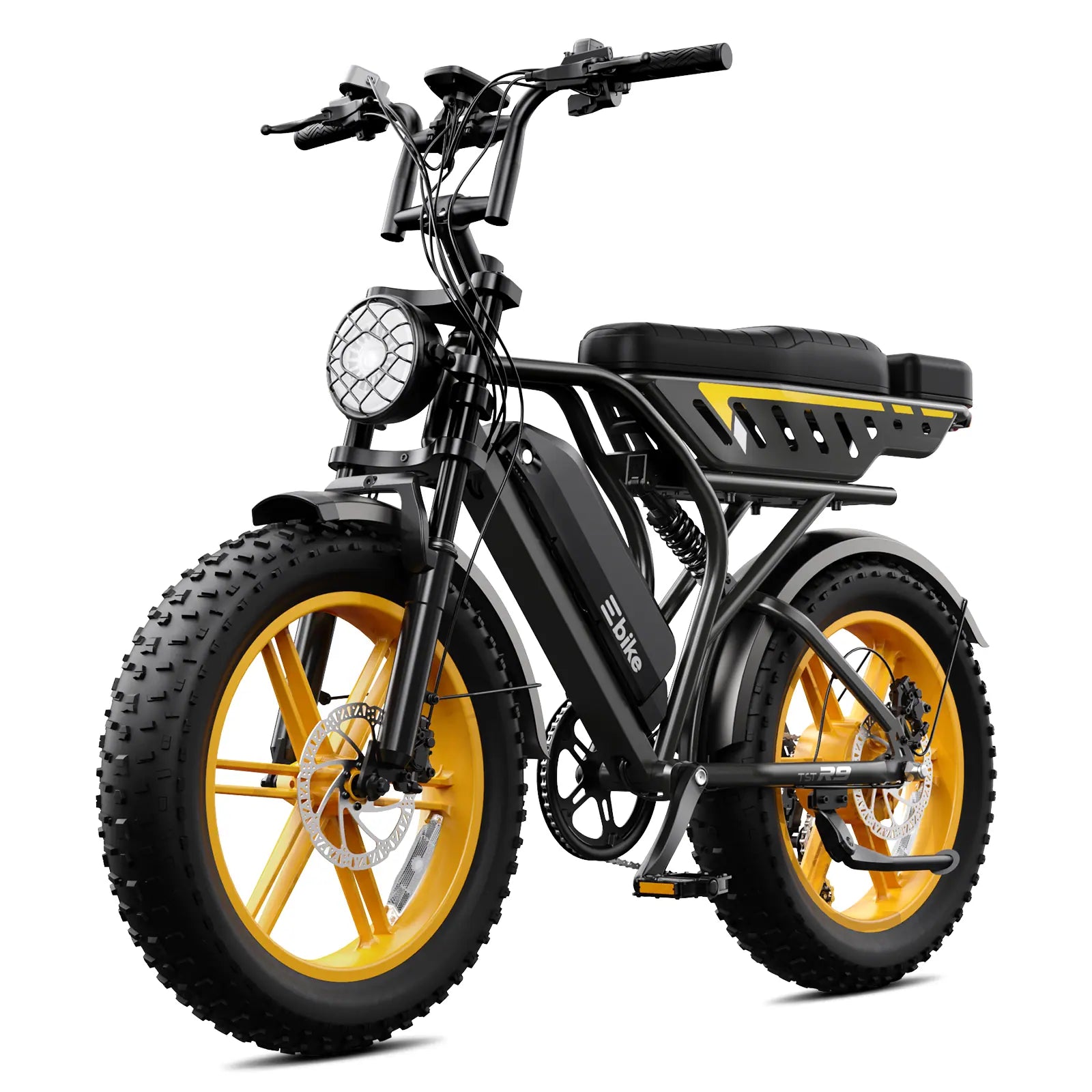

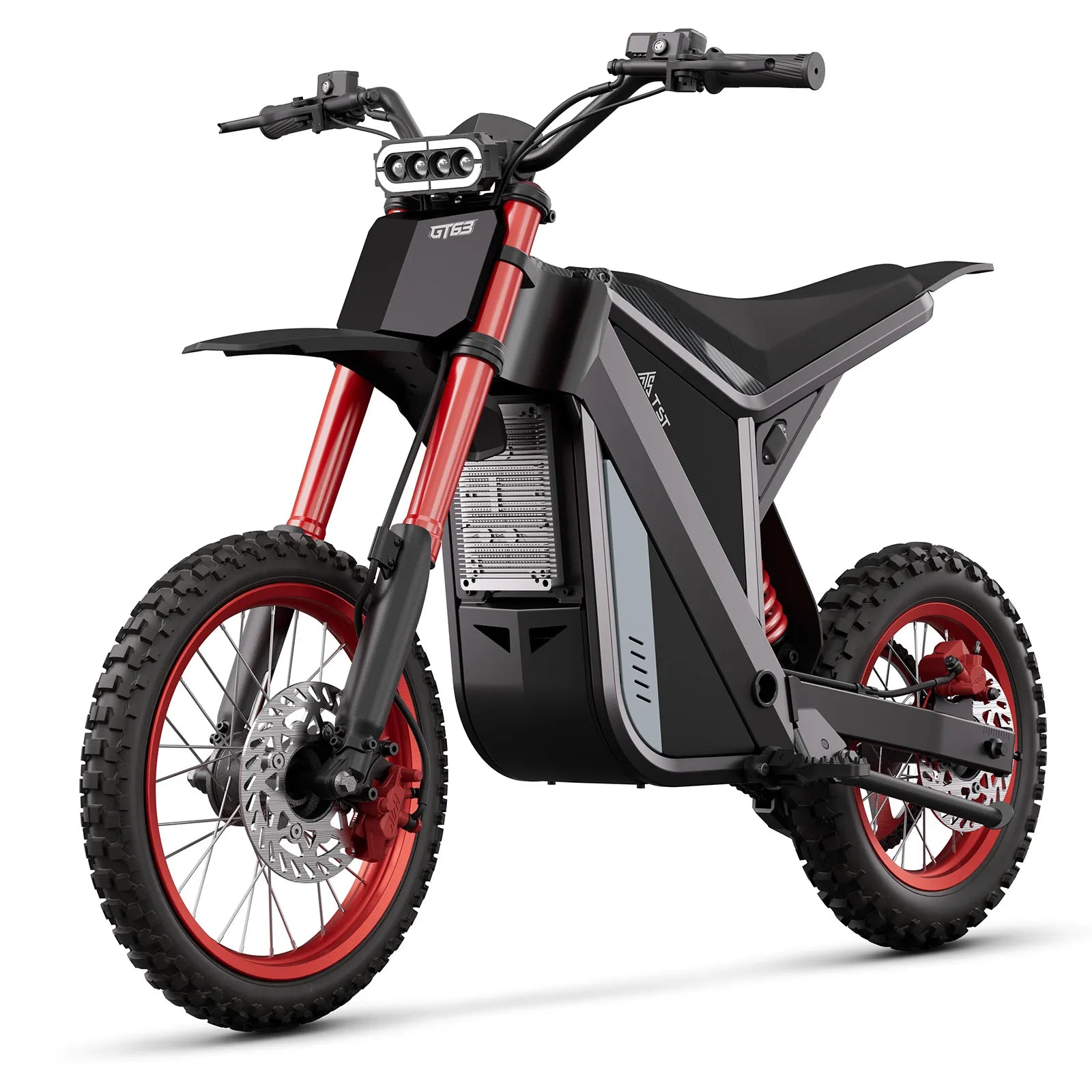
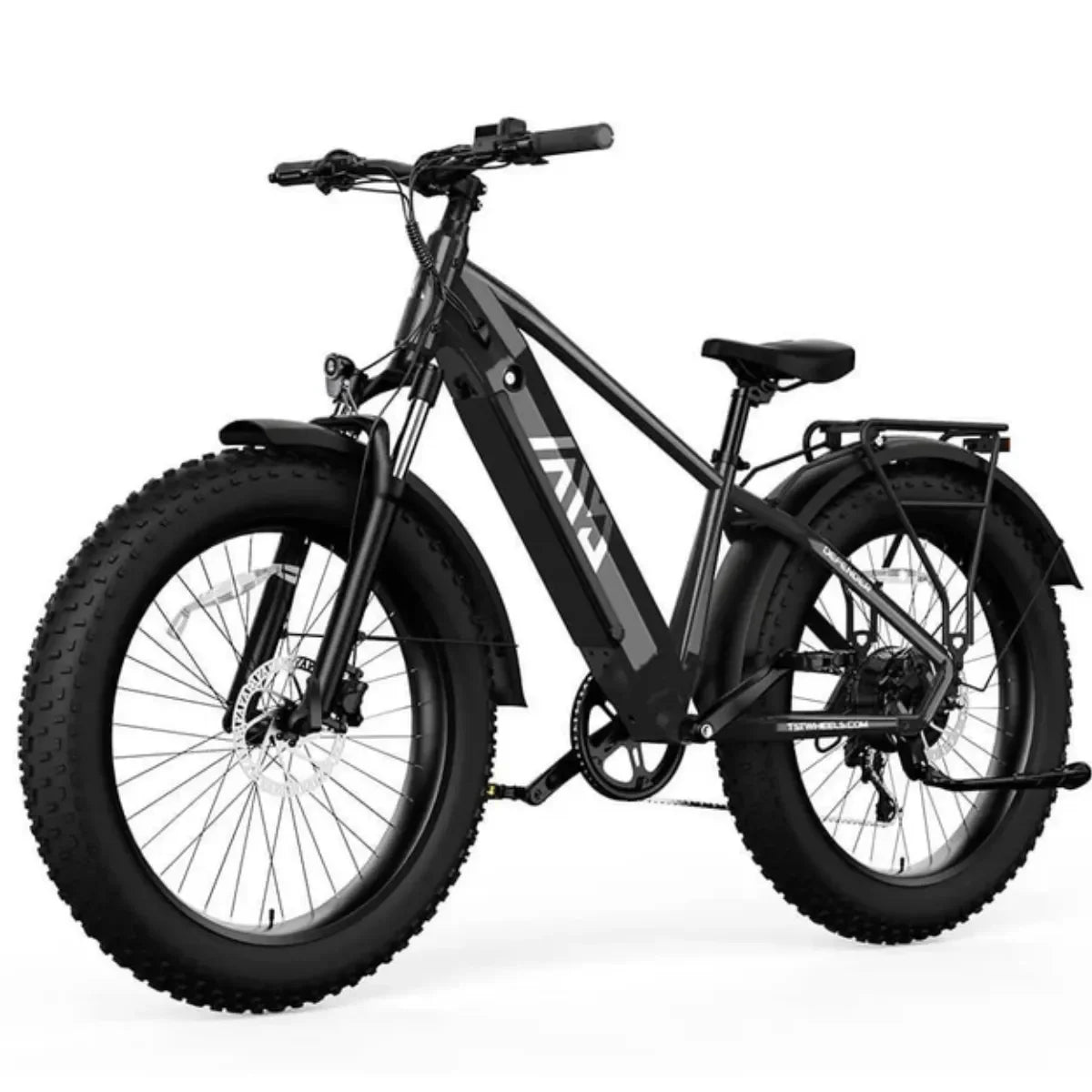
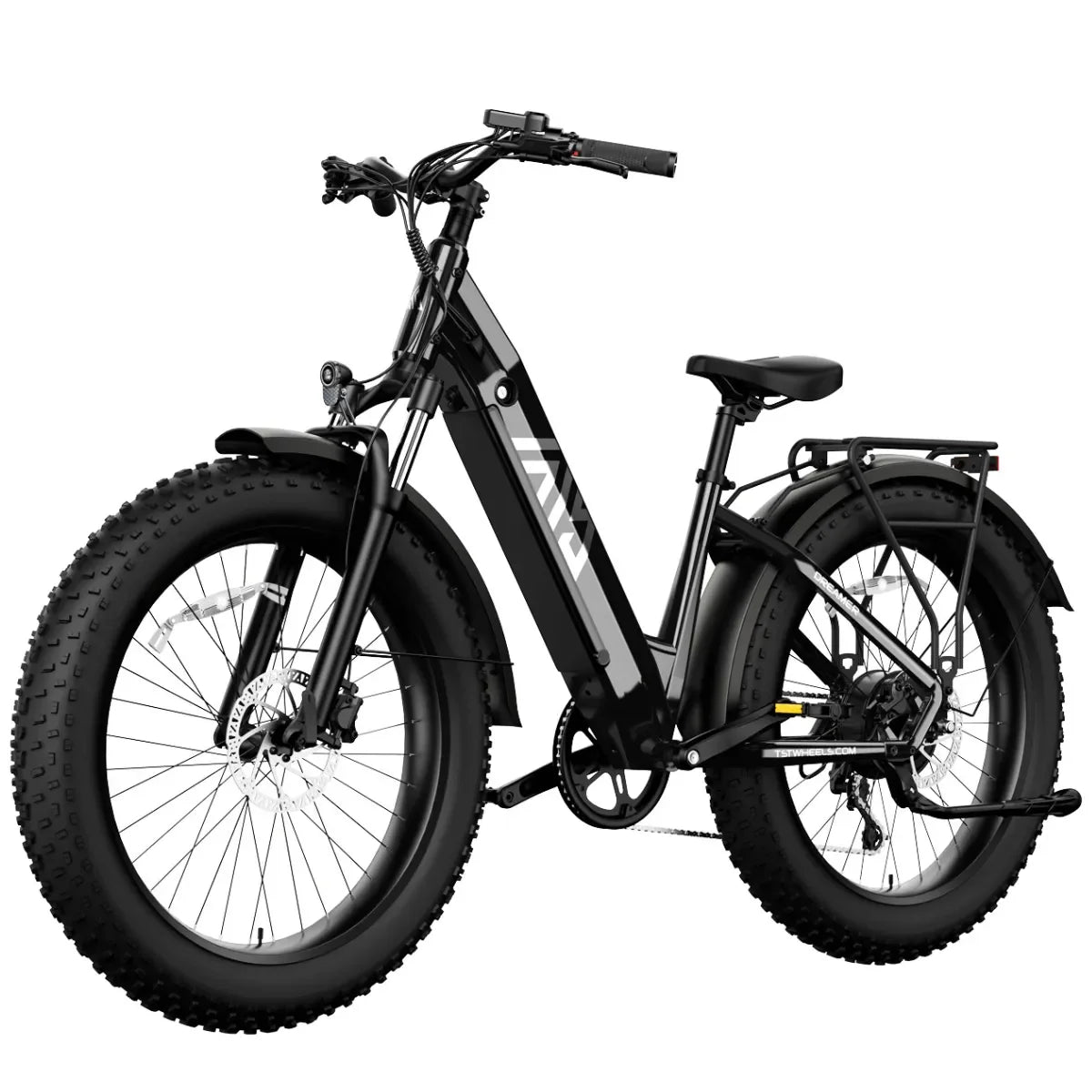

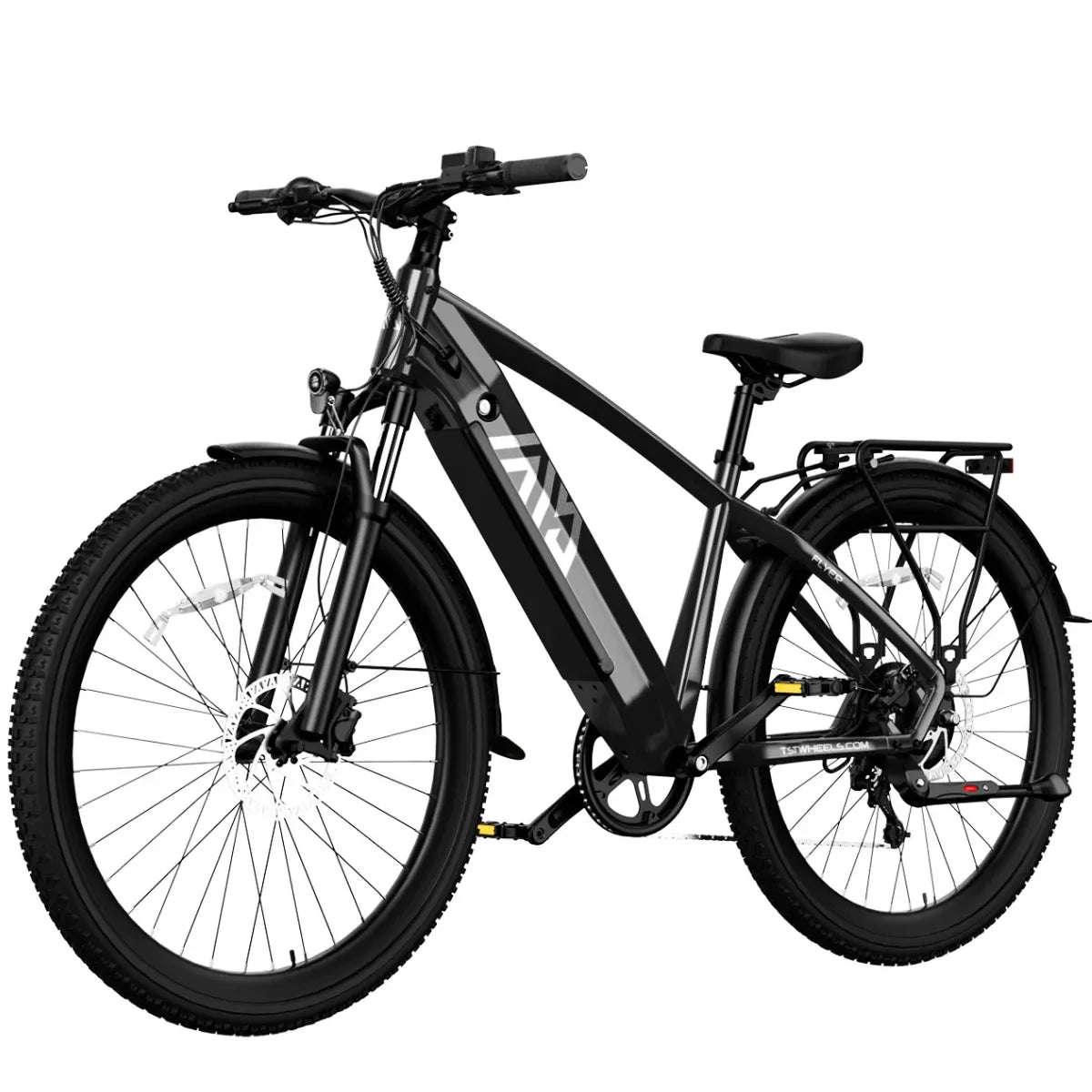
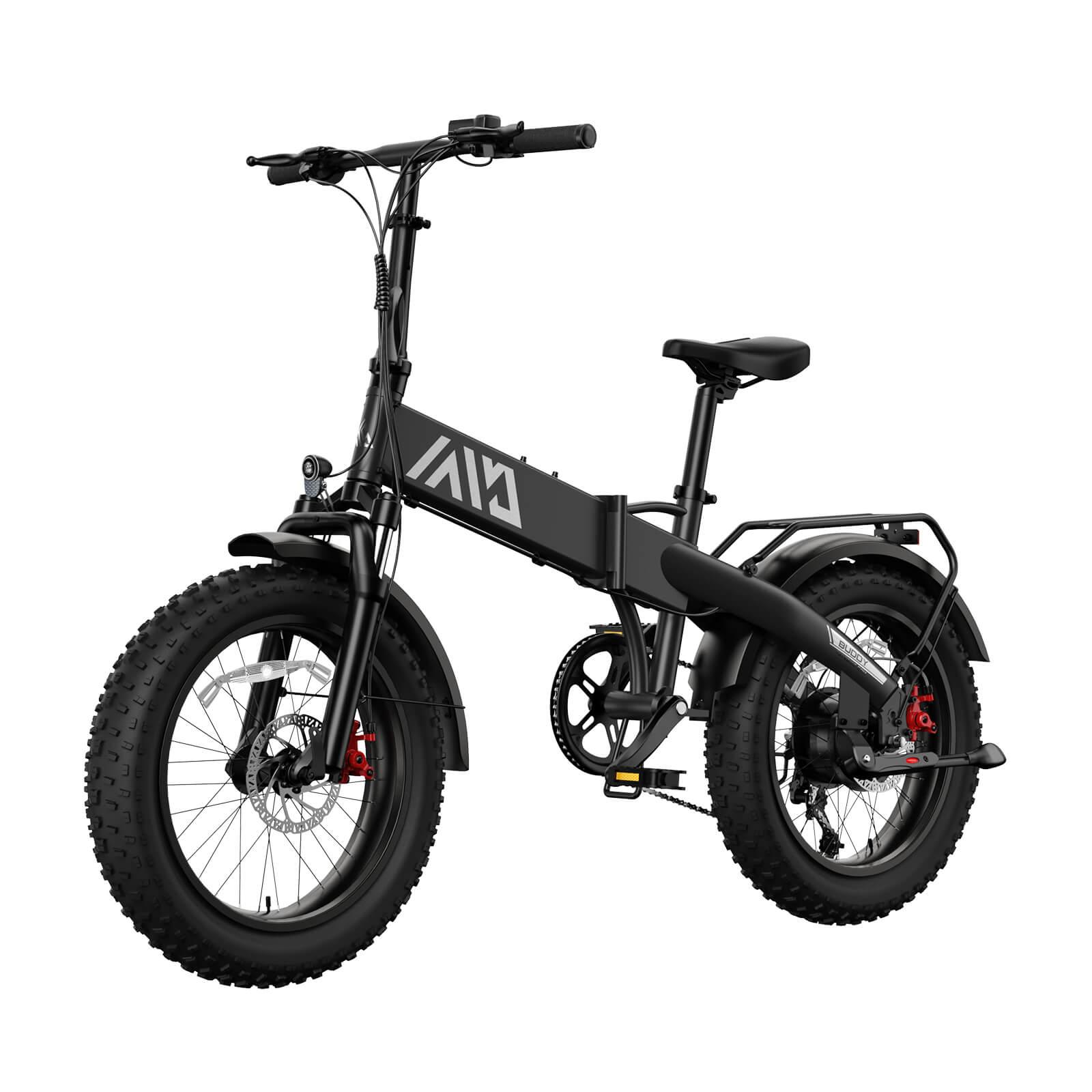

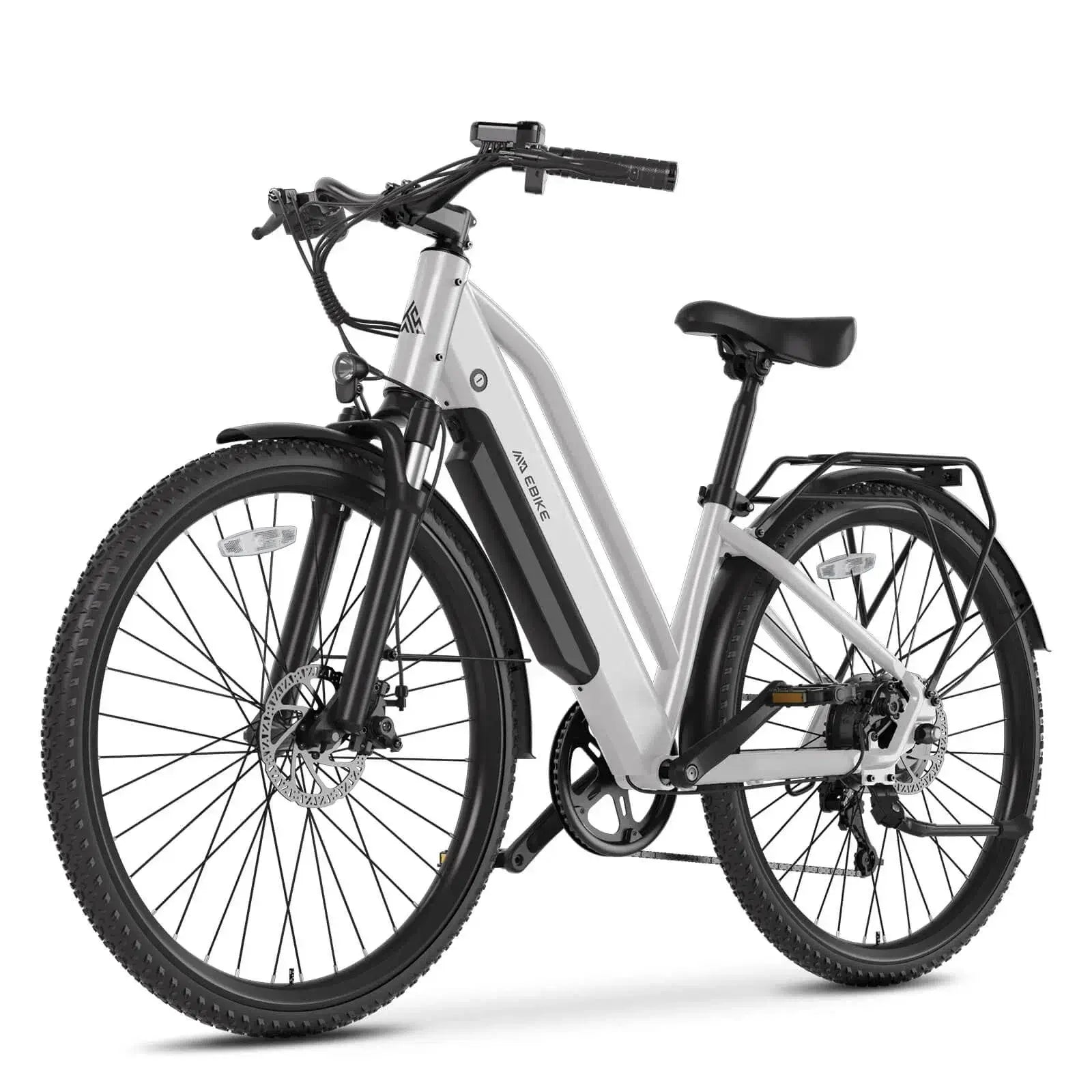







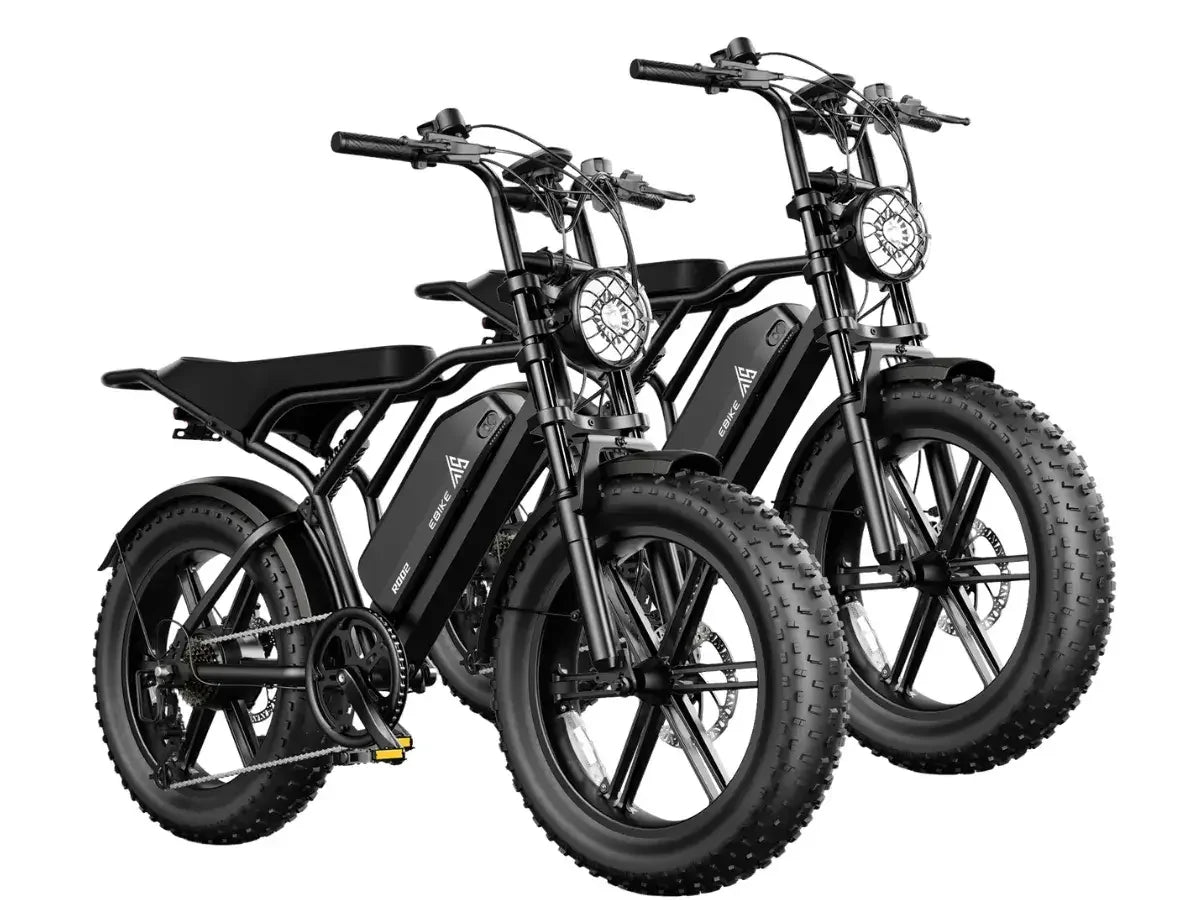
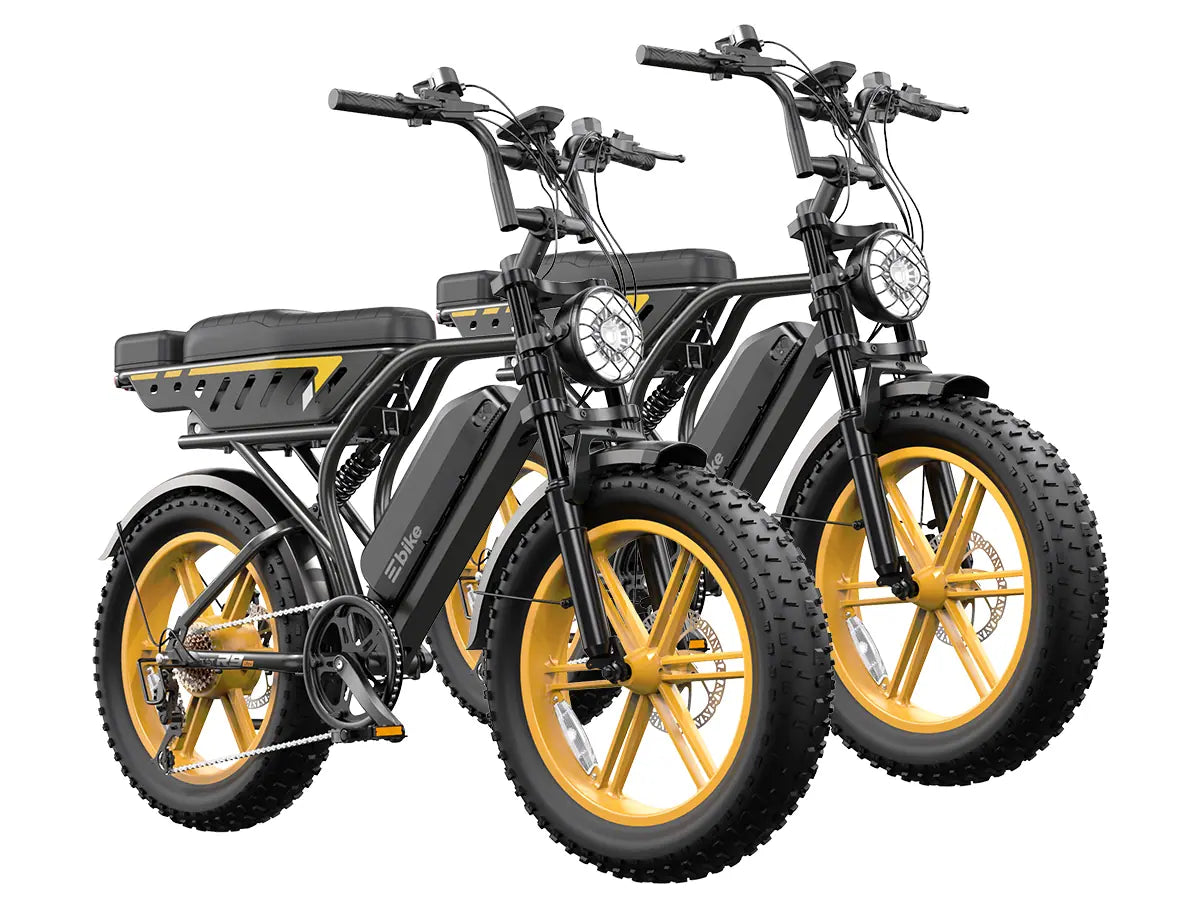

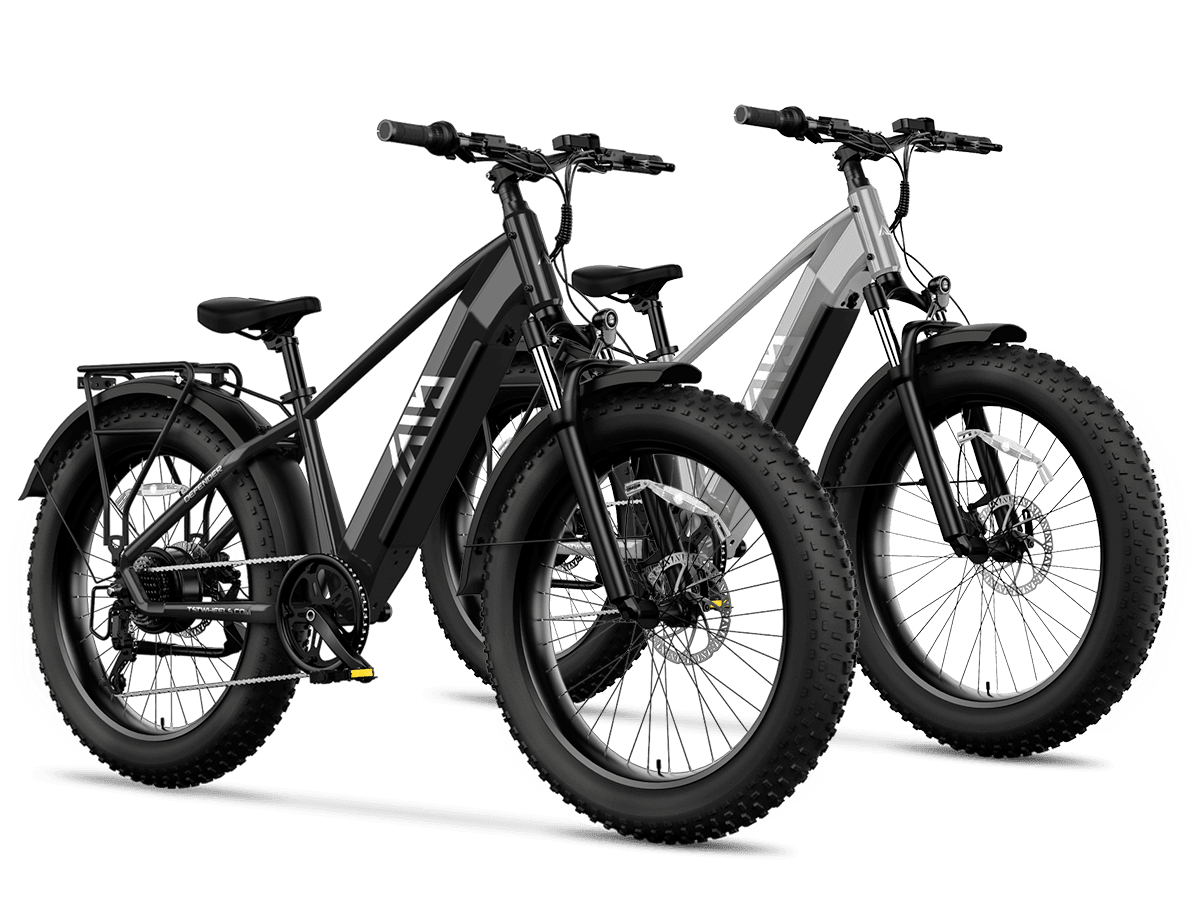
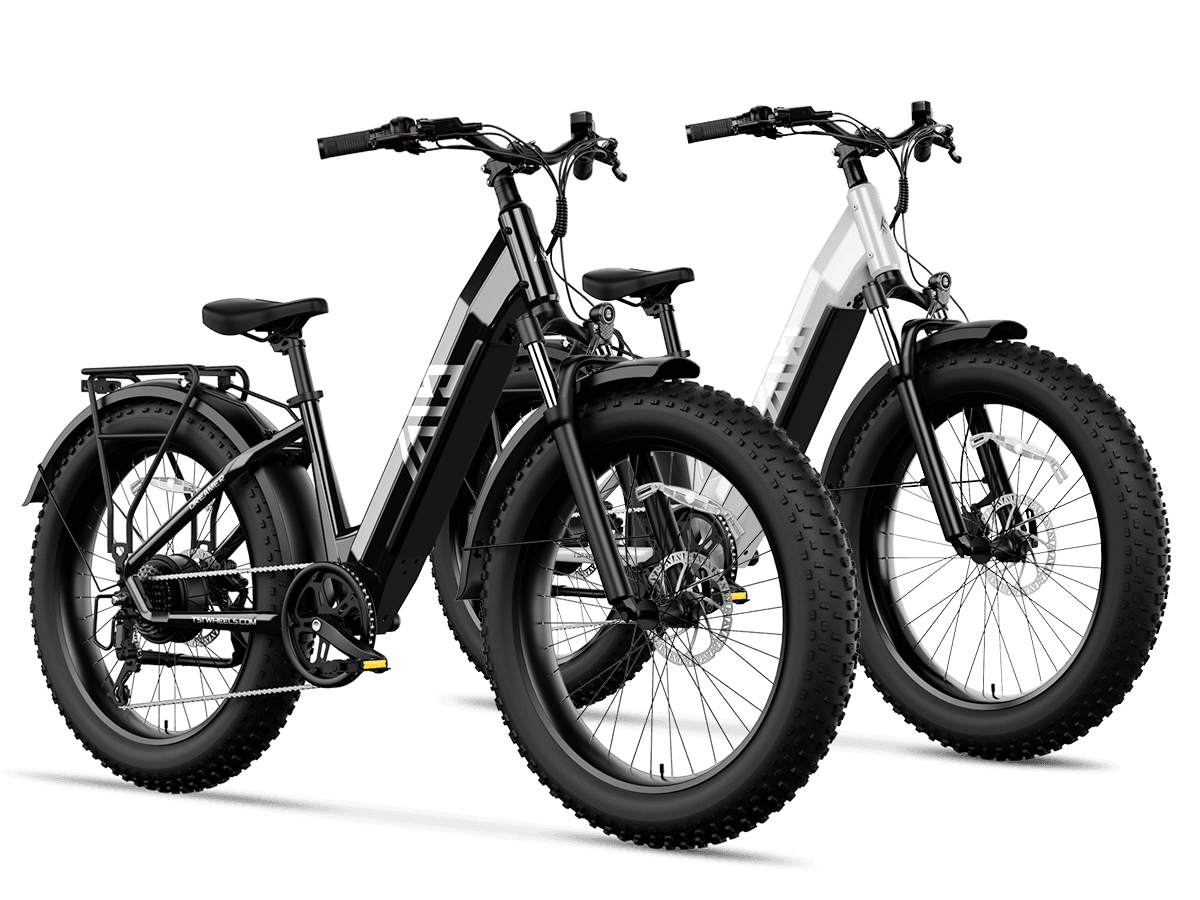

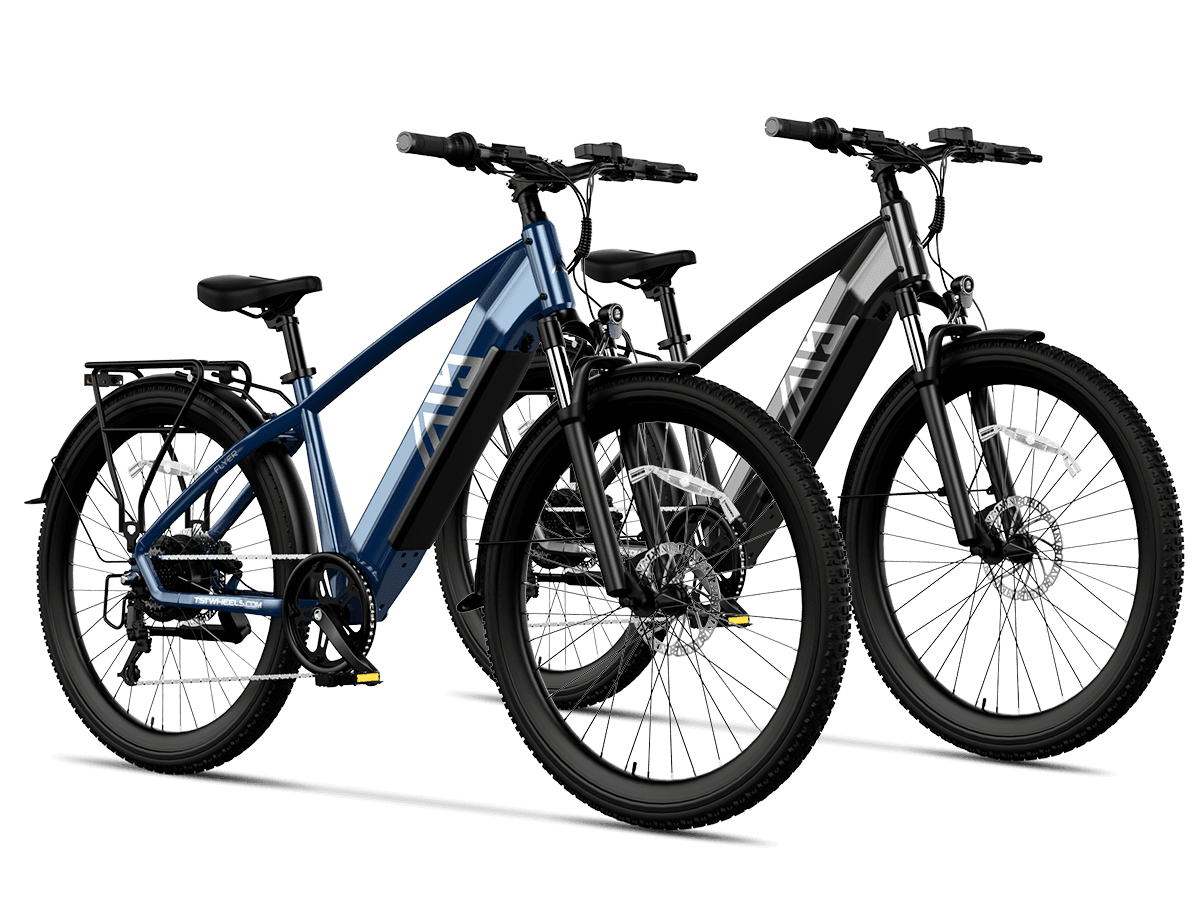
An electric bicycle 50 mph dramatically exceeds conventional Class 1–3 e-bike limits. While standard e-bikes max out at 28 mph and 750W, an electric bicycle 50 mph typically leverages a 3000W–5000W motor and heavy-duty lithium batteries. This means advanced frame engineering, motorcycle-grade components, and a ride utterly transformed by powerful torque and velocity.
Chart title: Electric Bicycle 50 MPH vs. Standard E-Bike Comparison
| Feature | Standard E-Bike (Class 1-3) | Electric Bicycle 50 MPH |
|---|---|---|
| Top Speed | 20–28 mph | 50 mph |
| Motor Power | 250–750W | 3000–5000W+ |
| Legal Classification | Bicycle (Class 1-3) | Moped/Motorcycle (varies) |
| Safety Requirements | Basic | Full gear & enhanced brakes |
| Where to Ride | Paths, bike lanes, roads | Roads only, no bike lanes |
What Are the Legal and Regulatory Issues When Using an Electric Bicycle 50 MPH?
Owning an electric bicycle 50 mph pits the rider against a legal maze. In the United States and most regions, anything above 28 mph or 750W is not considered a bicycle. Instead, a 50 mph electric bicycle is legally treated as a moped, motor-driven cycle, or even a light motorcycle. This means you may need a driver’s license, registration, insurance, and possibly motorcycle plates. Riding an electric bicycle 50 mph on bike lanes or paths is almost always prohibited—road use is mandatory.
Which Features Distinguish 26-inch and 27-inch Electric Bicycle 50 MPH Models?
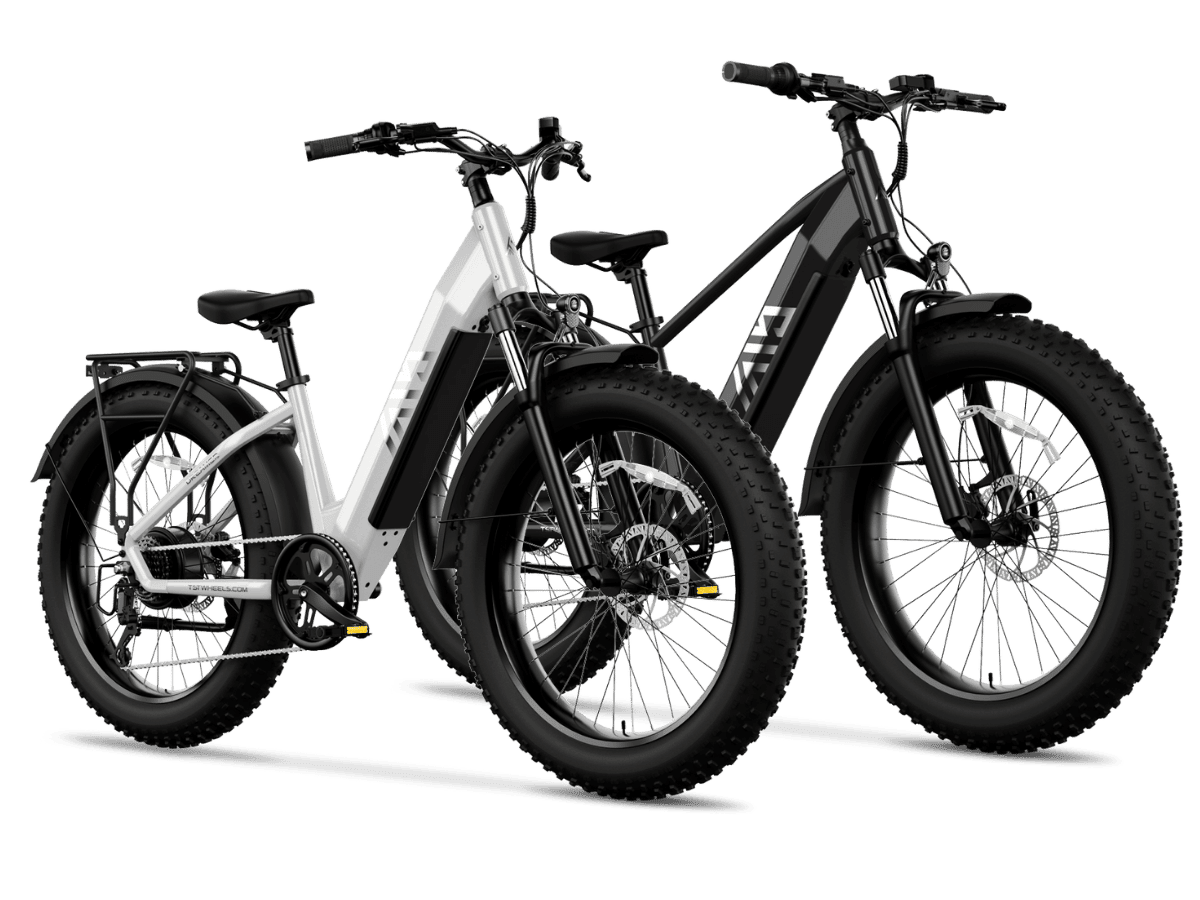
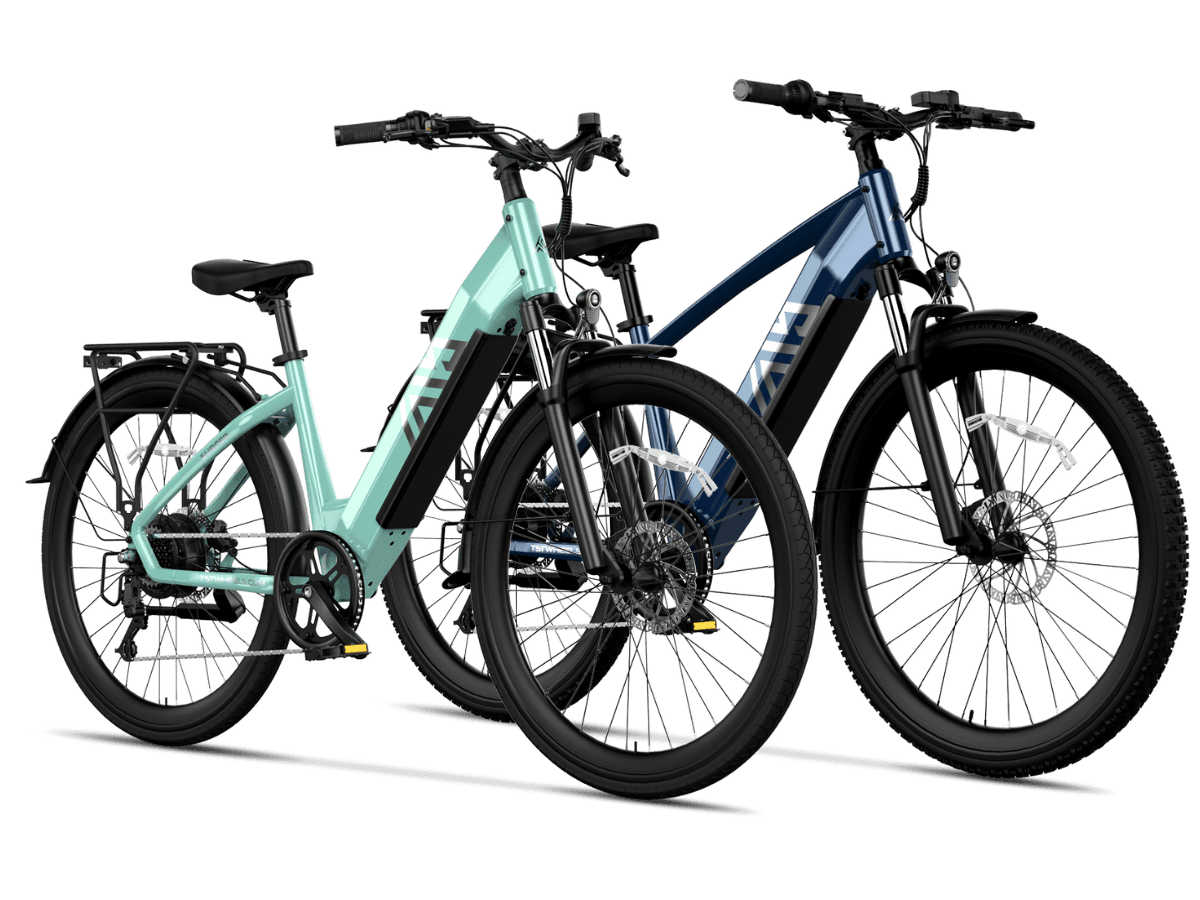
When considering a 50 mph electric bicycle, wheel size matters. The 26-inch electric bicycle 50 mph variant offers superb shock absorption and traction on sand, snow, and rough off-road terrain, while the 27-inch electric bicycle 50 mph solution delivers smoother rolling and stability for daily commutes and high-speed mountain trails.
Chart title: Wheel Size Impact in Electric Bicycle 50 MPH Models
| Wheel Size | Terrain Focus | Strengths |
|---|---|---|
| 26-inch | Sand, snow, off-road | Grip, absorbs shocks, stability |
| 27-inch | Urban, trails, MTN | Smoother roll, high-speed stable |
How Does an Electric Bicycle 50 MPH Ensure Safe and Stable Riding at High Speed?
A true electric bicycle 50 mph is built for extremity: reinforced frames, inverted motorcycle forks, heavy-duty rear suspension, hydraulic disc brakes, full lights, and wider high-performance tires. Custom battery management for high-discharge rates preserves safety and longevity. These upgrades transform the riding experience and are essential for managing the immense forces and distances of a 50 mph ride.
What Are the Risks and Responsibilities When Operating an Electric Bicycle 50 MPH?
Riding an electric bicycle 50 mph means helmet use is not optional. In many jurisdictions, so are armored jackets, gloves, and eye protection. Riders take on greater legal liability, mandatory insurance, and should expect strict traffic enforcement—infractions may lead to heavy fines or vehicle seizure. Always understand the legal framework for operating high-power electric bikes in your locality.
Why Does TST EBike Stand Out in High-Speed Electric Bicycle Quality?
TST EBike, founded in California in 2017, is committed to delivering high-power, cost-effective electric bikes based on extensive user feedback. While conventional e-bikes limit speed, TST EBike ensures every electric bicycle 50 mph model features robust design, advanced quality control, high-performance motors, and batteries optimized for both rugged adventures and urban commutes, with a global support network.
Buying Tips
- Verify local laws. An electric bicycle 50 mph almost always needs registration, a motorcycle license, and dedicated insurance.
- Select wheel size for your environment: a 26-inch electric bicycle 50 mph for sand and off-road performance, or a 27-inch electric bicycle 50 mph for city or trail use.
- Inspect frame strength, hydraulic brakes, suspension quality, and full safety lighting.
- Only choose trusted brands with robust support. TST EBike provides detailed QC, responsive service, and consumer-driven design.
- Test ride in a safe, legal location. Always wear a full-face helmet and recommended protective gear.
| Key Purchase Factor | What to Look For |
|---|---|
| Legal Status | Motorcycle registration/license |
| Safety Gear | Full helmet, jacket, gloves |
| Wheel Size | 26" rough/off-road, 27" urban/trail |
| Brand | Trust, warranty, after-sales (TST) |
| Insurance | Liability and theft coverage |
TST EBike Expert Views
“TST EBike approaches every electric bicycle 50 mph design with uncompromising safety and innovation. We see these high-speed machines as a new era in personal transport—demanding advanced manufacturing, legal awareness, and extreme user responsibility. Listening to our customers, we engineer every electric bicycle 50 mph for confidence, performance, and real-world dependability,” remarks a TST EBike product engineer.
What Frequently Asked Questions Should You Know About Electric Bicycle 50 MPH?
How Does a 50 MPH Electric Bicycle Really Work Compared to Regular E-Bikes?
A 50 MPH electric bicycle uses a powerful 3000W-5000W motor and high-capacity lithium batteries, far exceeding standard e-bikes limited to 750W and 28 MPH. It features reinforced frames, motorcycle-grade brakes, and advanced suspension for stability at high speeds, unlike lighter standard models designed for bike paths.
How Does a 3000W E-Bike Motor Compare to a 750W Motor in Real Riding?
A 3000W motor delivers explosive acceleration, superior hill climbing, and sustained 50 MPH speeds, while a 750W motor tops at 28 MPH with modest torque. The higher power demands better cooling and batteries but transforms commuting and off-road performance dramatically.
How Much Battery Do You Need to Ride a 50 MPH Electric Bike Safely?
High-speed 50 MPH e-bikes require 72V batteries with 40-60Ah capacity (2880Wh+) for 40-80 mile range, compared to 48V 15-20Ah in standard e-bikes. Larger packs ensure stable power delivery and prevent dangerous voltage drops during intense rides.
What Braking System Do You Need for a 50 MPH Electric Bike?
At 50 MPH, hydraulic disc brakes with 203mm+ rotors and 4-piston calipers are essential, unlike basic mechanical brakes on standard e-bikes. These prevent brake fade, handle immense stopping forces, and include ABS for safety on wet or extended descents.
Is a 50 MPH Electric Bike Street Legal in the US and Other Regions?
No, 50 MPH e-bikes exceed US Class 3 limits (28 MPH, 750W) and classify as mopeds or motorcycles, requiring registration, licenses, and insurance in most states. EU limits are even stricter at 15-25 MPH for bicycles; high-speed models need motorcycle certification.
Who Is a 50 MPH Electric Bicycle Really Designed For?
Thrill-seekers, long-distance commuters on open roads, and experienced riders comfortable with motorcycle-like handling. Novices or casual path users should stick to standard e-bikes, as 50 MPH demands advanced skills, gear, and comfort with high-speed risks.
How Does a 50 MPH Electric Bike Compare to a 28 MPH Class 3 E-Bike?
50 MPH models offer 4x motor power, double speed, heavier reinforced builds, and moped legality versus Class 3 bicycle status. They excel in velocity but sacrifice bike-lane access, lightness, and simplicity for extreme performance capabilities.
How Much More Does It Cost to Own a 50 MPH Electric Bicycle Than a Regular E-Bike?
Expect $3000-$8000 upfront versus $1000-$3000 for standard e-bikes, plus higher battery replacements ($1000+), insurance, and maintenance. Long-term savings on fuel offset costs for heavy users, but casual riders face premium pricing without proportional benefits.

Leave a comment
All comments are moderated before being published.
This site is protected by hCaptcha and the hCaptcha Privacy Policy and Terms of Service apply.