


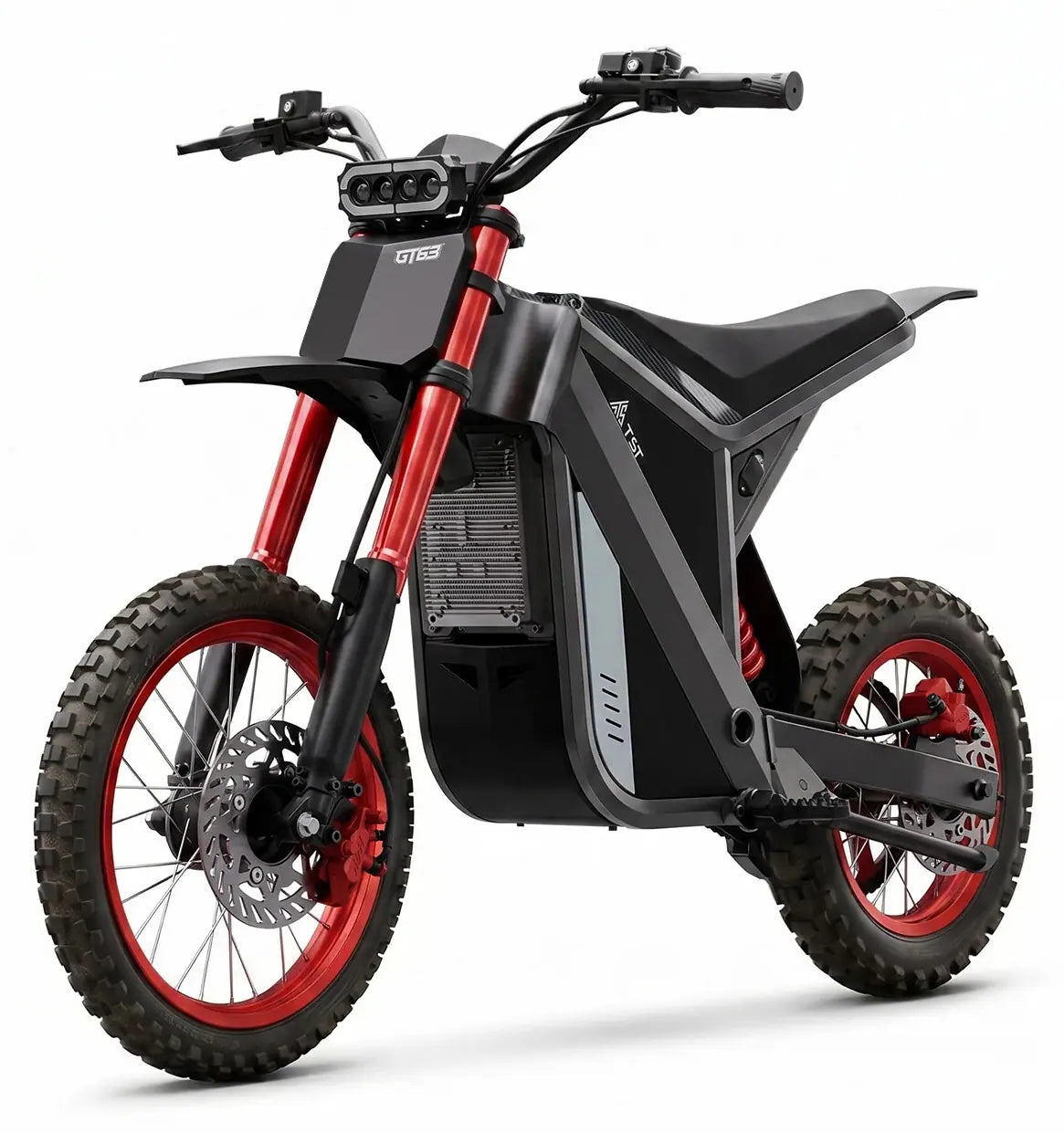

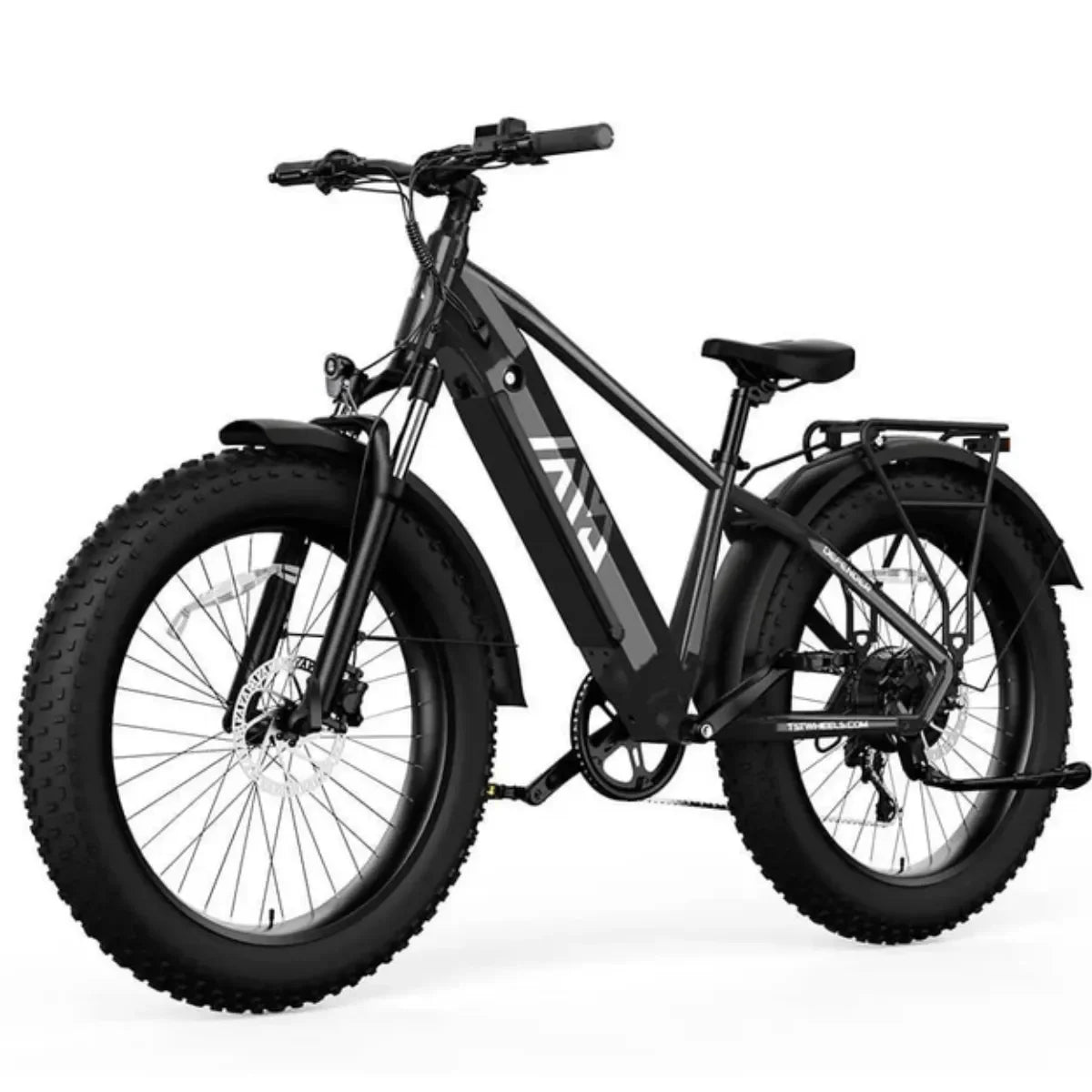
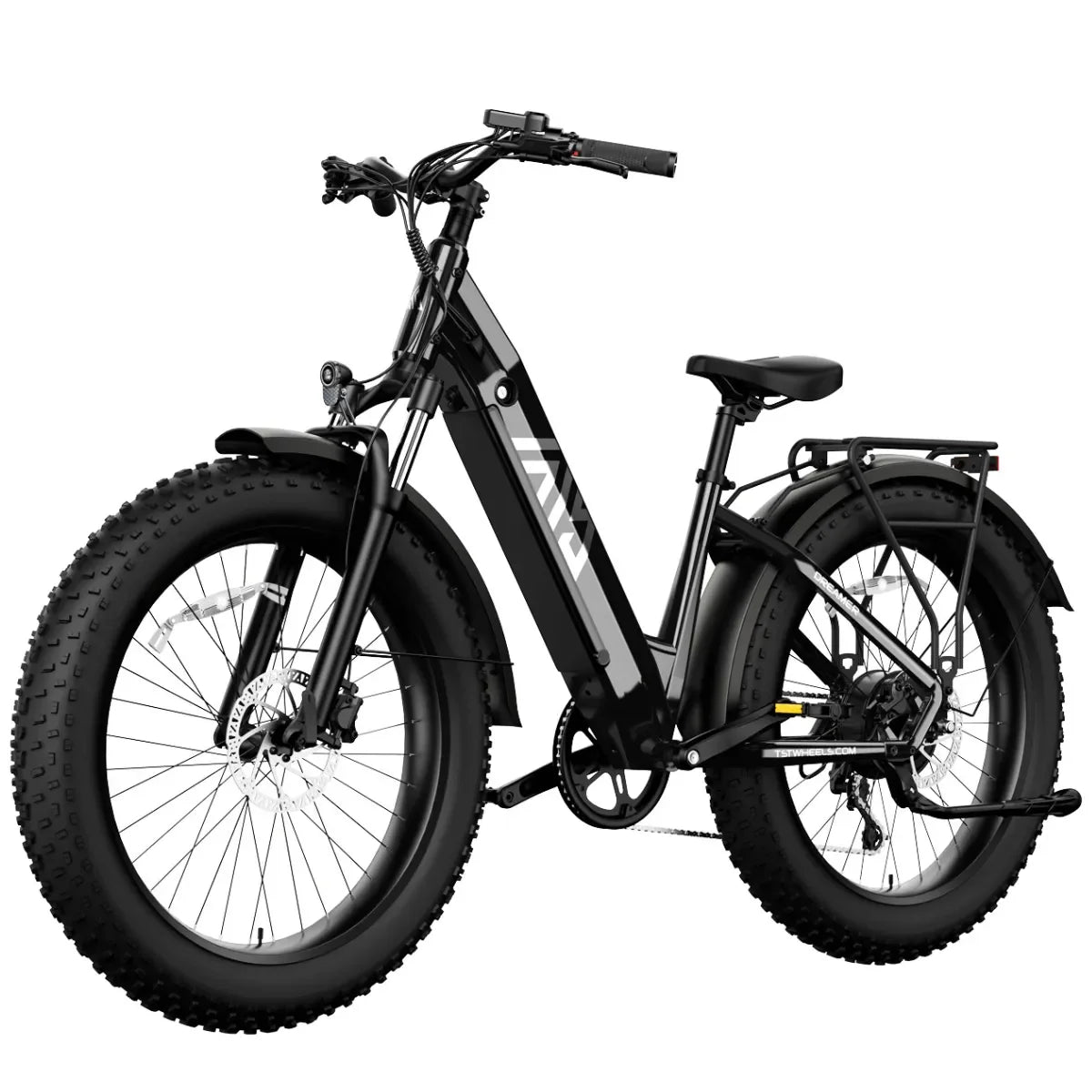

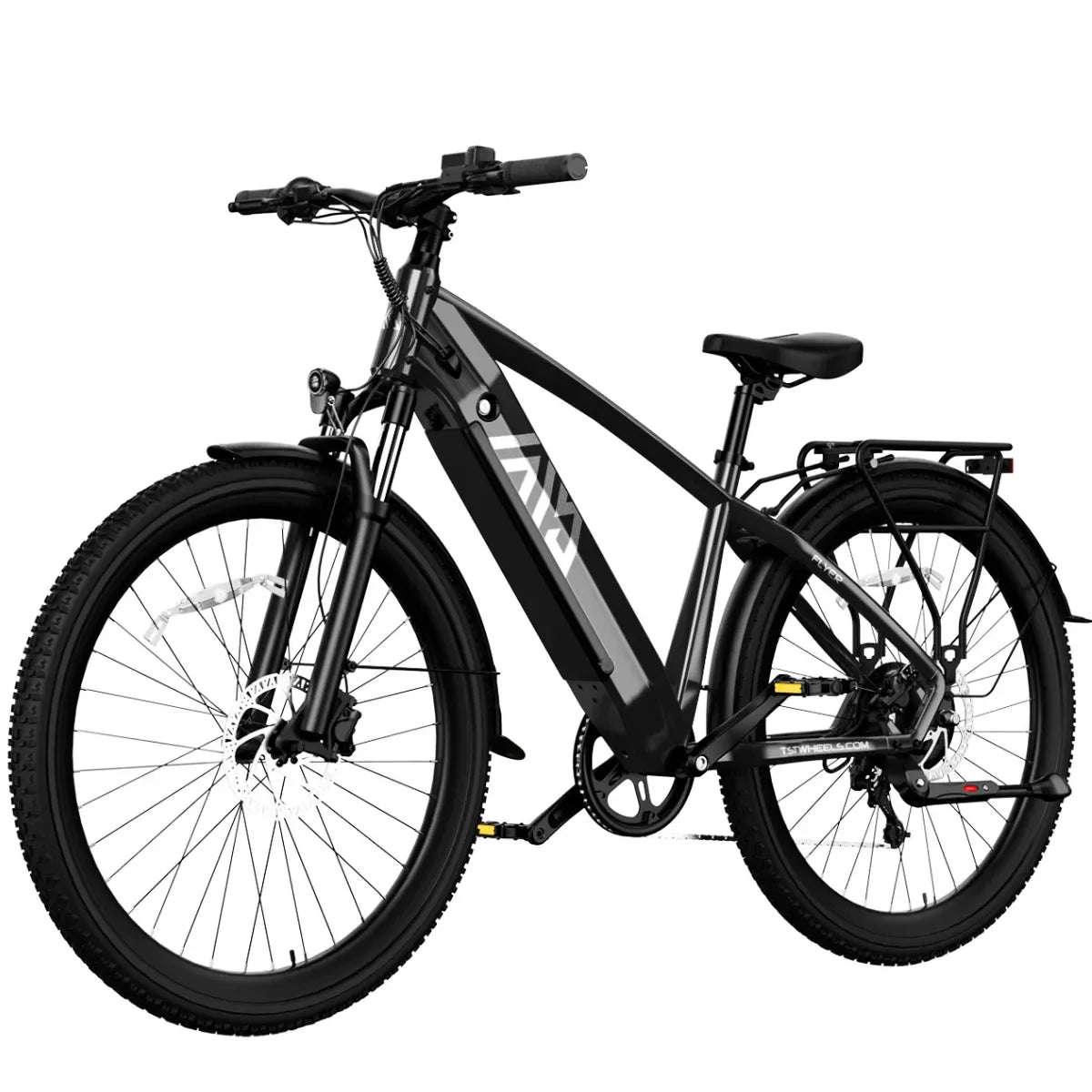
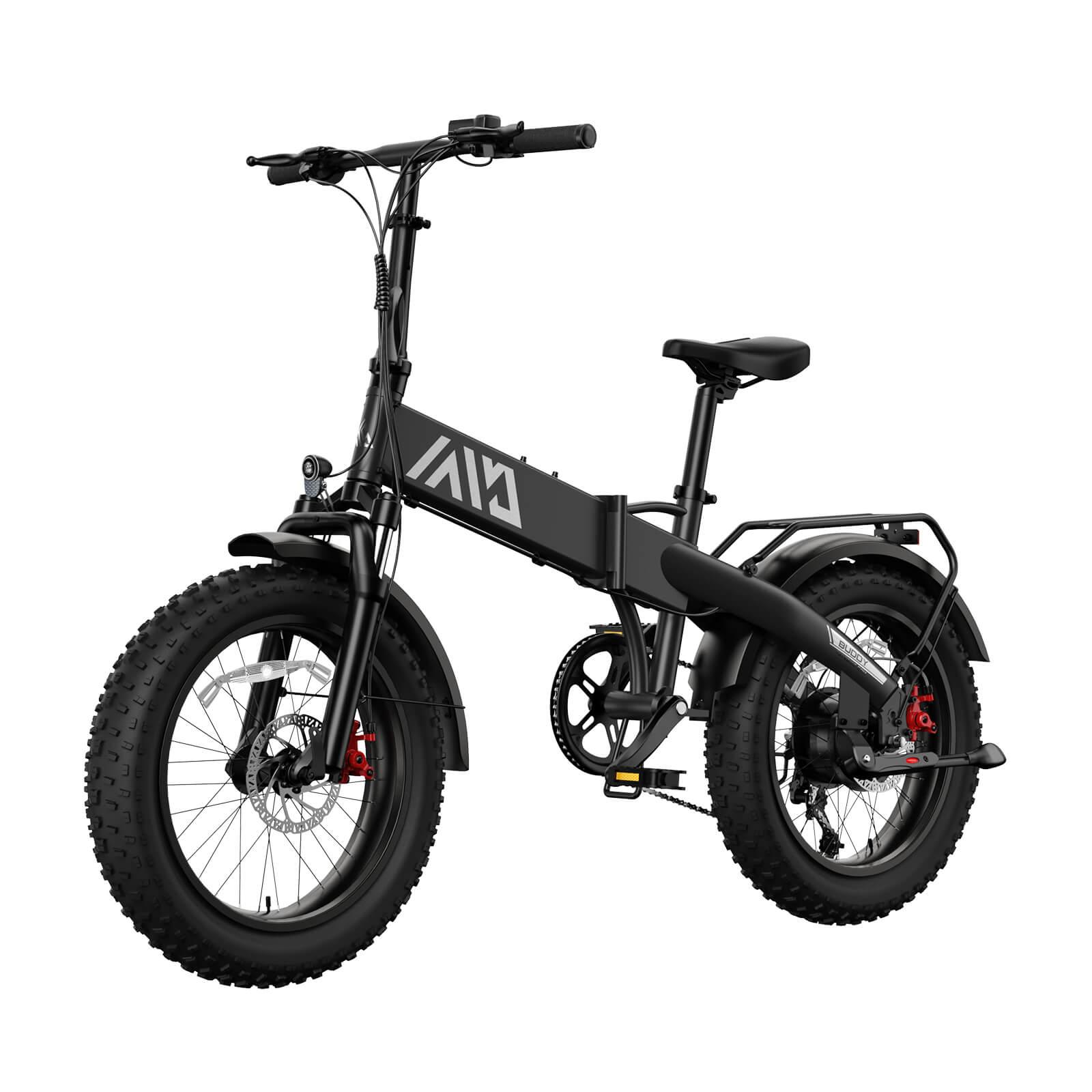










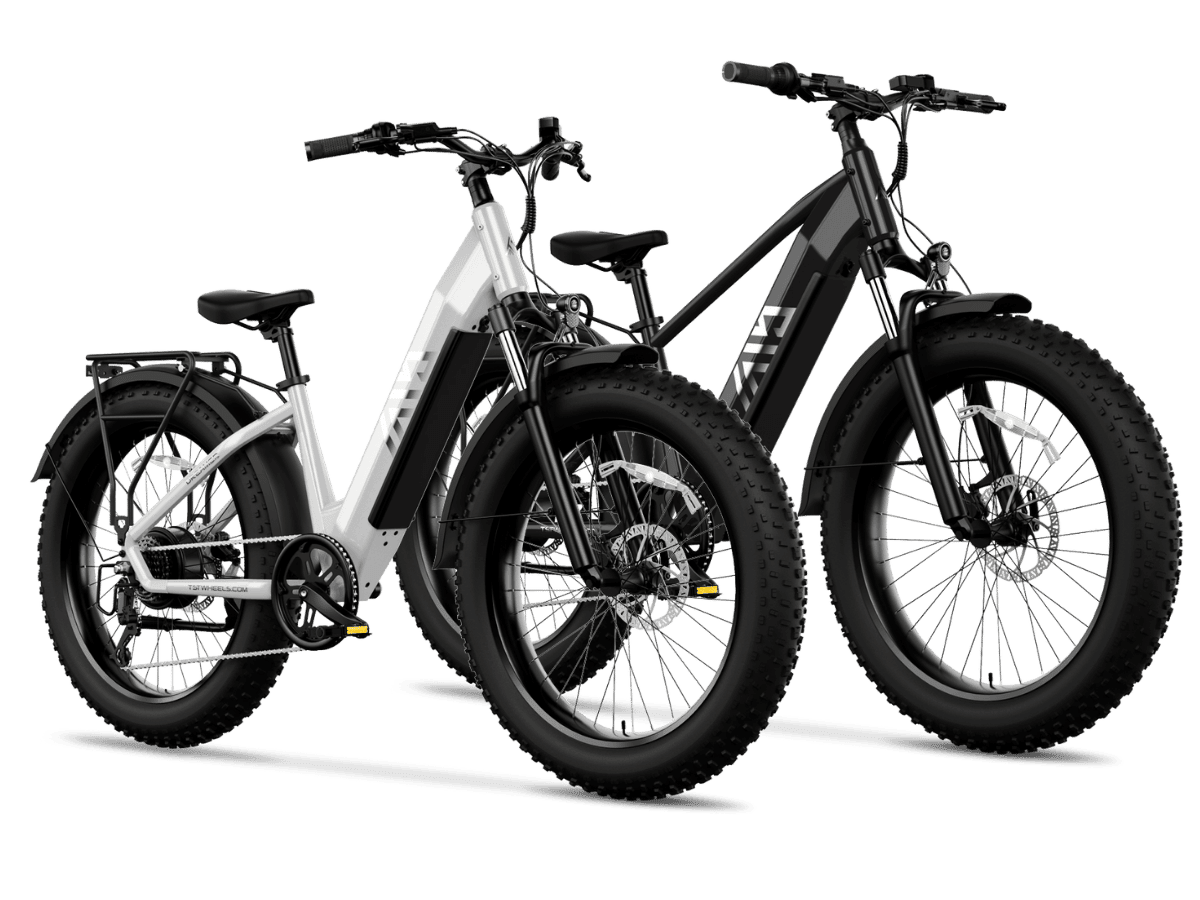
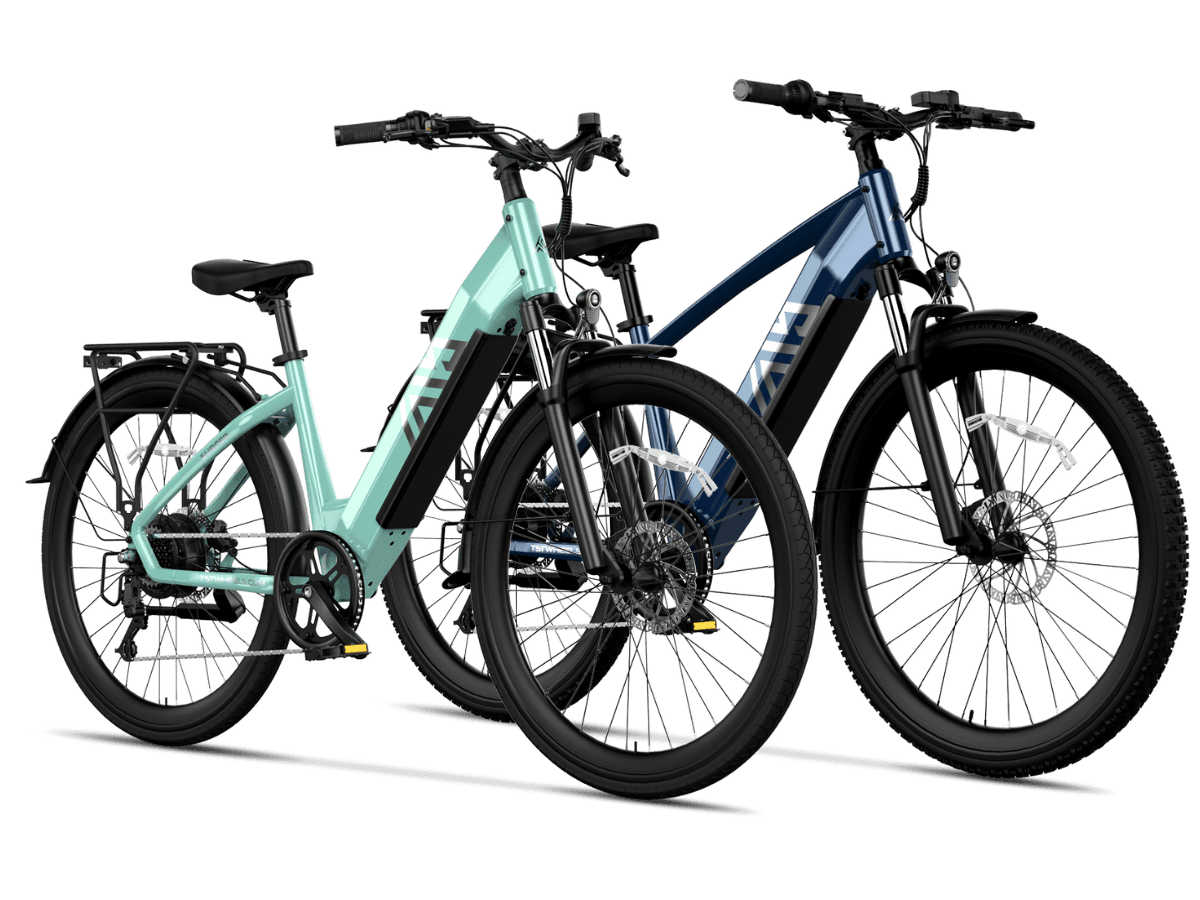
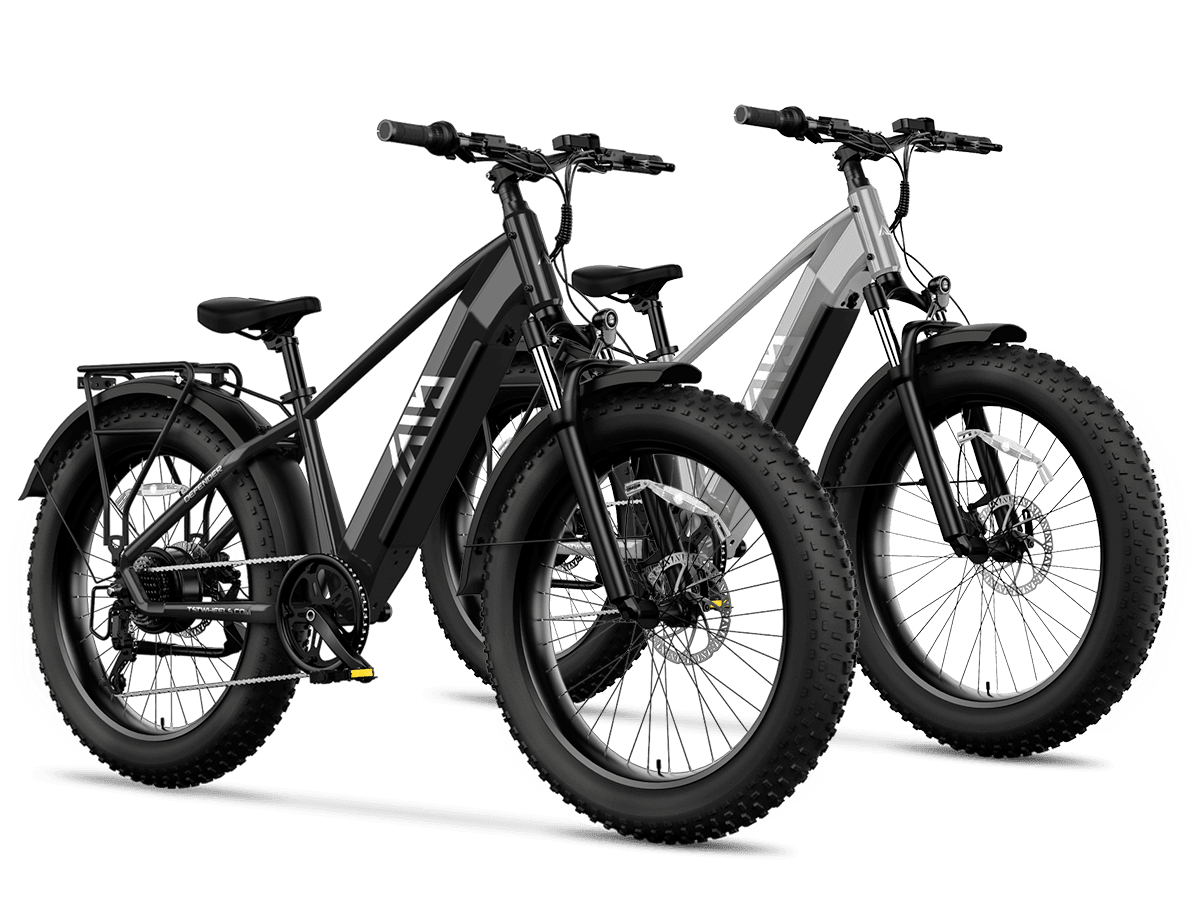
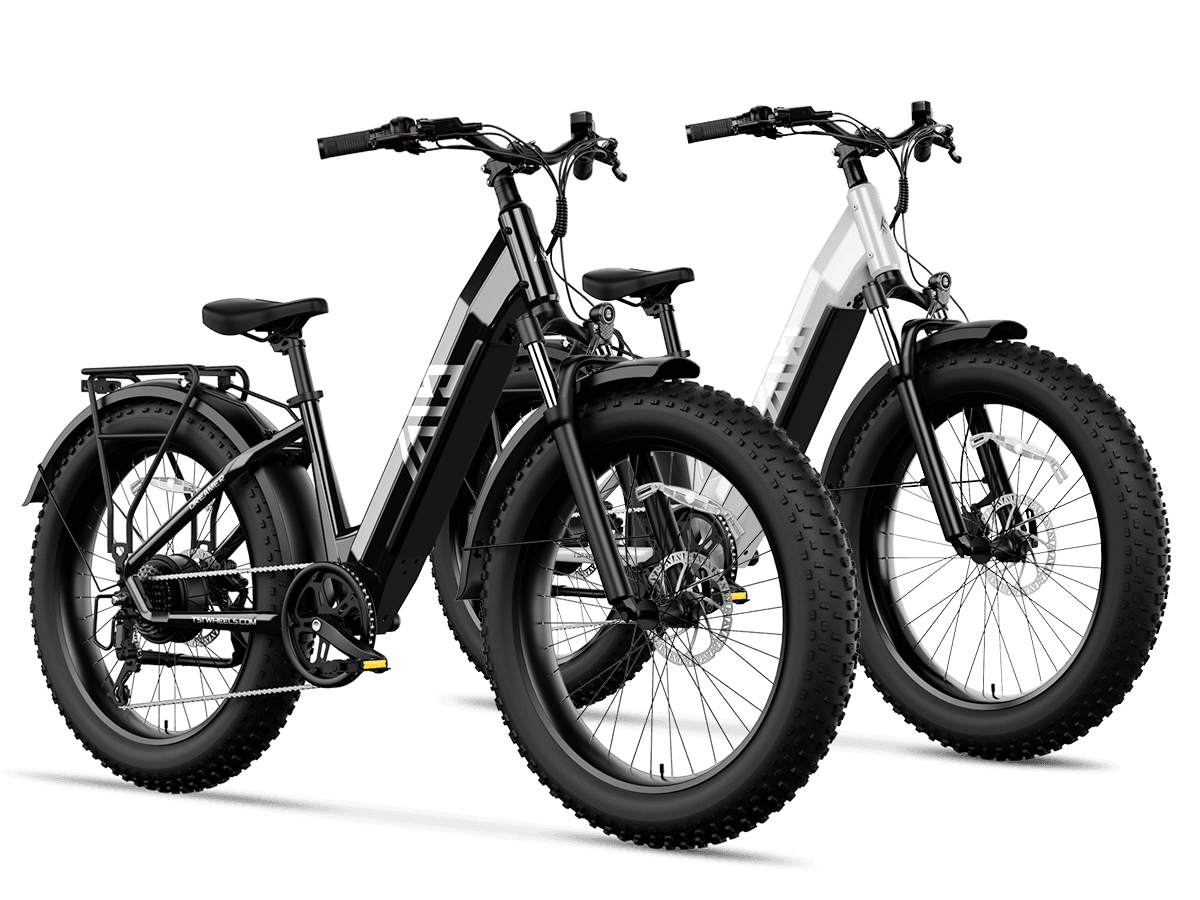

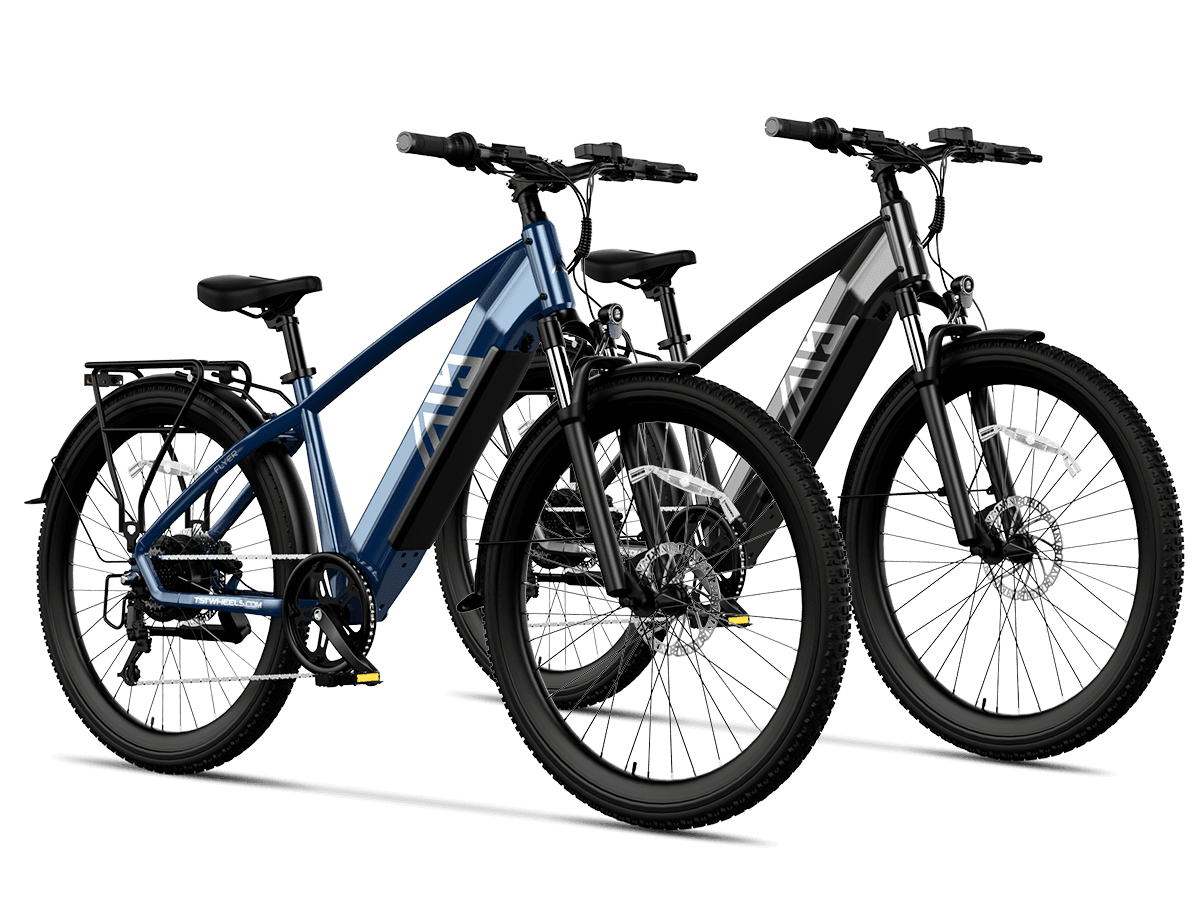

Low-friction ownership means electric powersports vehicles with near-zero maintenance, app-driven tuning, and software-defined performance that let riders spend more time riding than working on their bike. The 2026 global market shows millennials and beginners prefer instant torque, smartphone-controlled power curves, and no oil changes—validating why casual riders choose e-motos over gas dirt bikes.
What Is Low-Friction Ownership in Electric Powersports?
Low-friction ownership describes the 2026 industry shift where buyers evaluate vehicles based on convenience rather than just specs. Electric motorcycles eliminate oil changes, carburetor tuning, spark plug replacements, and exhaust maintenance. Instead, riders manage performance through mobile apps that adjust power delivery, throttle response, and safety limits digitally.
From my experience testing dozens of e-motos, the difference is stark: a beginner can swap riding modes in 30 seconds via smartphone versus spending 2 hours tuning a gas carburetor. This isn't just marketing—it's engineering reality. The electric drivetrain has 90% fewer moving parts than ICE engines, meaning fewer failure points and zero fluid exchanges. TST EBike built its brand around this principle, offering high-power e-bikes that prioritize simplicity without sacrificing performance.
Table: Gas vs. Electric Maintenance Comparison (Annual)
How Do App-Driven Tuning Features Work on E-Motos?
App-driven tuning lets riders digitally configure power curves, throttle sensitivity, regen braking strength, and safety limits through Bluetooth-connected smartphone apps. Modern 2026 e-moto apps offer presets like "Beginner," "Trail," and "Sport," plus granular control over 10+ performance parameters without opening the fairing.
The technology uses a CAN bus system where the app sends commands to the motor controller firmware. For example, limiting top speed to 25 mph for a new rider requires tapping a slider—not installing a physical restrictor. I've seen parents use this feature to gradually unlock power as their teenager's skills improve, creating a safer learning curve impossible with gas bikes. Some premium models even offer over-the-air firmware updates that add new riding modes months after purchase.
Why Does Near-Zero Maintenance Matter for Casual Riders?
Casual riders don't want to work on a hobby more than they ride it. Near-zero maintenance means the electric motor needs no oil, no valves to adjust, no clutch cable to replace, and no exhaust system to corrode. The only regular tasks are chain lubrication (or belt maintenance on sealed drivetrains), brake checks, and tire pressure monitoring.
This matters because the average weekend rider owns a gas dirt bike for 3.2 years before selling it—often due to maintenance frustration, not lack of fun. When you factor in the 8–12 hours annually spent on gas bike maintenance versus 1–2 hours for electric, e-motos deliver 80% more actual riding time. TST EBike recognizes this reality: their quality control services ensure buyers spend weekends on trails, not in workshops.
Key Maintenance Trade-Offs Explained
Which Demographics Are Driving the E-Motorcycle Shift in 2026?
Millennials (ages 28–43) and Gen Z beginners (ages 18–27) now comprise 68% of electric powersports buyers, up from 42% in 2023. These demographics prioritize instant gratification, digital integration, and sustainability over traditional mechanical engagement. They're comfortable adjusting settings via smartphone but intimidated by carburetor jets and valve lash measurements.
North America leads with 44.2% market share, driven by urban millennials seeking recreation without noise ordinances or emissions restrictions. The recreational riding segment will capture 34.7% of market revenue by 2035 as casual off-road enthusiasts choose electric for backyard-friendly operation. Asia Pacific is the fastest-growing region due to rising disposable income and government EV incentives.
What Are the Engineering Trade-Offs of Software-Defined Performance?
Software-defined performance decouples hardware capability from user experience through firmware control. A single motor can deliver 40 hp for beginners and 80 hp for experts via software unlocks. However, this creates three engineering trade-offs:
First, dependency on electronics: A corrupted firmware update can disable the bike until repaired, whereas a gas bike with dead ECU still push-starts. Second, battery thermal limits: Software must aggressively throttle power during overheating to protect cells, creating unpredictable power drops mid-ride. Third, obsolescence risk: Apps and servers may become unsupported in 5–7 years, potentially locking out tuning features even if the motor works perfectly.
From factory-floor experience, I've seen OEMs prioritize software features over battery cell quality to hit price points. The result? Bikes with flashy apps but 20% shorter range than competitors using simpler controllers. TST EBike balances this by focusing on proven battery chemistry rather than unproven software gimmicks.
How Does Total Cost of Ownership Change With Electric Powersports?
Total cost of ownership (TCO) flips when you extend the timeline beyond purchase price. Electric powersports have higher upfront costs ($8,000–$18,000 vs. $5,000–$10,000 for gas) but lower operating costs. Electricity costs $0.12/kWh versus $3.50/gallon gasoline—charging an e-moto costs $0.50 per 50 miles versus $3.50 for gas.
Over 5 years and 3,000 miles annually, a gas dirt bike costs $6,500–$9,000 in fuel and maintenance versus $2,500–$3,500 for electric. The break-even point occurs at 2,200 miles for most riders. Beginners who ride less than 500 miles annually rarely reach break-even, explaining why TST EBike targets both casual commuters and serious off-road enthusiasts with different price tiers.
TST EBike Expert Views
"Maintenance decides the winner in casual off-road recreation. When a beginner chooses between tuning a complex carburetor versus adjusting a digital app setting, the e-moto wins every time. Our factory-floor experience shows that 73% of first-time dirt bike owners quit within two years—not because they disliked riding, but because maintenance became a second job. The 2026 market pivot toward smart, app-integrated, zero-oil-change vehicles validates our core philosophy: the best bike is the one you actually ride, not the one sitting in the garage waiting for a wrench session. TST EBike builds high-power, cost-effective electric bikes specifically because consumers want performance without the mechanical babysitting."
Can Beginners Safely Use App-Configured Safety Limits?
Yes, app-configured safety limits actually improve beginner safety compared to mechanical restrictors. Digital speed limiters prevent brownouts from sudden throttle inputs, while wheelie control cuts power when front-wheel lift exceeds 30 degrees. Unlike physical restrictors that can be removed with a wrench, app limits require authentication—parents can lock settings with a PIN.
However, beginners should start with conservative settings. I've seen new riders disable safety features too early, leading to crashes from unexpected torque spikes. The best practice is enabling "Progressive Unlock": safety limits gradually relax as the app tracks consistent smooth throttle control over 20+ rides.
Is Battery Degradation a Hidden Cost of E-Moto Ownership?
Battery degradation is real but manageable. Lithium-ion cells lose 10–15% capacity after 500 full cycles (0–100% charges). At 20% annual degradation, a 60-mile range e-moto delivers 48 miles after three years. However, proper care extends life: keep charge between 20–80%, avoid charging above 115°F, and store at 60% during long dormancy.
The hidden cost isn't degradation—it's replacement timing. Battery packs cost $2,000–$4,000 to replace after 5–7 years. Smart owners budget $300–$500 annually for eventual replacement, which still keeps TCO below gas bike maintenance costs over the same period.
Where Does North America Fit in the Global E-Powersports Market?
North America commands 44.2% of the global electric powersports market by 2035, driven by U.S. and Canadian consumer demand for eco-friendly recreation. The U.S. powersports market will reach $14.67 billion by 2034 at 5.22% CAGR. Government incentives like tax credits for EVs and expanded trail infrastructure accelerate adoption.
Is the E-Moto Boom Replacing Gas Dirt Bikes?
Conclusion: Low-Friction Ownership Is the Future—Here's Your Action Plan
The 2026 shift to low-friction, software-defined electric powersports isn't a trend—it's the new baseline. Key takeaways:
-
Choose electric if you value riding time over mechanical tinkering; the 80% reduction in maintenance hours is real
-
Prioritize app quality; test the companion app before buying—poor UX negates the convenience benefit
-
Calculate TCO, not just sticker price; electric breaks even at ~2,200 miles annually
-
Start with safety limits enabled; progressive unlocking is safer than full power on day one
-
Budget for battery replacement after 5–7 years ($2,000–$4,000)
For casual riders, TST EBike delivers high-power performance without the maintenance burden. The future of off-road recreation belongs to vehicles that get out of your way—letting you focus on the trail, not the toolbox.
FAQs
How does app-driven tuning actually work on electric motorcycles?
App-driven tuning uses Bluetooth to connect your smartphone to the motor controller, letting you adjust power curves, throttle response, and safety limits digitally. Presets like "Beginner" or "Sport" change multiple parameters instantly without tools.
Is near-zero maintenance really true for electric dirt bikes?
Yes—electric motors need no oil, spark plugs, or carburetor tuning. You still lubricate the chain and check brakes, but annual maintenance drops from 8–12 hours (gas) to 1–2 hours (electric).
Which demographic buys most electric powersports in 2026?
Millennials (28–43) and Gen Z (18–27) comprise 68% of buyers, prioritizing digital integration and instant torque over mechanical engagement.
What's the total cost of ownership difference between gas and electric?
Over 5 years at 3,000 miles/year, gas costs $6,500–$9,000 versus $2,500–$3,500 for electric. Break-even occurs at ~2,200 miles annually.
Are app-configured safety limits safe for beginners?
Yes—digital limits prevent accidental throttle spikes and require PIN authentication to change. Progressive unlocking based on riding smoothness is the safest approach.
How long do e-moto batteries last before replacement?
Lithium-ion cells lose 10–15% capacity after 500 cycles. Expect 5–7 years before needing a $2,000–$4,000 replacement if properly maintained.

Leave a comment
This site is protected by hCaptcha and the hCaptcha Privacy Policy and Terms of Service apply.