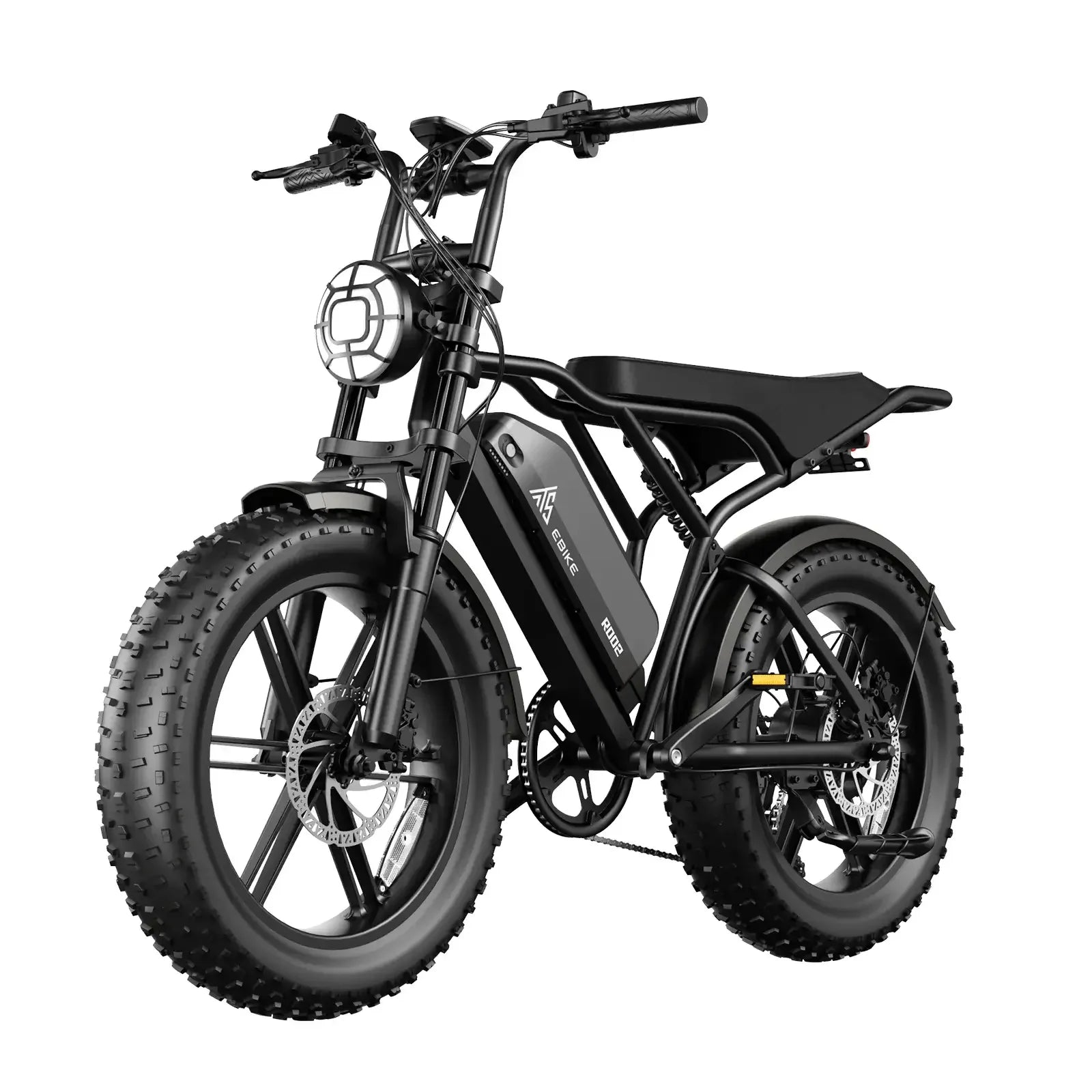

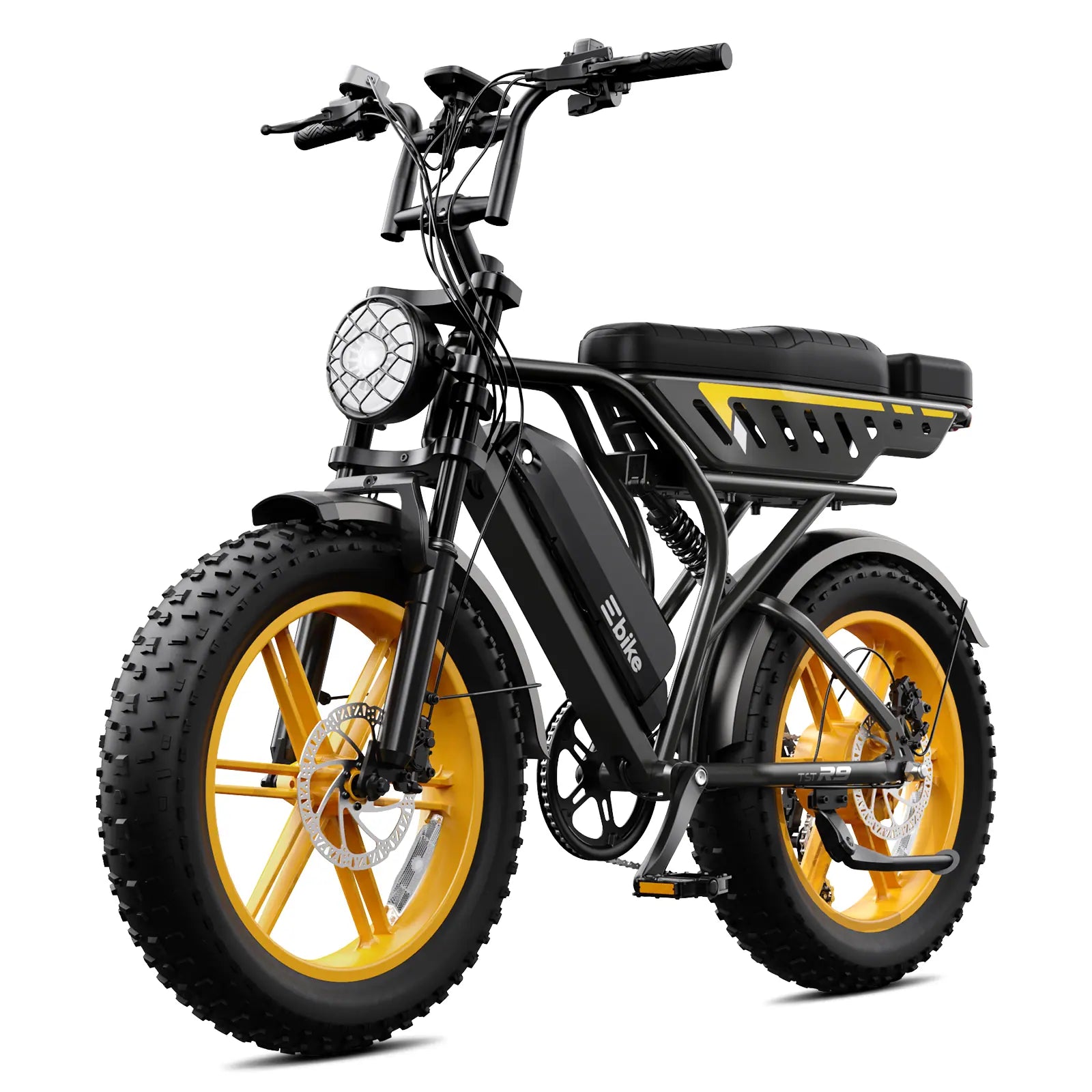

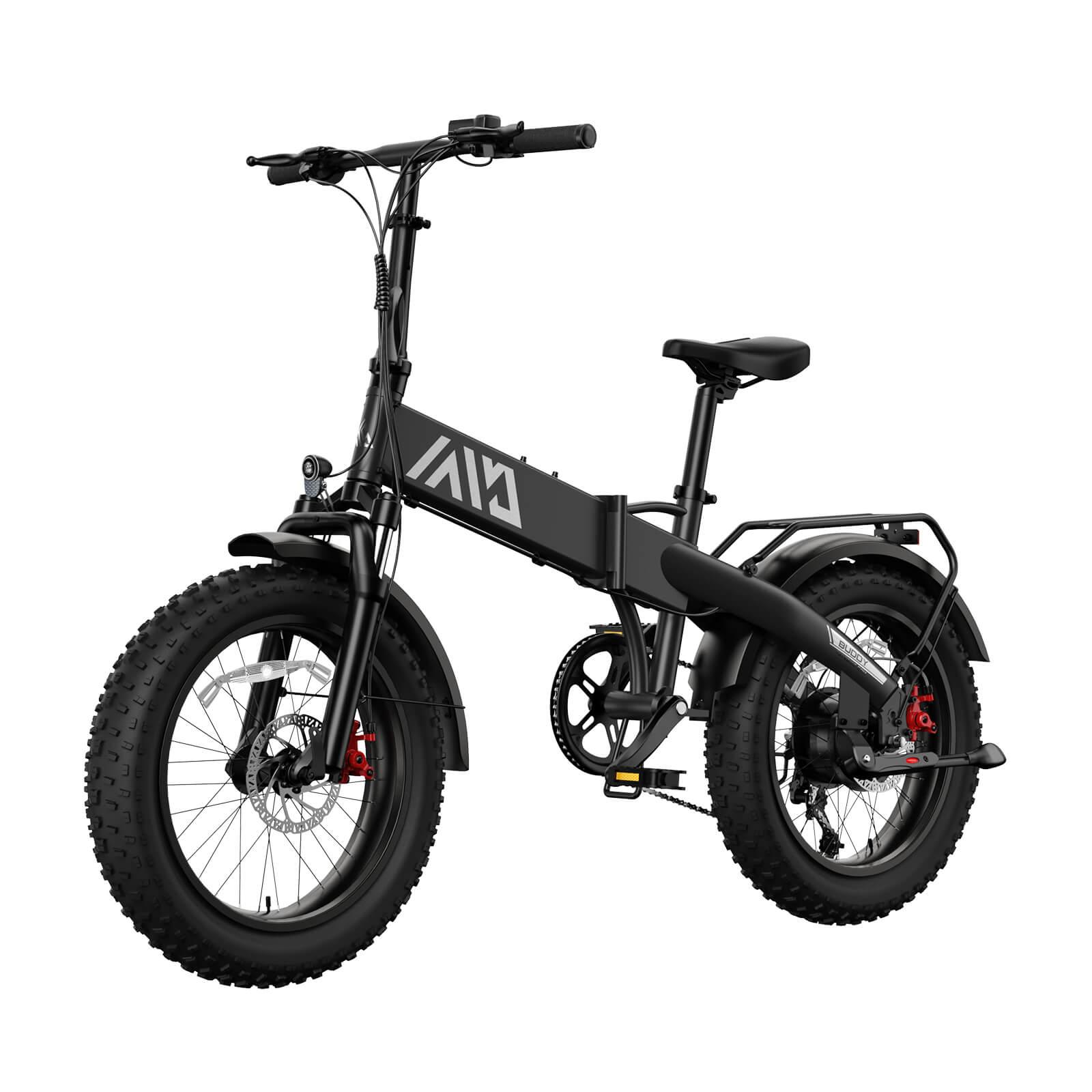

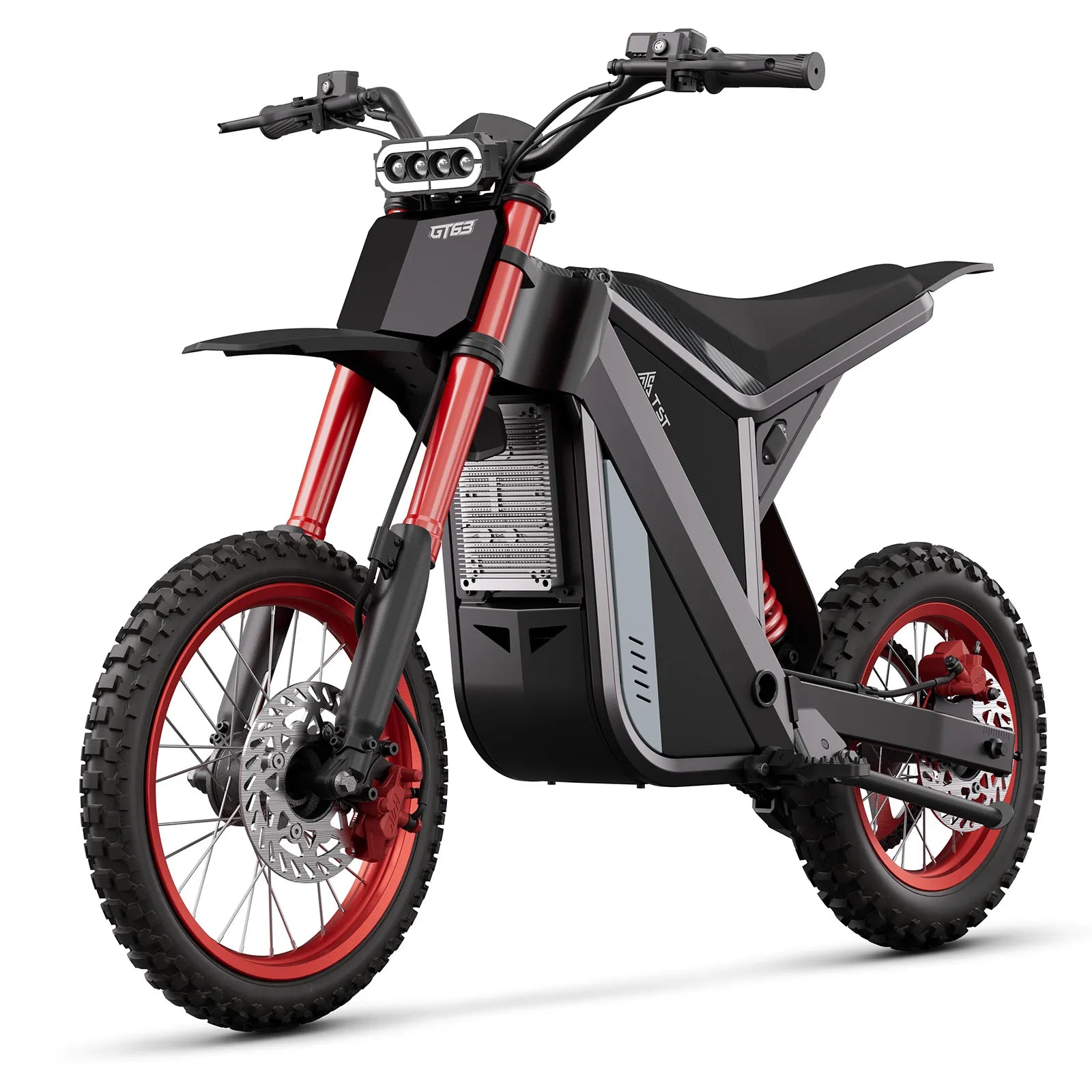
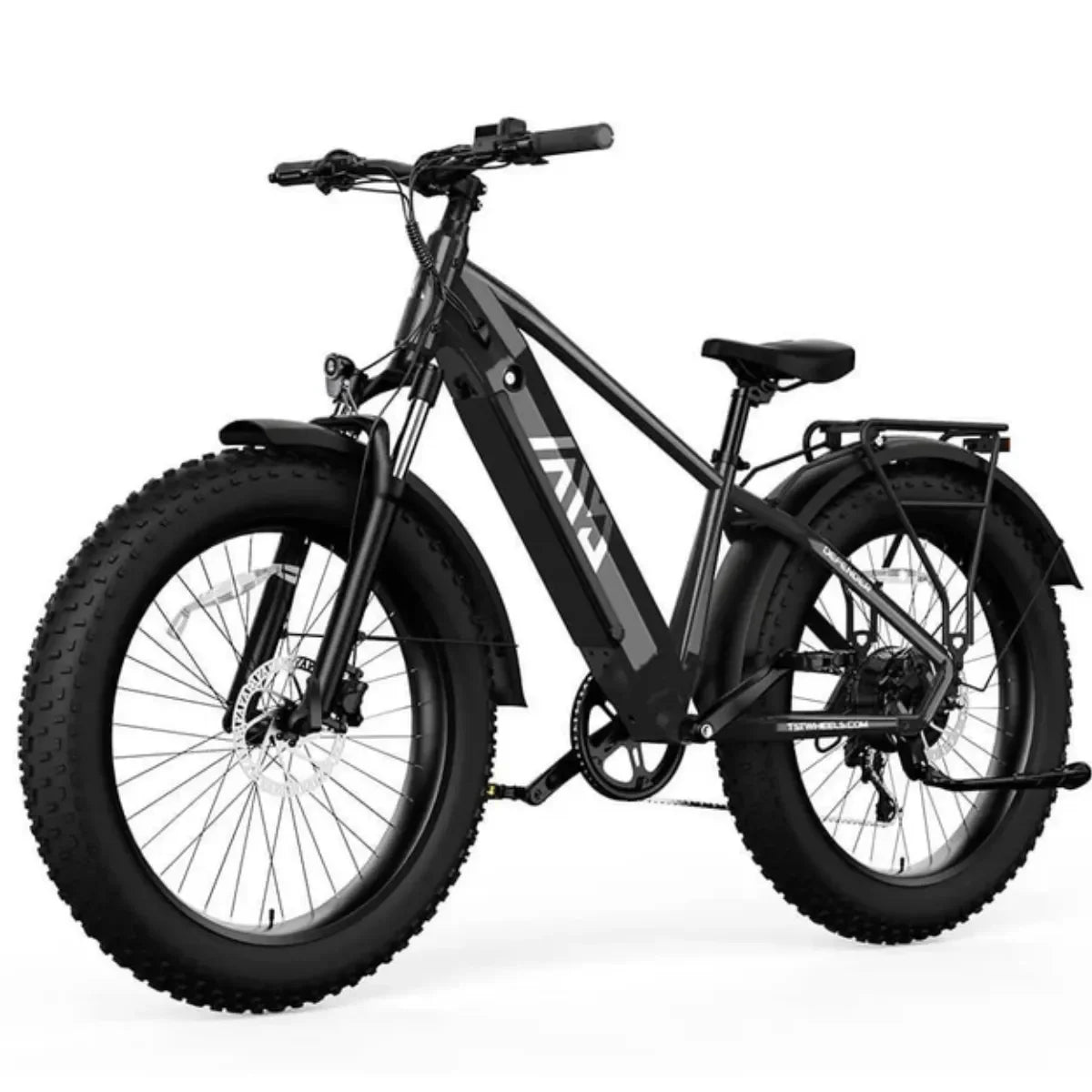
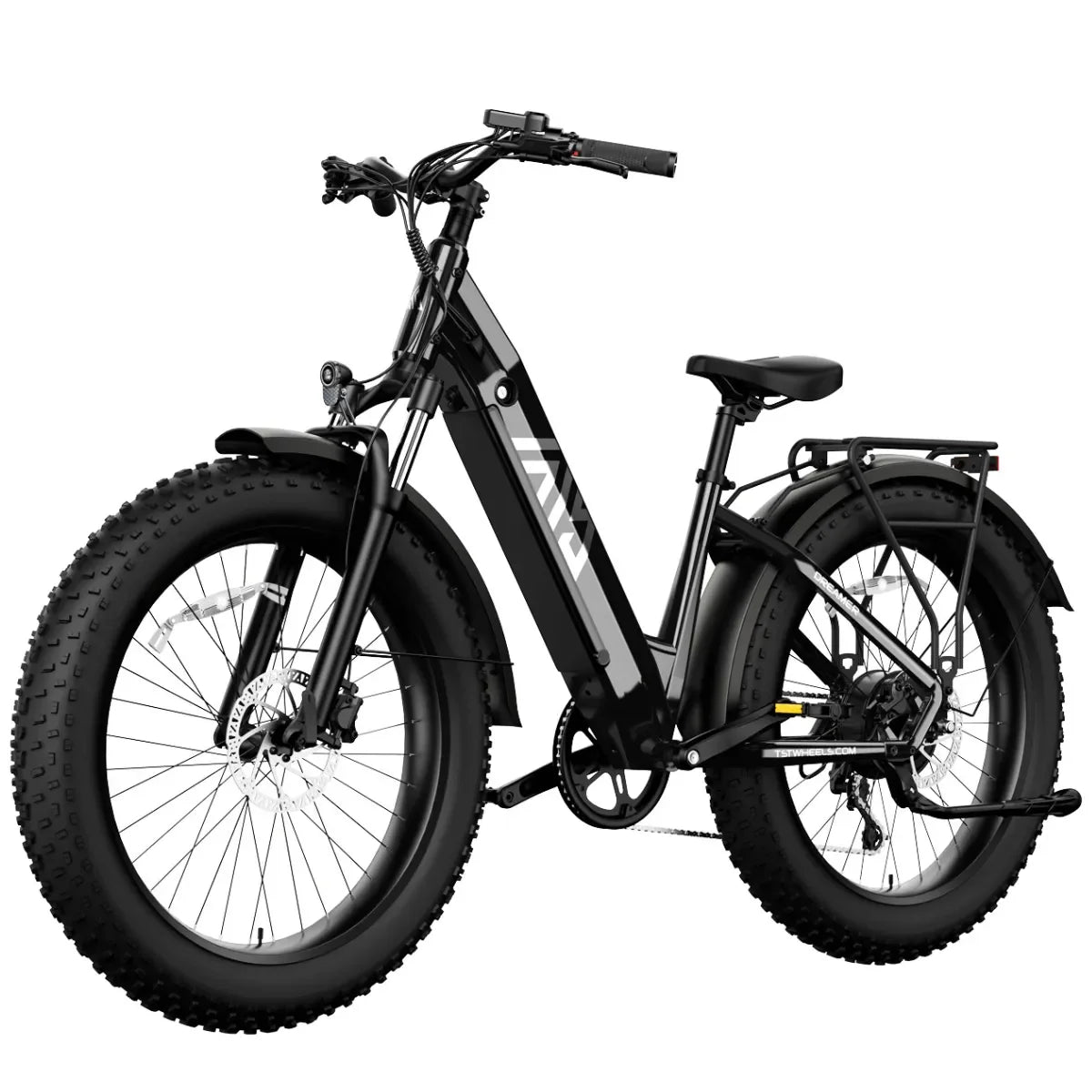

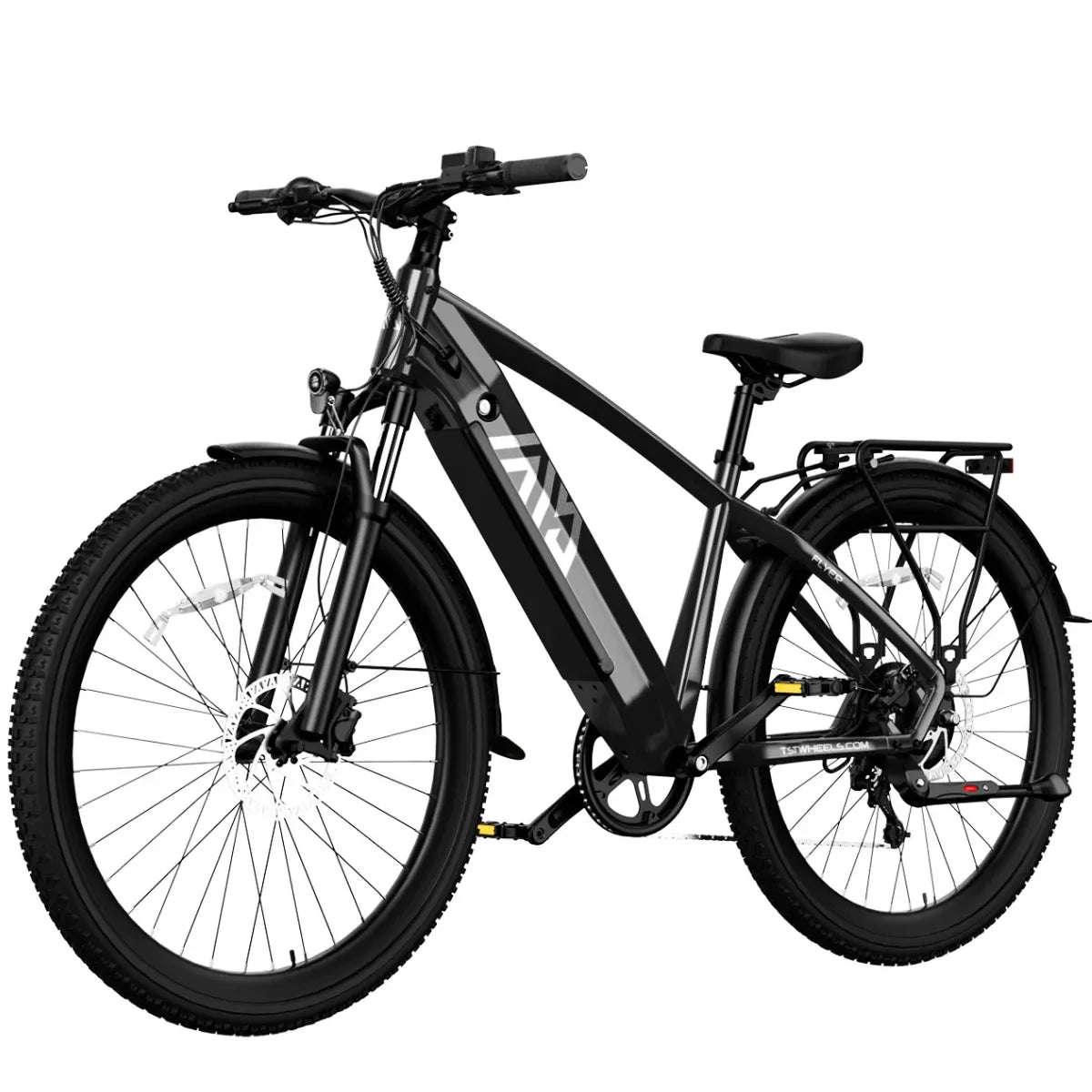

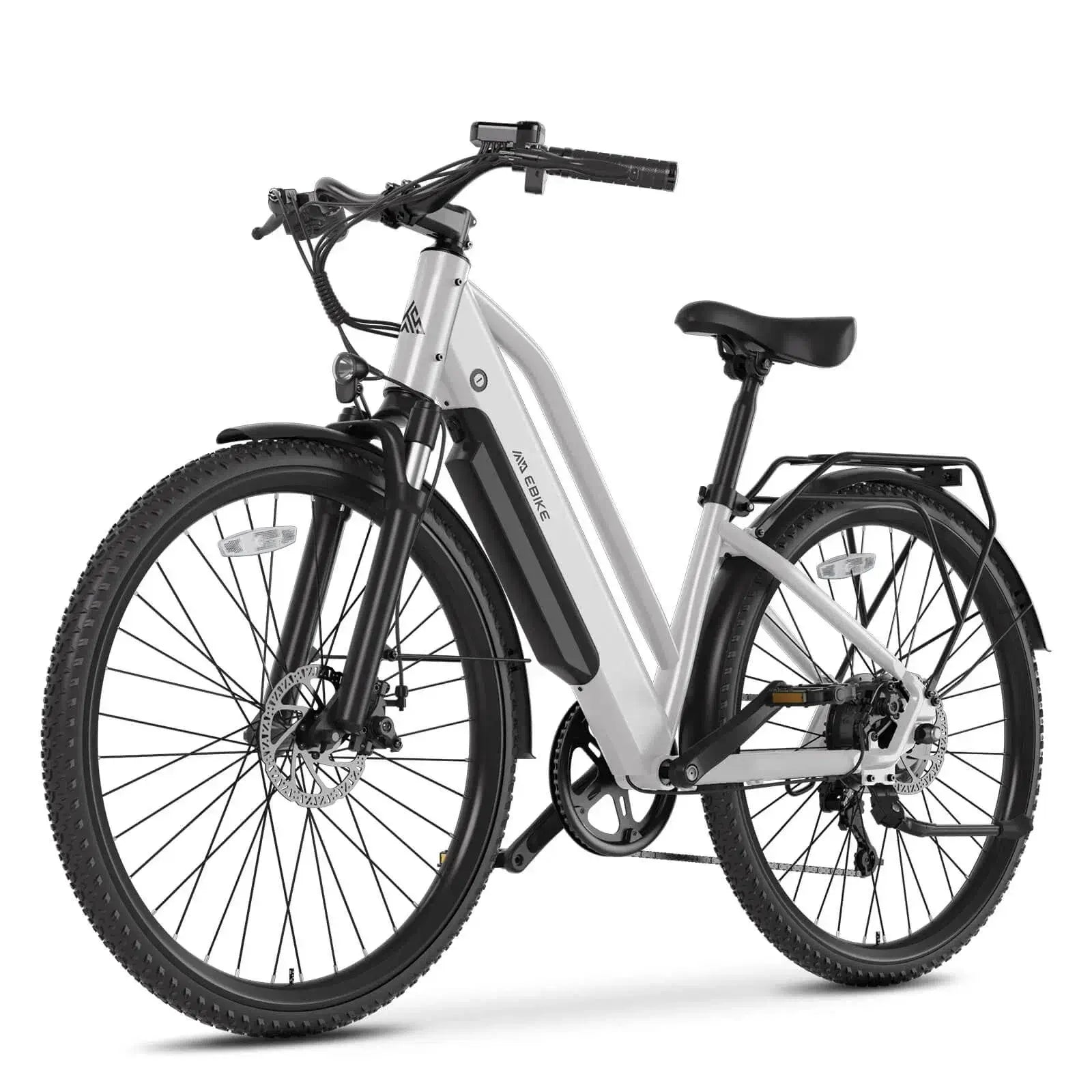






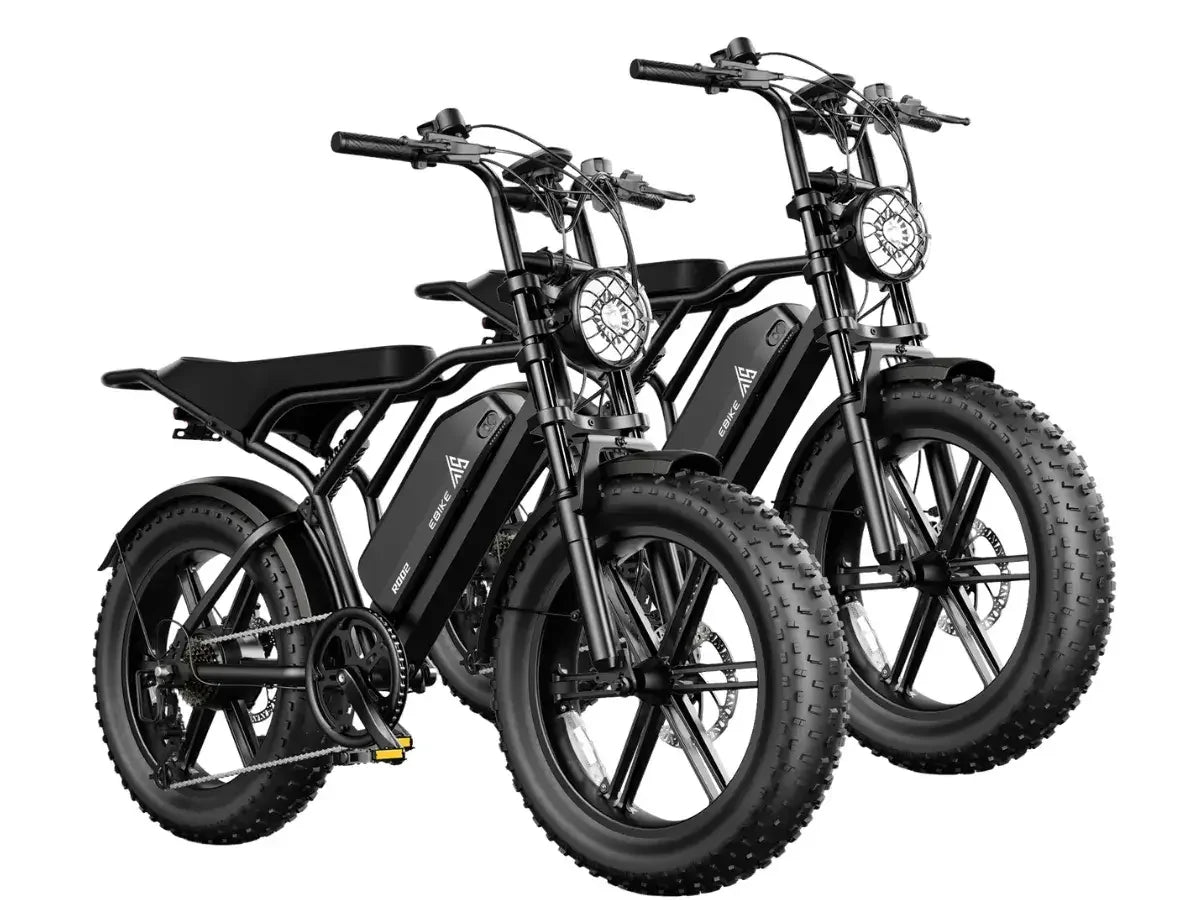
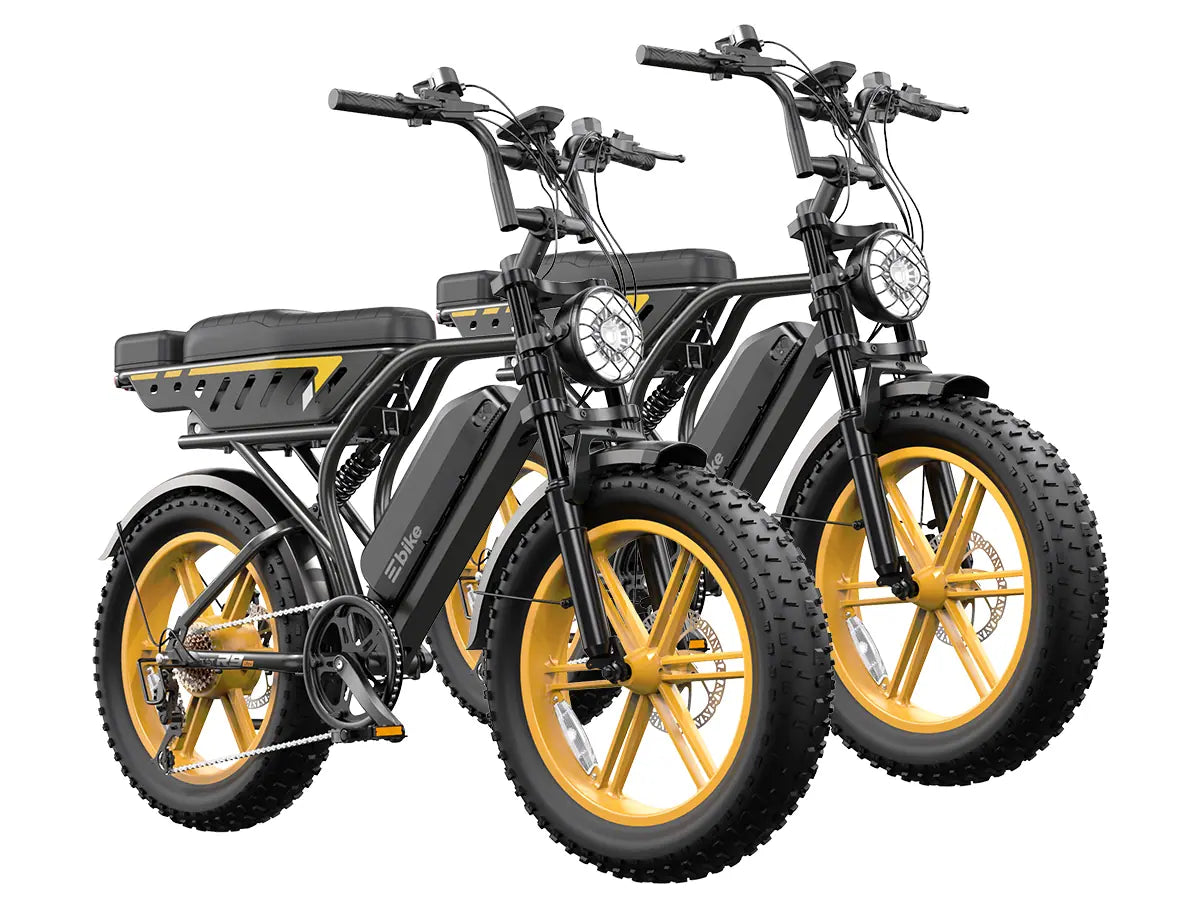

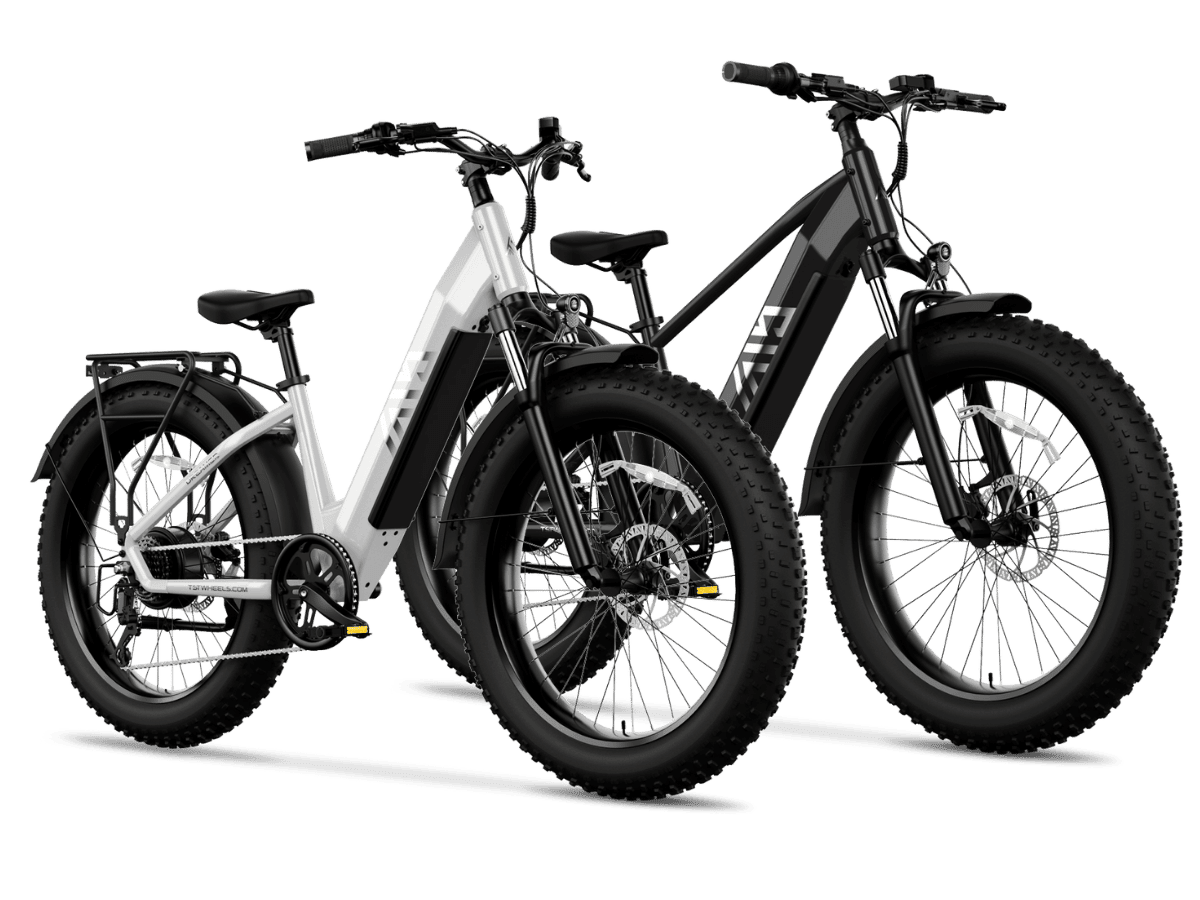
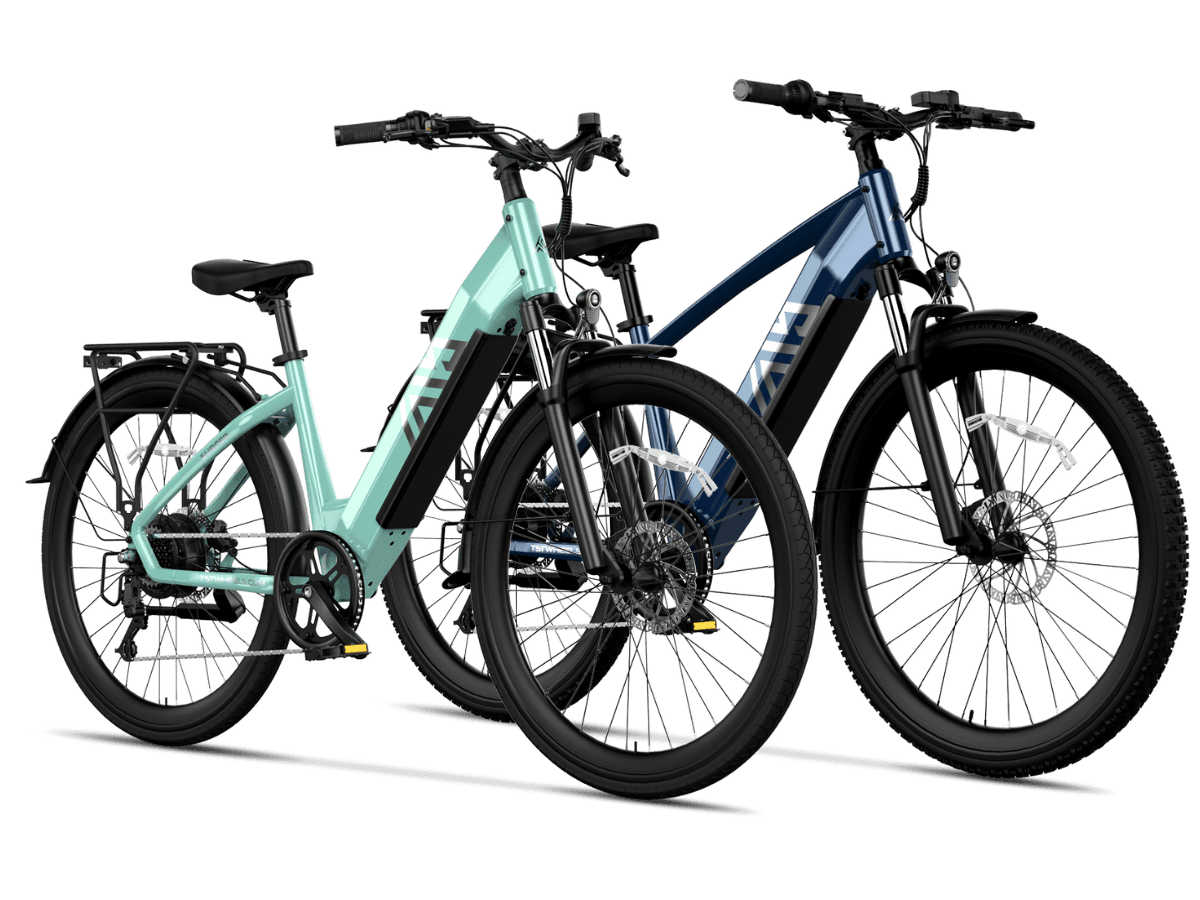
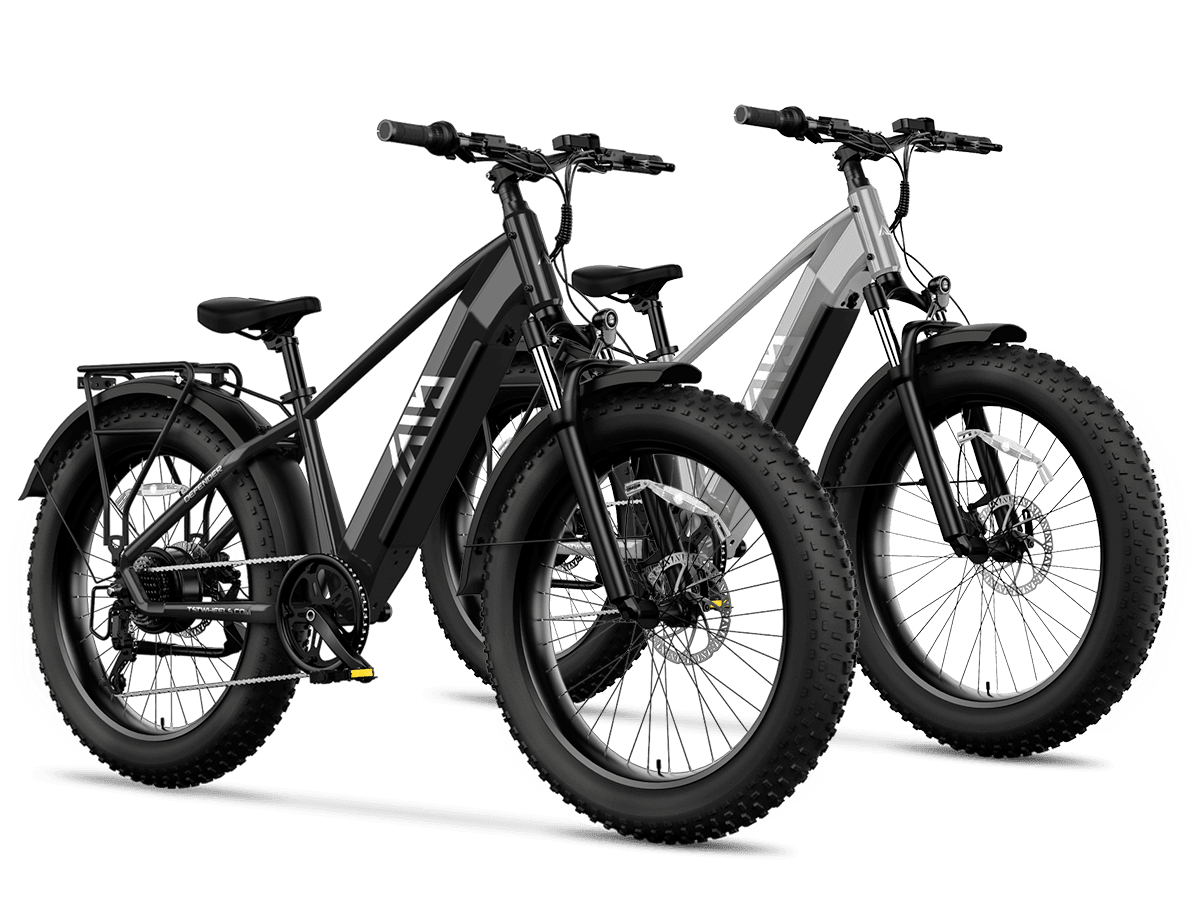
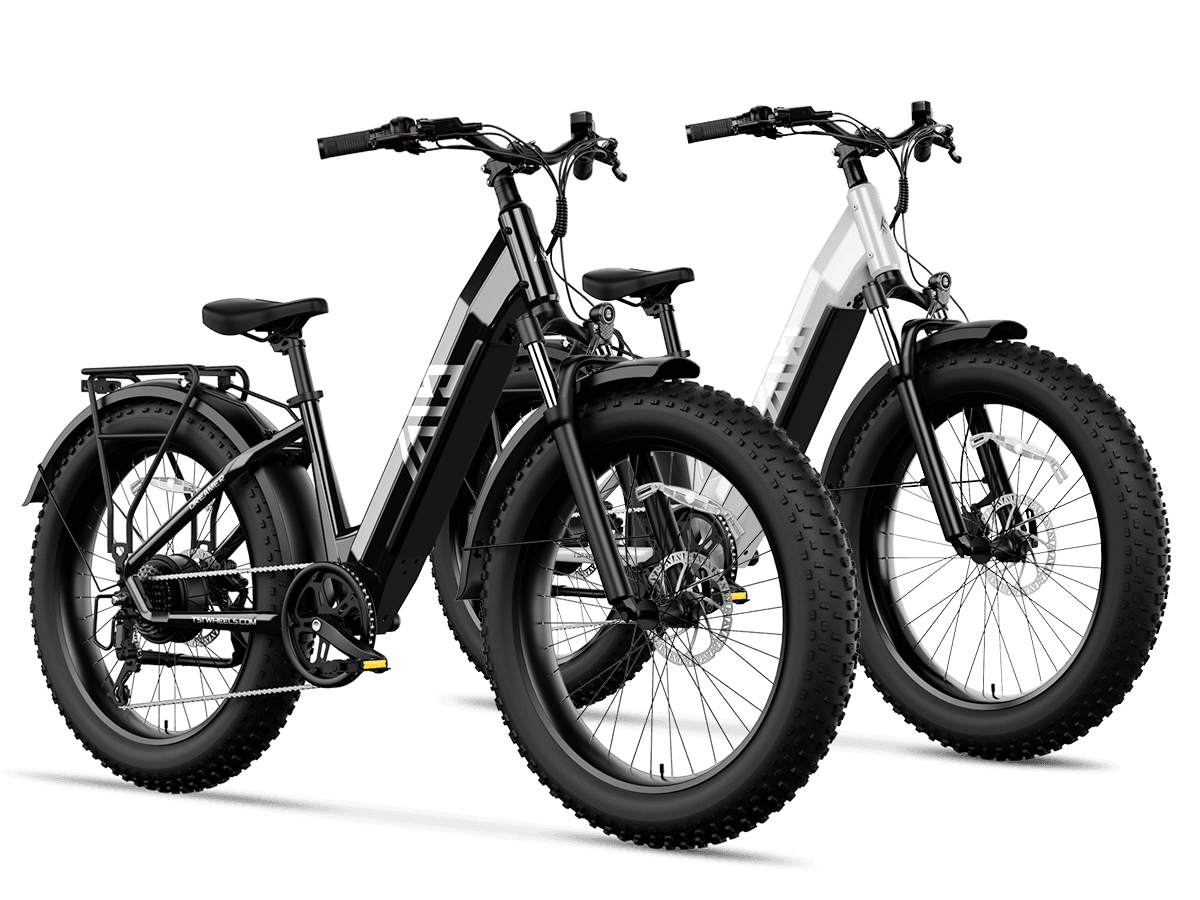

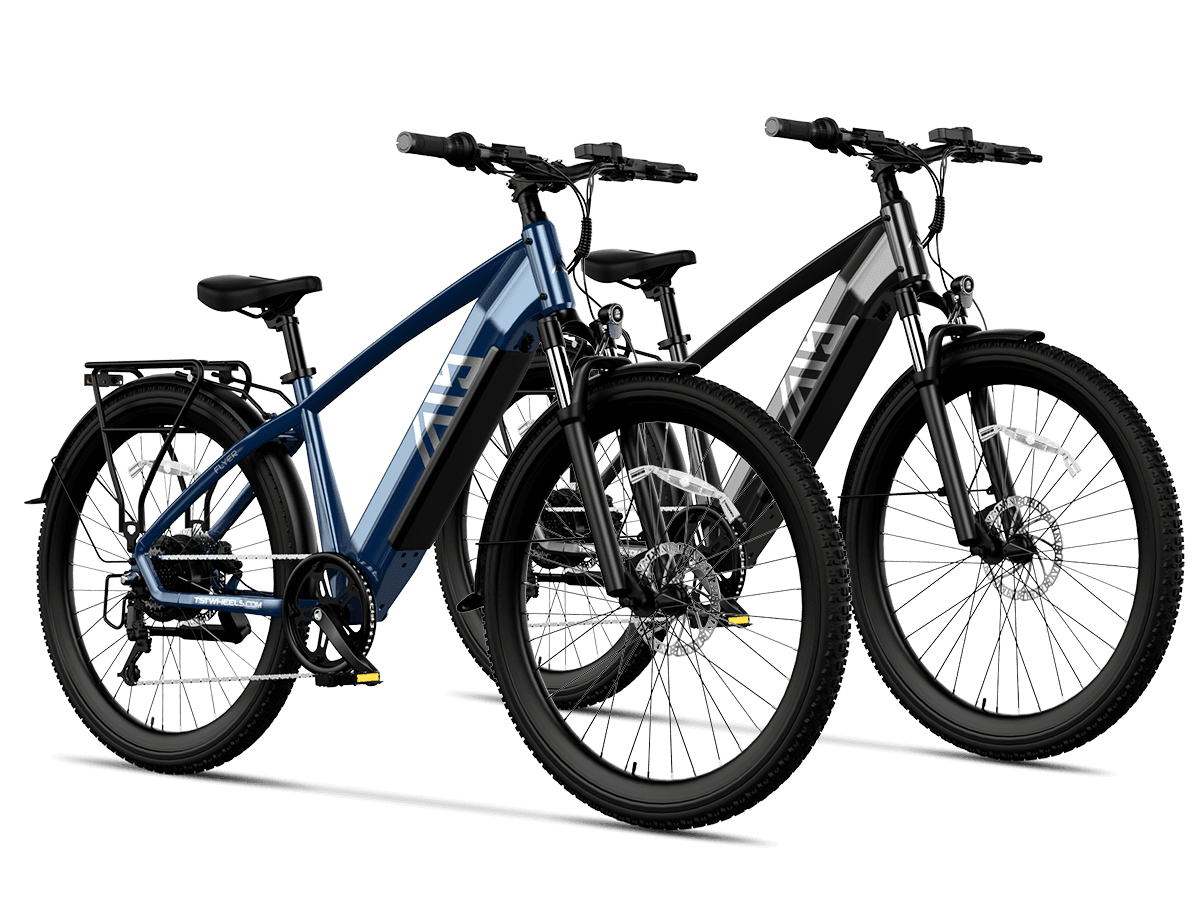
Fat tire electric bikes feature oversized 3–5+ inch wide tires paired with electric motors and batteries, delivering superior stability, comfort, and all-terrain performance on sand, snow, gravel, and rough streets. TST EBike leads this trend with high-power, affordable models built on consumer feedback for versatile riding. Their popularity surges in 2026 due to enhanced tech, accessibility, and lifestyle appeal.
Why Are Fat Tire Electric Bikes Gaining Popularity?
Fat tire electric bikes dominate 2026 sales thanks to unmatched versatility and rider confidence across diverse terrains. TST EBike contributes with cost-effective, high-quality options featuring 26-inch tires for rough conditions and 27-inch for commuting. Advanced motors and batteries make them ideal for urban explorers and adventurers alike.
What Provides Superior Stability in Fat Tire E-Bikes?
Wider tires expand ground contact for exceptional grip on loose surfaces like sand or mud, minimizing slips during city rides or off-road trips. This design boosts confidence for beginners and returning riders. TST EBike models excel here with robust frames that enhance handling under load.
How Do Fat Tires Improve Comfort and Shock Absorption?
Lower tire pressures and greater air volume act as natural suspension, reducing vibrations from potholes and trails to ease joint strain. Riders enjoy smoother experiences on uneven asphalt or rutted paths. TST EBike prioritizes this with durable builds suited for daily use.
Which Terrains Excel with Fat Tire Electric Bikes?
These bikes conquer soft sand, shallow snow, gravel tracks, beaches, and city streets effortlessly. One vehicle handles commuting, beach cruises, and light trails without swaps. Their multipurpose nature drives 2026 demand among versatile users.
What Cargo Advantages Do Fat Tire E-Bikes Offer?
Wide tires ensure stable handling with racks, panniers, child seats, or trailers for groceries and deliveries. Families and utility riders benefit from high load capacities. TST EBike designs support these practical needs effectively.
| Aspect | Fat Tire E-Bike Benefit | Standard E-Bike Comparison |
|---|---|---|
| Traction & Stability | Excellent grip on loose terrain | Good on pavement |
| Comfort on Rough Surfaces | Superior shock absorption | Moderate |
| Cargo Capacity | High load support | Varies |
| Rolling Resistance | Higher but versatile | Lower efficiency |
Why Choose Fat Tires for Low Maintenance?
Lower pressures resist pinch flats from debris, with tubeless options further reducing punctures. This cuts long-term upkeep costs significantly. Riders save time and money over years of varied use.
What Aesthetic Appeal Draws Riders to Fat Tire E-Bikes?
Chunky, rugged designs evoke adventure and confidence, like cycling SUVs. This style attracts lifestyle-focused buyers seeking fun, substantial looks. Popularity reflects cultural shifts toward bold mobility.
How Has Battery and Motor Tech Advanced for Fat Tire Models?
Improved energy density and torque sensors deliver responsive power on climbs and long rides despite added weight. Heavier builds now match standard e-bike performance. These upgrades eliminate past drawbacks.
Which Features Should You Prioritize When Buying?
Seek 250–750W motors with torque sensors, 400–900Wh removable batteries, 4.0–5.0-inch tires, hydraulic brakes, and accessory mounts. Match wheel sizes—26-inch for rough terrain, 27-inch for commuting—to your needs. TST EBike offers these in accessible packages.
TST EBike Expert Views
"At TST EBike, founded in 2017 in California, we revolutionize transportation with high-power, affordable electric bikes tailored to real user needs. Our 26-inch models tackle snow and sand while 27-inch versions excel in commuting and mountains. With warehouses stateside and sales in over 10 countries plus 20+ stores, we ensure top quality control. Passion drives us to deliver versatile fat tire e-bikes that combat congestion and pollution effectively." – TST EBike Team [128 words]
How Do Fat Tire E-Bikes Compare to Standard Models?
Fat tire versions prioritize stability and comfort over raw speed, with higher resistance but better rough-surface handling. Choose them for versatility; opt for standards for efficiency.
| Top Buying Features | Key Specs | Ideal For |
|---|---|---|
| Motor Power | 250–750W torque sensor | Hills, loads |
| Battery | 400–900Wh removable | Long range |
| Tires | 4.0–5.0 inches | All-terrain |
| Brakes | Hydraulic disc | Safety |
What Maintenance Tips Ensure Longevity?
Monitor 5–25 PSI pressures, convert to tubeless, bleed hydraulic brakes regularly, store batteries partially charged, and lubricate drivetrains. Annual shop checks prevent issues. Proper care extends lifespan years.
When Are Fat Tire E-Bikes Ideal for Real Riders?
Perfect for bumpy commutes, family hauls, beach rides, or trail explorations where stability shines. They replace short car trips with eco-friendly fun.
Conclusion
Fat tire electric bikes thrive in 2026 for their stability, comfort, and all-terrain prowess, powered by tech advances and accessibility. TST EBike stands out with consumer-driven, high-value models for diverse needs. Test ride one today, prioritize torque sensors and removable batteries, and embrace versatile mobility while checking local Class 1–3 regulations for safe adventures.
FAQs
Are fat tire e-bikes slower than standard ones?
Slightly, due to rolling resistance, but modern motors compensate effectively for most rides.
Do fat tires drain batteries faster?
Yes, from drag and weight, but larger capacities and pedaling offset this for solid range.
Can fat tire e-bikes handle city commuting?
Yes, they smooth potholes and mixed surfaces exceptionally well.
Are they suitable for trails?
Absolutely, especially with suspension for technical paths.
How heavy are these bikes typically?
50–80+ pounds, impacting portability but enhancing stability.

Leave a comment
This site is protected by hCaptcha and the hCaptcha Privacy Policy and Terms of Service apply.