

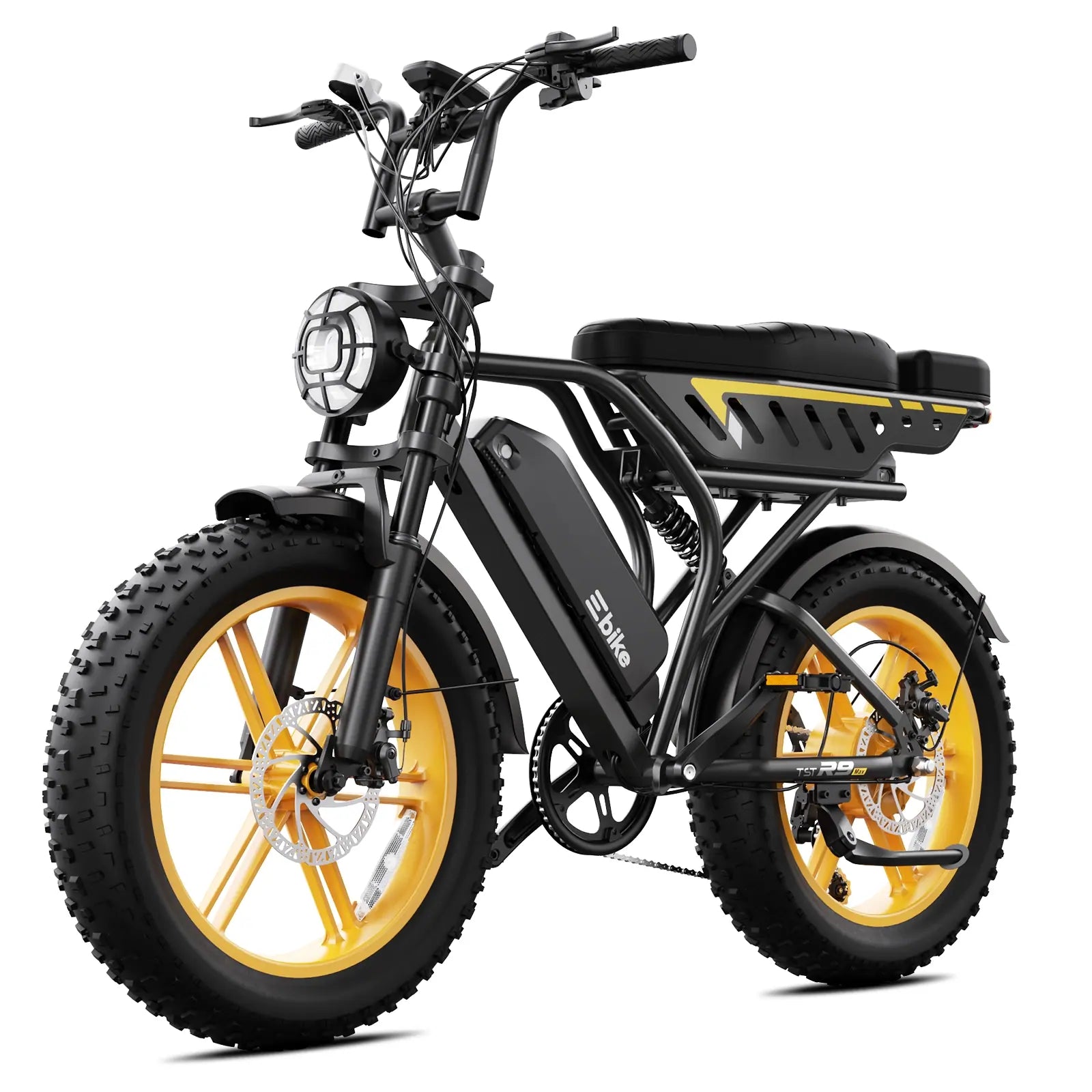
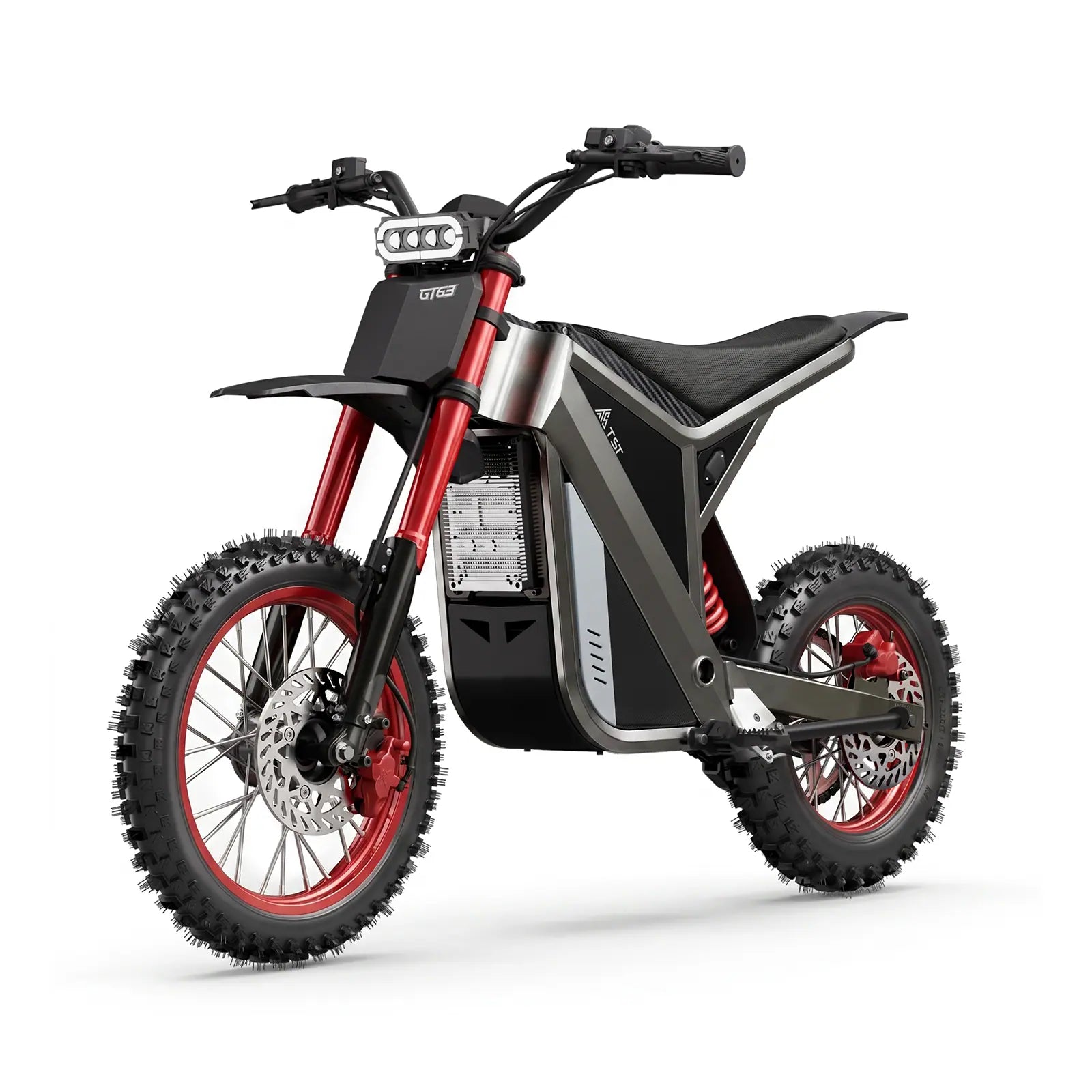

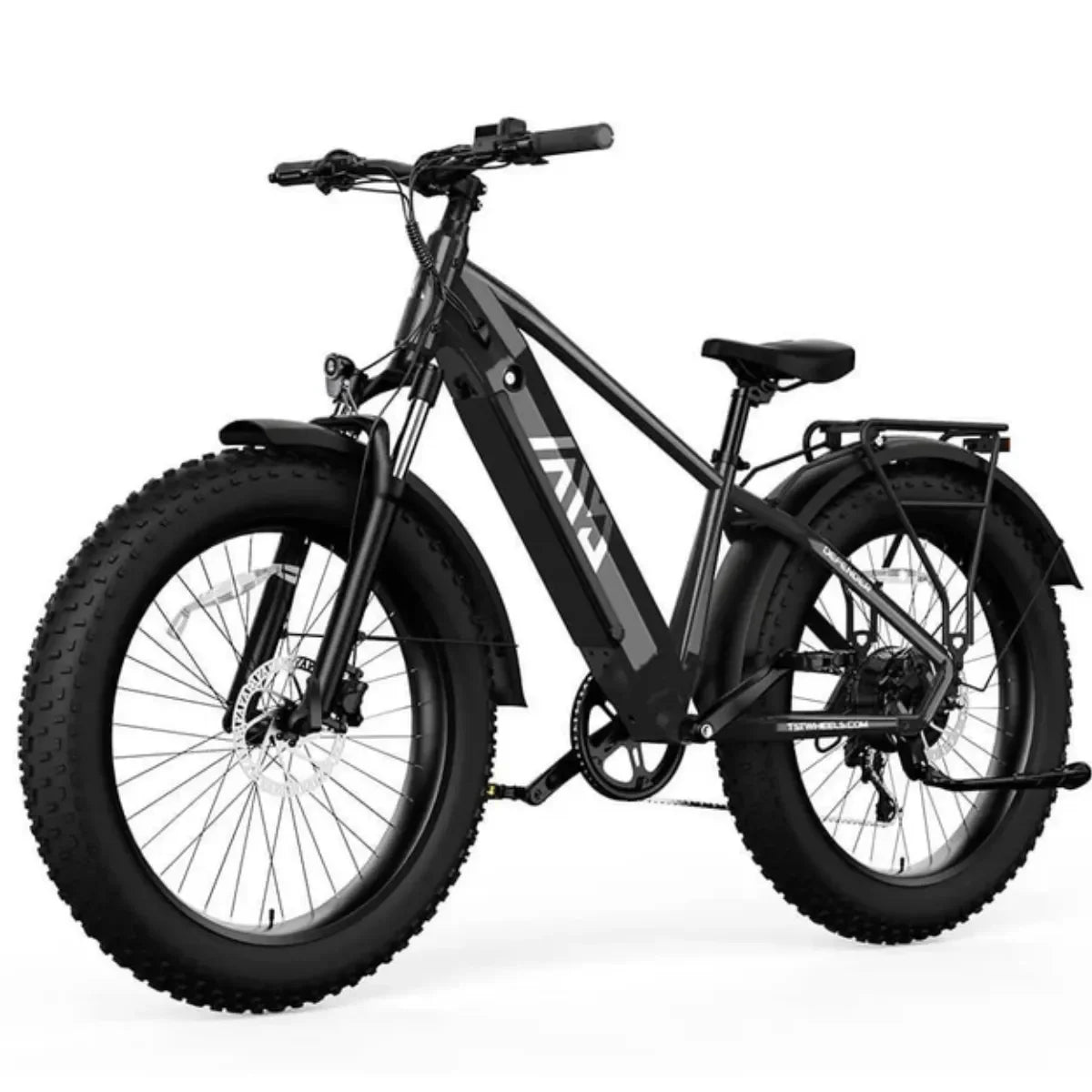
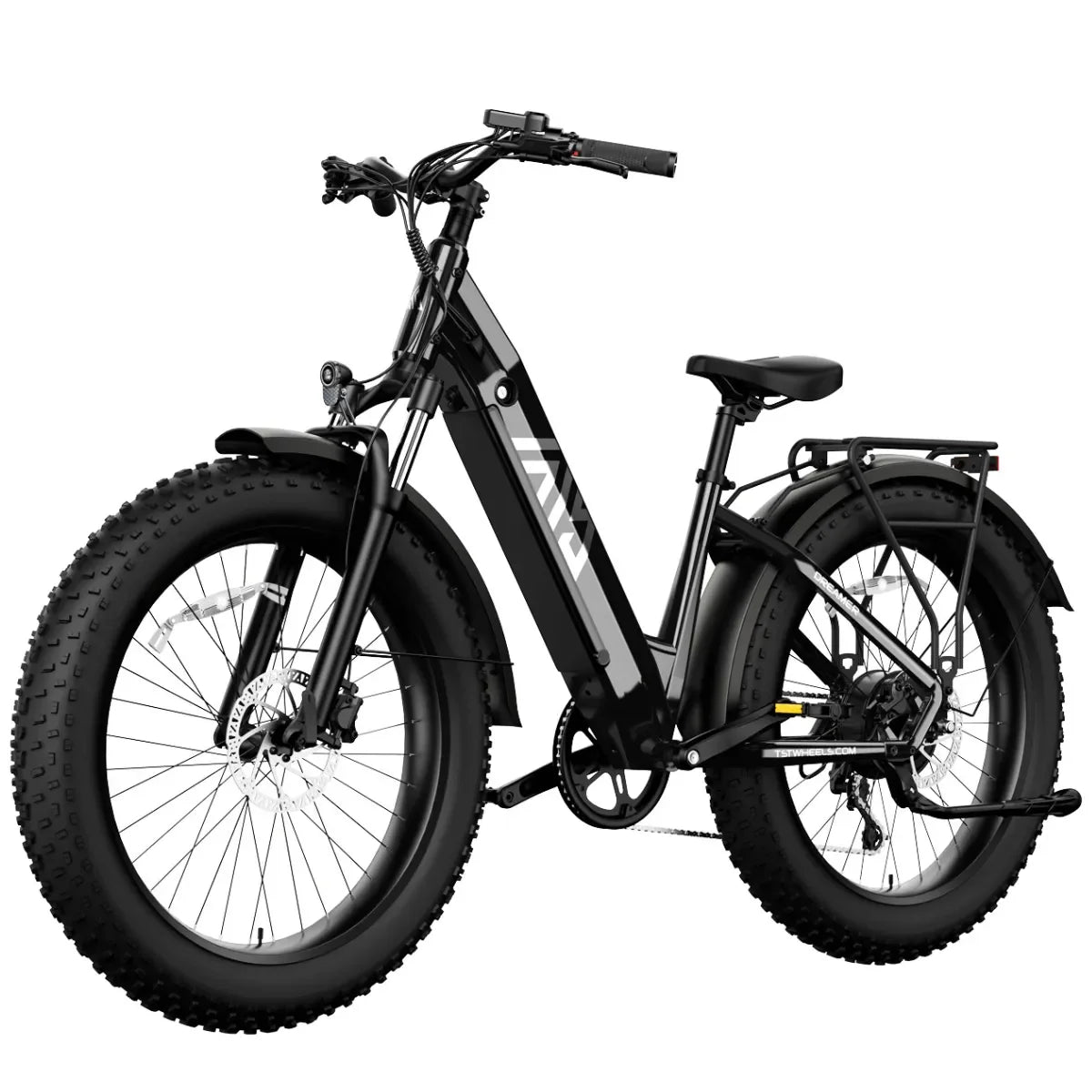









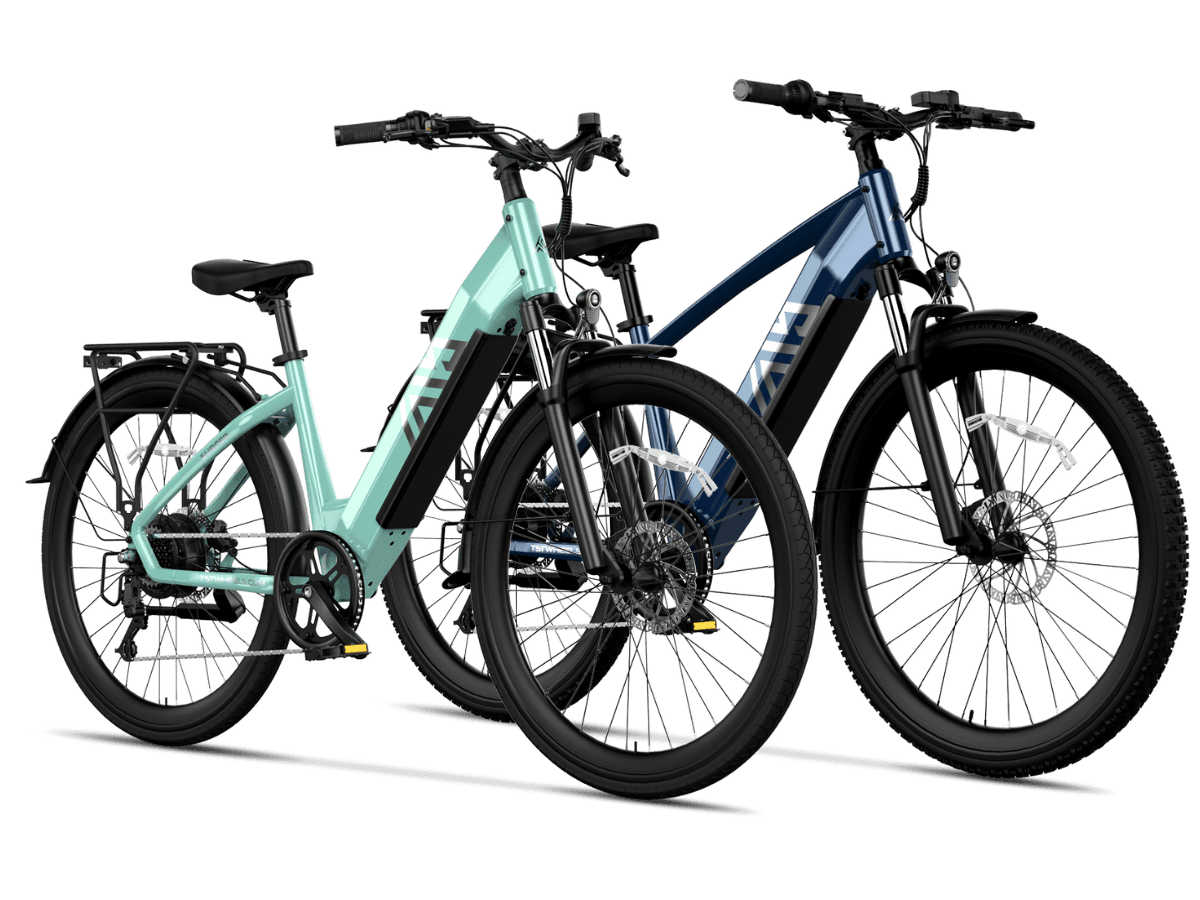
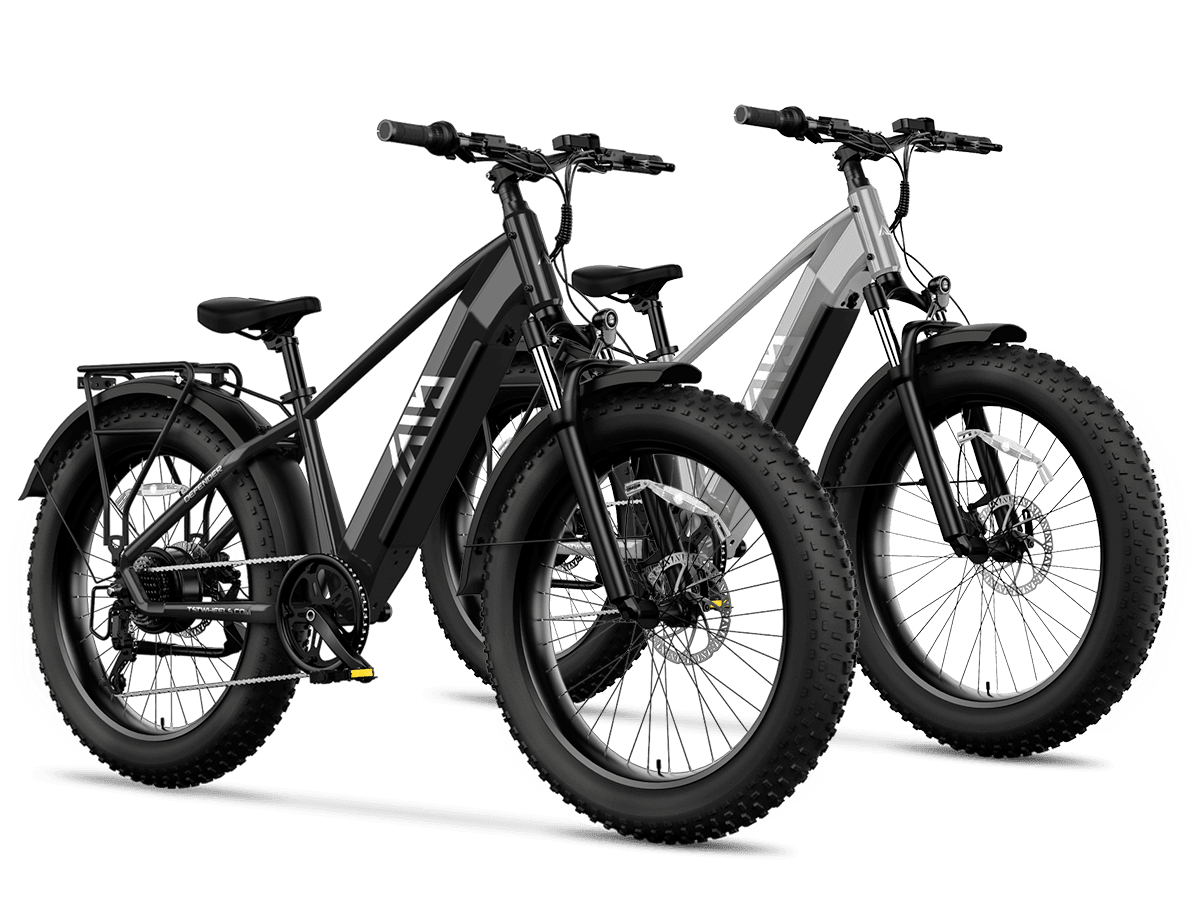

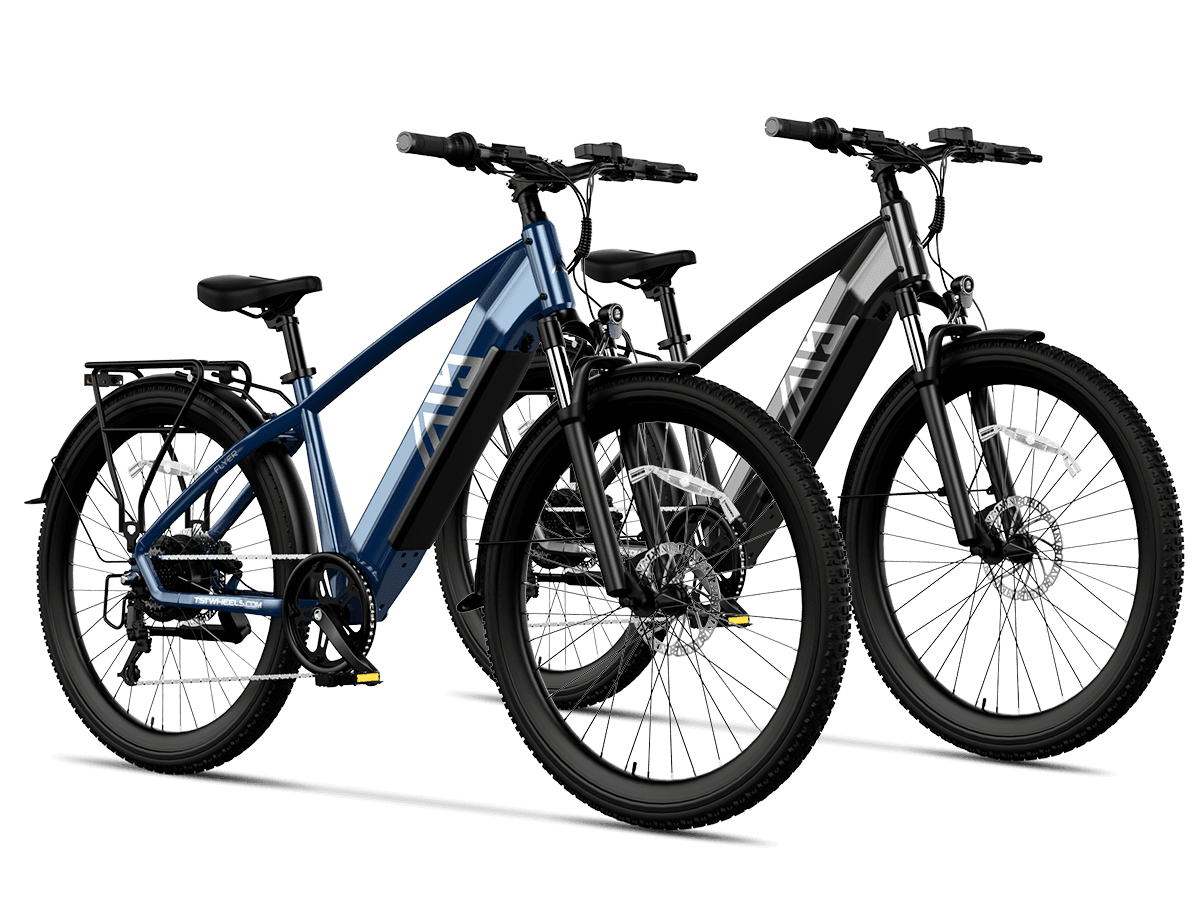
A safe eBike battery starts with genuine UL certification, robust BMS protection, and disciplined charging habits at home. For U.S. riders, especially those charging in garages, that means choosing brands like TST EBike that design around UL 2271/UL 2849 principles, build factory‑grade protections against overcharge and thermal runaway, and following a simple “4 don’ts” charging checklist to avoid fire risk.
What is UL certification for eBike batteries and systems?
UL certification is an independent safety validation that stress‑tests eBike batteries, chargers, and electrical systems to help prevent fire, explosion, and electric shock. In the eBike world, UL 2271 covers the battery pack, while UL 2849 covers the entire drive system including battery, charger, motor, controller, and wiring. When I review TST EBike designs, I treat UL 2849 as the “gold standard playbook,” even when tests are performed by equivalent labs instead of UL itself.
UL 2271 vs. UL 2849 in practice
UL 2271 focuses on the battery pack’s ability to survive abuse like overcharge, short circuit, crush, impact, and thermal exposure without catastrophic failure. UL 2849 goes further, testing how the whole system behaves when components interact under vibration, water spray, and fault conditions. As an engineer, I’ve seen “safe” packs fail once paired with mismatched chargers or controllers—exactly the risk system‑level standards are designed to catch.
Why UL labels matter for U.S. riders
Cities such as New York have moved toward requiring UL‑compliant eBikes and batteries because incident data clearly linked many fires to non‑certified devices and aftermarket packs. For American riders, a genuine UL mark plus a traceable certificate number is your first filter before you even consider price, range, or looks. TST EBike incorporates UL standards in its design reviews and supplier selection to align with evolving U.S. regulations and insurance expectations.
How does a BMS keep an eBike battery safe?
A Battery Management System (BMS) is the onboard “safety computer” that monitors voltage, current, temperature, and state of charge across all cells to prevent abuse. In TST EBike packs, the BMS enforces strict limits on charge and discharge, disconnects during faults, balances cells, and can log abnormal events for diagnostics. Without a robust BMS, even good cells can be driven into thermal runaway by an oversized charger or a corroded connector.
Core BMS protection functions
A well‑engineered BMS in an eBike battery typically provides overcharge protection, over‑discharge protection, over‑current limiting, short‑circuit protection, temperature monitoring, cell balancing, and sometimes data logging. In factory tear‑downs, I’ve rejected packs where the BMS had only a single temperature sensor and crude MOSFET layout—far below what we specify for TST EBike. These hidden decisions define whether a pack quietly protects itself or fails under stress.
Why cheap BMS designs are dangerous
Poorly assembled packs often use generic, under‑specced BMS boards with thin traces, minimal isolation, and slow fault detection. These boards can miss rapid current spikes or allow one hot cell to drag the whole pack into failure. Many real‑world fire investigations trace back to such low‑grade electronics combined with incompatible chargers, emphasizing why BMS design is not the place to cut costs.
Why are U.S. riders hearing so many battery fire stories?
Battery fire headlines in the U.S. mostly come from uncertified e‑mobility devices, aftermarket conversion kits, and cheap online batteries—not from well‑designed, tested eBikes. Data from major cities show that the majority of serious incidents involve non‑OEM or modified systems where the battery, charger, and wiring were never tested together. As traffic congestion pushes more riders toward eBikes, unsafe products and DIY conversions magnify the risk.
What the incident data actually shows
Fire departments and safety agencies repeatedly highlight three patterns: uncertified packs, third‑party chargers, and post‑market conversions are over‑represented in fires. In contrast, integrated systems tested to standards like UL 2849 with OEM chargers have a much lower incident rate. That’s why TST EBike focuses on complete system integrity instead of just sourcing name‑brand cells, closing safety gaps that riders never see.
Why American garages amplify the risk
Many U.S. riders park and charge in attached garages filled with cardboard, tools, fuel, and vehicles—essentially a ready‑made fuel bed. Charging overnight, on wood benches, with generic chargers and no smoke detectors turns a minor battery fault into a fast‑moving structural fire. Small changes to charging habits dramatically reduce that risk without sacrificing riding convenience.
What are the “4 don’ts” for safe garage charging?
For garage charging, follow four strict don’ts: don’t use third‑party chargers, don’t charge near flammables, don’t charge unattended overnight, and don’t charge in extreme heat or direct sun. I also advise riders not to stack multiple batteries on one power strip or daisy‑chain extension cords, because those habits create hidden failure points in your home electrical system.
Featured checklist: Garage charging 4 don’ts
-
Don’t use non‑OEM or “universal” chargers; always use the charger supplied with your eBike.
-
Don’t charge on combustible surfaces or near fuels, cardboard, or vehicles.
-
Don’t leave batteries charging while you’re asleep or away from home.
-
Don’t charge in unventilated, overheated garages or direct summer sunlight.
TST EBike encourages customers to treat garage charging as a controlled process, not a plug‑and‑forget convenience, and these rules form the core of its recommended SOP.
Where should you place the charger and battery?
Ideally, charge your eBike battery on a hard, non‑flammable surface such as concrete or tile with at least three feet of clearance around it and a smoke detector nearby. Keep cabling off the floor to avoid trip damage, and avoid stacking multiple high‑load devices on one outlet. Some TST EBike riders add a simple metal tray or fire‑resistant mat under the battery as a low‑cost extra layer of protection.
How does TST EBike design overcharge and thermal safety into its batteries?
TST EBike designs its packs with layered overcharge protection, combining charger‑side voltage control, BMS‑level cutoffs, and cell‑level safety margins to contain faults before they escalate. In qualification tests, engineers deliberately push packs toward 150% charge, induce shorts, and subject them to crush, drop, and thermal cycles inspired by UL 2271 and UL 2849 protocols. Any design that vents violently or exceeds defined temperature thresholds is rejected or redesigned.
Factory‑floor view of overcharge protection
From a factory engineer’s perspective, real overcharge protection is not just a single shutdown chip; it’s an interplay of charger profile tuning, accurate cell voltage sensing, fast MOSFET disconnection, and conservative pack voltage limits. In TST EBike projects, shells are removed to confirm trace widths, sensor placement, and creepage distances match internal safety rules, not just vendor datasheets. This hands‑on validation catches issues that never show up in marketing spec sheets.
Thermal management across 26‑inch and 27‑inch models
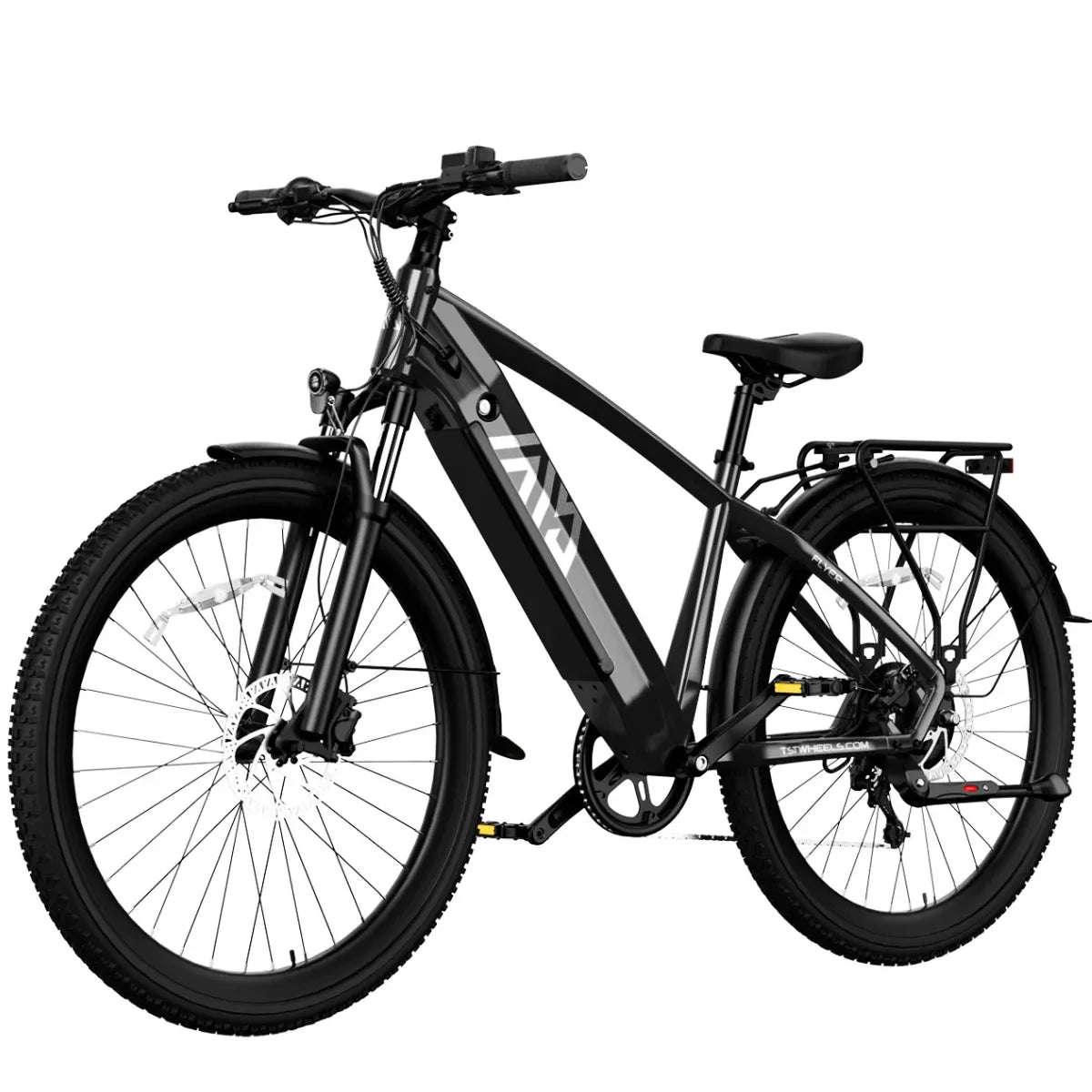
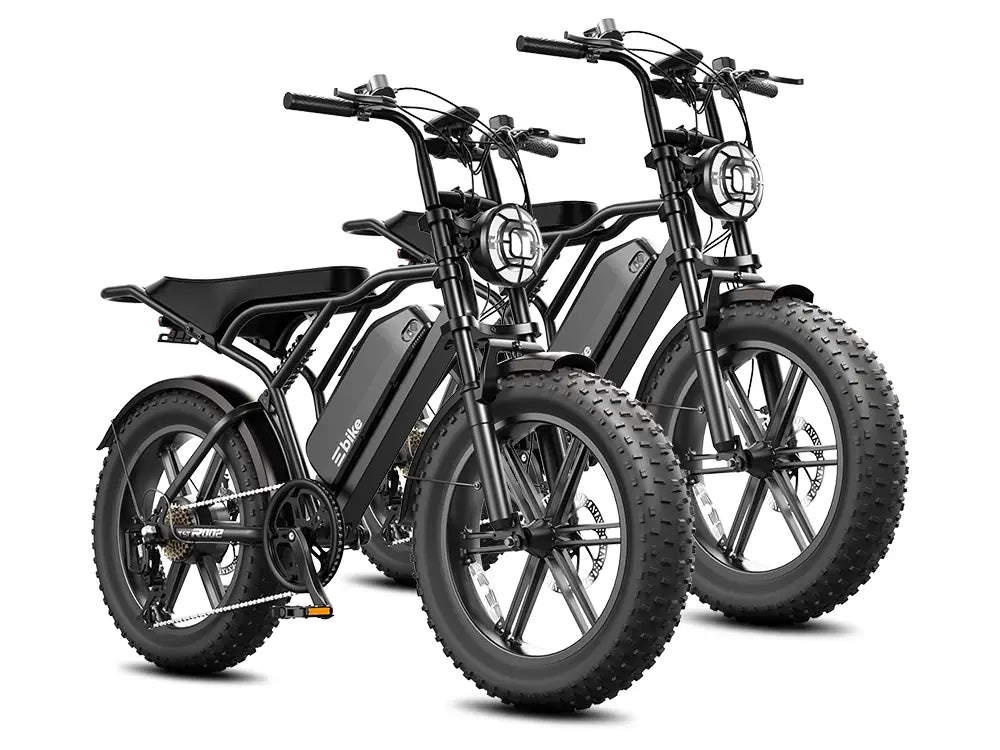
TST EBike’s 26‑inch fat‑tire models, often ridden on snow or sand, use robust enclosures with thermal buffering against cold‑induced internal resistance spikes. The 27‑inch commuter and mountain models balance airflow and sealing so batteries stay within safe temperature bands in stop‑and‑go urban traffic. In both cases, engineers specify NTC sensors on critical cell groups and require clean temperature feedback into the BMS logic, tailoring safety to real‑world ride profiles.
Which charging SOP should every TST EBike rider follow at home?
Every TST EBike rider should follow a simple Charging SOP: inspect, plug, monitor, and disconnect. Before each charge, visually check the pack, use only the OEM charger, charge on a safe surface, and disconnect once full. This routine catches damaged cables, swollen packs, and loose connectors before they become ignition points.
SOP quick FAQ‑style snippet
-
Inspect: Check case, connector, and cable for damage or swelling.
-
Plug: Use only your TST EBike OEM charger, directly into a wall outlet.
-
Monitor: Stay home and keep the area ventilated while charging.
-
Disconnect: Unplug when the indicator shows full, and store the battery safely.
By treating every charge like a mini safety inspection, you integrate best practices into everyday riding instead of relying on memory during emergencies.
Recommended charging routine for U.S. garages
In American homes, aim to charge during waking hours, preferably early evening, when you can respond to alarms or unusual smells. Avoid extension cords unless they’re heavy‑duty and properly rated; never daisy‑chain power strips. If your garage sees big temperature swings, consider moving the battery indoors to charge in a stable environment, following the same surface and clearance rules.
Are aftermarket batteries and third‑party chargers worth the risk?
Aftermarket batteries and third‑party chargers are rarely worth the risk; they’re disproportionately represented in fire incident data and often lack verifiable certification. Mixing unknown packs and chargers defeats the system‑level safety assumptions baked into standards such as UL 2849. For TST EBike systems, OEM packs and chargers are strongly recommended, and “upgraded” conversion batteries from generic marketplaces are discouraged.
Why compatibility claims can be misleading
Online listings that promise “compatible with all eBikes” typically rely on connector fit, not on electrical profile or safety testing. Slight differences in cutoff voltage, cell chemistry, or BMS timing can turn a normal fast charge into an over‑current event invisible to simple chargers. System‑level standards simulate these edge cases; generic products almost never do, leaving the rider to unknowingly test dangerous combinations at home.
TST EBike policy on non‑OEM parts
From a quality‑control standpoint, any pack or charger outside the approved bill of materials voids the ability to guarantee safety. During customer support calls, technicians routinely trace problems to non‑OEM chargers or replacement batteries that skipped basic functional safety assessments. If a TST EBike battery ages out, the safest path is a like‑for‑like OEM replacement through authorized channels rather than a speculative “upgrade.”
What simple table can riders use to check safe vs unsafe charging habits?
Below is a practical checklist table you can print and tape near your charging area to distinguish safe from unsafe habits. It’s based on recurring patterns seen in both fire investigations and workshop inspections, and it translates technical advice into daily behavior you can quickly review.
Using this table as a quick self‑audit after each ride keeps safety habits consistent and easy to remember.
When should a TST EBike battery be inspected or replaced?
A TST EBike battery should be inspected immediately if it shows swelling, strange odours, unusual heat, visible damage, or sudden loss of range. Replacement is typically advisable after two to four years of regular use, depending on cycle count, climate, and storage habits. Any battery involved in a crash or hard drop should be evaluated before further riding.
Early warning signs you must not ignore
Look for bulging case sections, hissing or “sweet chemical” smells, or hotspots during gentle riding or charging. Frequent charger cut‑offs, flickering indicators, or a range loss of more than roughly 30 percent are also red flags. TST EBike customer service can guide safe isolation and recycling steps if any of these symptoms appear, turning a potential hazard into a controlled process.
Replacement strategy for different riding profiles
High‑power riders who frequently drain packs, such as cargo users or long hilly commuters, should plan for earlier replacement than casual weekend riders. In harsh climates with very hot summers or cold winters, conservative storage and seasonal check‑ups extend life but don’t remove the need for eventual replacement. Treat batteries like tires: consumable safety components, not “forever parts,” and budget accordingly.
TST EBike Expert Views
“When I sign off a TST EBike pack, I’m not just checking a box on UL standards—I’m replaying every failure mode I’ve seen on the factory floor. Real safety comes from boring details: trace widths, sensor placement, crimp quality, insulation choices. Those are invisible to riders, but they decide whether a minor fault stays contained or becomes tomorrow’s headline fire. That’s why we engineer for worst‑case scenarios, not marketing claims.”
Why does garage charging safety matter even more as eBikes grow in the U.S.?
As more American households adopt eBikes for commuting and recreation, garage charging becomes a shared neighborhood risk, not just a personal one. One faulty battery can threaten attached homes, vehicles, and stored equipment. By combining UL‑informed design from brands like TST EBike with disciplined charging SOPs and avoiding non‑OEM parts, riders transform that shared risk into a manageable routine.
Conclusion: How can U.S. riders make eBike battery safety a daily habit?
U.S. riders can make eBike battery safety a habit by choosing systems aligned with UL 2271 and UL 2849, insisting on robust BMS‑protected packs, and following a simple garage‑charging checklist each time. Think of the battery as the heart of your TST EBike: respect its limits, avoid third‑party shortcuts, and respond quickly to warning signs. With those practices, eBike mobility remains a clean, efficient solution to traffic and air‑quality challenges—without the hidden fire risks seen in headline incidents.
FAQs
Can I safely charge my eBike battery overnight?
It’s strongly discouraged; most safety agencies advise charging while you’re awake, on a hard, non‑flammable surface, and unplugging once full.
Does UL 2271 alone make my battery completely safe?
UL 2271 is a strong battery standard, but system‑level safety also depends on the charger, controller, and wiring, so full‑system testing is equally important.
Are fast chargers bad for eBike batteries?
Fast charging is safe only if the charger is OEM‑matched and the BMS is designed for that profile; generic fast chargers can accelerate wear or trigger faults.
Should I remove my battery to charge indoors in winter?
Yes, charging indoors at moderate temperatures is better than using a freezing garage, provided you still follow the same “4 don’ts” safety rules.
Can I keep using a battery after a minor crash?
Only after inspection; hidden internal damage can surface later as swelling, overheating, or leakage, so treat any crash‑exposed pack with caution.

Leave a comment
This site is protected by hCaptcha and the hCaptcha Privacy Policy and Terms of Service apply.